By Fatima Hussein
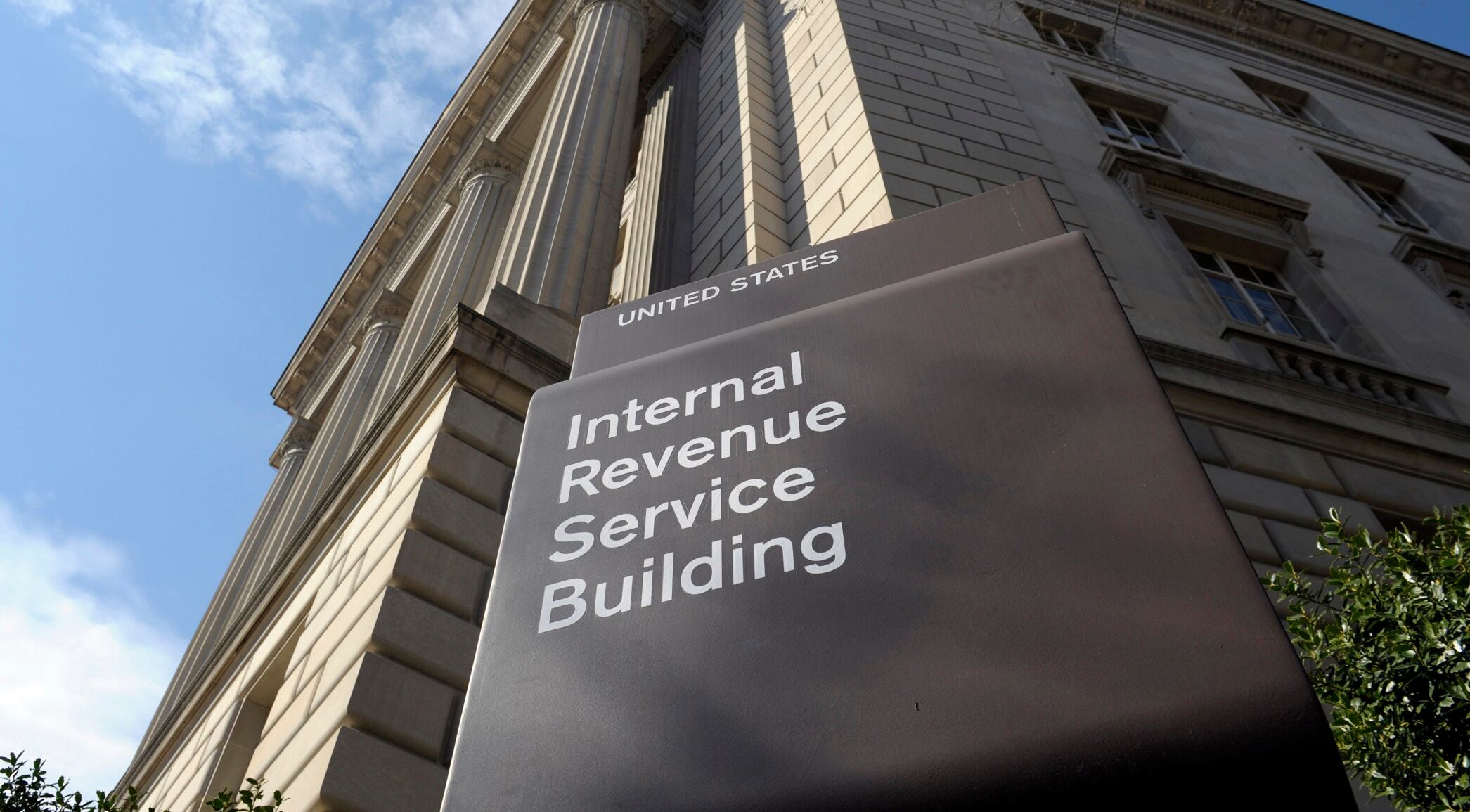
The IRS said Monday it will suspend the use of facial recognition technology to authenticate people who create online accounts after the practice was criticized by privacy advocates and lawmakers.
The agency said it would no longer use a third-party service, called ID.me, for facial recognition. Critics of the software said the database could become a target for cyberthreats. They also expressed concern about how the information could be used by other government agencies, among other concerns.
Earlier Monday, Senate Finance Committee Chair Ron Wyden, D-Ore., called on the agency to end its use of the ID.me software. After the IRS announced the practice would be suspended, Wyden said "the Treasury Department has made the smart decision to direct the IRS to transition away from using the controversial ID.me verification service.”
"No one should be forced to submit to facial recognition to access critical government services,” he added.
The IRS is currently grappling with a worker shortage and an expanded workload from processing tax filings and administering pandemic-related programs. Legislation that would have given the agency billions of dollars to more expeditiously process returns is stalled.
“The IRS takes taxpayer privacy and security seriously, and we understand the concerns that have been raised,” said IRS Commissioner Chuck Rettig.
“Everyone should feel comfortable with how their personal information is secured, and we are quickly pursuing short-term options that do not involve facial recognition.”
The agency said the transition would occur “over the coming weeks in order to prevent larger disruptions to taxpayers during filing season.”
Amazon is reportedly having second thoughts about setting up in New York, after growing backlash from local politicians. "They haven't changed their mind, but they are thinking of at least holding open the possibility that they might pull out and basically put the jobs somewhere else," Robert McCartney, senior regional correspondent at The Washington Post, told Cheddar Friday.
Gavin de Becker has been operating in elite, high-profile circles for nearly four decades, but very few knew his name before Jeff Bezos mentioned it on Thursday in his explosive allegations that a tabloid publisher attempted to blackmail him over explicit photos. De Becker, Bezos' longtime private security consigliere, has a star-studded pedigree that spans 40 years.
A new bill in Illinois would require potential gun buyers to reveal their public social media accounts to state police. The ACLU is now speaking out against the idea, citing privacy and bias concerns. "The things that social media would show are one's political views, perhaps one's religion, and even in some instances someone's race," Edwin Yohnka, director of communications and public policy at ACLU of Illinois, told Cheddar.
For veteran congresswoman and cancer survivor Gwen Moore of Wisconsin, the issue of healthcare is both political and personal. She discussed President Trump's vow "to protect patients with pre-existing conditions" with Cheddar.
These are the headlines you Need 2 Know for Friday, Feb. 8, 2019.
President Trump's economic adviser Larry Kudlow slammed Democratic tax and banking proposals as un-American in an interview with Cheddar's J.D. Durkin on Thursday. "I'm afraid some of my Democratic friends are going back to a war on business," Kudlow said.
It's a topic that has evaded recent political campaigns, but thanks to a superstar representative from New York, tax and bank reform could be one of the biggest campaign issues leading into 2020. Rep. Alexandria Ocasio-Cortez (D-NY) has used her Twitter feed to call out the big banks. Pete Schroeder, who covers finance for Reuters, talked to Cheddar about how the big banks are getting ready.
These are the headlines you Need 2 Know for Thursday, Feb. 7, 2019.
If there's one issue on which President Trump and Congress can work together, it's infrastructure. That's according to Henry Cisneros, a veteran private equity investor and former HUD Secretary under President Bill Clinton.
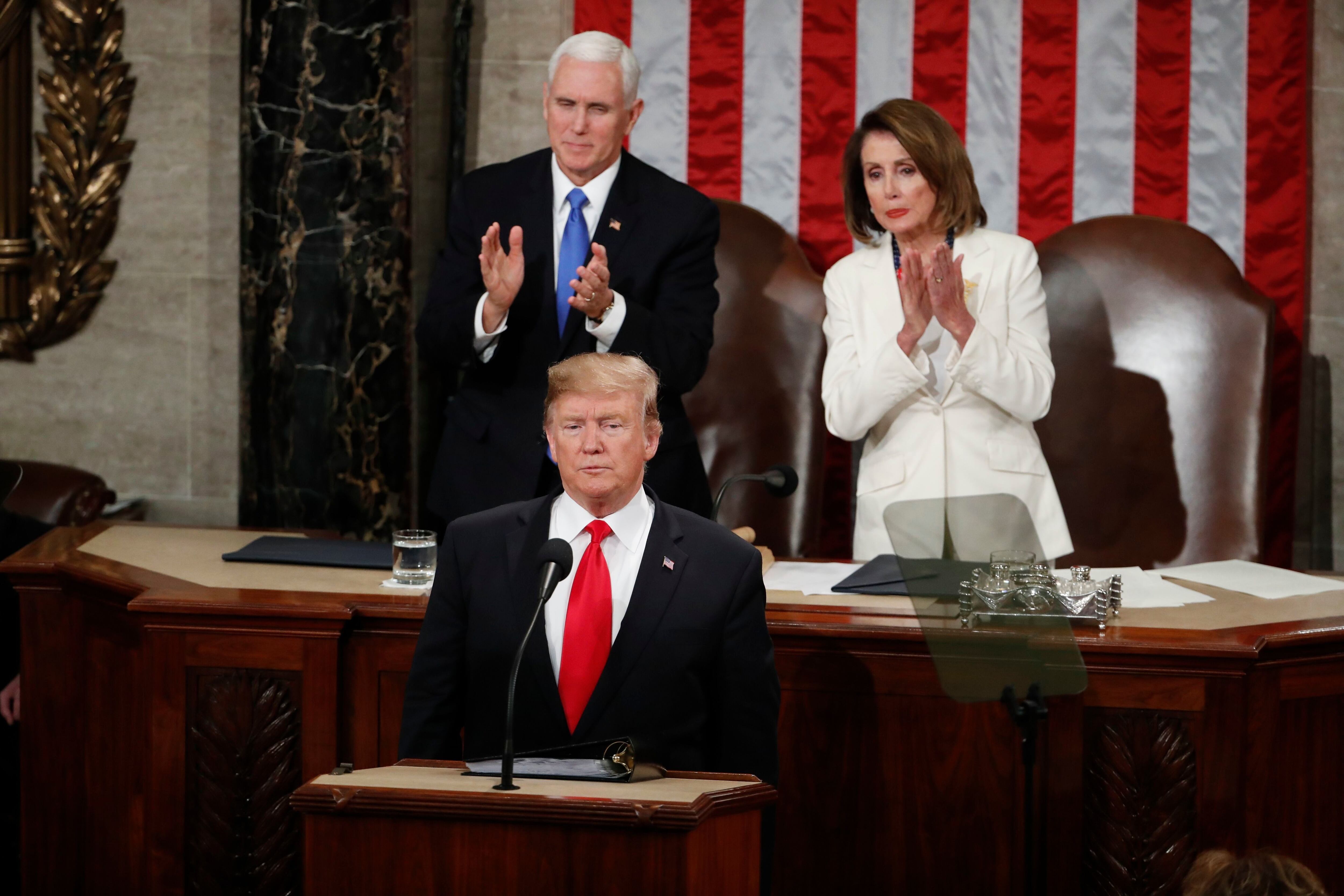
President Trump laid out his vision and for the second half of his term and took a victory lap in his annual address to the nation Tuesday night, saying "the state of our union is strong."