By Fatima Hussein
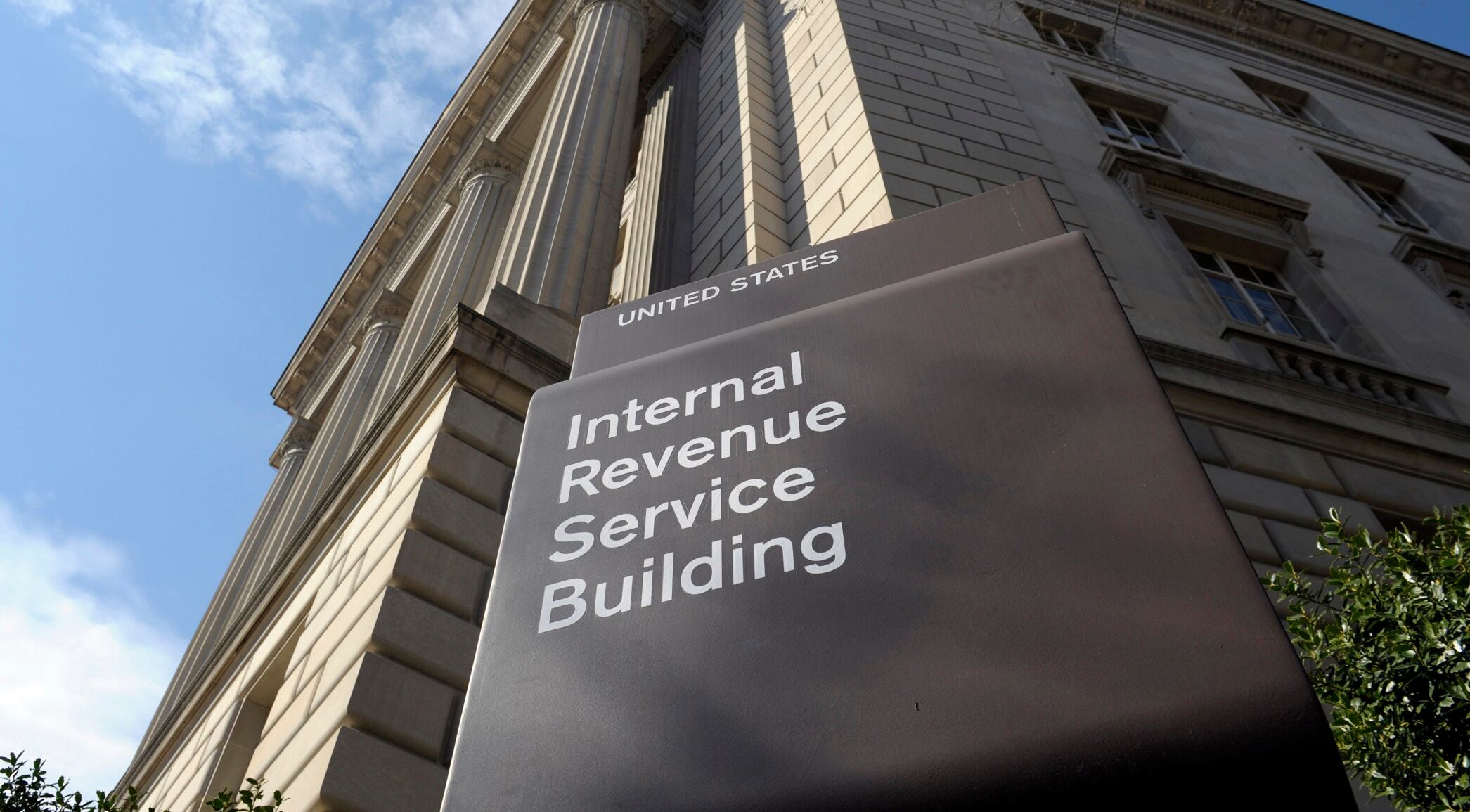
The IRS said Monday it will suspend the use of facial recognition technology to authenticate people who create online accounts after the practice was criticized by privacy advocates and lawmakers.
The agency said it would no longer use a third-party service, called ID.me, for facial recognition. Critics of the software said the database could become a target for cyberthreats. They also expressed concern about how the information could be used by other government agencies, among other concerns.
Earlier Monday, Senate Finance Committee Chair Ron Wyden, D-Ore., called on the agency to end its use of the ID.me software. After the IRS announced the practice would be suspended, Wyden said "the Treasury Department has made the smart decision to direct the IRS to transition away from using the controversial ID.me verification service.”
"No one should be forced to submit to facial recognition to access critical government services,” he added.
The IRS is currently grappling with a worker shortage and an expanded workload from processing tax filings and administering pandemic-related programs. Legislation that would have given the agency billions of dollars to more expeditiously process returns is stalled.
“The IRS takes taxpayer privacy and security seriously, and we understand the concerns that have been raised,” said IRS Commissioner Chuck Rettig.
“Everyone should feel comfortable with how their personal information is secured, and we are quickly pursuing short-term options that do not involve facial recognition.”
The agency said the transition would occur “over the coming weeks in order to prevent larger disruptions to taxpayers during filing season.”
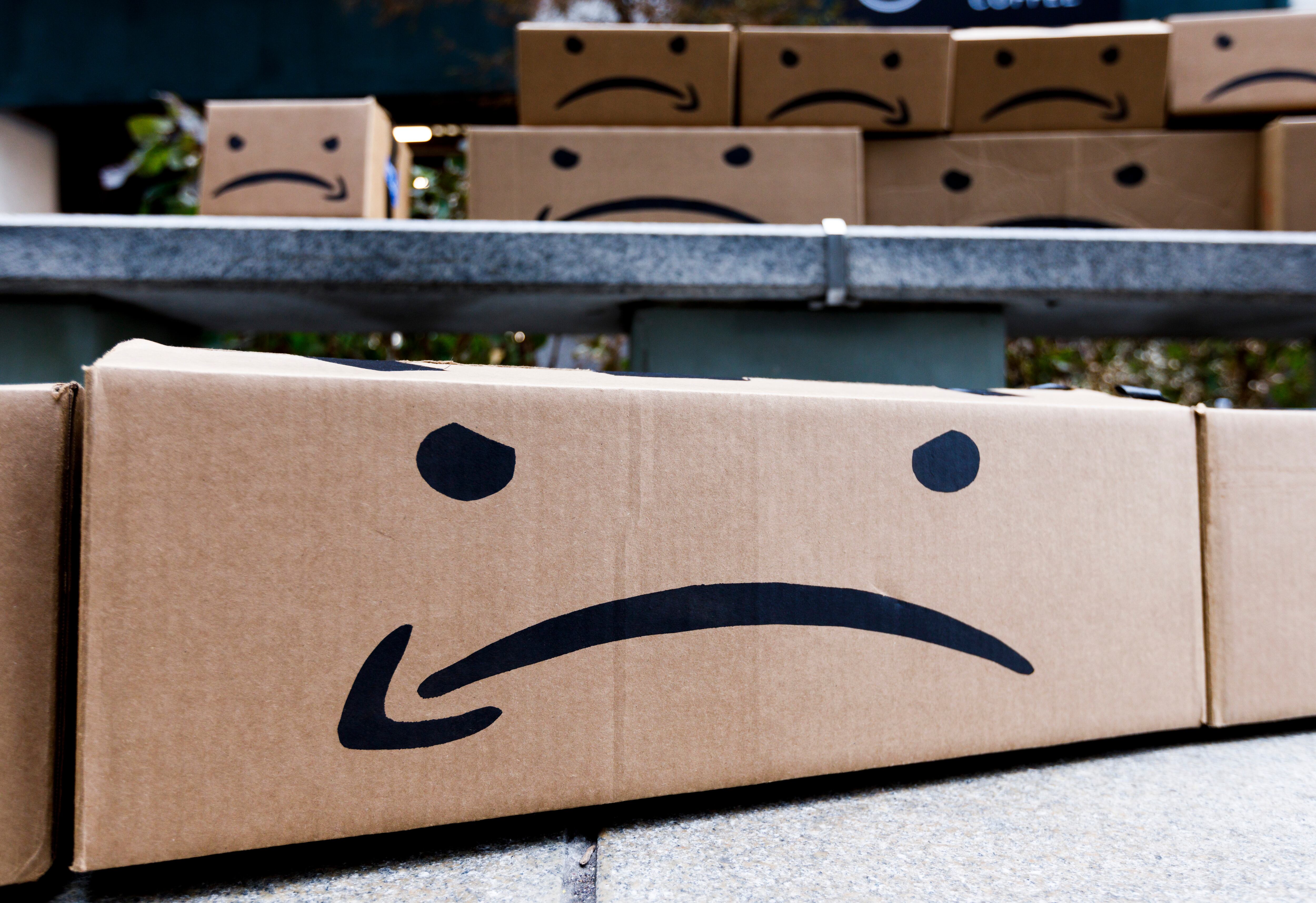
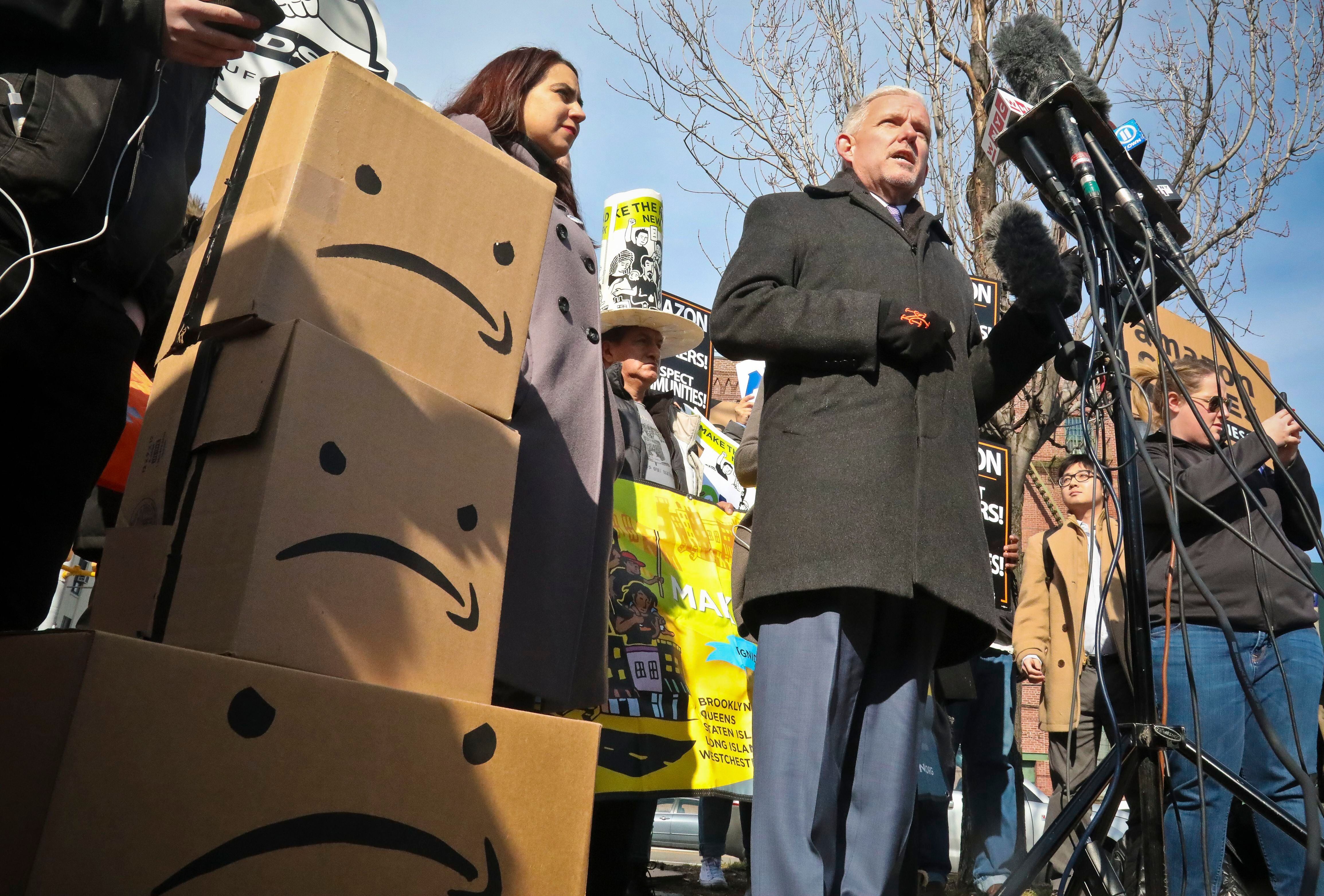
Amazon's blog post announcing it will pull the plug on its New York City headquarters is nothing but a bluff to bring politicians back to the negotiating table, said D.A. Davidson Analyst Tom Forte. "Absolutely Amazon's bluffing," Forte told Cheddar Friday.
From Wall Street to Silicon Valley, these are the top stories that moved markets and had investors, business leaders, and entrepreneurs talking this week on Cheddar.
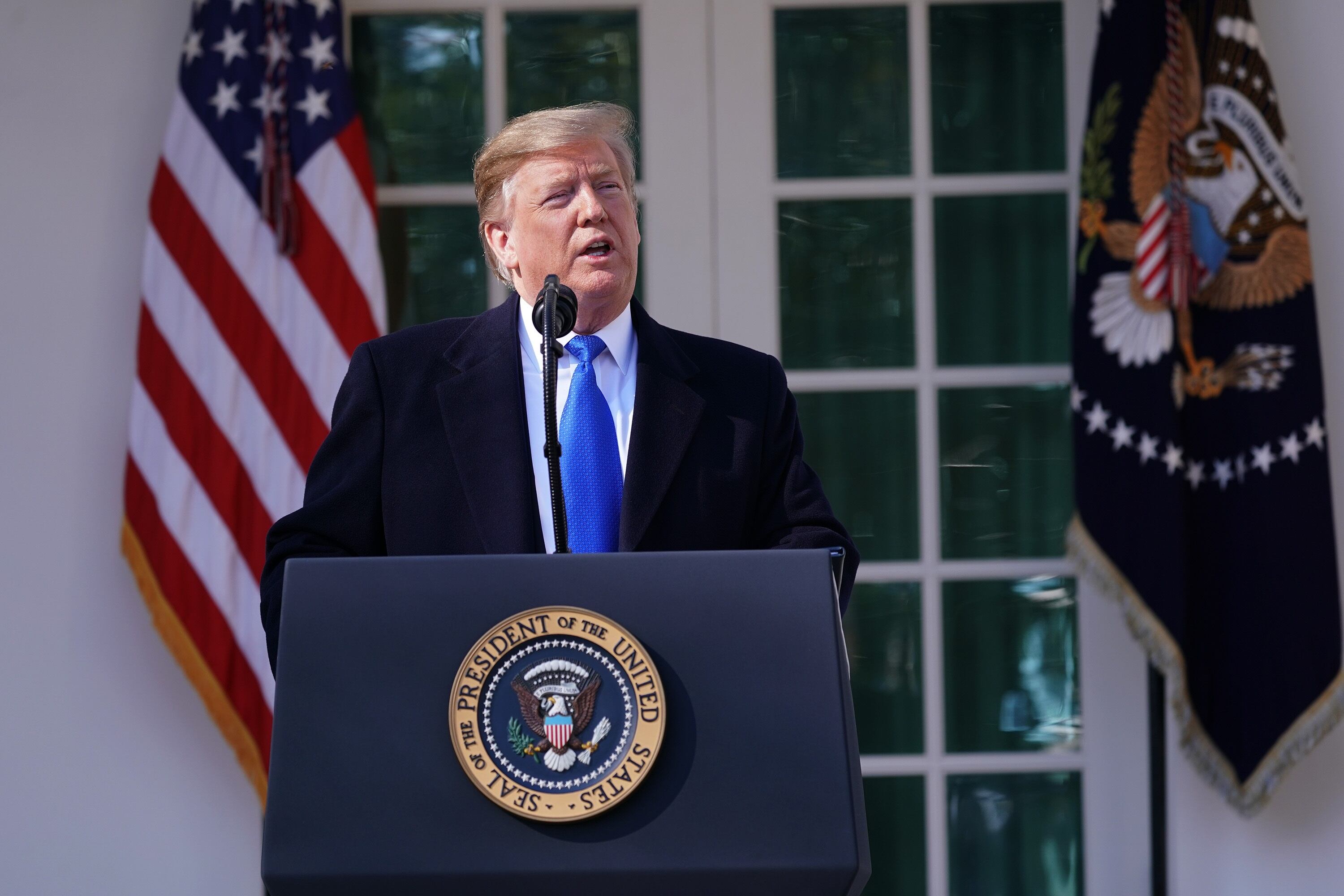
The National Emergencies Act of 1976 was passed in an attempt to regulate the president's ability to declare open-ended national emergencies. The point of the law, commentators said at the time, was to give Congress the power of oversight on matters of national urgency. It is perhaps ironic then that President Trump announced he will, under the provisions of that law, declare a national emergency as a way to circumvent Congress and build a border wall.
These are the headlines you Need 2 Know for Friday, Feb, 15, 2019.
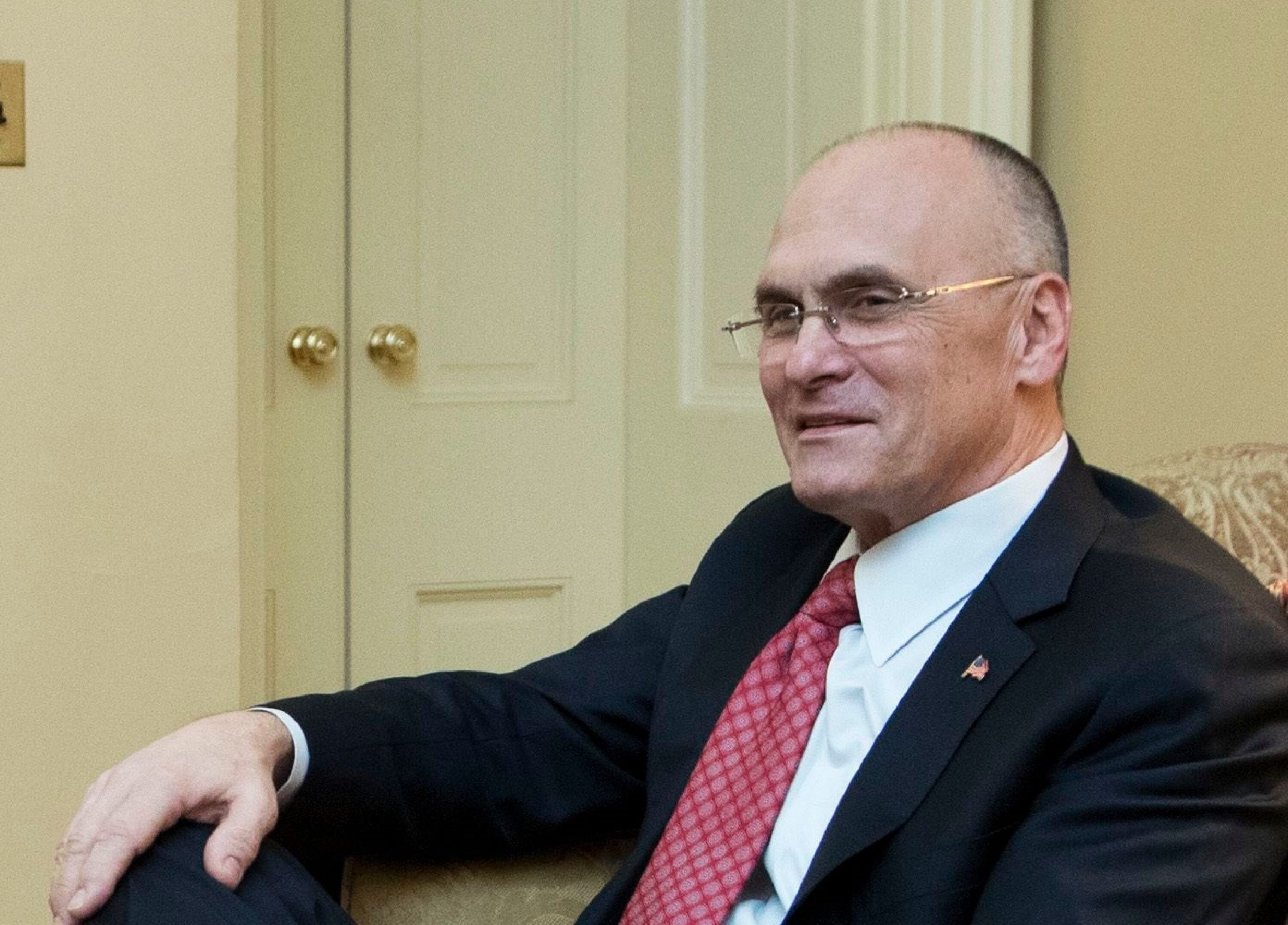
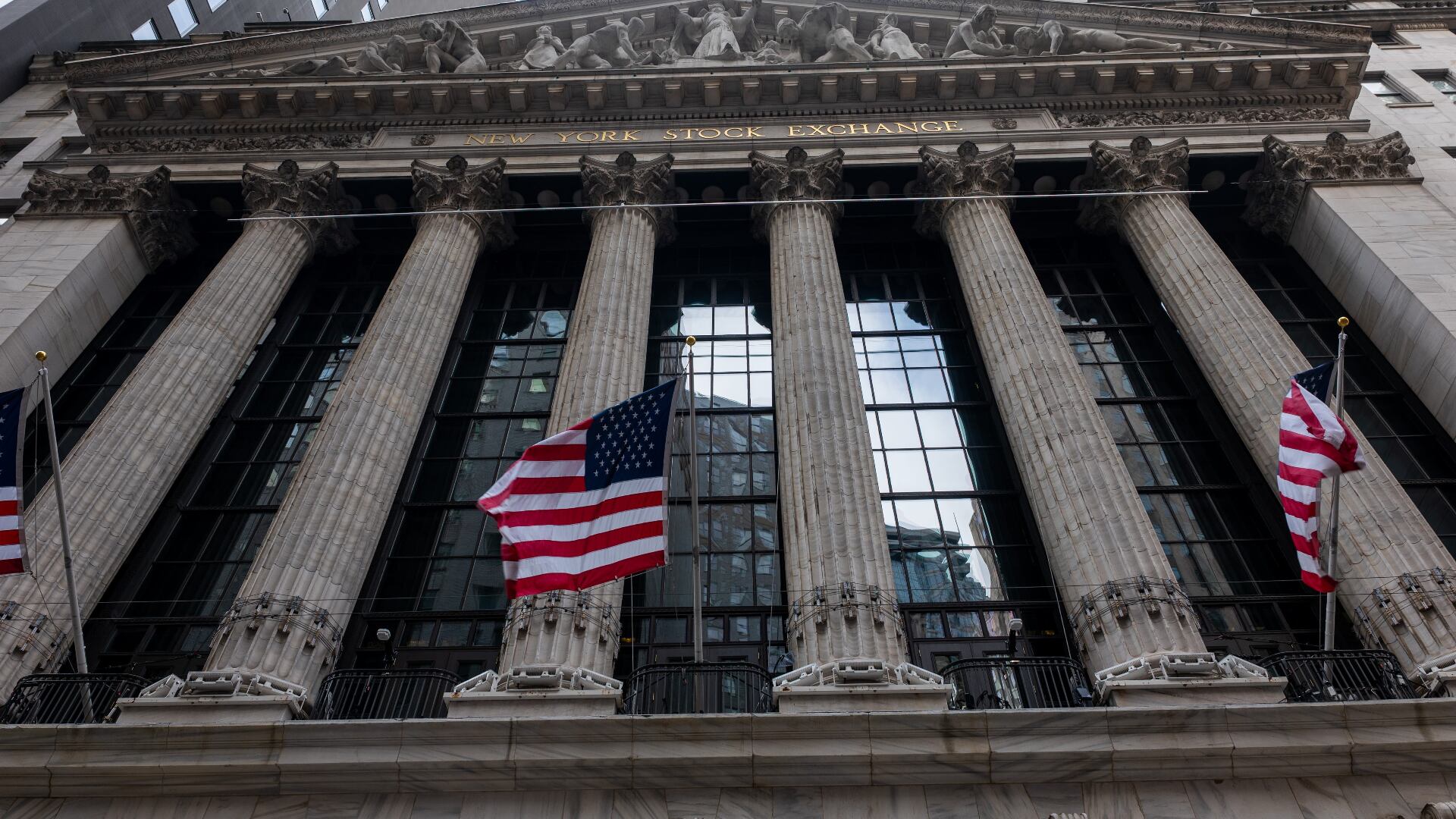
Amazon's decision to pull its new HQ2 out of New York City is very bad for the city ー and a sign that the home of Wall Street is falling victim to anti-business attitudes, according to former CKE Restaurants CEO Andy Puzder. "I think it's a hit to the New York economy. New York is a big city, it's a strong city, but it used to be the home to capitalism. Now it's coming under some of these socialist policies and it's going to lose companies like Amazon ($AMZN)," Puzder told Cheddar on Thursday.
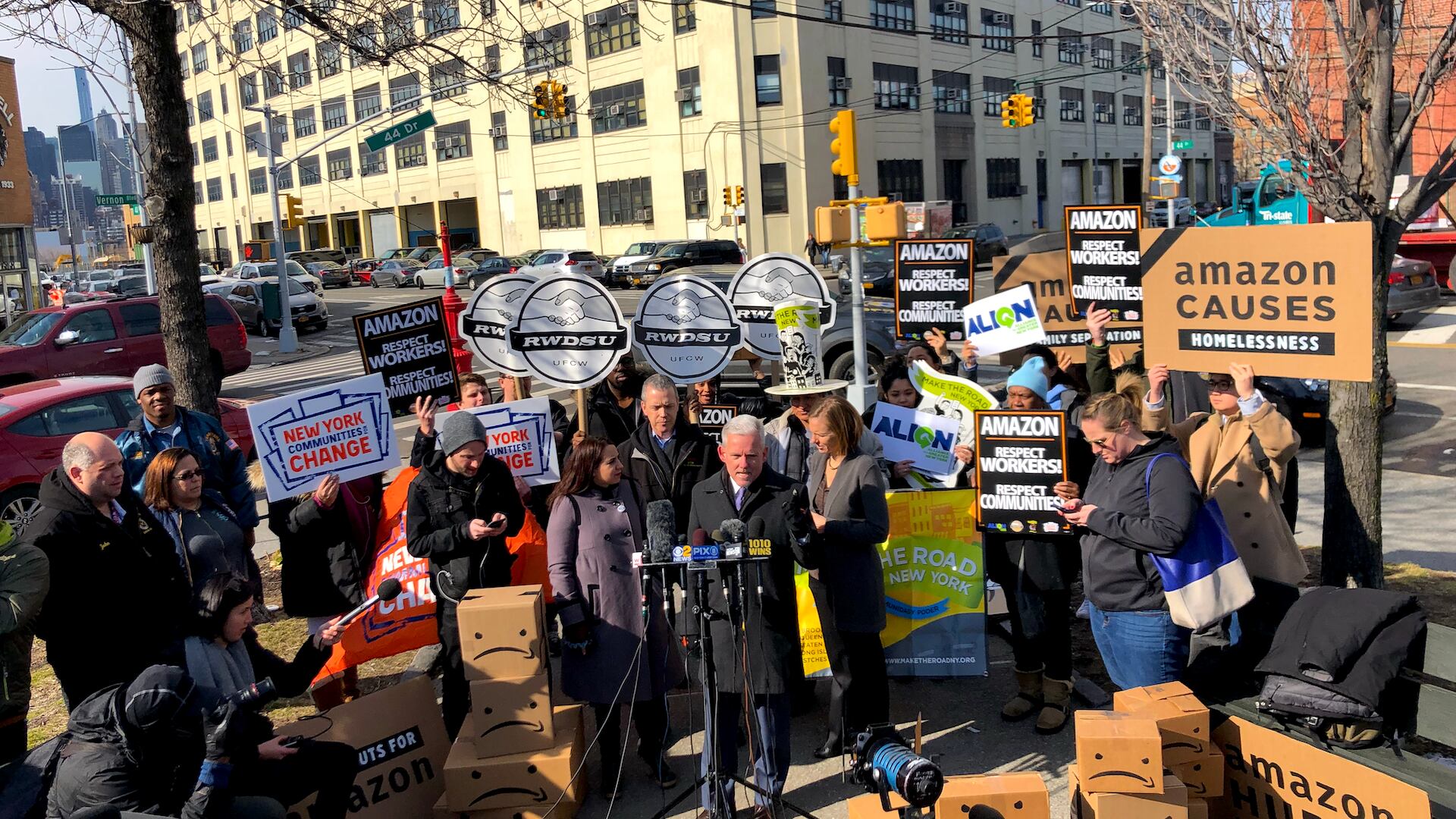
Amazon has backed out of its plan to build a second headquarters in Queens, New York. The abrupt decision shocked even those who opposed Amazon's planned expansion in Long Island City. Cheddar spoke with Jimmy Van Bramer, deputy leader of the New York City Council.
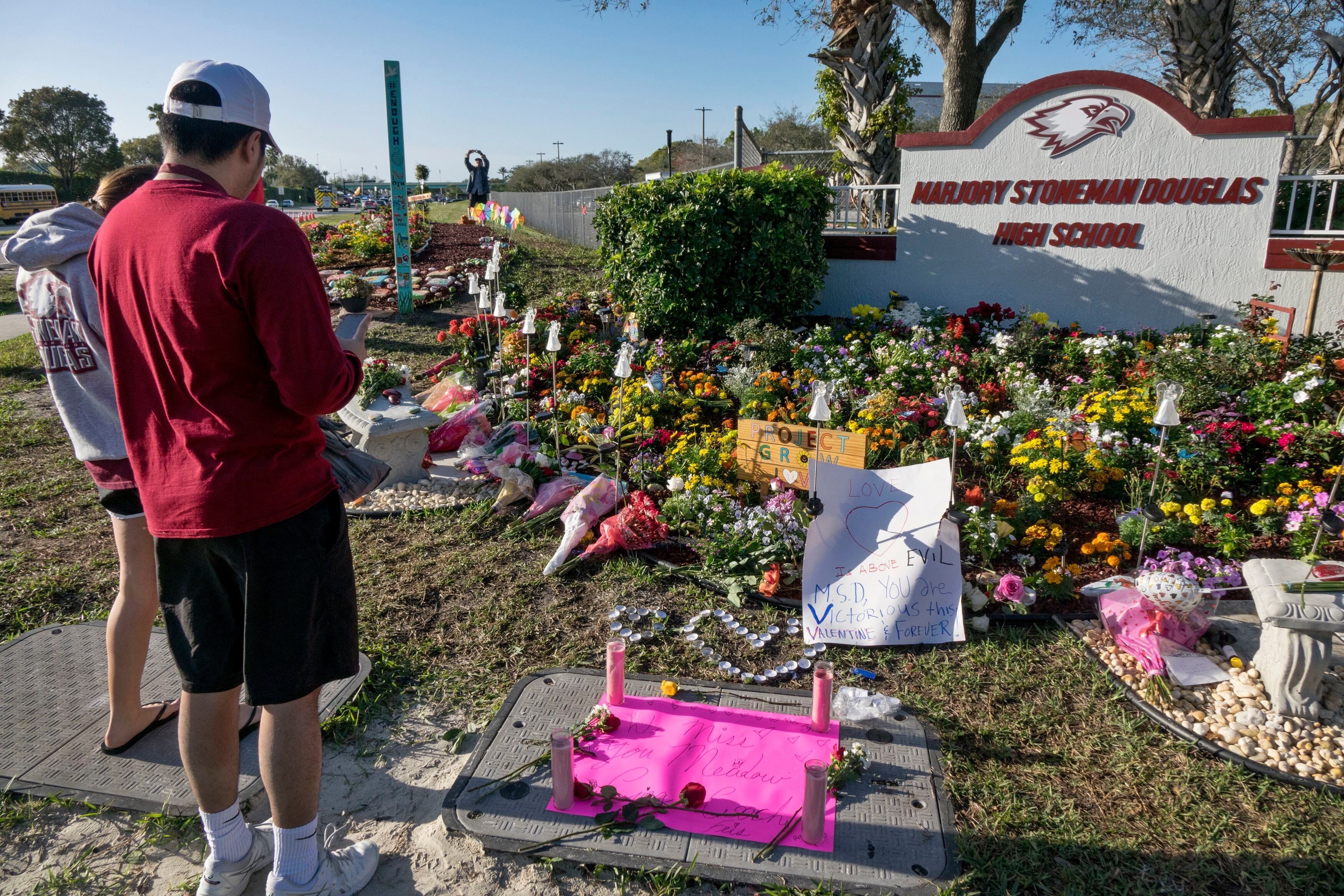
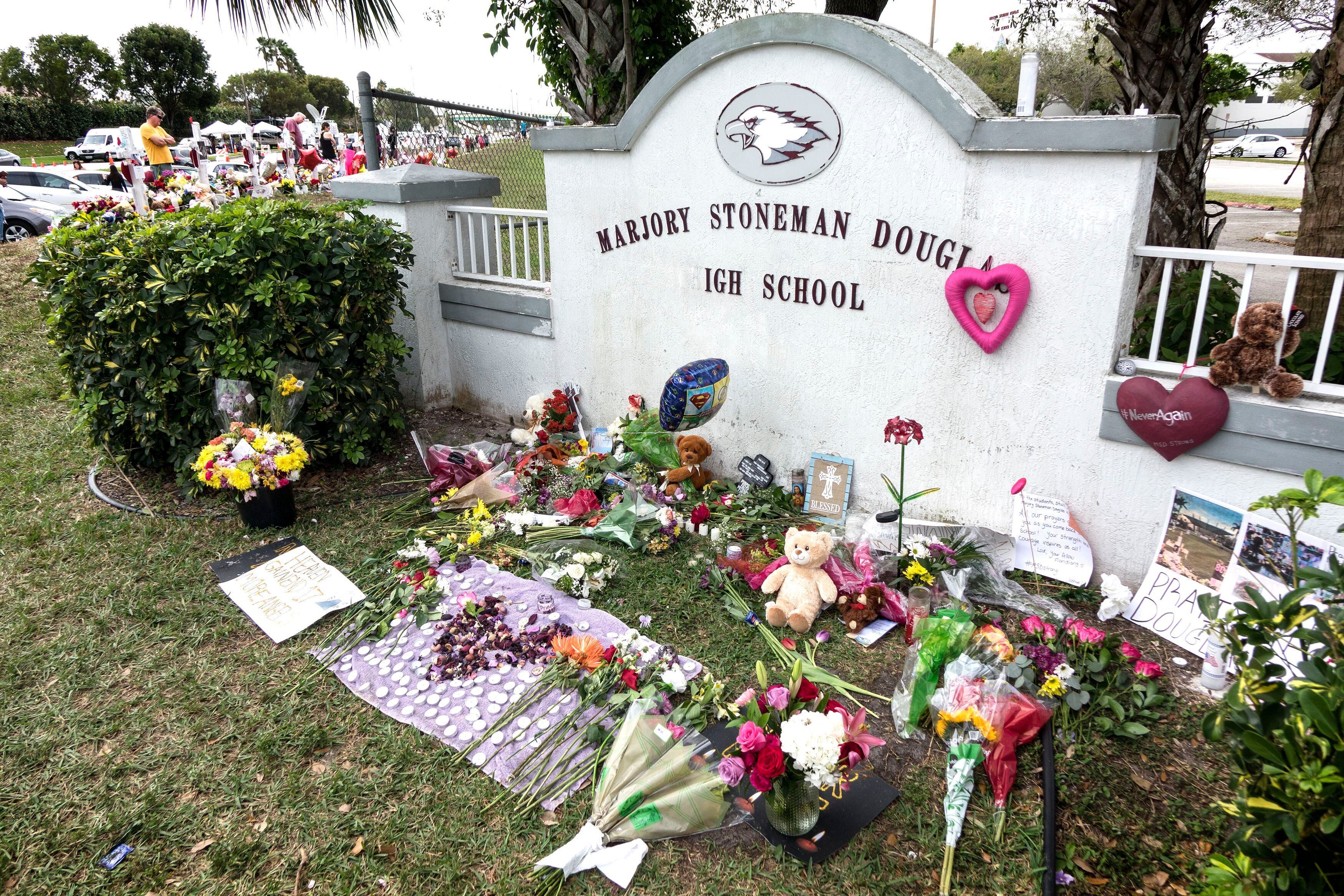
A day before the anniversary of the Parkland shooting, a massacre that re-framed the debate over gun control as a defining cause of Gen Z, Congress advanced its first piece of gun legislation in decades. Rep. Debbie Mucarsel-Powell, a newly elected Democrat from a Parkland-adjacent district who sits on that committee, discussed the victory with Cheddar.
These are the headlines you Need 2 Know for Thursday, Feb. 14, 2019.
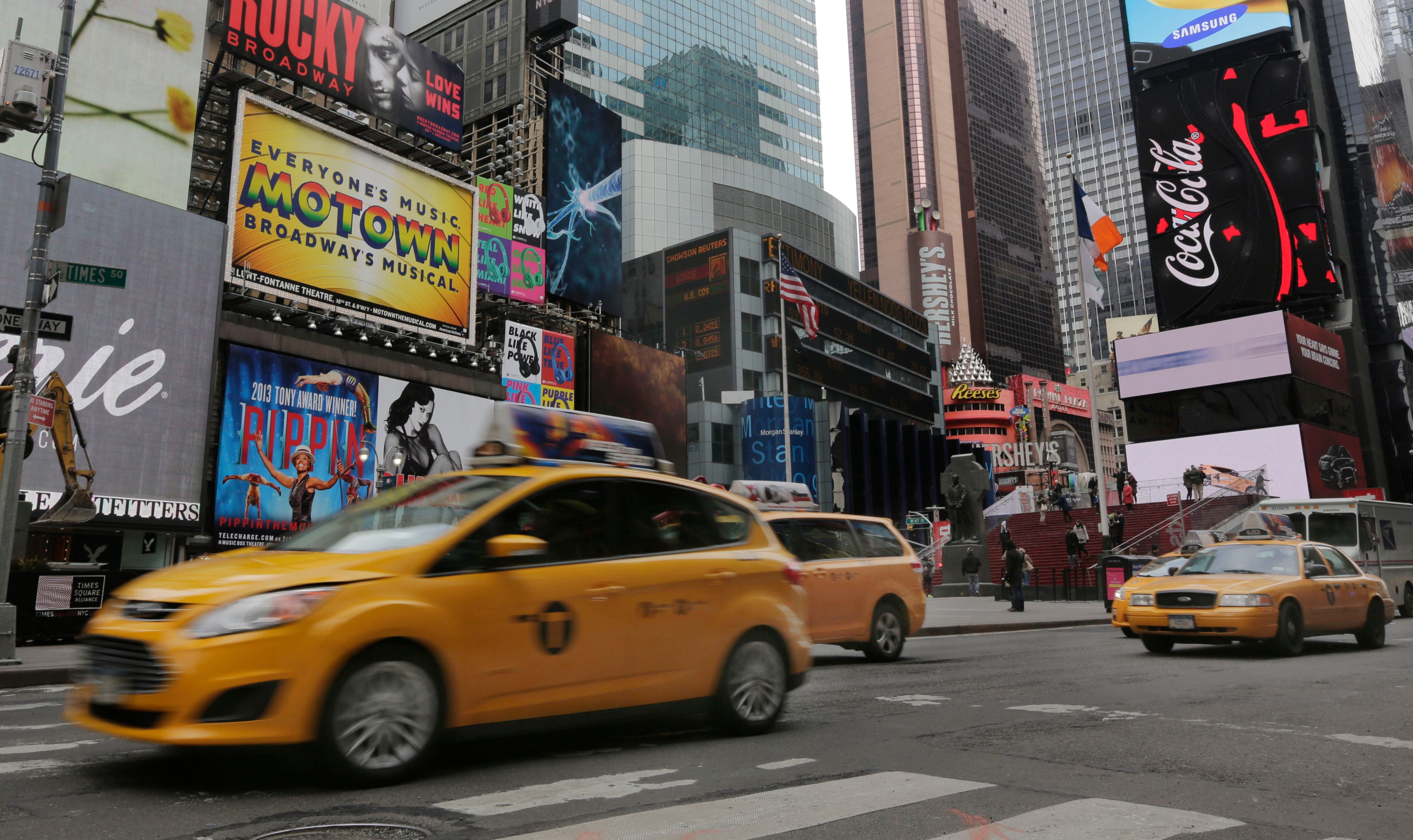
Catching a ride in New York just got more expensive, and passengers aren't the only ones complaining. "It's a problem for the drivers," Aleksey Medvedovskiy, the president of NYC Taxi Group, told Cheddar Wednesday. "It's a problem for the general public."
These are the headlines you Need 2 Know for Wednesday Feb. 13, 2019.