By Fatima Hussein
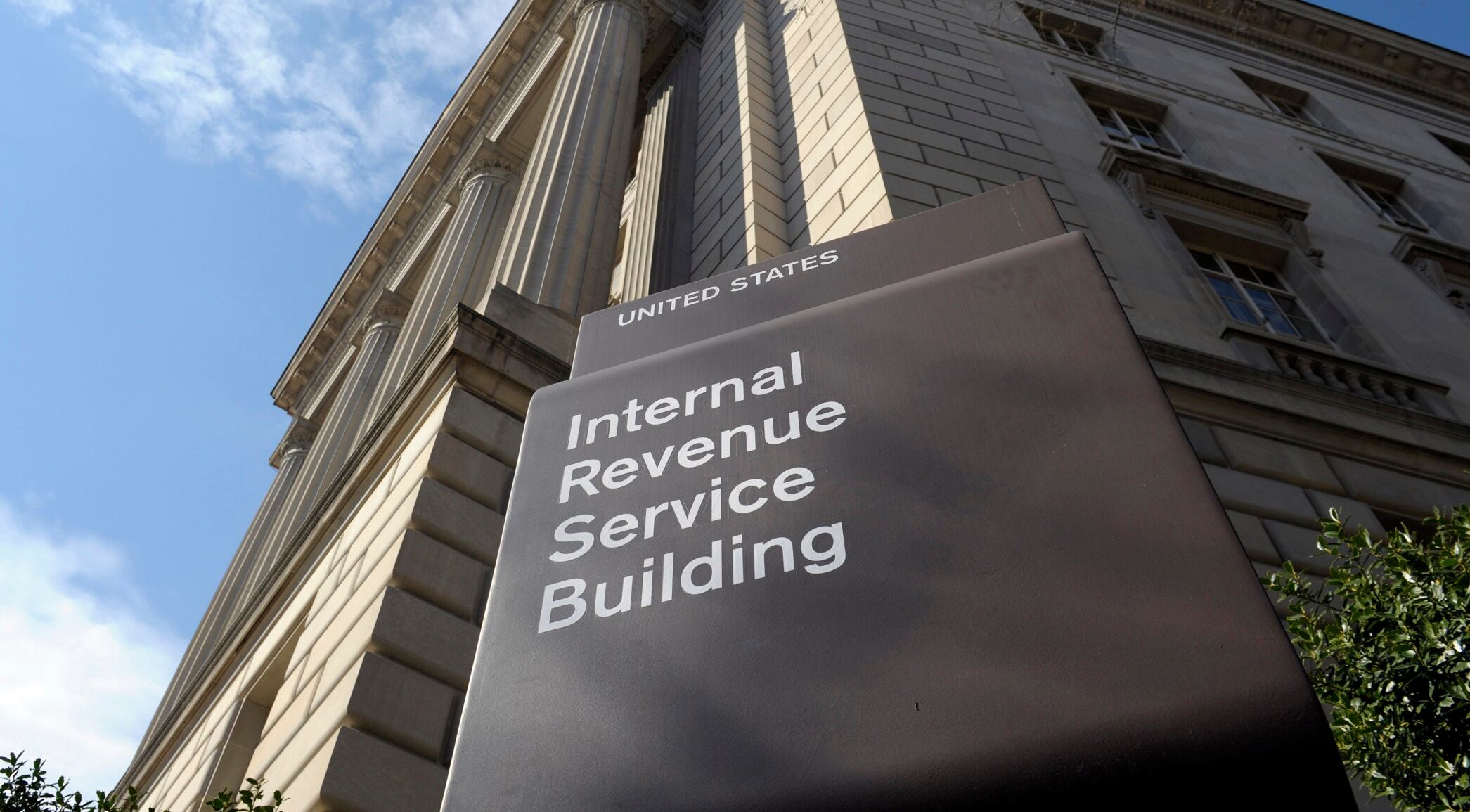
The IRS said Monday it will suspend the use of facial recognition technology to authenticate people who create online accounts after the practice was criticized by privacy advocates and lawmakers.
The agency said it would no longer use a third-party service, called ID.me, for facial recognition. Critics of the software said the database could become a target for cyberthreats. They also expressed concern about how the information could be used by other government agencies, among other concerns.
Earlier Monday, Senate Finance Committee Chair Ron Wyden, D-Ore., called on the agency to end its use of the ID.me software. After the IRS announced the practice would be suspended, Wyden said "the Treasury Department has made the smart decision to direct the IRS to transition away from using the controversial ID.me verification service.”
"No one should be forced to submit to facial recognition to access critical government services,” he added.
The IRS is currently grappling with a worker shortage and an expanded workload from processing tax filings and administering pandemic-related programs. Legislation that would have given the agency billions of dollars to more expeditiously process returns is stalled.
“The IRS takes taxpayer privacy and security seriously, and we understand the concerns that have been raised,” said IRS Commissioner Chuck Rettig.
“Everyone should feel comfortable with how their personal information is secured, and we are quickly pursuing short-term options that do not involve facial recognition.”
The agency said the transition would occur “over the coming weeks in order to prevent larger disruptions to taxpayers during filing season.”
Ebony Underwood was just 13 years old when her father William was arrested in 1988. Today, more than 30 years later, Underwood has joined a broad coalition of activists and lawmakers working for criminal justice reform. Through her advocacy group, We Got Us Now, she is fighting to make sure that children of incarcerated adults are not overlooked on the path to rectification.
These are the headlines you Need 2 Know for Wednesday, July 17, 2019.
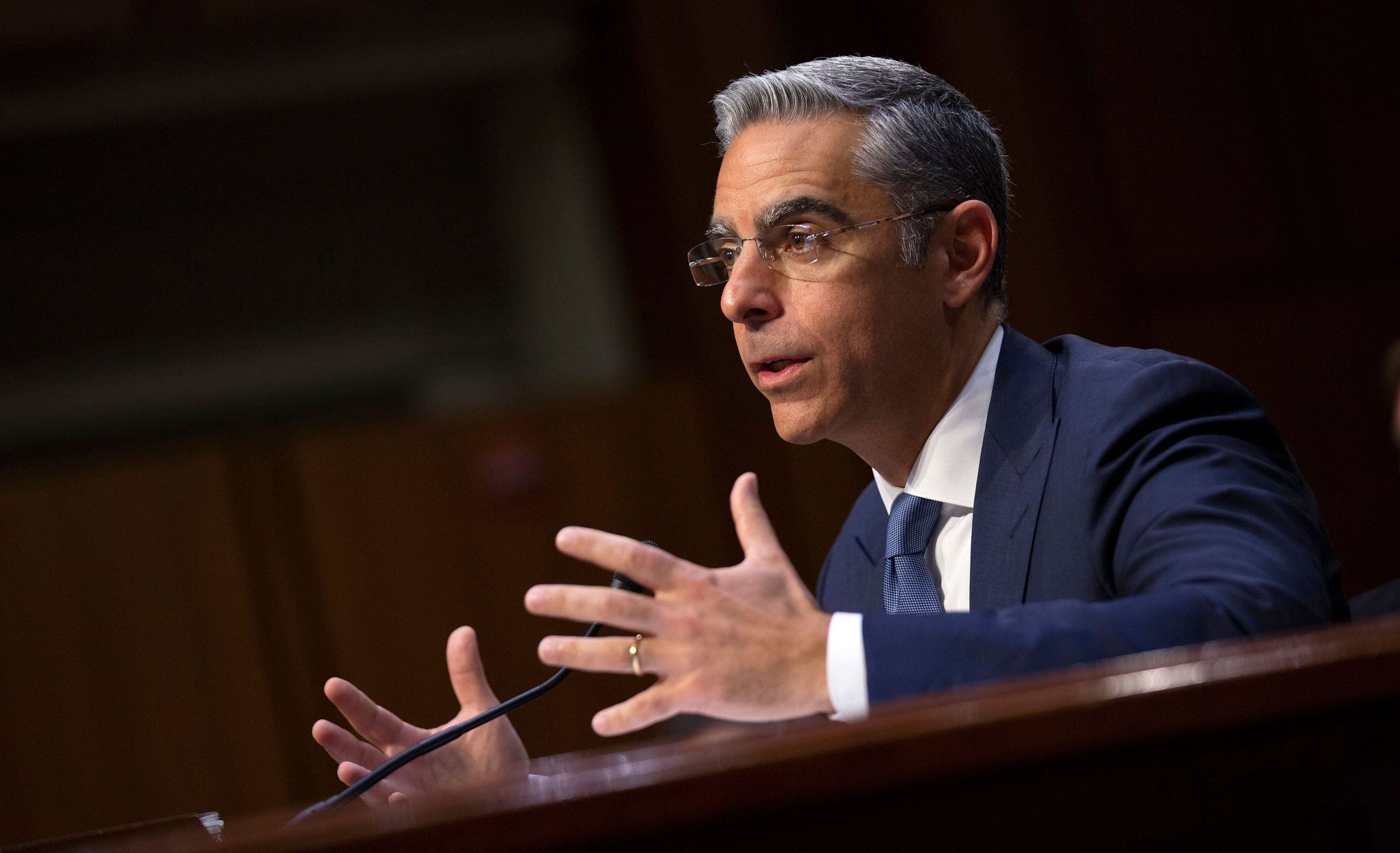
The banking system relies on public trust; unfortunately for Facebook's cryptocurrency ambitions, the social media Goliath doesn't have an abundance of it.
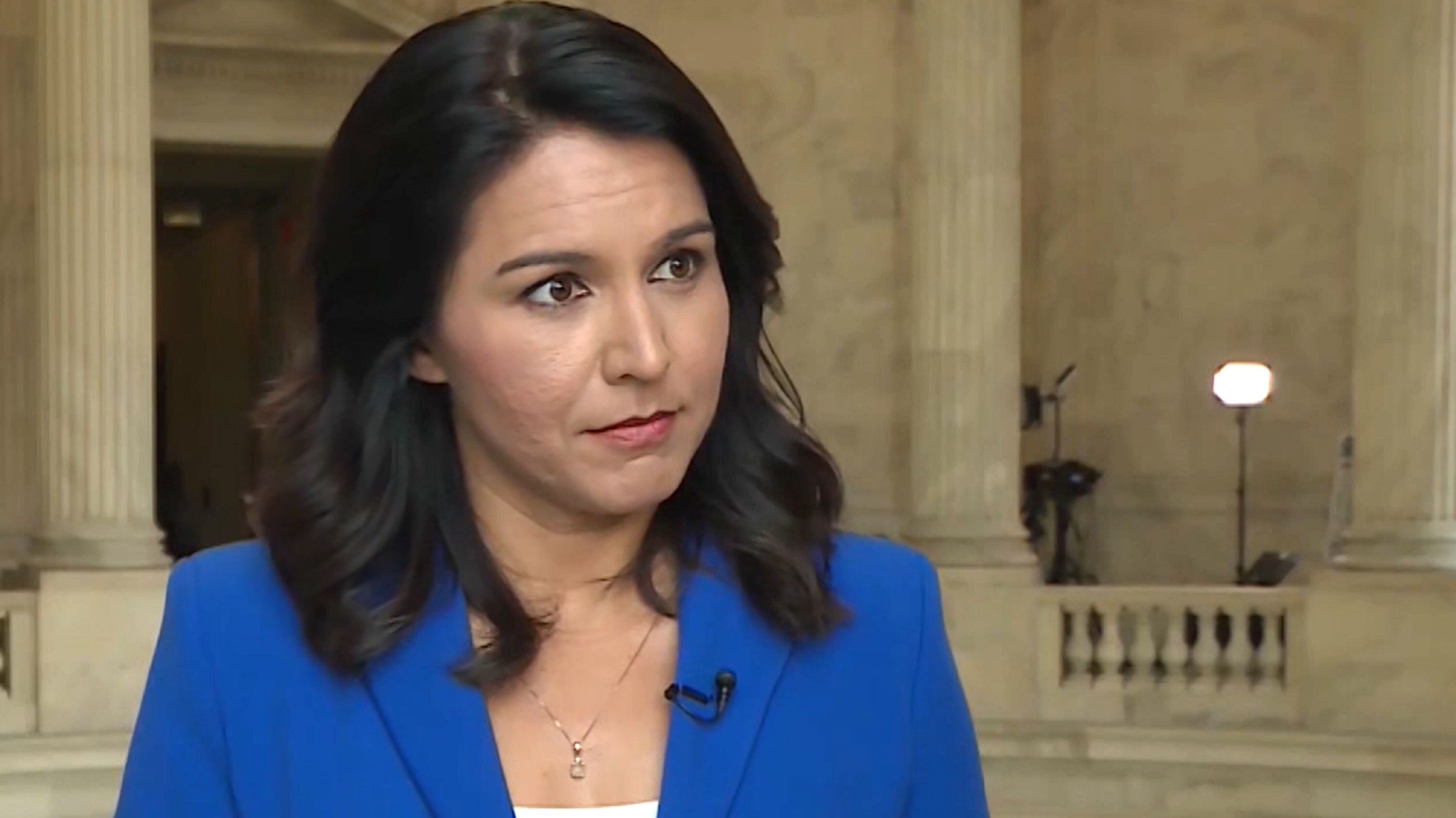
Rep. Tulsi Gabbard (D-Hawaii) adds her own critiques of Facebook's proposed digital currency Libra, and states that it's the responsibility of Congress to potentially break apart tech firms that appear to acquire too much power.
The Republican National Committee and key party leaders have pushed back against condemnation of President Trump's racist tweet he directed at four Democratic Congresswomen of color.
Amid an investigation by Health Canada, CannTrust has halted sales of its cannabis and products. Although CannTrust's regulatory snag does not directly impact U.S. cannabis supply, Cowen analyst Jaret Seiberg said that any turbulence in Canada's nascent industry could be cause for concern for its neighbor to the south.
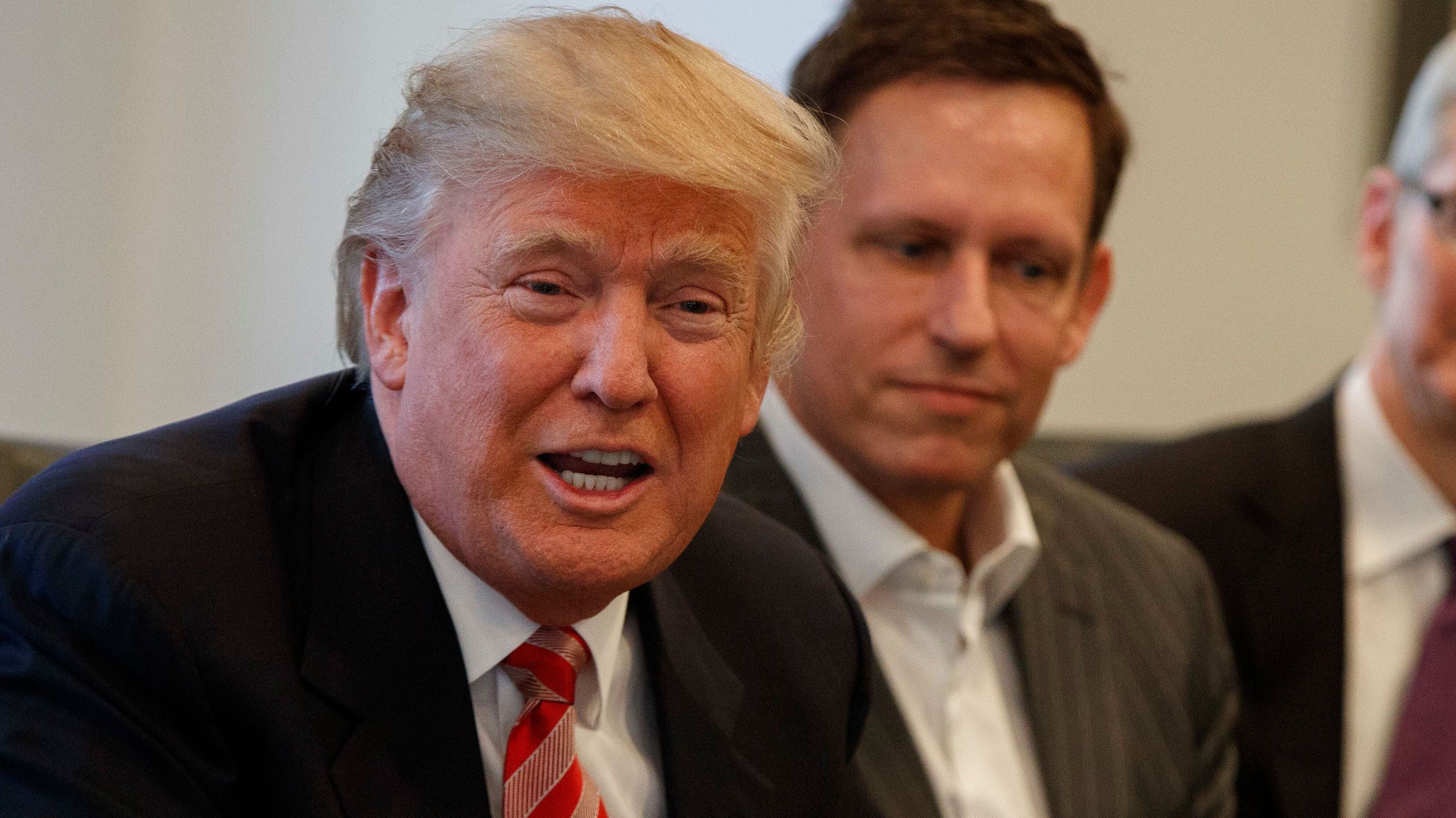
President Donald Trump said the government will investigate Google following an accusation by tech billionaire Peter Thiel that the company is working with China and committing treason.
These are the headlines you Need 2 Know for Tuesday, July 16, 2019.
More Americans are going to college than at any time in history. And more are graduating with a student debt burden that will follow them for years. Cheddar asked every 2020 Democratic candidate how they will handle student debt. Here's what they said.
To boost voter participation, Nevada launches telecaucus to allow people to vote over the phone. Shelby Wiltz, Nevada Dems caucus director, joins Cheddar to talk about the caucus process and voter participation in 2020.