By Fatima Hussein
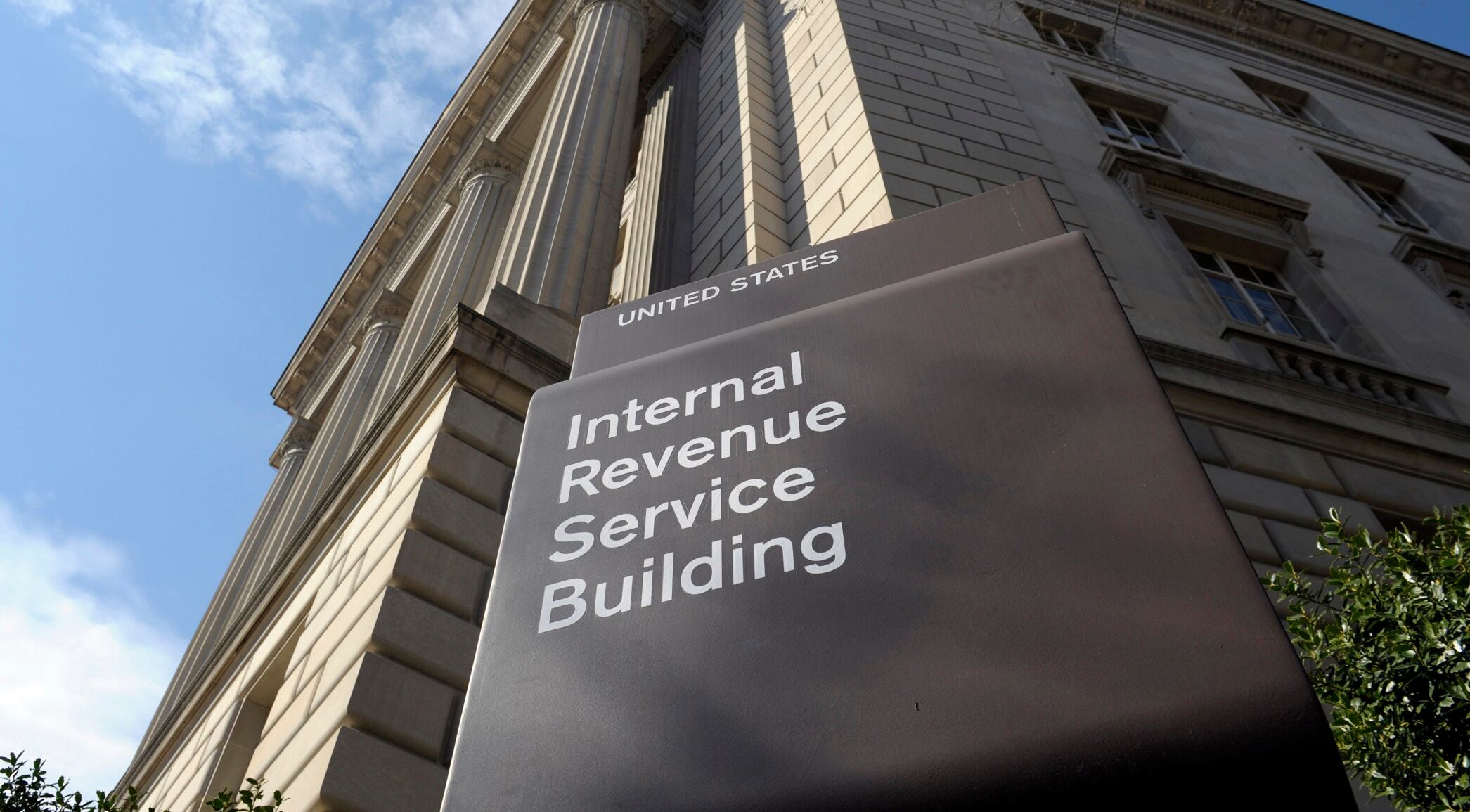
The IRS said Monday it will suspend the use of facial recognition technology to authenticate people who create online accounts after the practice was criticized by privacy advocates and lawmakers.
The agency said it would no longer use a third-party service, called ID.me, for facial recognition. Critics of the software said the database could become a target for cyberthreats. They also expressed concern about how the information could be used by other government agencies, among other concerns.
Earlier Monday, Senate Finance Committee Chair Ron Wyden, D-Ore., called on the agency to end its use of the ID.me software. After the IRS announced the practice would be suspended, Wyden said "the Treasury Department has made the smart decision to direct the IRS to transition away from using the controversial ID.me verification service.”
"No one should be forced to submit to facial recognition to access critical government services,” he added.
The IRS is currently grappling with a worker shortage and an expanded workload from processing tax filings and administering pandemic-related programs. Legislation that would have given the agency billions of dollars to more expeditiously process returns is stalled.
“The IRS takes taxpayer privacy and security seriously, and we understand the concerns that have been raised,” said IRS Commissioner Chuck Rettig.
“Everyone should feel comfortable with how their personal information is secured, and we are quickly pursuing short-term options that do not involve facial recognition.”
The agency said the transition would occur “over the coming weeks in order to prevent larger disruptions to taxpayers during filing season.”
The California Democrat said that supportis growing, pointing to five more members of his party who have come to support impeachment proceedings since Mueller's testimony.
Shares of CannTrust surged 15 percent on Friday after the Canadian cannabis company announced it terminated CEO Peter Aceto in the midst of regulatory drama that has plundered the company's stock value. Jefferies' analyst Ryan Tomkins predicted the management shuffle in a Wednesday note, which called management's positions "untenable."
These are the headlines you Need 2 Know for Friday, July 26, 2019.
Richard Painter, former chief White House ethics lawyer during the George W. Bush administration, says Democrats should still open an impeachment inquiry into the president despite the tepid response to Mueller's testimony.
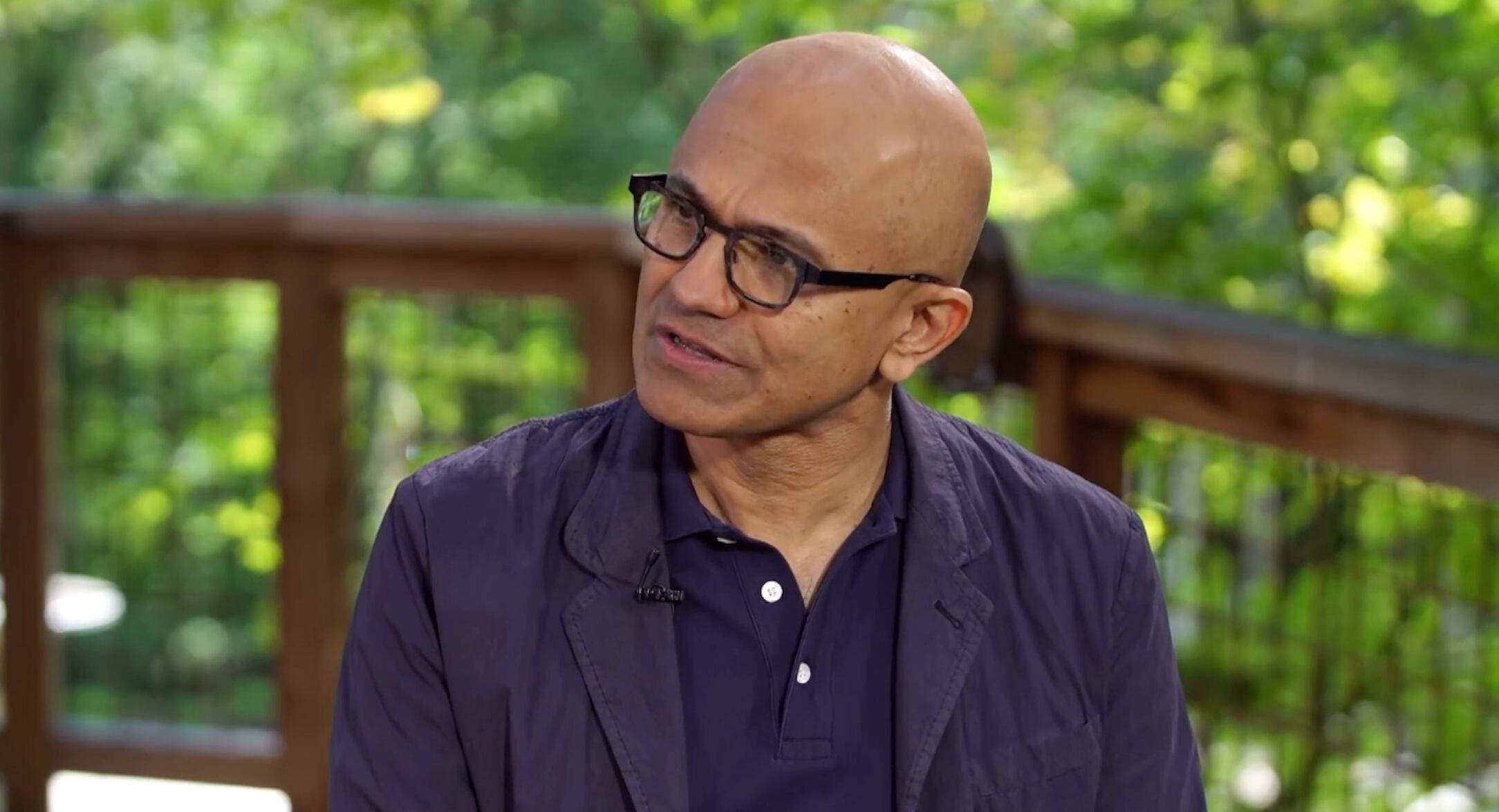
Amid ongoing resistance from employees about Microsoft’s contracts with the U.S. military, CEO Satya Nadella issued a broad defense this week of the company’s work with the U.S government and said America’s democratic process serves as a key check on the deployment of new technology.
These are the headlines you Need 2 Know for Thursday, July 25, 2019.
These are the headlines you Need 2 Know for Wednesday, July 24, 2019.
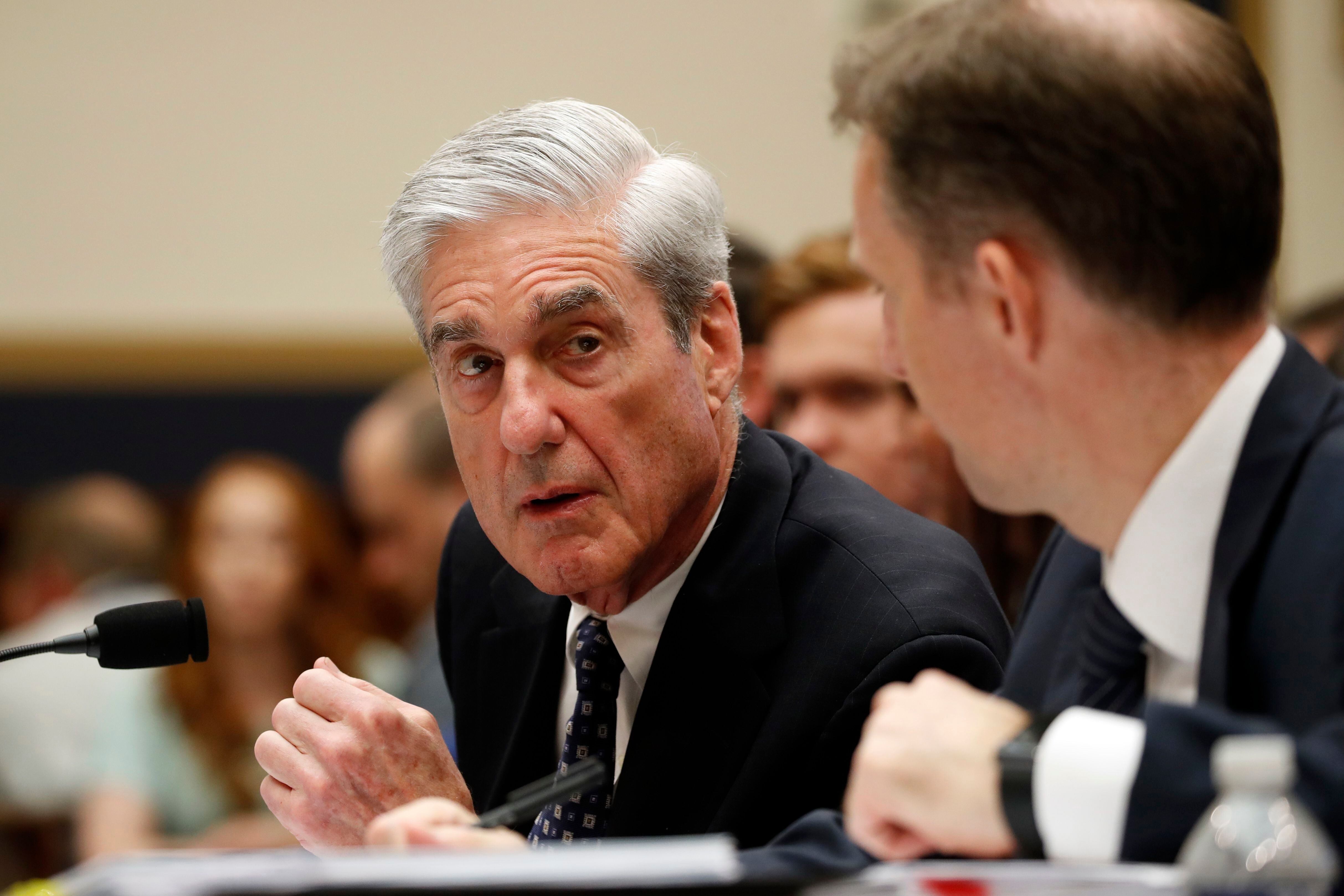
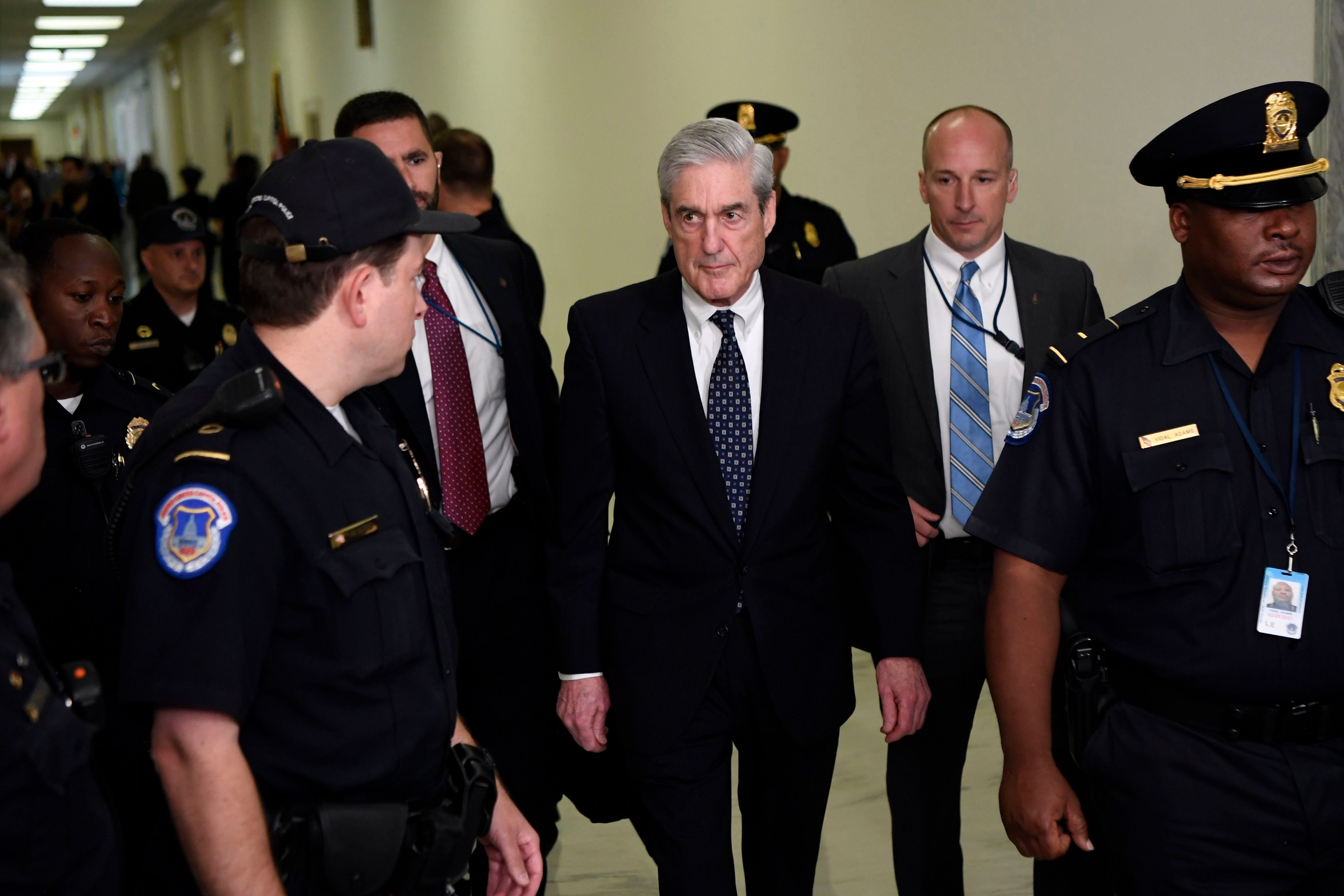
With all eyes on Capitol Hill on Wednesday, former Special Counsel Robert Mueller began his much-anticipated testimony by largely repeating what he outlined in April in his report on Russian interference in the 2016 election, - but stating very clearly that in the investigation, “the president was not exculpated for the acts that he allegedly committed.”
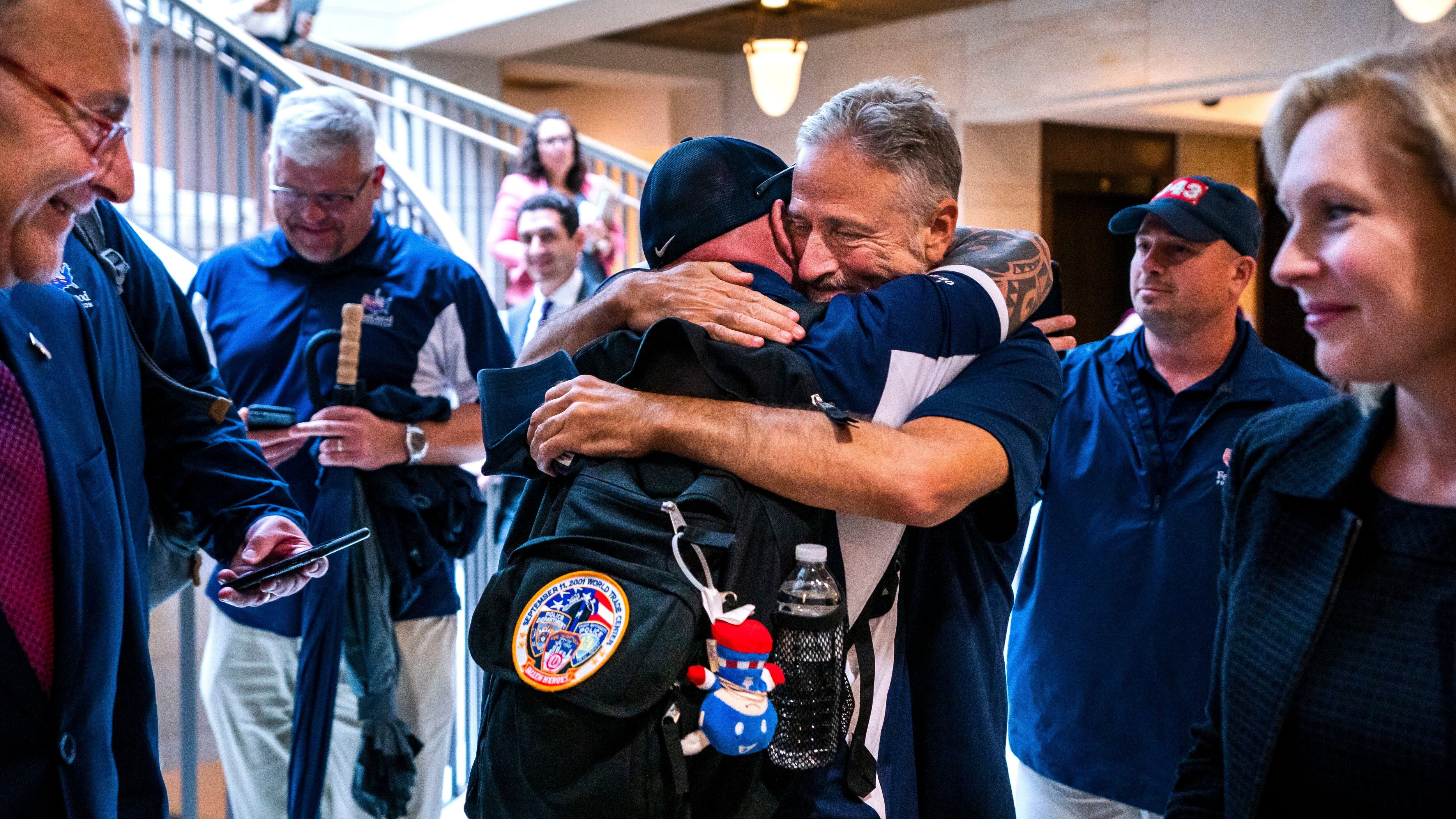
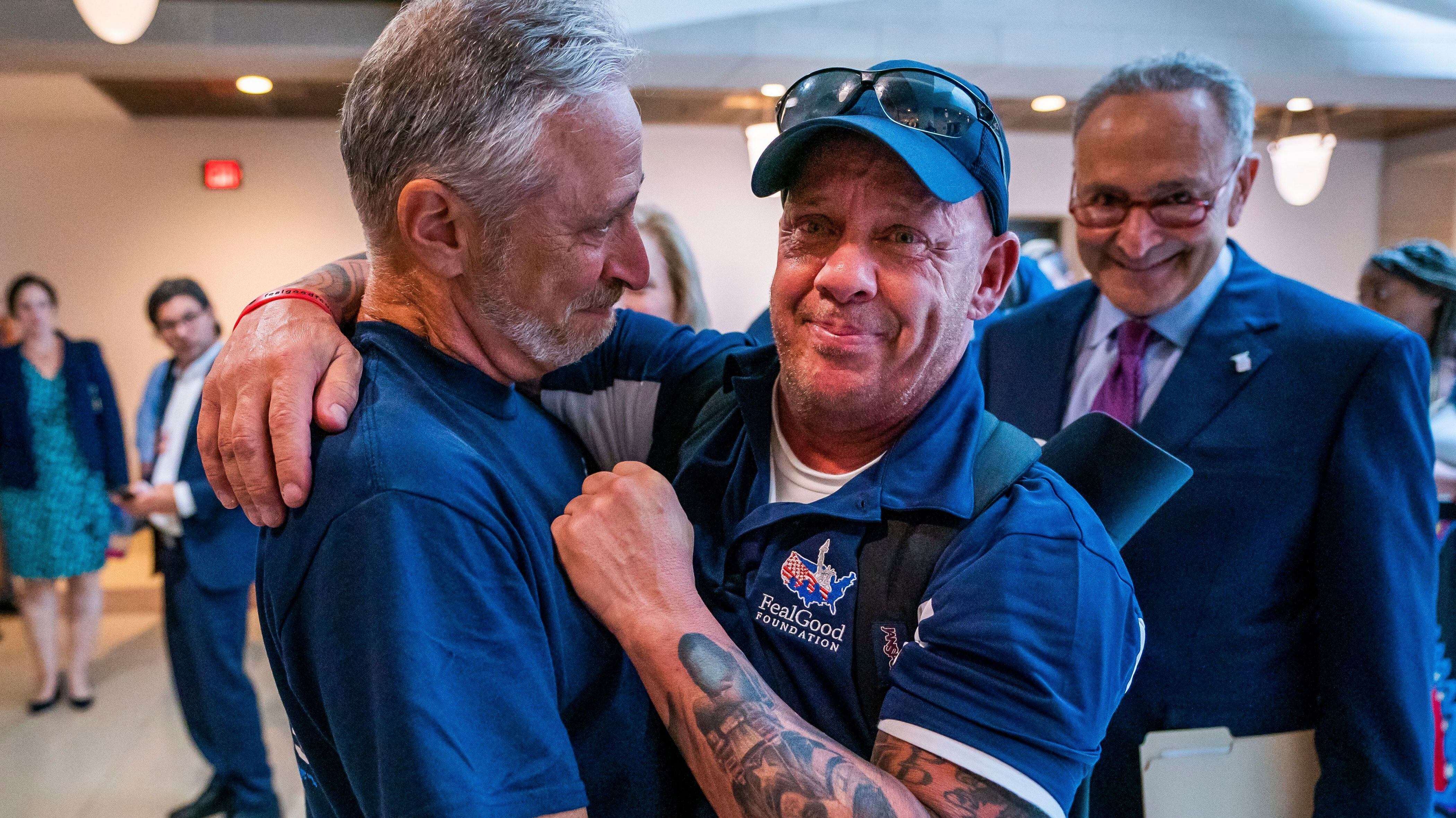
Tuesday’s 97-2 vote in the Senate to extend permanent protections for 9/11 first responders came after many years of activists' visits to Capitol Hill. And minutes after the lopsided vote, responder John Feal made sure to alert lawmakers that his days of tirelessly knocking down their doors are thankfully coming to a close, saying, "We’ll put down our swords."
With a vote of 97-2, the Senate passed a bill Tuesday that will fund the 9/11 Victims Compensation Fund through 2090.