By Fatima Hussein
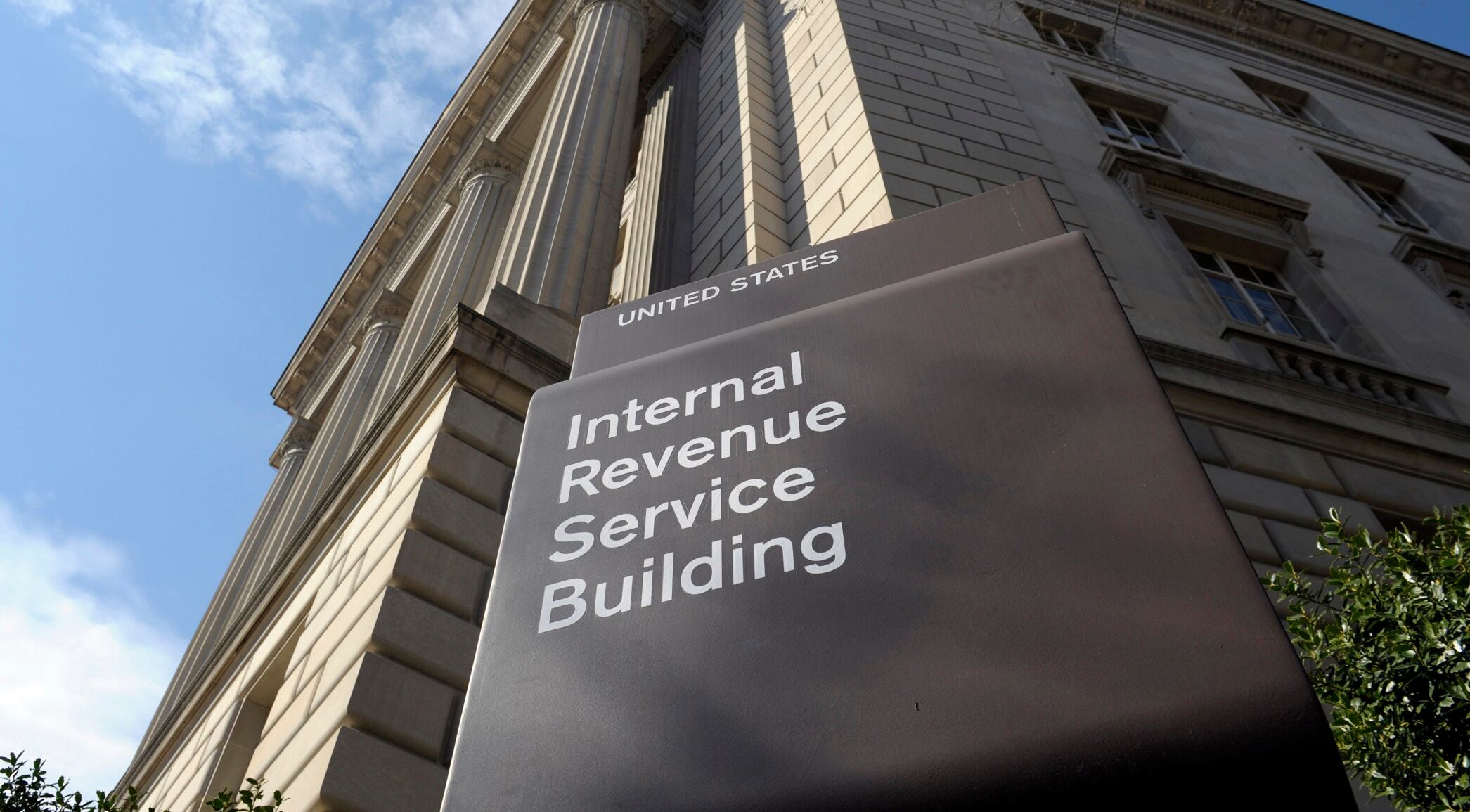
The IRS said Monday it will suspend the use of facial recognition technology to authenticate people who create online accounts after the practice was criticized by privacy advocates and lawmakers.
The agency said it would no longer use a third-party service, called ID.me, for facial recognition. Critics of the software said the database could become a target for cyberthreats. They also expressed concern about how the information could be used by other government agencies, among other concerns.
Earlier Monday, Senate Finance Committee Chair Ron Wyden, D-Ore., called on the agency to end its use of the ID.me software. After the IRS announced the practice would be suspended, Wyden said "the Treasury Department has made the smart decision to direct the IRS to transition away from using the controversial ID.me verification service.”
"No one should be forced to submit to facial recognition to access critical government services,” he added.
The IRS is currently grappling with a worker shortage and an expanded workload from processing tax filings and administering pandemic-related programs. Legislation that would have given the agency billions of dollars to more expeditiously process returns is stalled.
“The IRS takes taxpayer privacy and security seriously, and we understand the concerns that have been raised,” said IRS Commissioner Chuck Rettig.
“Everyone should feel comfortable with how their personal information is secured, and we are quickly pursuing short-term options that do not involve facial recognition.”
The agency said the transition would occur “over the coming weeks in order to prevent larger disruptions to taxpayers during filing season.”
The company has announced that it is donating 5,000 units of the generic version of Plan B for women in need as part of a collaboration with the nonprofit Power to Decide.
2020 Democratic presidential hopefuls are bringing the gun debate to 165th annual Iowa State Fair.
These are the headlines you Need 2 Know for Friday, Aug. 9, 2019.
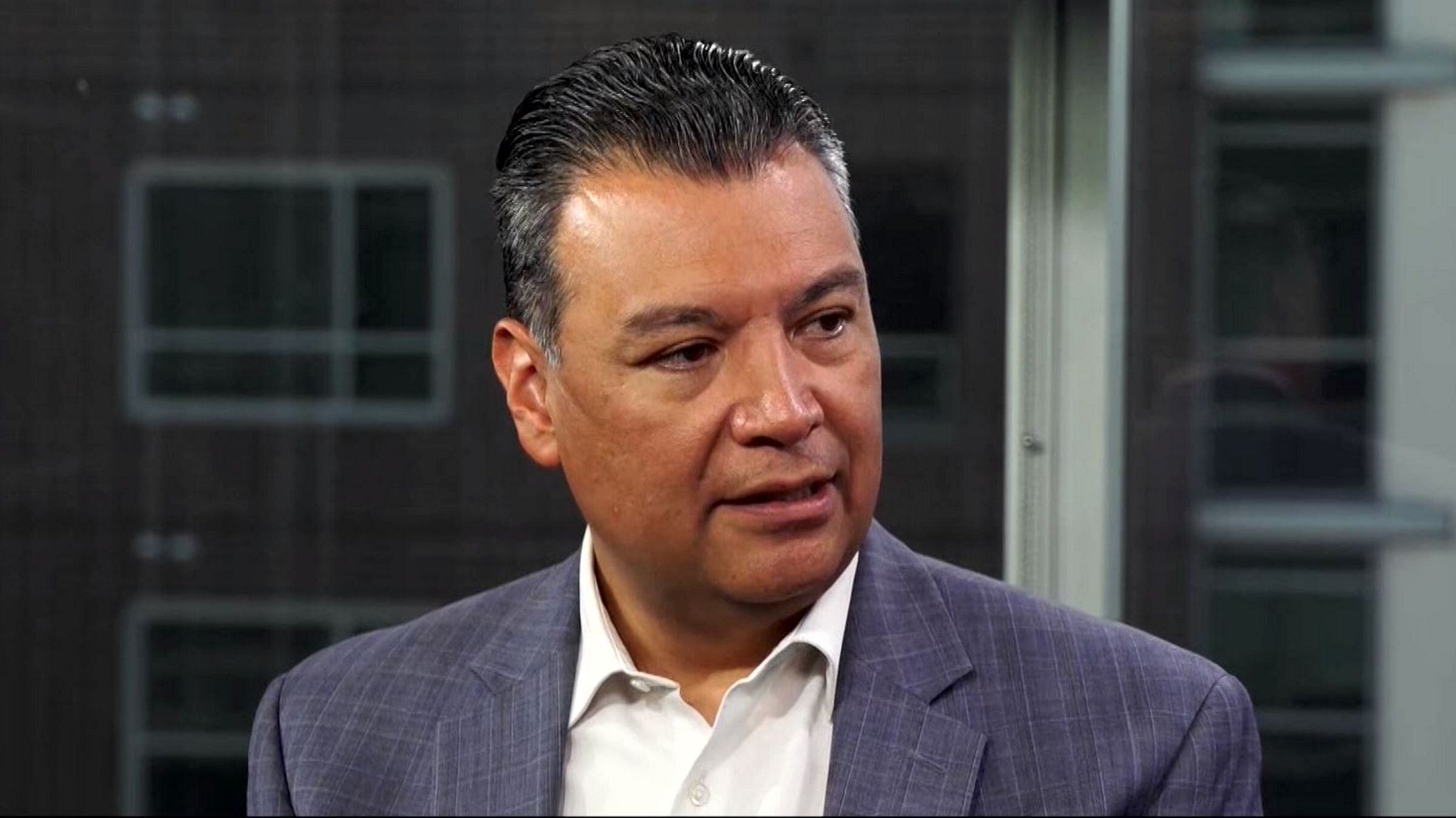
The Golden State's so-called "resistance" strategy, Alex Padilla said, is rooted in a three-pronged approach: legislation, legal challenges, and civil society organization.
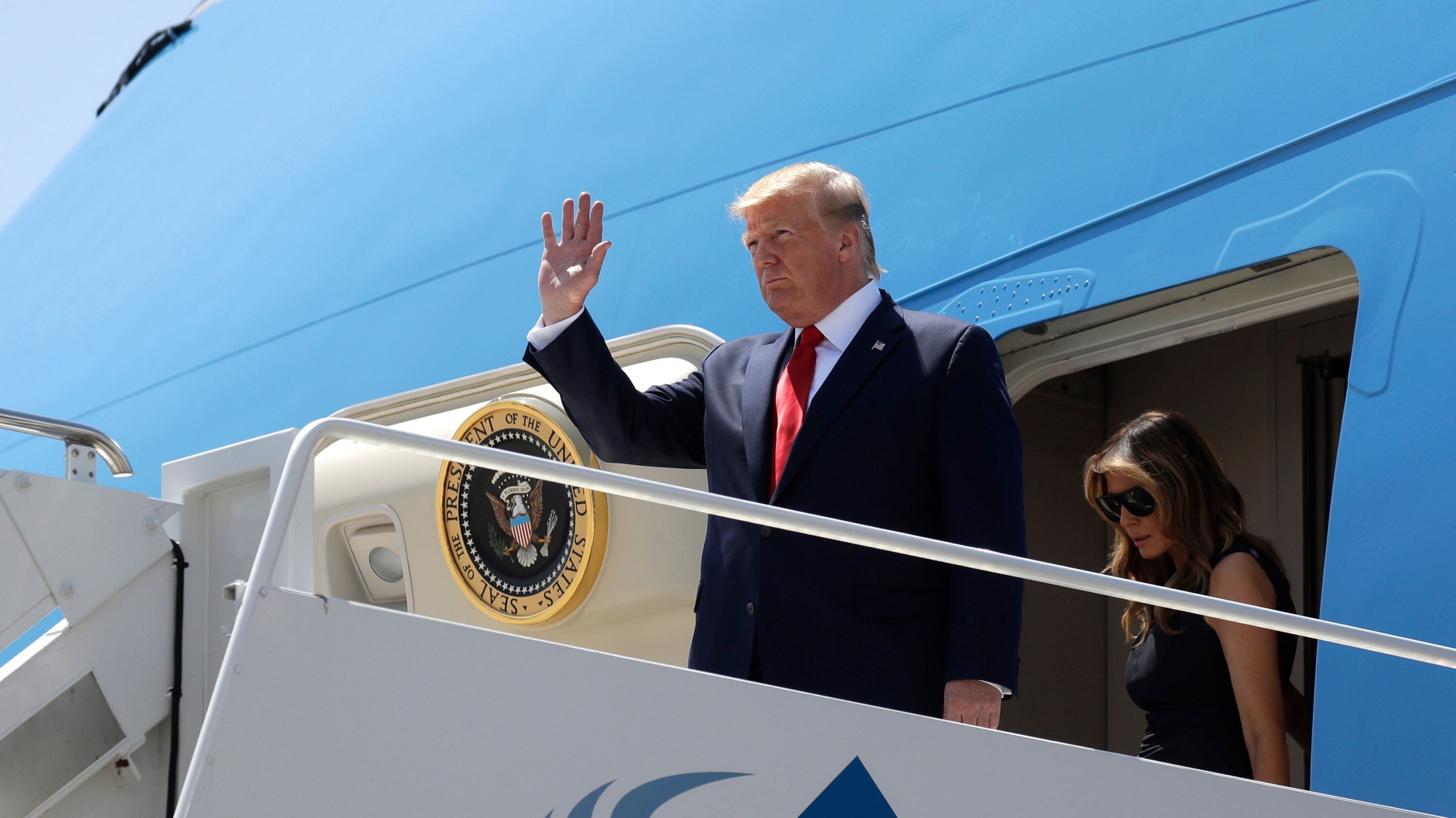
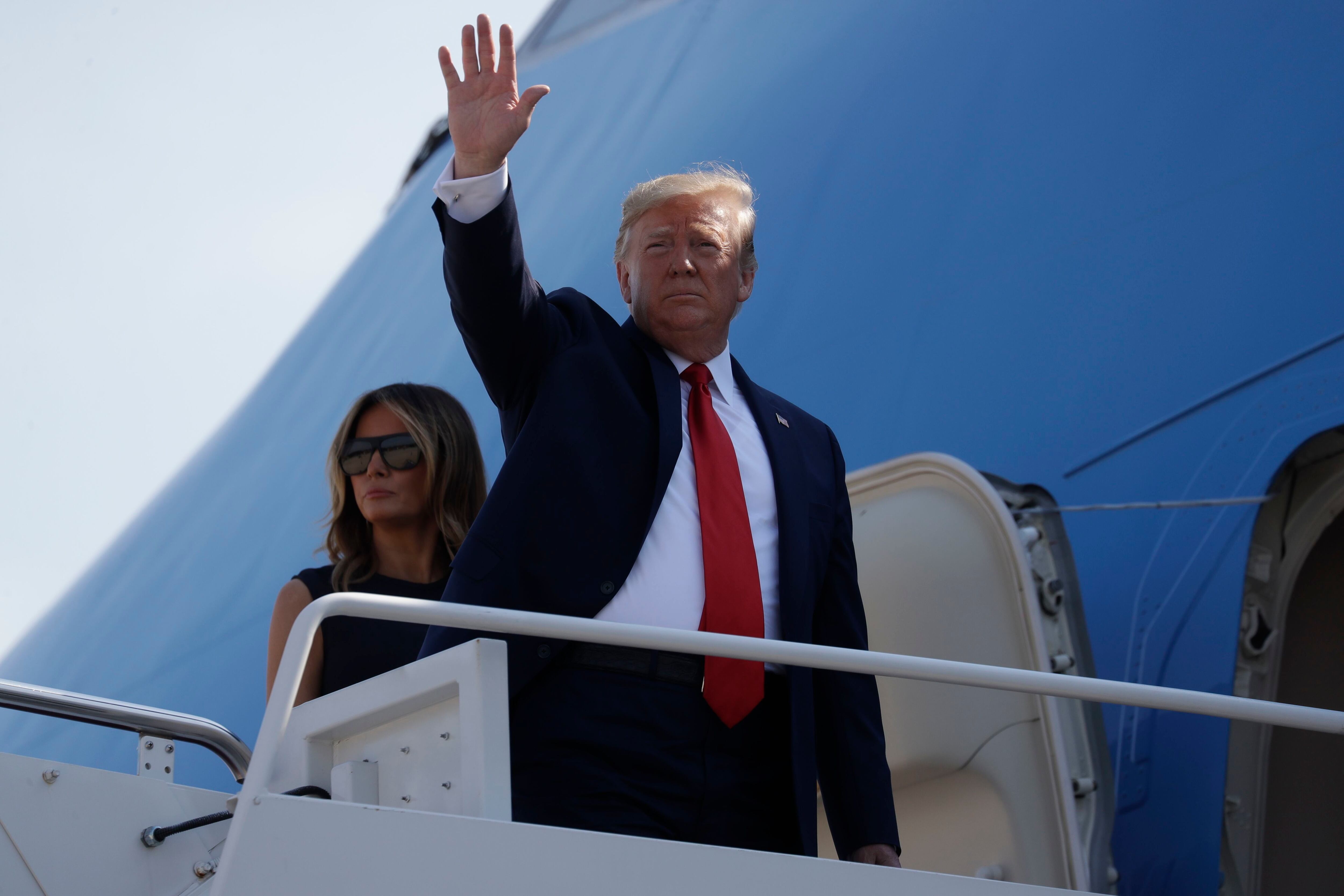
President Trump traveled to El Paso, Texas and Dayton, Ohio on Wednesday, two cities grieving after separate mass shootings killed at least 31 people over the weekend. The president, however, was greeted with large protests in both cities as residents and lawmakers expressed their anger over Trump’s divisive leadership and refusal to support stricter gun control measures.
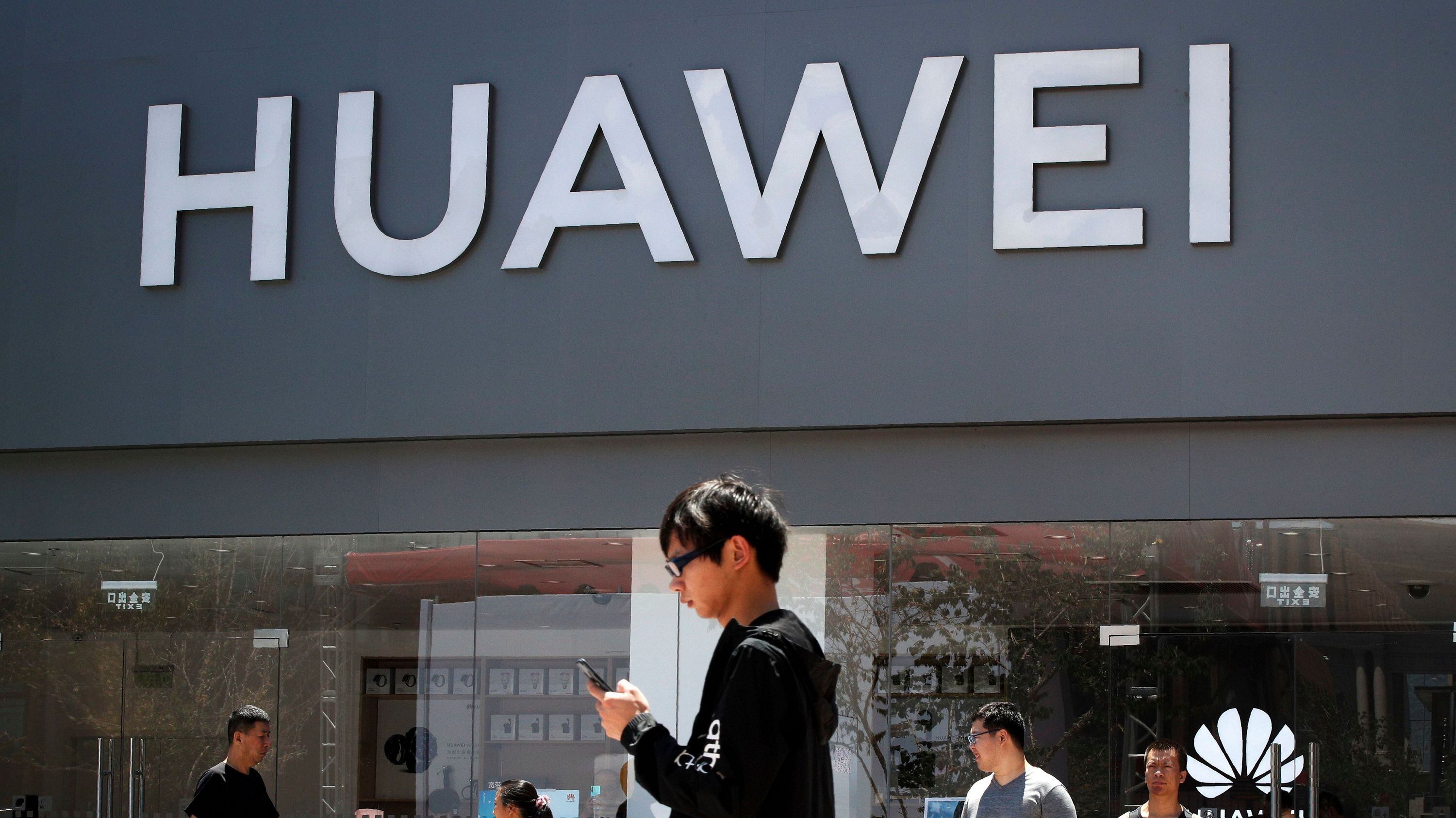
The rule would be the latest move by the White House against Huawei. The Chinese tech giant was deemed to be a threat to U.S. national security in May and has since been a central component of the ongoing trade dispute between the U.S. and China.
China has historically been one of U.S. farmers' largest buyers, making the sector a prime target for Beijing's retaliatory tariffs.
On this episode of 'Your Cheddar': how one entrepreneur leverages technology to build her brand and monetize her expertise, and the CEO and co-founder of Pillar joins the show to discuss how his platform helps others manage their student loan debt. Cheddar also hits the streets to ask New Yorkers how they would decide between easy money and spending quality time with their favorite celebrities.
President Trump is scheduled on Wednesday to visit El Paso, Texas and Dayton, Ohio, two cities still grieving after separate mass shootings killed at least 31 people over the weekend. The president’s visits, however, have created an atmosphere of angst and unease.
President Trump and the Republican party filed multiple lawsuits on Tuesday to block California’s recently implemented law that requires presidential hopefuls to release their tax returns in order to appear on the state’s primary ballot.