By Fatima Hussein
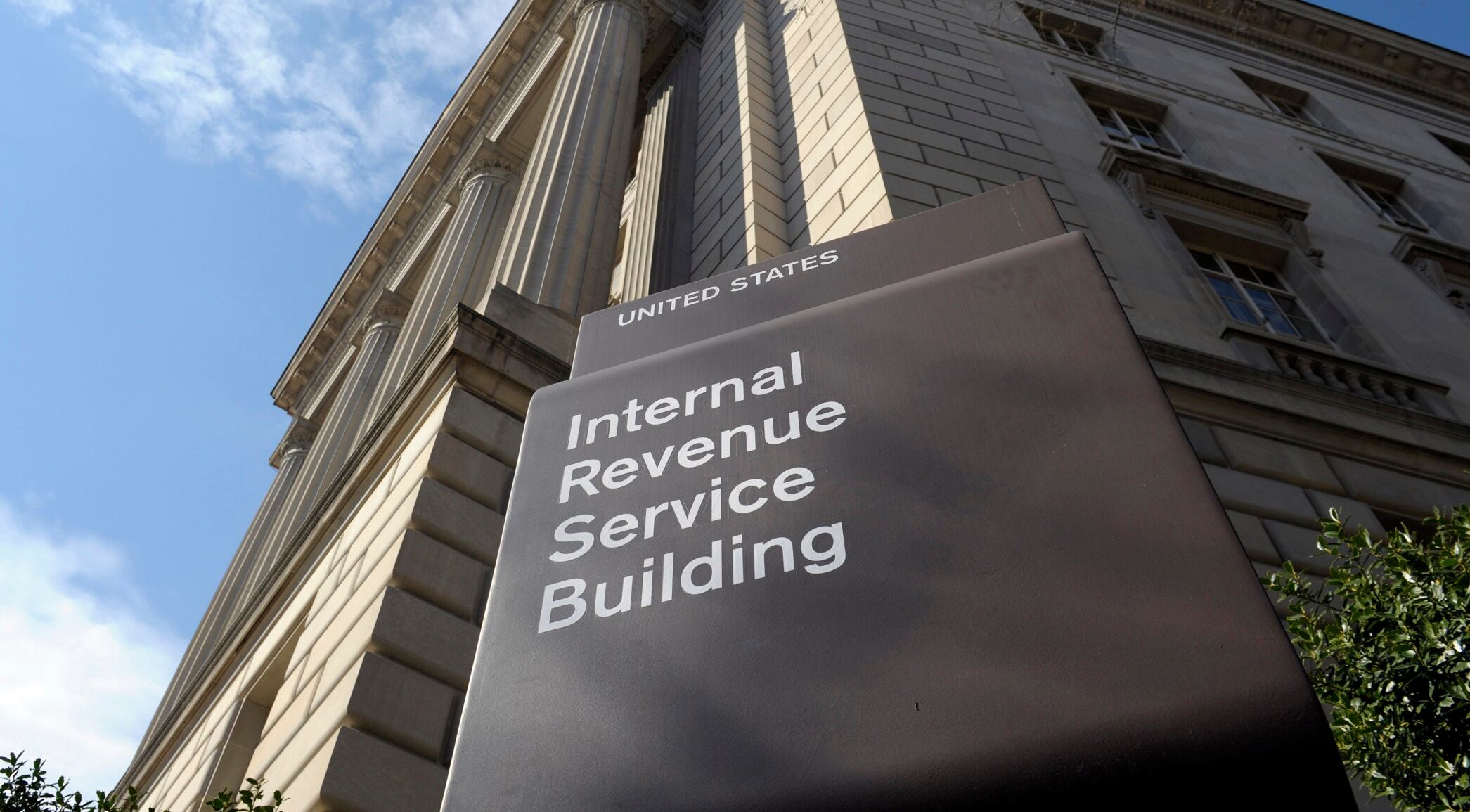
The IRS said Monday it will suspend the use of facial recognition technology to authenticate people who create online accounts after the practice was criticized by privacy advocates and lawmakers.
The agency said it would no longer use a third-party service, called ID.me, for facial recognition. Critics of the software said the database could become a target for cyberthreats. They also expressed concern about how the information could be used by other government agencies, among other concerns.
Earlier Monday, Senate Finance Committee Chair Ron Wyden, D-Ore., called on the agency to end its use of the ID.me software. After the IRS announced the practice would be suspended, Wyden said "the Treasury Department has made the smart decision to direct the IRS to transition away from using the controversial ID.me verification service.”
"No one should be forced to submit to facial recognition to access critical government services,” he added.
The IRS is currently grappling with a worker shortage and an expanded workload from processing tax filings and administering pandemic-related programs. Legislation that would have given the agency billions of dollars to more expeditiously process returns is stalled.
“The IRS takes taxpayer privacy and security seriously, and we understand the concerns that have been raised,” said IRS Commissioner Chuck Rettig.
“Everyone should feel comfortable with how their personal information is secured, and we are quickly pursuing short-term options that do not involve facial recognition.”
The agency said the transition would occur “over the coming weeks in order to prevent larger disruptions to taxpayers during filing season.”
An unofficial coalition of far-right extremist groups are set to descend on Portland, Oregon this weekend and the city’s mayor has a clear message for them: you are not welcome.
J.D. Durkin made his way to an Iowan raceway and watering hole as the Hawkeye State hosts the many candidates vying for the primary election.
The Trump administration significantly weakened the Endangered Species Act (ESA) this week, largely gutting its implementation mechanisms to allow for greater economic development in protected habitats. The decision — announced by the U.S. Secretary of the Interior on Monday — was widely condemned by critics who say the revised regulations will hurt biodiversity and wildlife at a most precarious time.
Argentina’s stock market and currency value plummeted this week following a shocking electoral defeat on Sunday for President Mauricio Macri, the nation’s conservative leader.
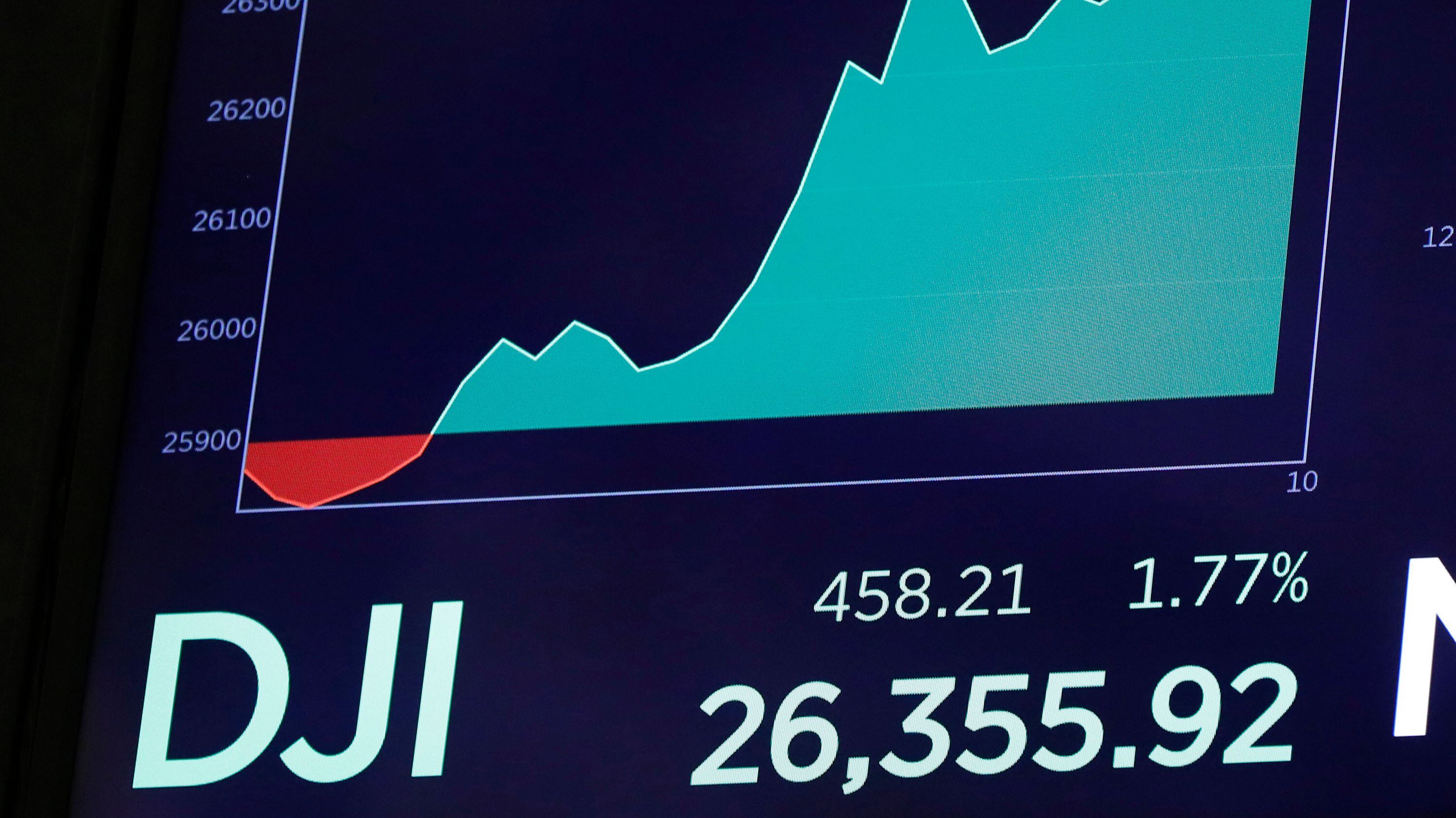
Markets soared Tuesday morning following the Trump administration's decision to delay and revise its latest round of punitive tariffs against China. The Dow jumped over 400 points while the S&P 500 and the Nasdaq Composite both rose roughly 2 percent.
The Iowa caucus is still six months away but Democrats are not wasting any time in their effort to return the state to their side of the aisle. Yet the confidence is equally strong within the Republican party.
VineSight, an AI-based start-up, is working to detect misinformation attacks against candidates like Joe Biden or Kamala Harris early during their campaigns.
These are the headlines you Need 2 Know for Monday, Aug. 12, 2019.
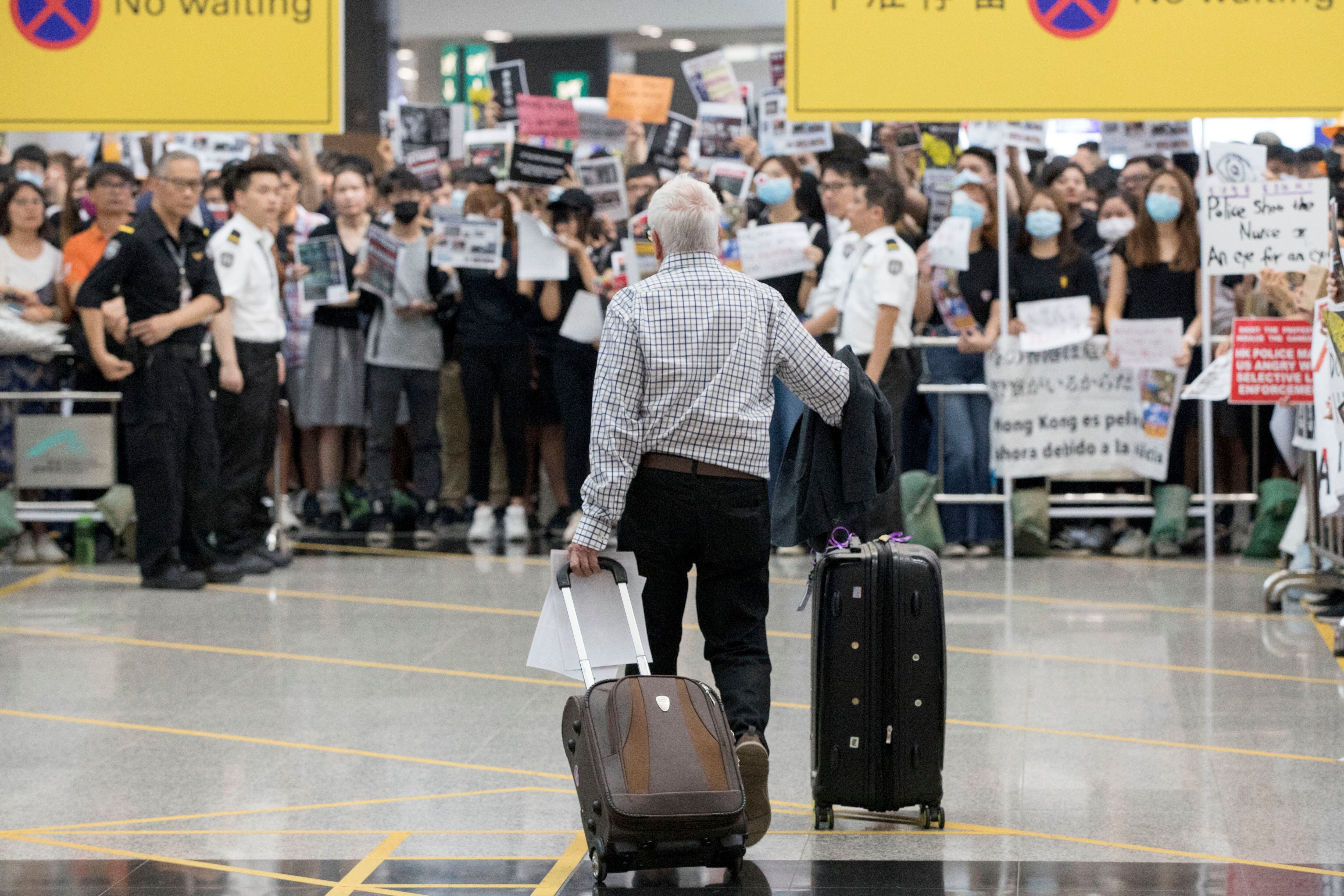
Hong Kong International Airport came to crippling halt on Monday with thousands of anti-government protesters occupying the airport’s main terminals. Authorities said operations have “been seriously disrupted” and cancelled all flights in and out of the major international hub.
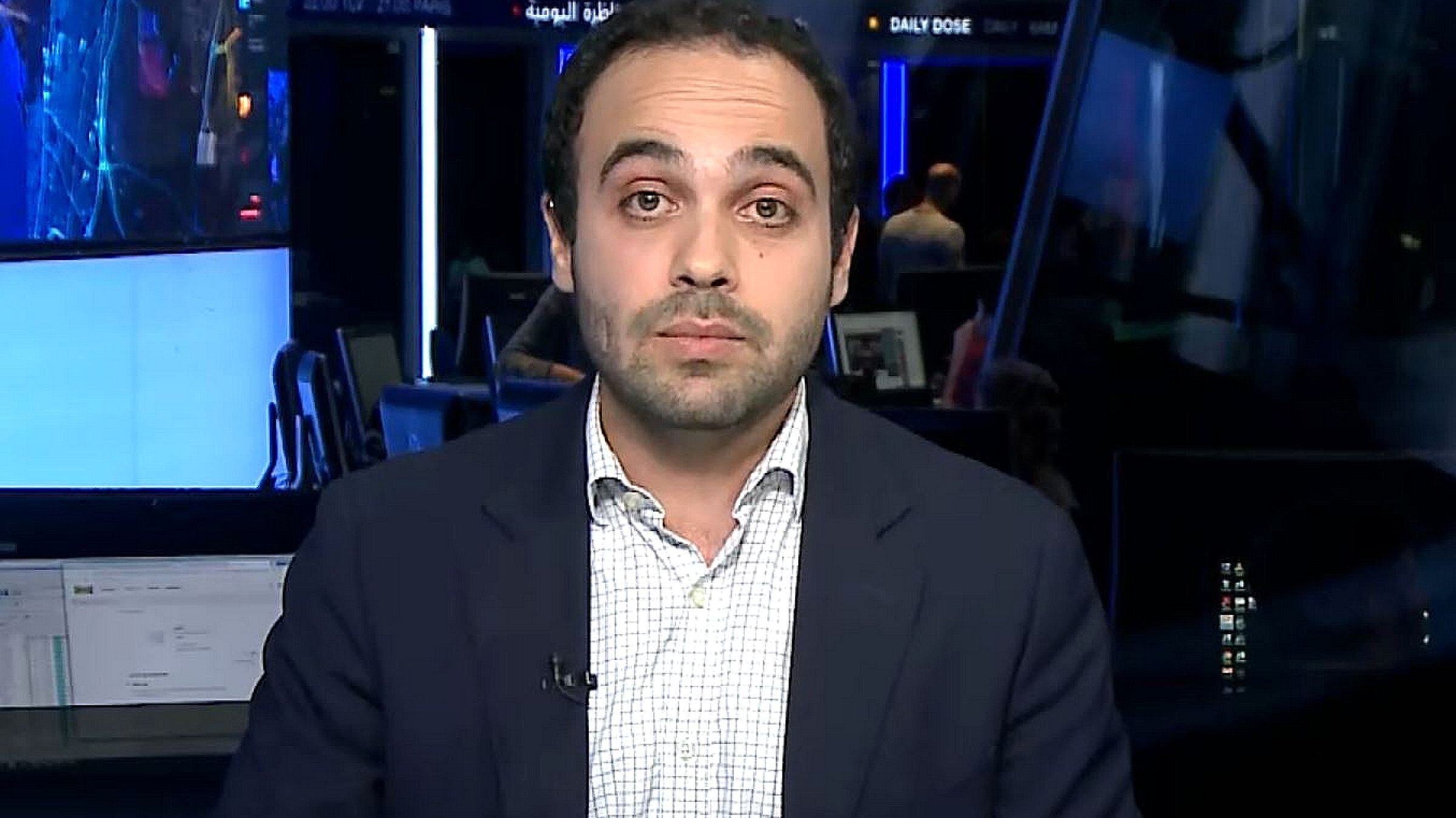
Michael Sonnenshein, managing director of Grayscale, told Cheddar that recent developments in the U.S.-China trade war are proving to be evidence that Bitcoin has emerged as a safe-haven asset.