By Fatima Hussein
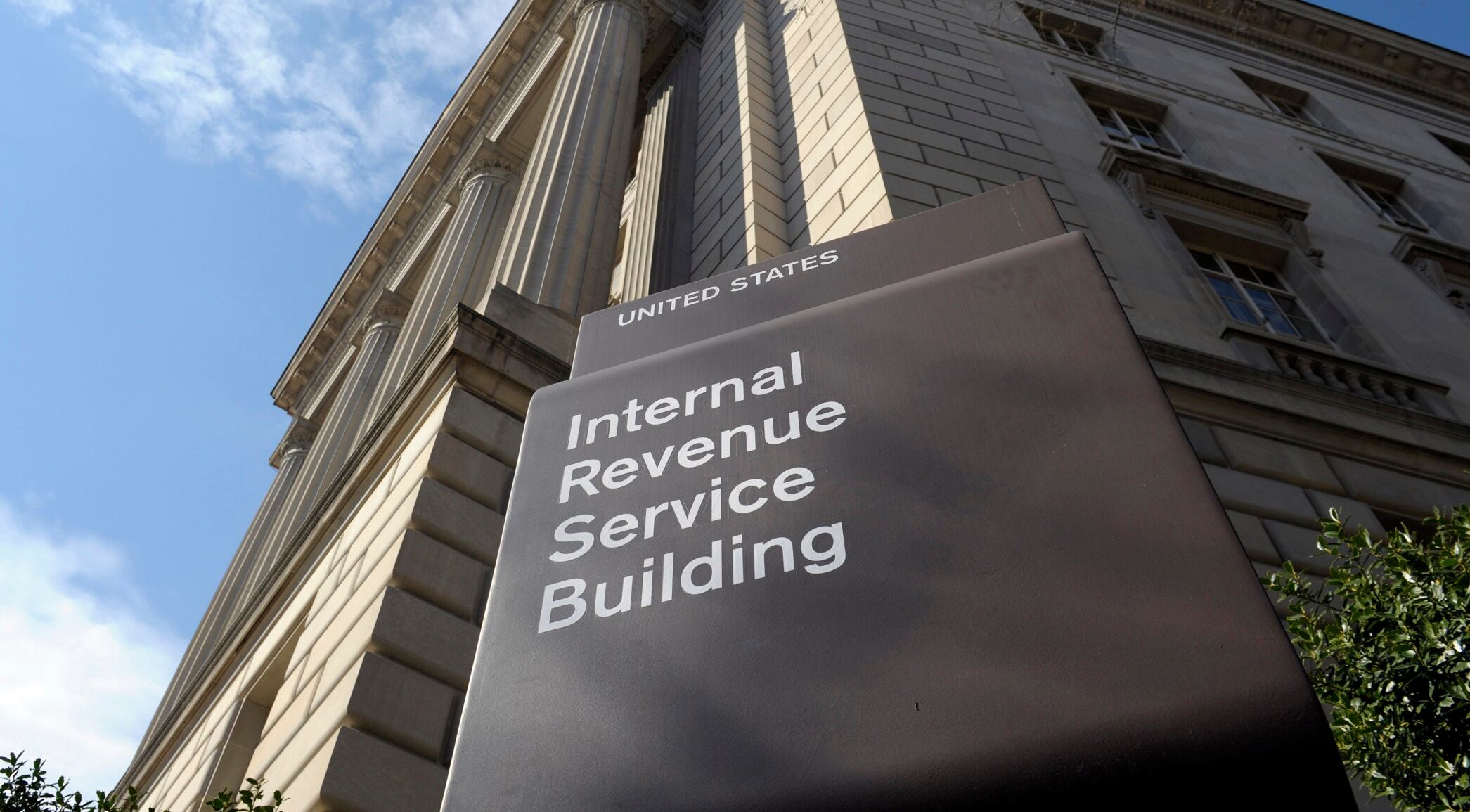
The IRS said Monday it will suspend the use of facial recognition technology to authenticate people who create online accounts after the practice was criticized by privacy advocates and lawmakers.
The agency said it would no longer use a third-party service, called ID.me, for facial recognition. Critics of the software said the database could become a target for cyberthreats. They also expressed concern about how the information could be used by other government agencies, among other concerns.
Earlier Monday, Senate Finance Committee Chair Ron Wyden, D-Ore., called on the agency to end its use of the ID.me software. After the IRS announced the practice would be suspended, Wyden said "the Treasury Department has made the smart decision to direct the IRS to transition away from using the controversial ID.me verification service.”
"No one should be forced to submit to facial recognition to access critical government services,” he added.
The IRS is currently grappling with a worker shortage and an expanded workload from processing tax filings and administering pandemic-related programs. Legislation that would have given the agency billions of dollars to more expeditiously process returns is stalled.
“The IRS takes taxpayer privacy and security seriously, and we understand the concerns that have been raised,” said IRS Commissioner Chuck Rettig.
“Everyone should feel comfortable with how their personal information is secured, and we are quickly pursuing short-term options that do not involve facial recognition.”
The agency said the transition would occur “over the coming weeks in order to prevent larger disruptions to taxpayers during filing season.”
The potential new train service is part of a long-term plan to vastly expand the types of travel – and range of ticket prices – that the state and federally funded, privately run passenger rail company provides.
These are the headlines you Need 2 Know for Friday, November 8, 2019.
In the plan called "A Welcoming and Safe America for All," Sanders said he will use executive action if Congress does not enact the "commonsense immigration reforms supported by the vast majority of Americans."
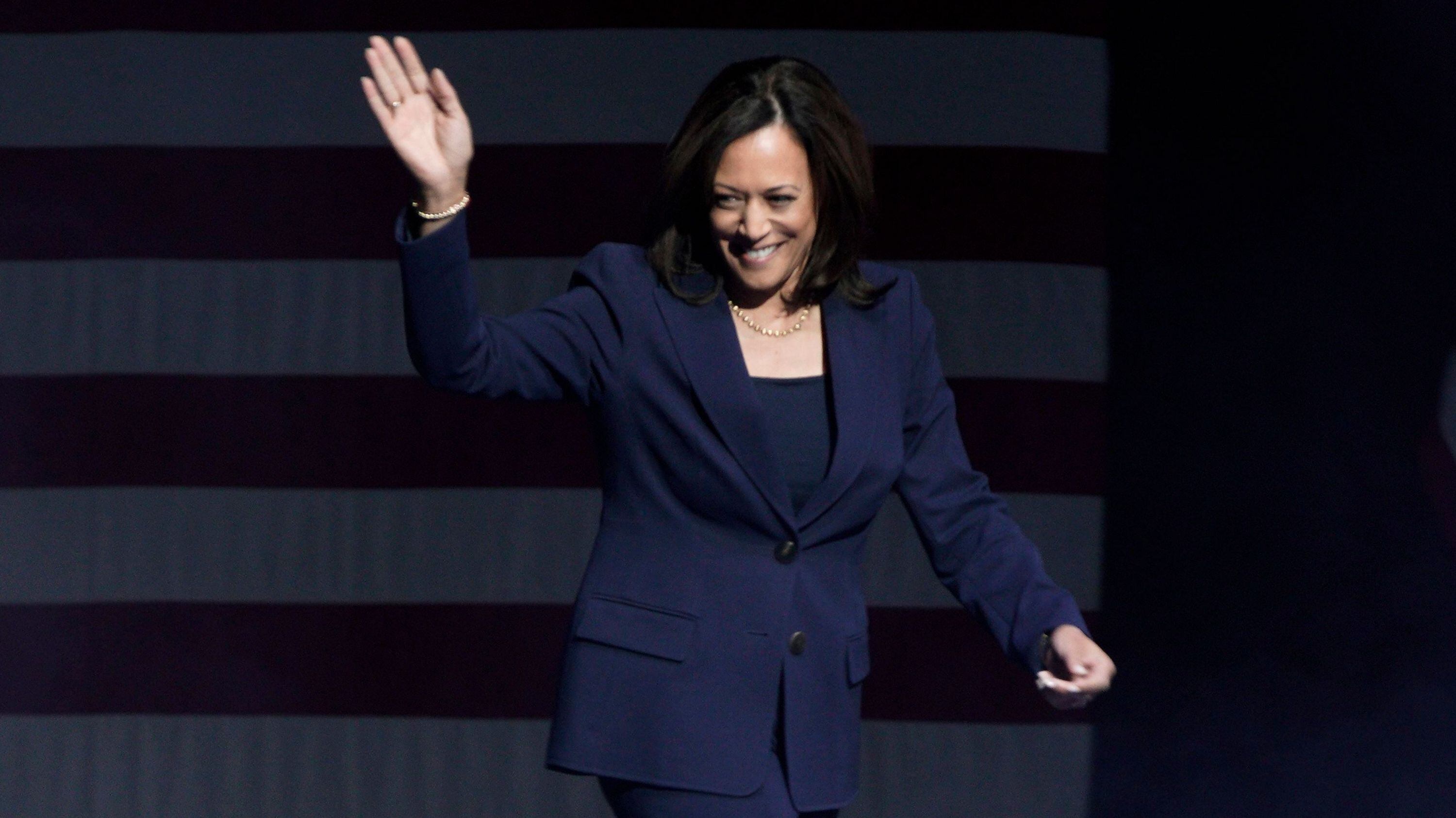
The Family Friendly Schools Act introduced by Sen. Harris (D-Calif.) would create a pilot program to provide schools the resources needed to stay open until 6 p.m. and provide additional care on many days that schools are otherwise closed.
The ordinance, which passed with roughly 70 percent of votes, puts limitations on the number of short-term rental units in residential buildings and mandates safety inspections and an array of other compliance measures.
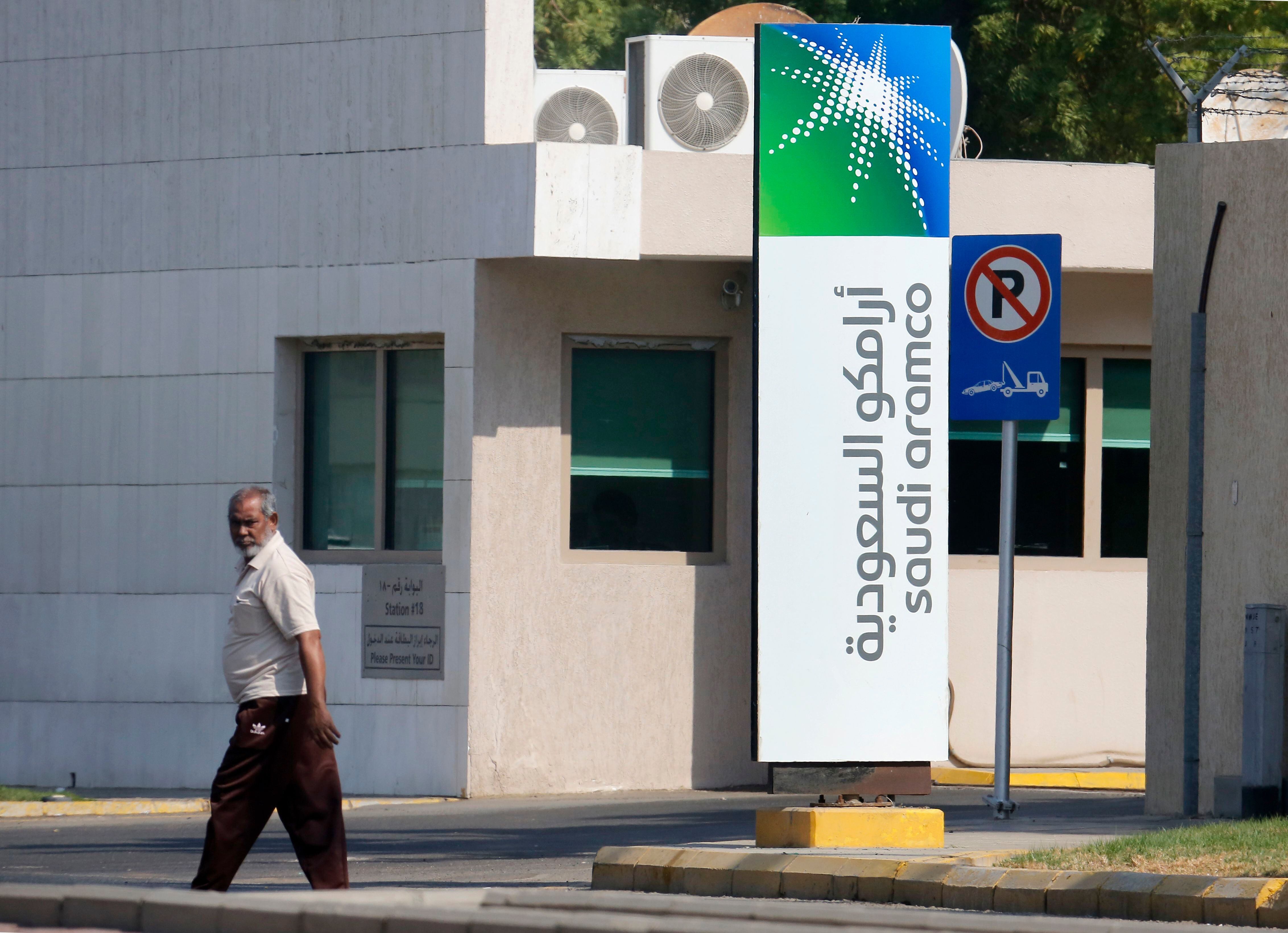
While estimates vary, the IPO is expected to value Saudi Aramco at roughly $1.5 trillion, making it the most profitable company in the world. Shares are expected to begin trading on the Tadawul, the stock exchange in Riyadh, in the coming months.
These are the headlines you Need 2 Know for Monday, November 4, 2019.
From Wall Street to Silicon Valley, these are the top stories that moved markets and had investors, business leaders, and entrepreneurs talking this week on Cheddar.
In its monthly jobs report released Friday, the Bureau of Labor Statistics (BLS) also reported that unemployment last month remained largely unchanged at 3.6 percent or 5.9 million people.
The leaders of both nations were set to ink the so-called "phase one" trade agreement at the Asia-Pacific Economic Cooperation (APEC) summit in Chile next month. However, the summit was canceled due to civil unrest in Santiago, Chile's capital.