By Fatima Hussein
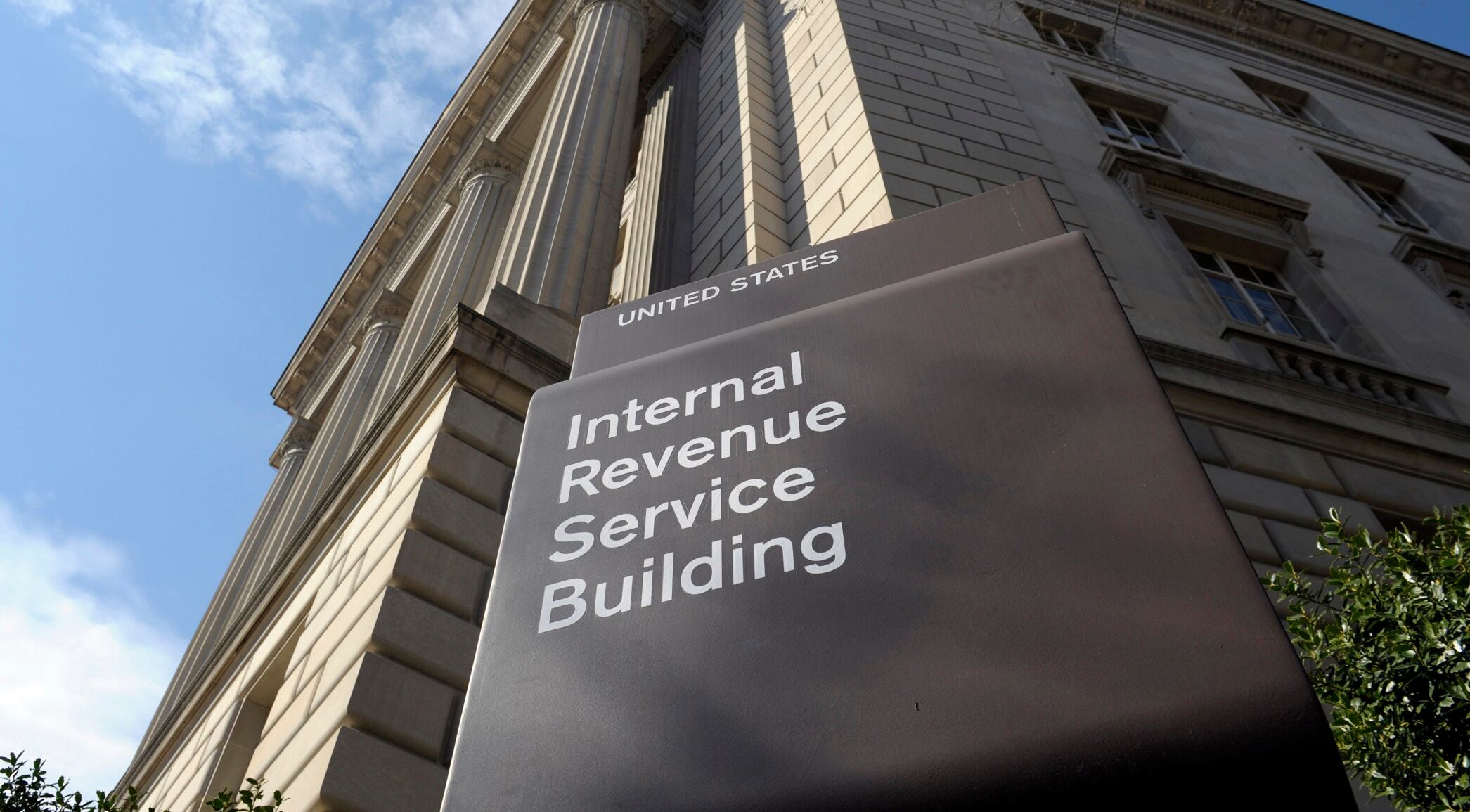
The IRS said Monday it will suspend the use of facial recognition technology to authenticate people who create online accounts after the practice was criticized by privacy advocates and lawmakers.
The agency said it would no longer use a third-party service, called ID.me, for facial recognition. Critics of the software said the database could become a target for cyberthreats. They also expressed concern about how the information could be used by other government agencies, among other concerns.
Earlier Monday, Senate Finance Committee Chair Ron Wyden, D-Ore., called on the agency to end its use of the ID.me software. After the IRS announced the practice would be suspended, Wyden said "the Treasury Department has made the smart decision to direct the IRS to transition away from using the controversial ID.me verification service.”
"No one should be forced to submit to facial recognition to access critical government services,” he added.
The IRS is currently grappling with a worker shortage and an expanded workload from processing tax filings and administering pandemic-related programs. Legislation that would have given the agency billions of dollars to more expeditiously process returns is stalled.
“The IRS takes taxpayer privacy and security seriously, and we understand the concerns that have been raised,” said IRS Commissioner Chuck Rettig.
“Everyone should feel comfortable with how their personal information is secured, and we are quickly pursuing short-term options that do not involve facial recognition.”
The agency said the transition would occur “over the coming weeks in order to prevent larger disruptions to taxpayers during filing season.”
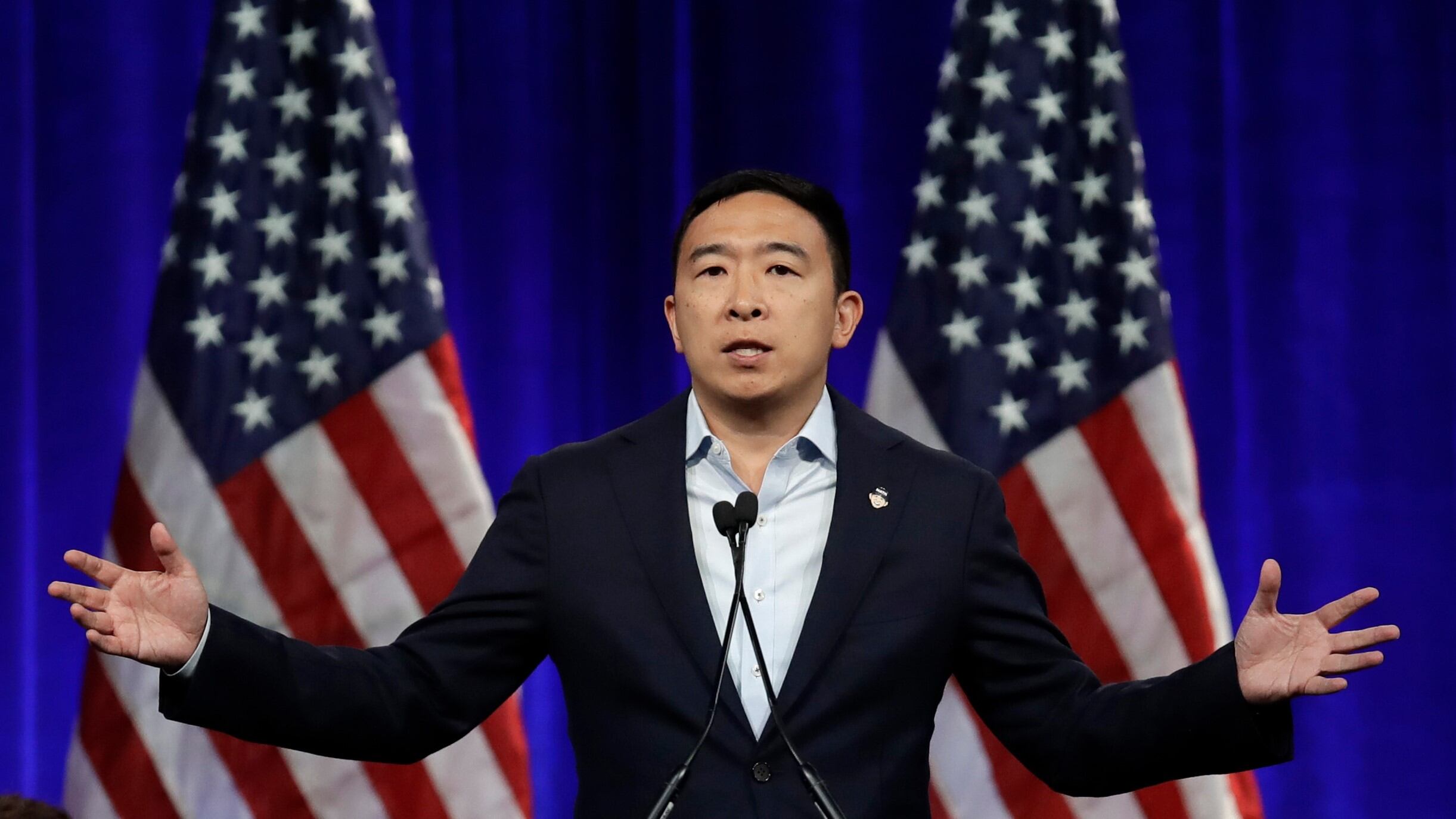
Andrew Yang wants the U.S. to create useful rules for cryptocurrency businesses and projects now, rather than playing catch-up after another jurisdiction has already done it. He recently layed out his vision for a national framework on cryptocurrencies.
The social media company is worried its Chinese roots could get in the way of growth opportunities and is now considering ideas like moving operations to Singapore and rebranding the app in the U.S., according to a report.
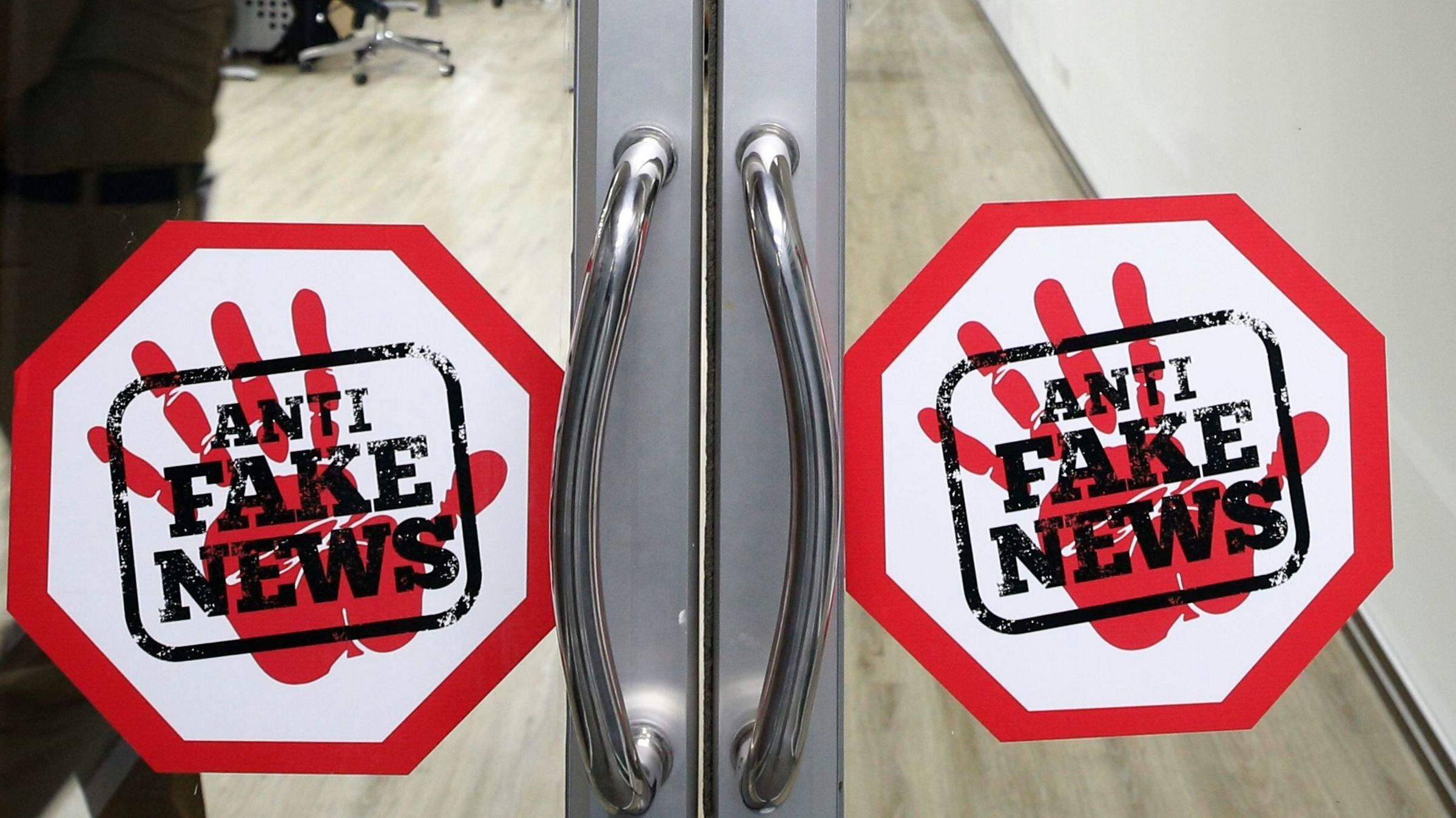
The CEO of ad cybersecurity firm CHEQ, Guy Tytunovich, told Cheddar that "fake news" is a "major, major problem" costing people control of their lives globally.
These are the headlines you Need 2 Know.
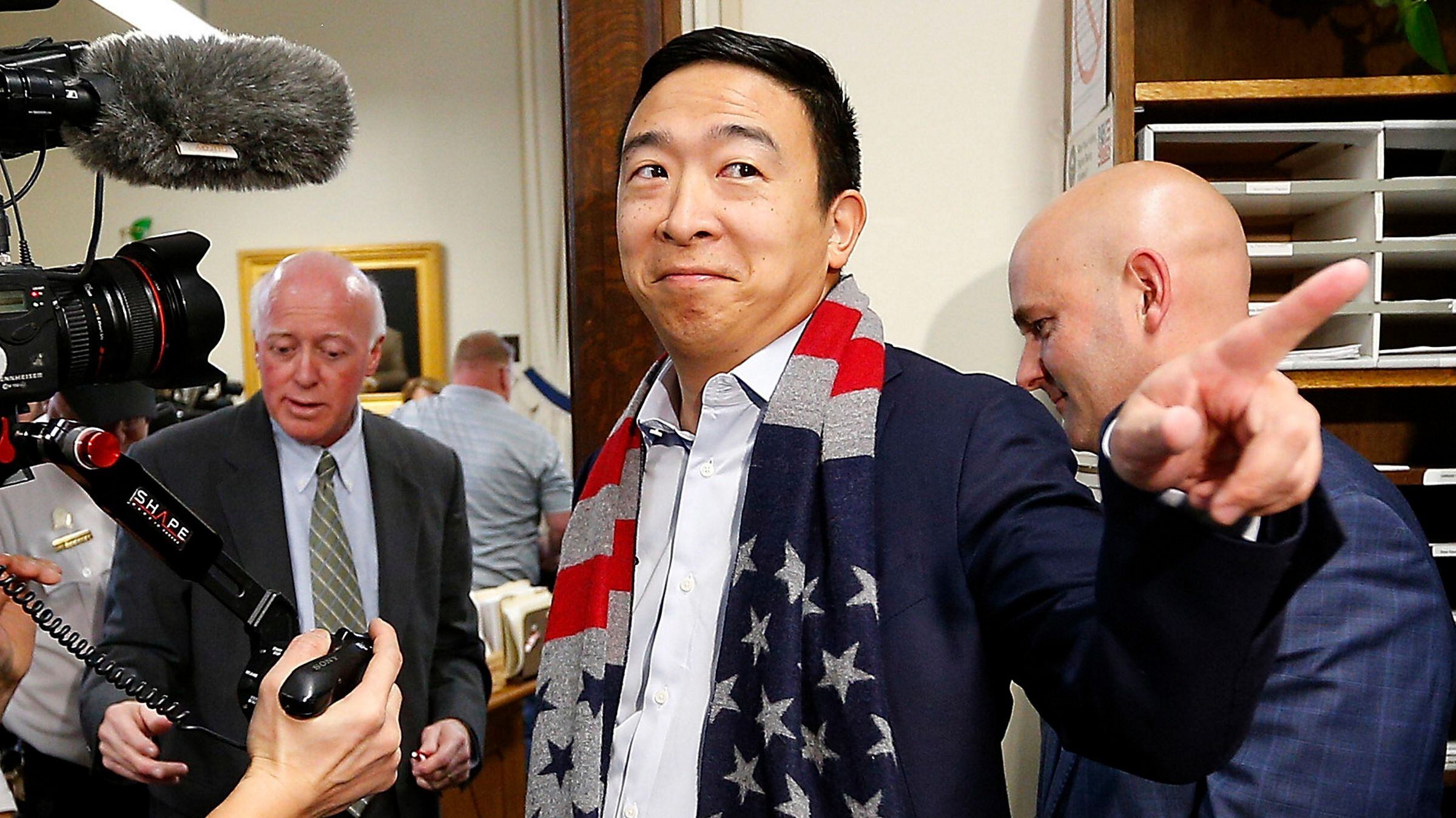
While grassroots support is nothing new, the online nature of Yang supporters shows how outsider campaigns with less infrastructure leverage technology and online spaces to get noticed.
The surprise rejection of Amazon Web Service's bid on October 25 raised eyebrows because the company had appeared to be the frontrunner thanks to its extensive experience with cloud computing.
Commerce Secretary Wilbur Ross and White House economic advisor Larry Kudlow made remarks that predict phase one of a trade deal with China is nearing completion, though the president has yet to signal his approval.
These are the headlines you Need 2 Know for Friday, November 15, 2019.
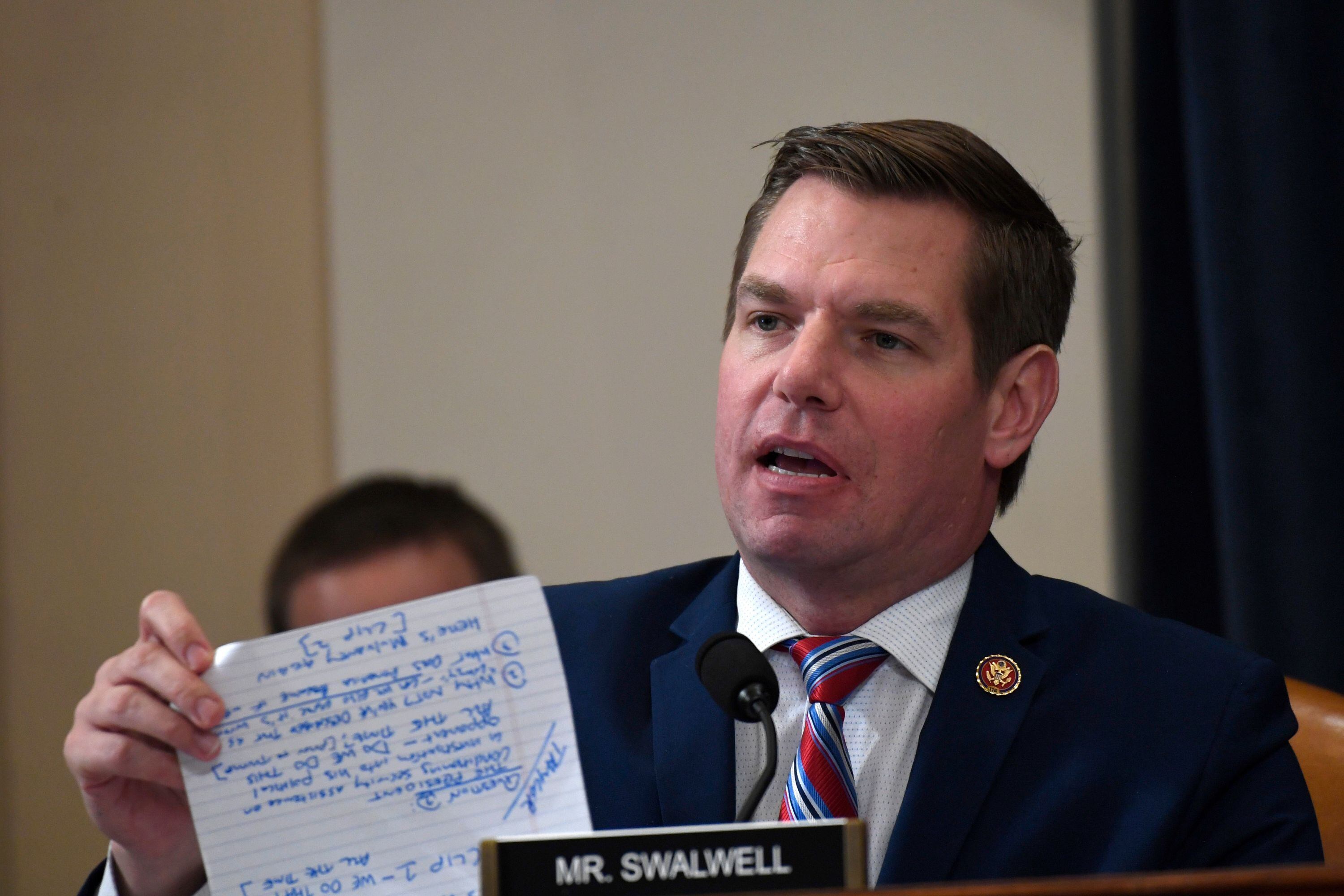
Rep. Eric Swalwell (D-Calif.) told Cheddar that the Republican lead counsel, Stephen Castor, was tasked with an impossible job.
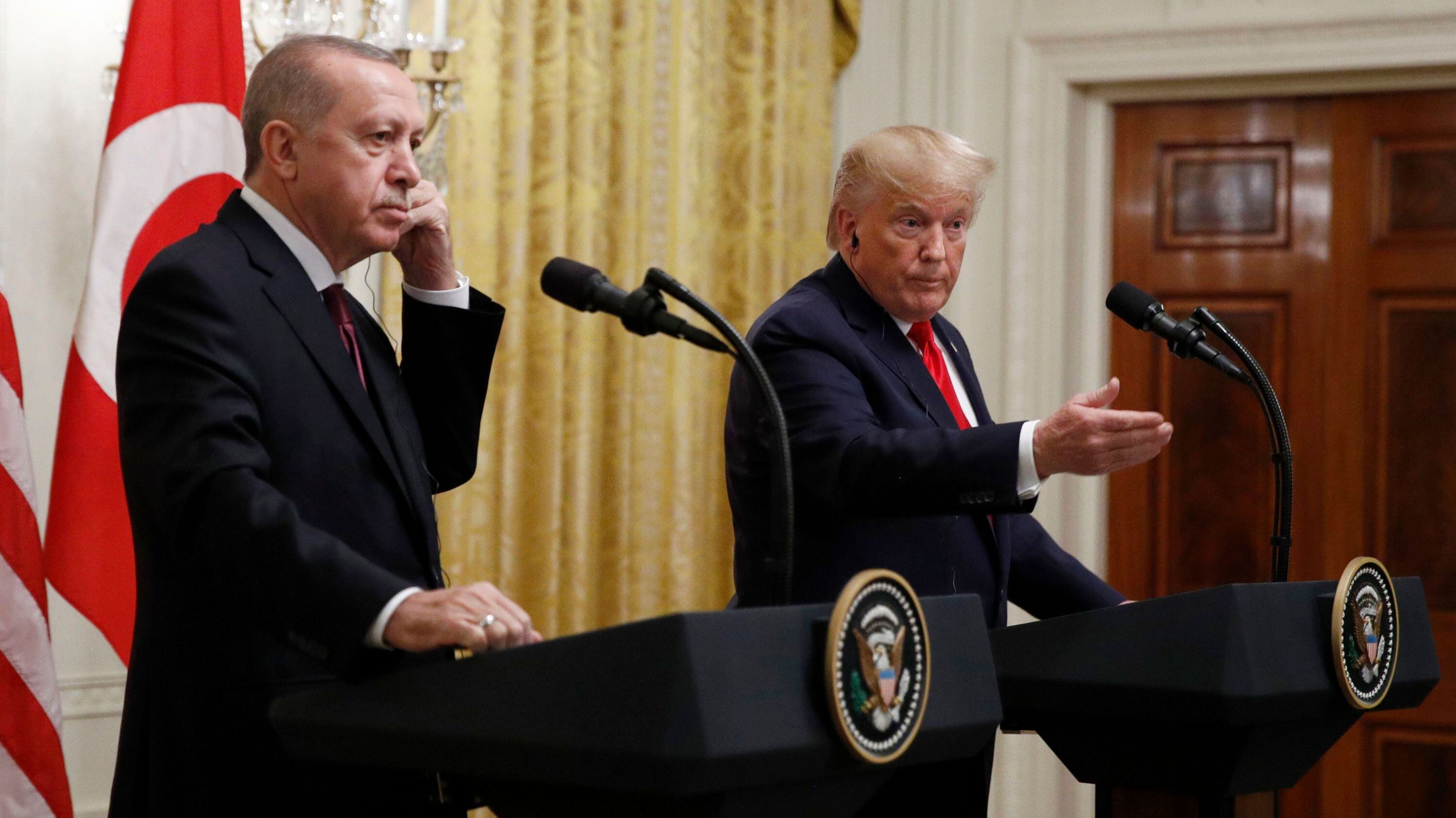
President Trump thanked Recep Tayyip Erdogan in a joint press conference for working closely with the U.S. on several Middle East issues while noting the "challenges" created by Turkey's purchasing of Russian military equipment.