By Fatima Hussein
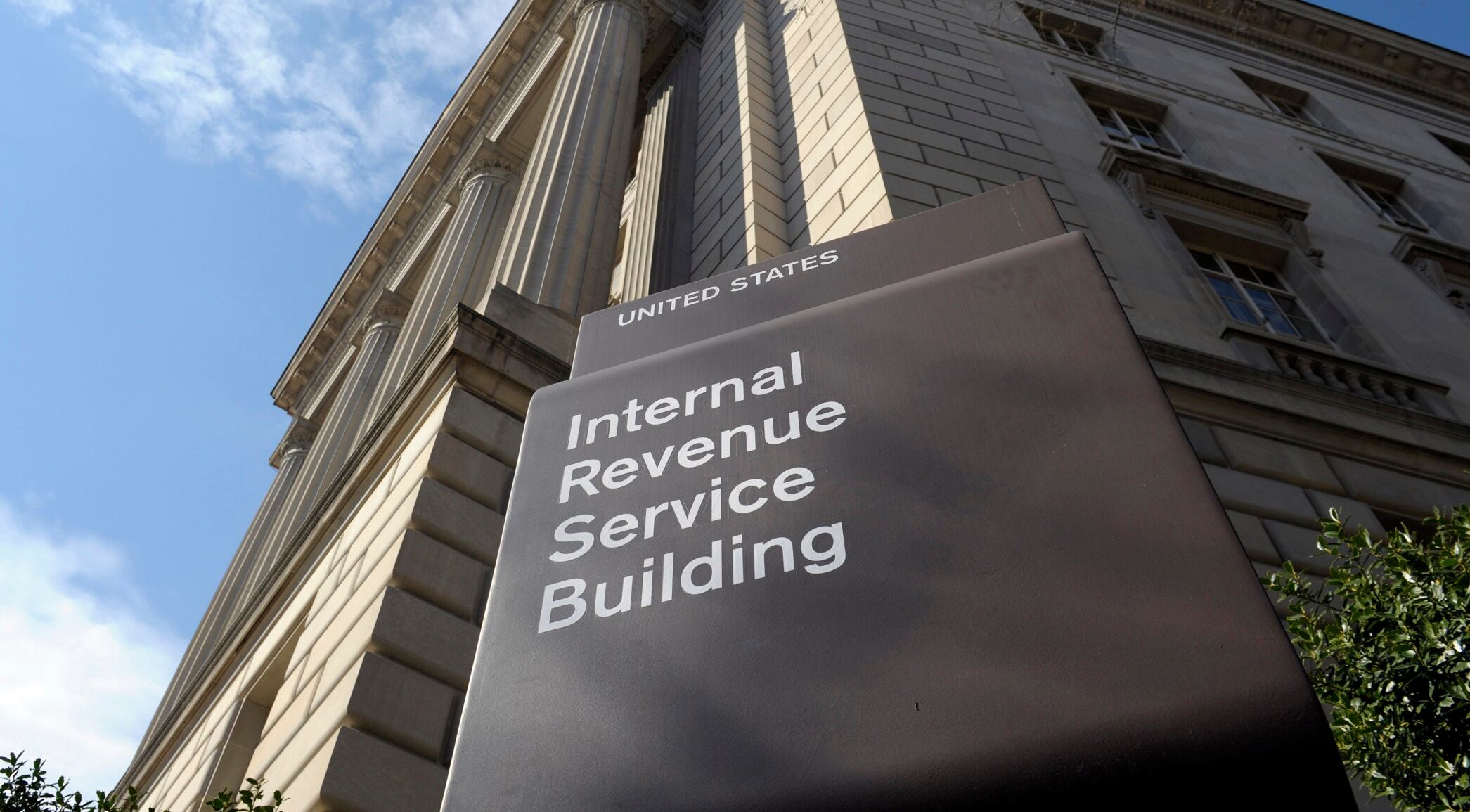
The IRS said Monday it will suspend the use of facial recognition technology to authenticate people who create online accounts after the practice was criticized by privacy advocates and lawmakers.
The agency said it would no longer use a third-party service, called ID.me, for facial recognition. Critics of the software said the database could become a target for cyberthreats. They also expressed concern about how the information could be used by other government agencies, among other concerns.
Earlier Monday, Senate Finance Committee Chair Ron Wyden, D-Ore., called on the agency to end its use of the ID.me software. After the IRS announced the practice would be suspended, Wyden said "the Treasury Department has made the smart decision to direct the IRS to transition away from using the controversial ID.me verification service.”
"No one should be forced to submit to facial recognition to access critical government services,” he added.
The IRS is currently grappling with a worker shortage and an expanded workload from processing tax filings and administering pandemic-related programs. Legislation that would have given the agency billions of dollars to more expeditiously process returns is stalled.
“The IRS takes taxpayer privacy and security seriously, and we understand the concerns that have been raised,” said IRS Commissioner Chuck Rettig.
“Everyone should feel comfortable with how their personal information is secured, and we are quickly pursuing short-term options that do not involve facial recognition.”
The agency said the transition would occur “over the coming weeks in order to prevent larger disruptions to taxpayers during filing season.”
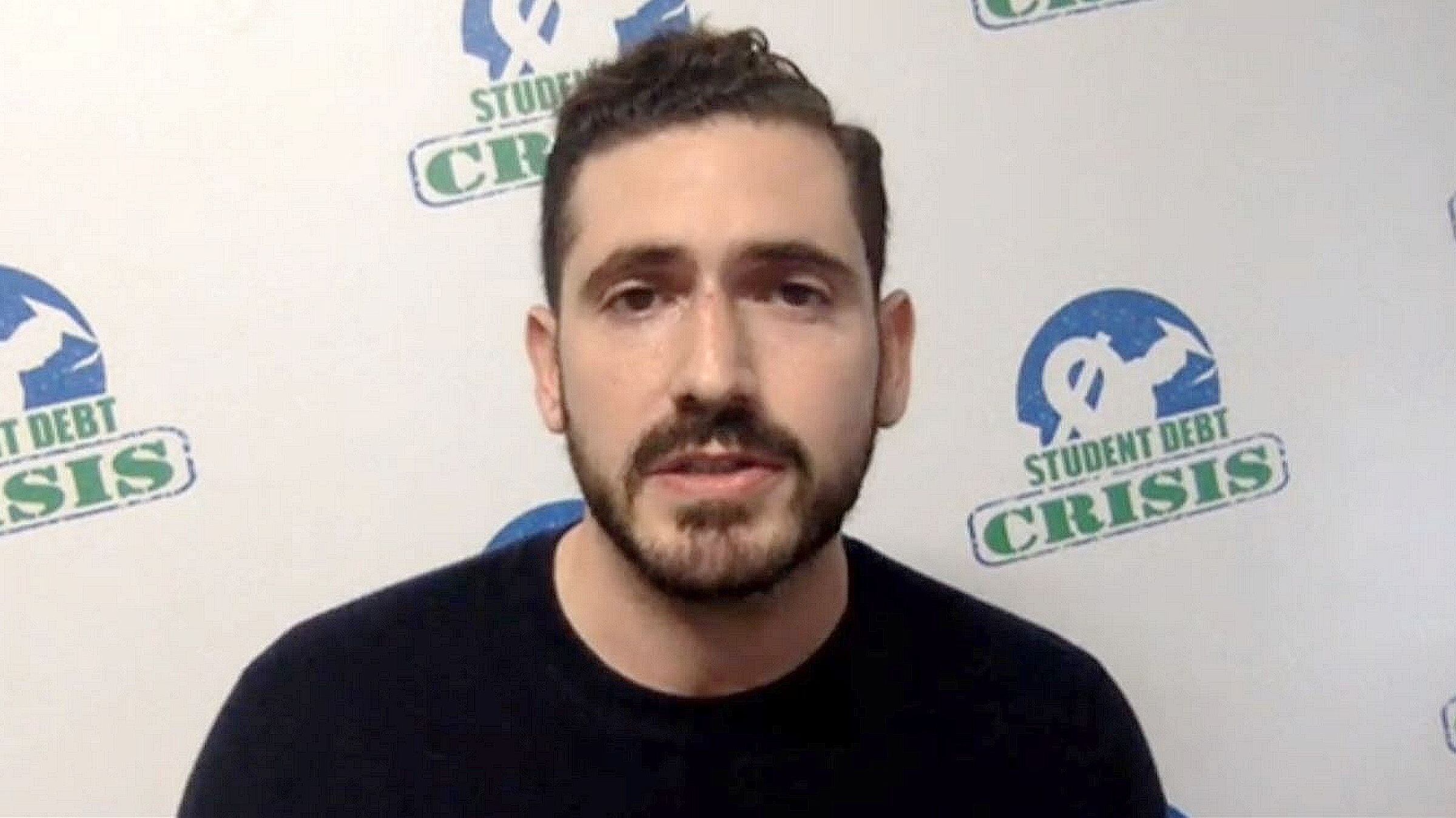
Student Debt Crisis was "inundated with calls" after filing a lawsuit against the Consumer Financial Protection Bureau for failing to properly oversee the companies that manage federal student loan debt.
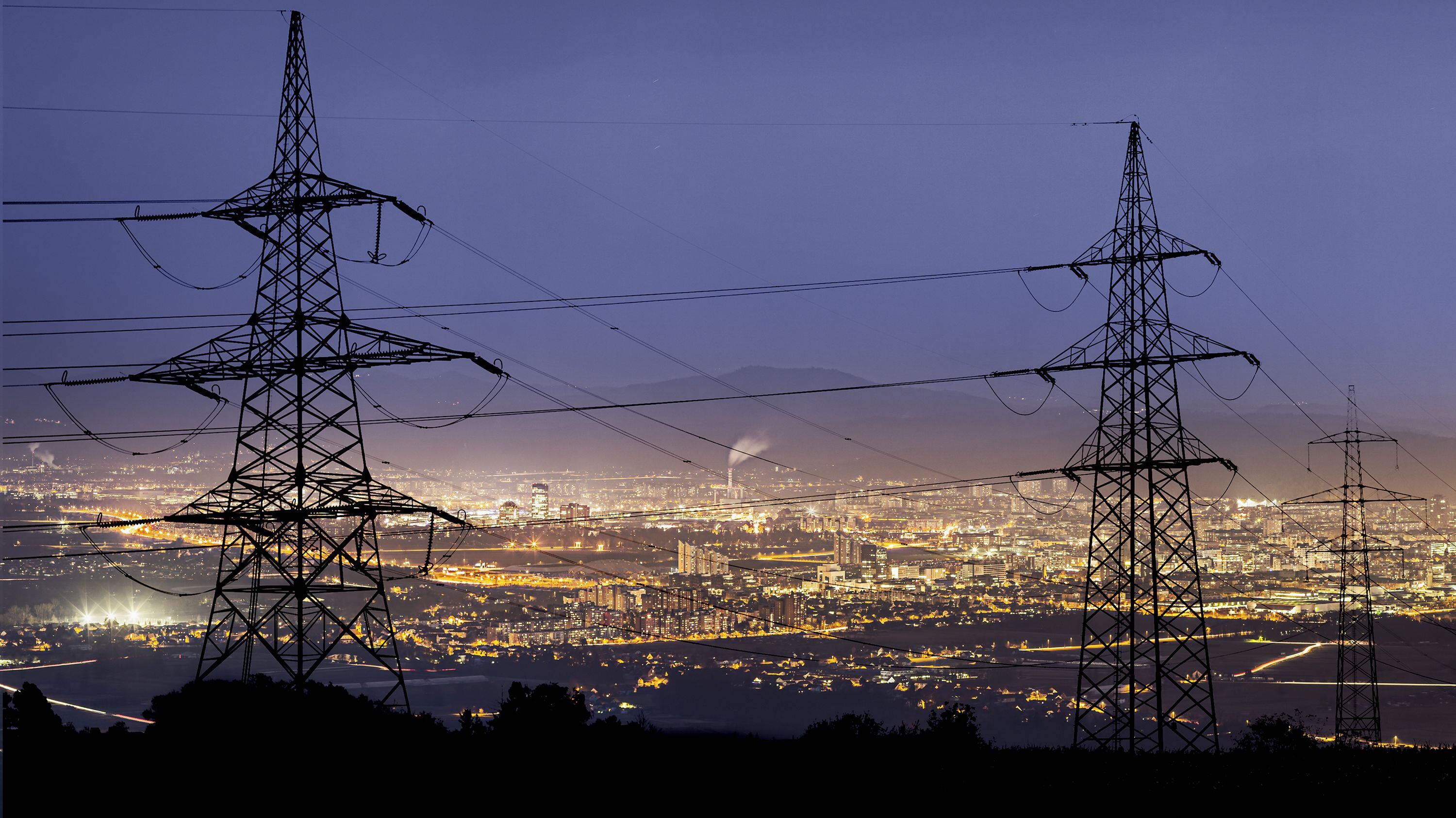
The energy sector is in "a really exciting time," Chairman Neil Chatterjee told Cheddar Monday. His agency, the Federal Energy Regulatory Commission, is charged with overseeing the power grid.
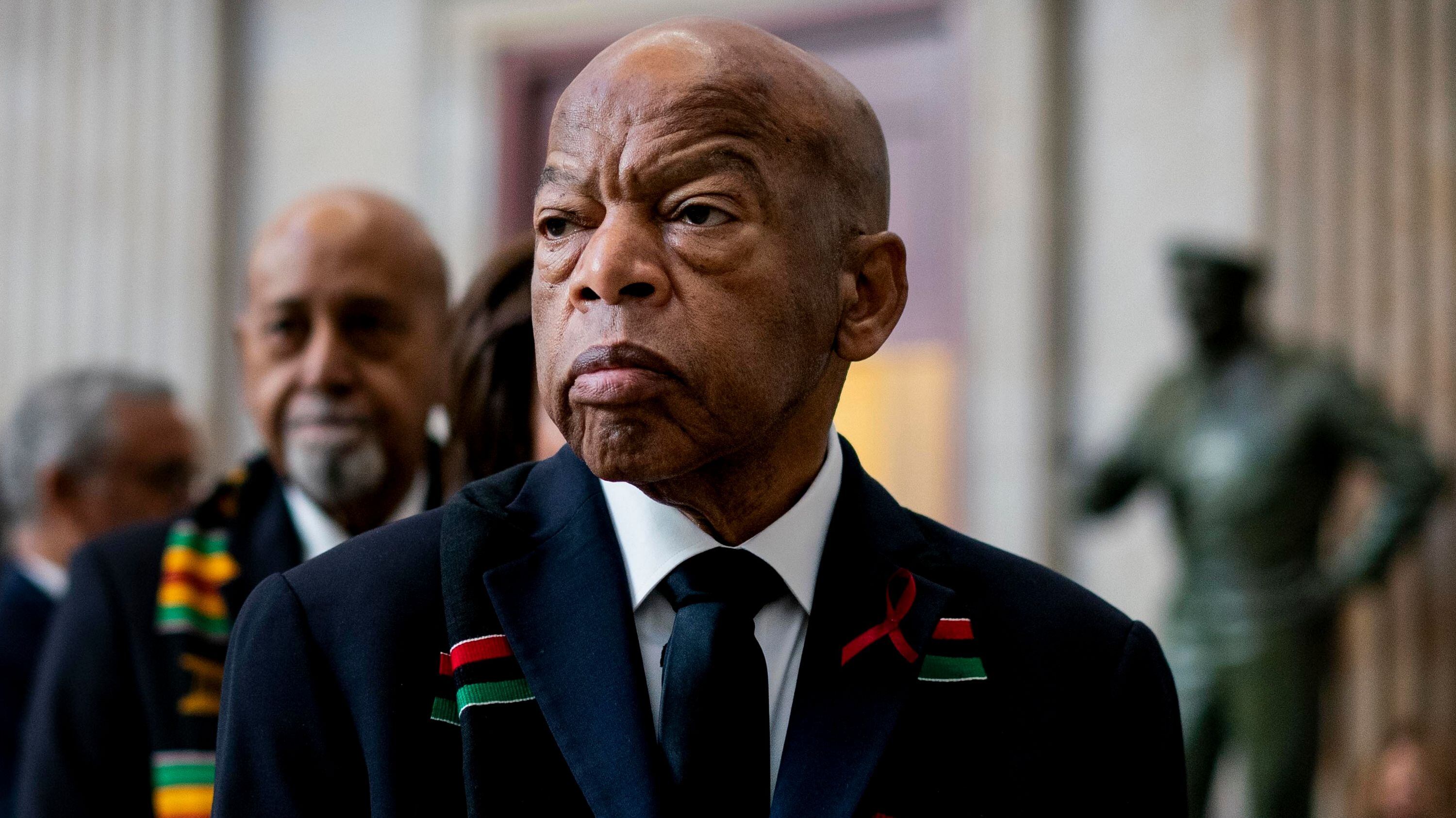
It's been 54 years since the Voting Rights Act was signed into law by President Lyndon B. Johnson, and for 50 years it stood as rock-solid. All that changed with a 2013 Supreme Court case in Shelby v Holder, where judges ruled that states no longer require federal approval to impose new voting laws as previously codified in the Voting Rights Act.
From Wall Street to Silicon Valley, these are the top stories that moved markets and had investors, business leaders, and entrepreneurs talking this week on Cheddar.
These are the headlines you Need 2 Know for Friday, November 29, 2019.
These are the headlines you Need 2 Know for Wednesday, November 27, 2019.
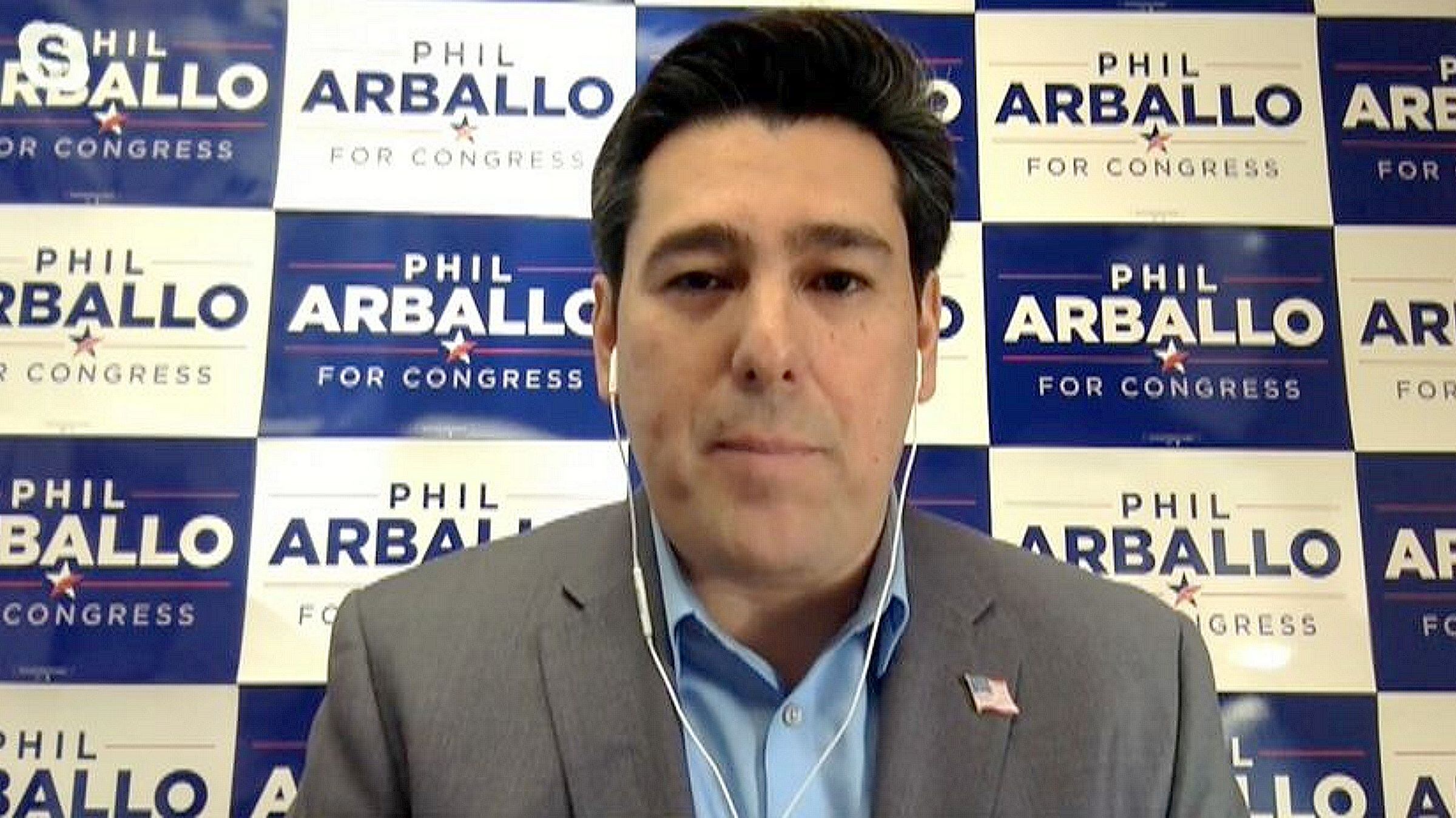
Phil Arballo, a Mexican-American businessman competing in the Democratic primary for California's 22nd district House seat, says he's received $300,000 donations in light of GOP Rep. Devin Nunes pro-Trump.
With "no sign of slowdown" in the concentrations of greenhouse gases according to a report by the UN's World Meteorological Organization, the international body renews its call for drastically reducing emissions globally.
These are the headlines you Need 2 Know for Tuesday, November 26, 2019.
After months of speculation, former NYC Mayor Mike Bloomberg made it official that he's running for president, and the media outlet he founded has outlined how they plan on covering the race from this point forward.