By Fatima Hussein
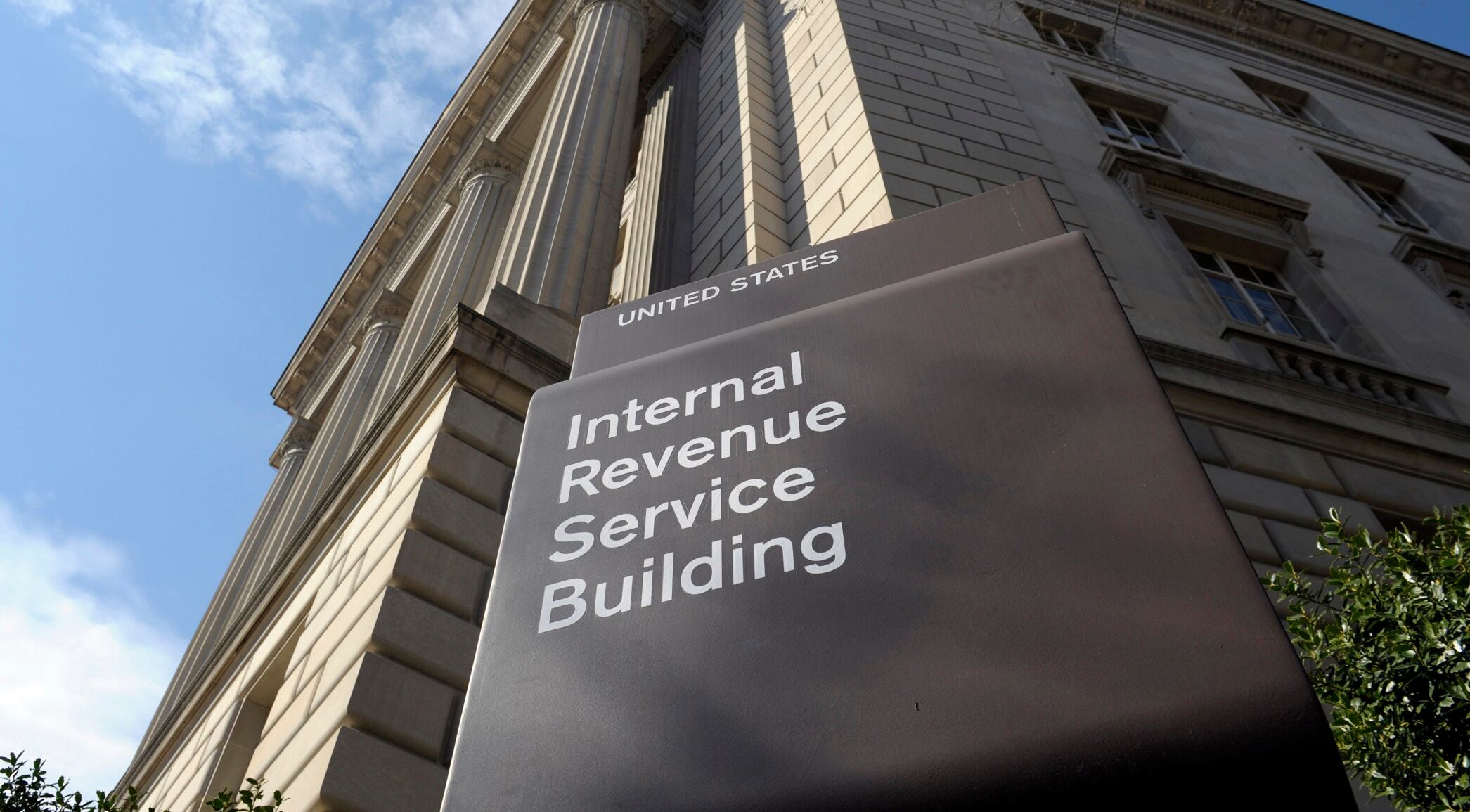
The IRS said Monday it will suspend the use of facial recognition technology to authenticate people who create online accounts after the practice was criticized by privacy advocates and lawmakers.
The agency said it would no longer use a third-party service, called ID.me, for facial recognition. Critics of the software said the database could become a target for cyberthreats. They also expressed concern about how the information could be used by other government agencies, among other concerns.
Earlier Monday, Senate Finance Committee Chair Ron Wyden, D-Ore., called on the agency to end its use of the ID.me software. After the IRS announced the practice would be suspended, Wyden said "the Treasury Department has made the smart decision to direct the IRS to transition away from using the controversial ID.me verification service.”
"No one should be forced to submit to facial recognition to access critical government services,” he added.
The IRS is currently grappling with a worker shortage and an expanded workload from processing tax filings and administering pandemic-related programs. Legislation that would have given the agency billions of dollars to more expeditiously process returns is stalled.
“The IRS takes taxpayer privacy and security seriously, and we understand the concerns that have been raised,” said IRS Commissioner Chuck Rettig.
“Everyone should feel comfortable with how their personal information is secured, and we are quickly pursuing short-term options that do not involve facial recognition.”
The agency said the transition would occur “over the coming weeks in order to prevent larger disruptions to taxpayers during filing season.”
From Wall Street to Silicon Valley, these are the top stories that moved markets and had investors, business leaders, and entrepreneurs talking this week on Cheddar.
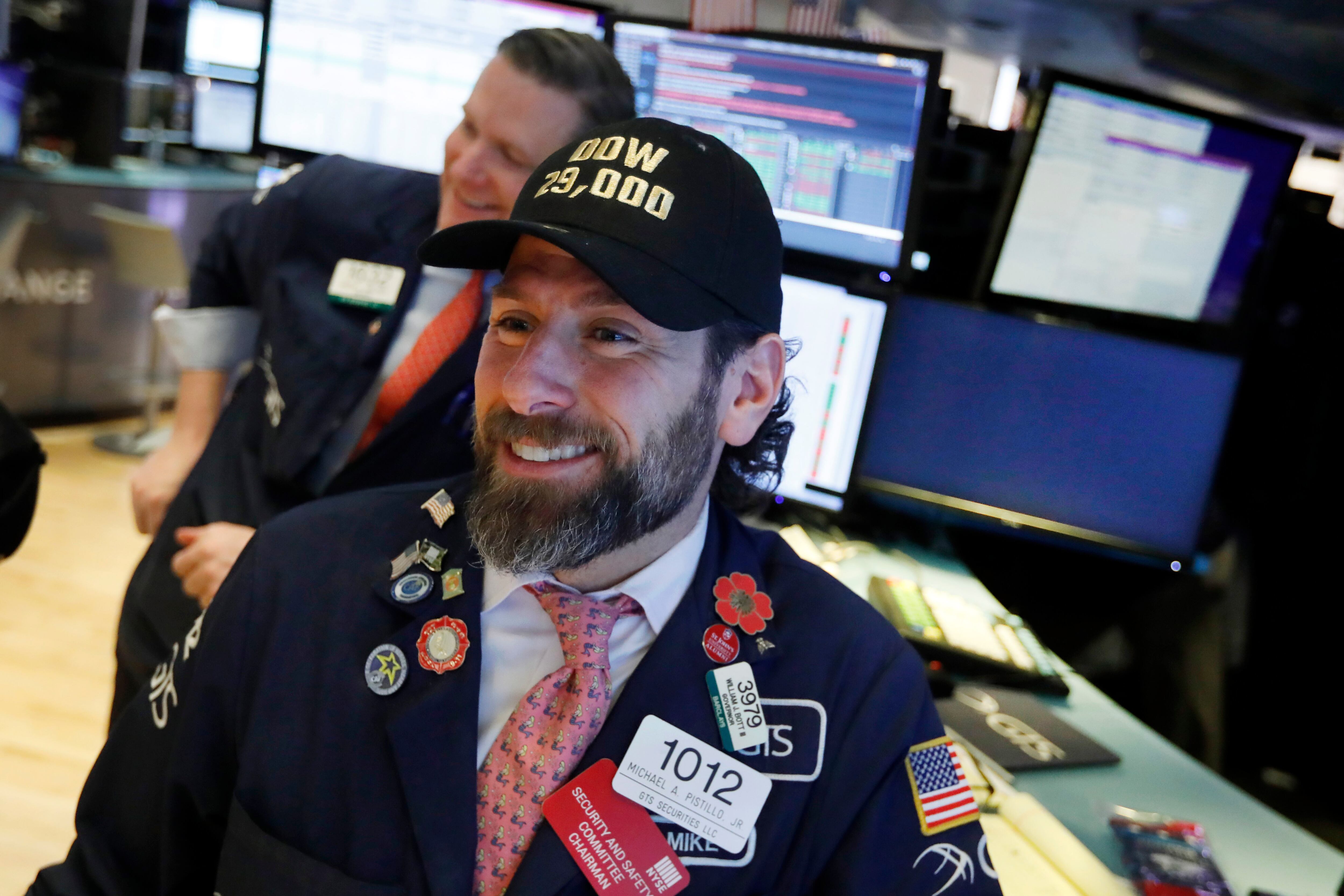
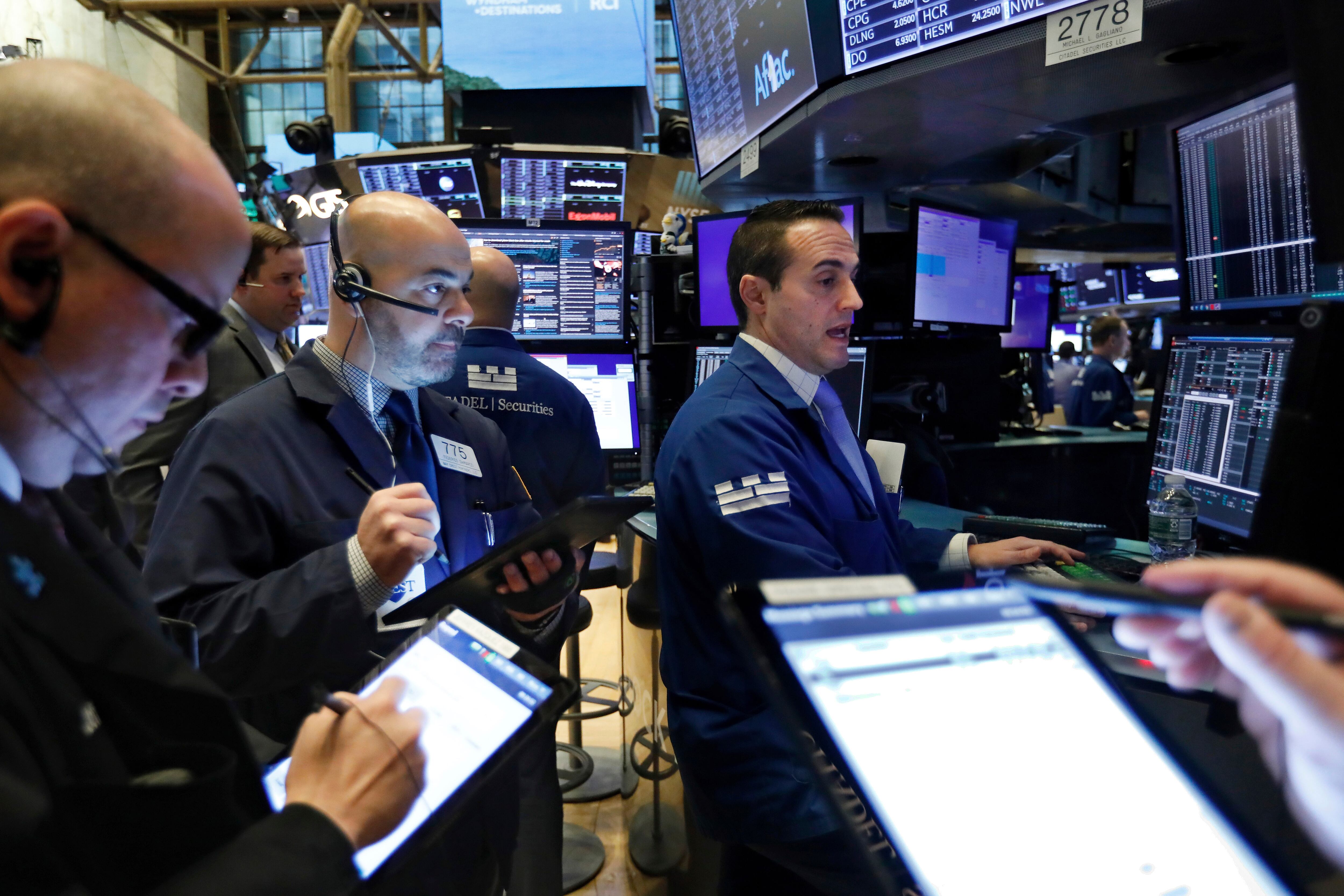
Stocks are closing broadly lower on Wall Street after giving up early gains. The government's latest report on the jobs market showed a slowdown in hiring last month, but the number was solid enough to cement Wall Street's view that the job market is holding up.
Ongoing tensions between the U.S. and Iran this week have reignited the debate about whether or not bitcoin works as a safe haven asset in times of heightened geopolitical uncertainty.
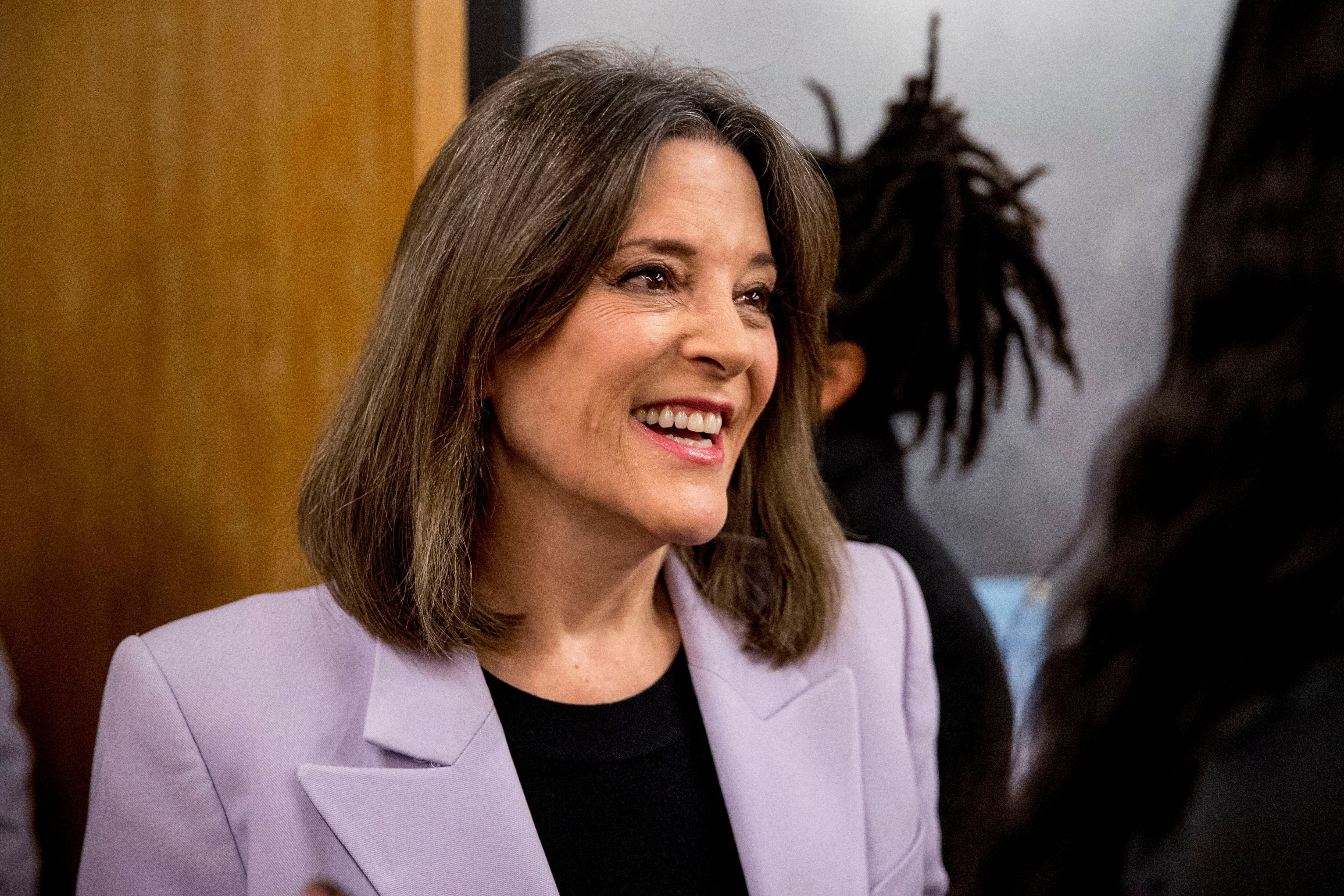
Democratic presidential candidate Marianne Williamson, the spiritual guru and bestselling author, ended her campaign on Friday, weeks before voting begins,
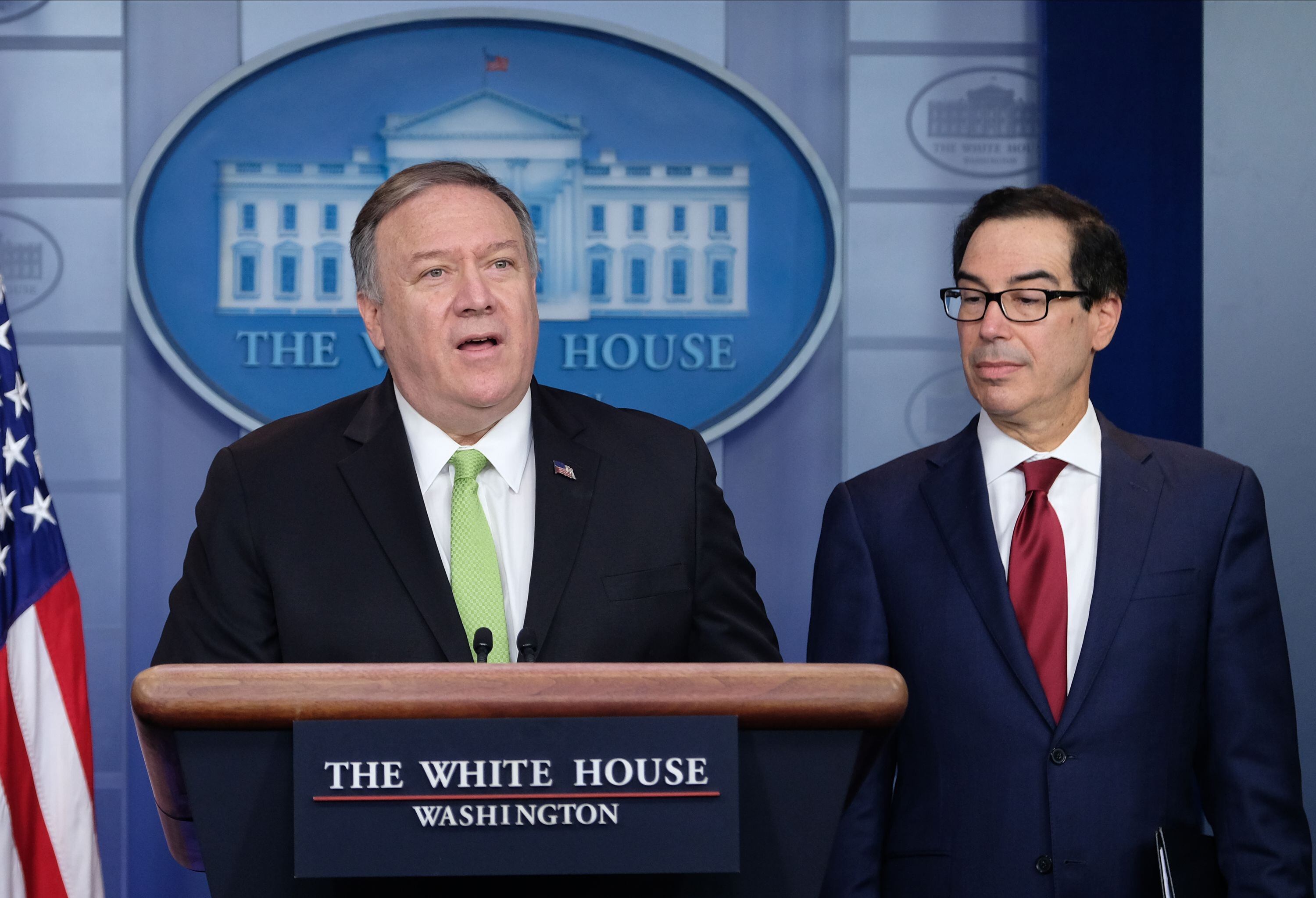
Secretary of State Mike Pompeo and Treasury Secretary Steve Mnuchin announced new sanctions against Iran and its economy.
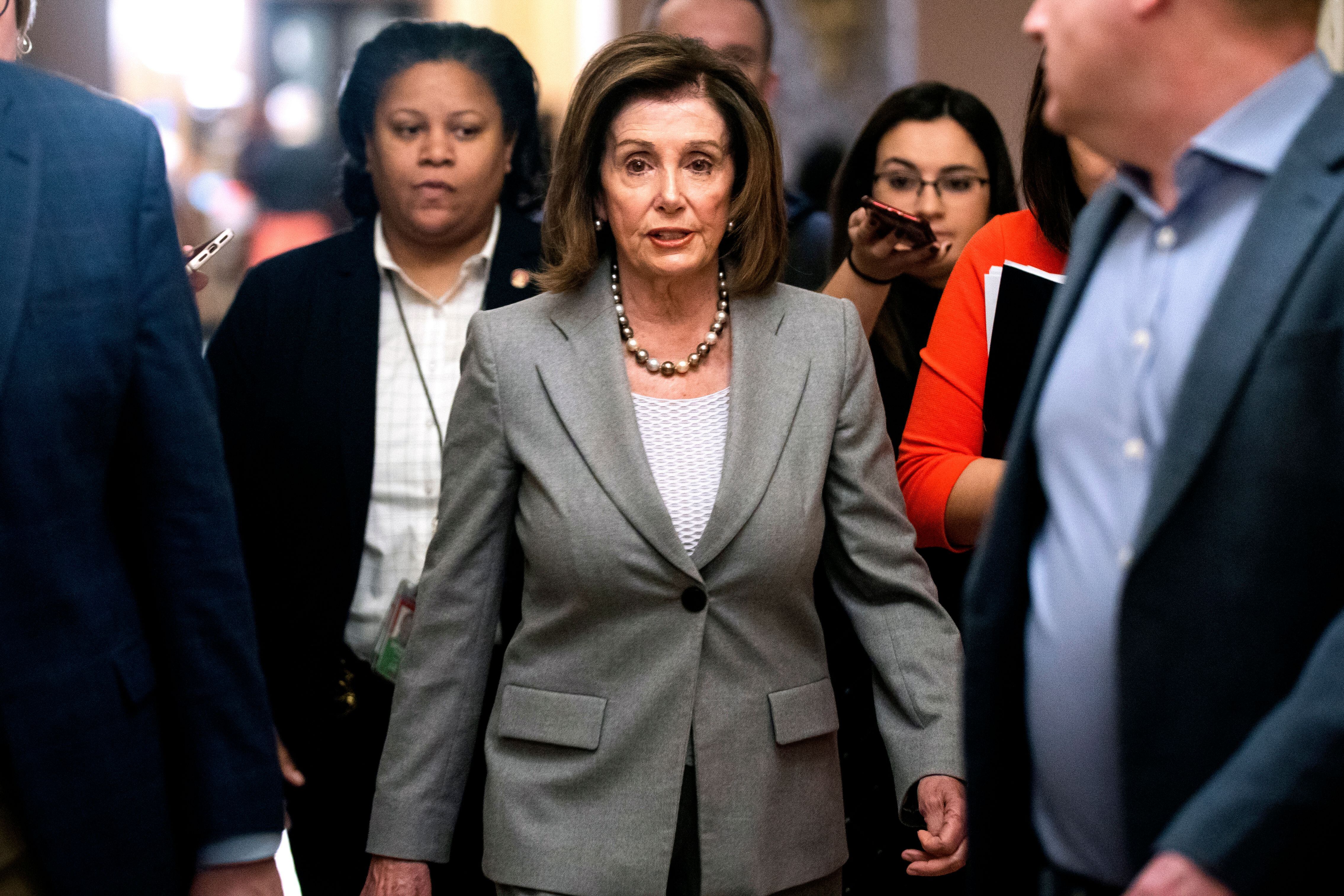
In a letter to her Democratic colleagues, Pelosi said she was proud of their "courage and patriotism" and warned that senators now have a choice as they consider the charges of abuse and obstruction against the president.
U.S. employers downshifted on hiring in December, adding 145,000 jobs, with steady spending by Americans continuing to steer economic growth heading into a presidential election year.
Here are the headlines you Need 2 know for Friday, January 10, 2020
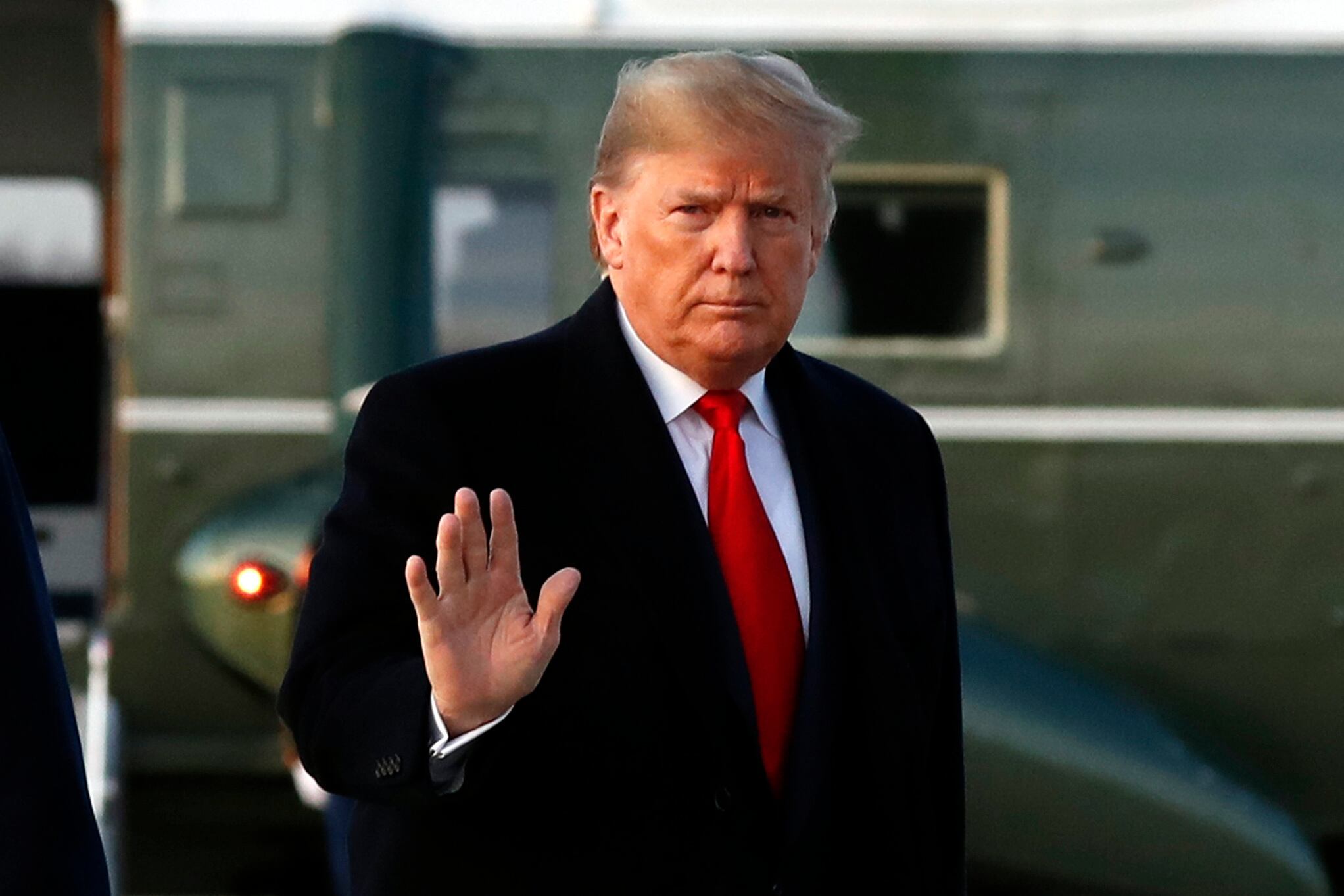
The House approved a resolution on Thursday to force the president to halt military action against Iran without Congressional authorization, restarting conversations on the role of Congress in war.
Experts say geopolitical tensions and sanctions make a hard job already harder, restricting the flow of information necessary to find the facts of the crash.