By Fatima Hussein
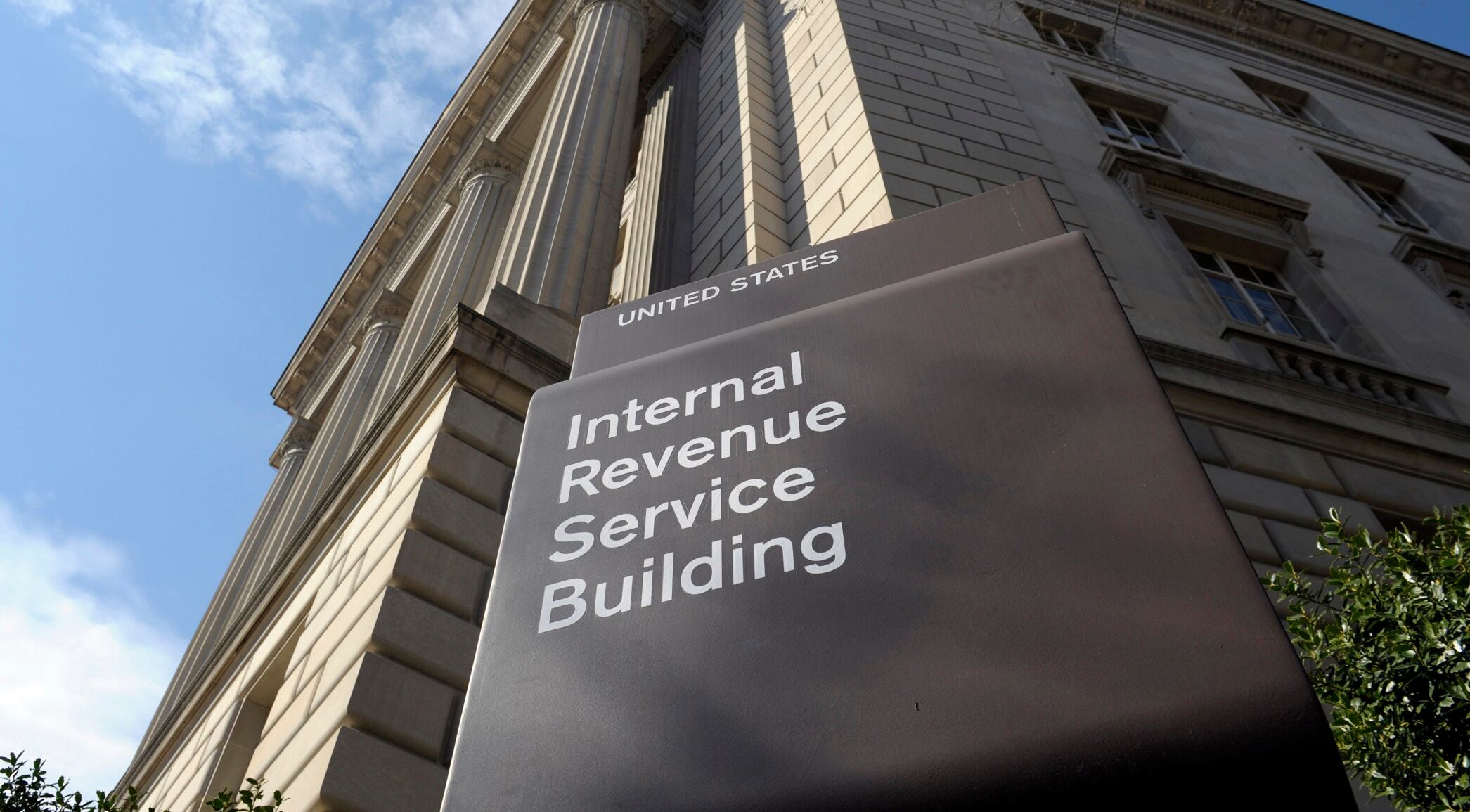
The IRS said Monday it will suspend the use of facial recognition technology to authenticate people who create online accounts after the practice was criticized by privacy advocates and lawmakers.
The agency said it would no longer use a third-party service, called ID.me, for facial recognition. Critics of the software said the database could become a target for cyberthreats. They also expressed concern about how the information could be used by other government agencies, among other concerns.
Earlier Monday, Senate Finance Committee Chair Ron Wyden, D-Ore., called on the agency to end its use of the ID.me software. After the IRS announced the practice would be suspended, Wyden said "the Treasury Department has made the smart decision to direct the IRS to transition away from using the controversial ID.me verification service.”
"No one should be forced to submit to facial recognition to access critical government services,” he added.
The IRS is currently grappling with a worker shortage and an expanded workload from processing tax filings and administering pandemic-related programs. Legislation that would have given the agency billions of dollars to more expeditiously process returns is stalled.
“The IRS takes taxpayer privacy and security seriously, and we understand the concerns that have been raised,” said IRS Commissioner Chuck Rettig.
“Everyone should feel comfortable with how their personal information is secured, and we are quickly pursuing short-term options that do not involve facial recognition.”
The agency said the transition would occur “over the coming weeks in order to prevent larger disruptions to taxpayers during filing season.”
Here are the headlines you Need 2 Know for Friday, January 17, 2020.
A Capitol Hill hearing on cannabis legislation Wednesday underscored the regulatory straitjacket that restricts research and scheduling of cannabis in the United States.
In the aftermath of earthquakes, one of the U.S. territory’s top architects is making the case for short-term assistance combined with long-term vision.
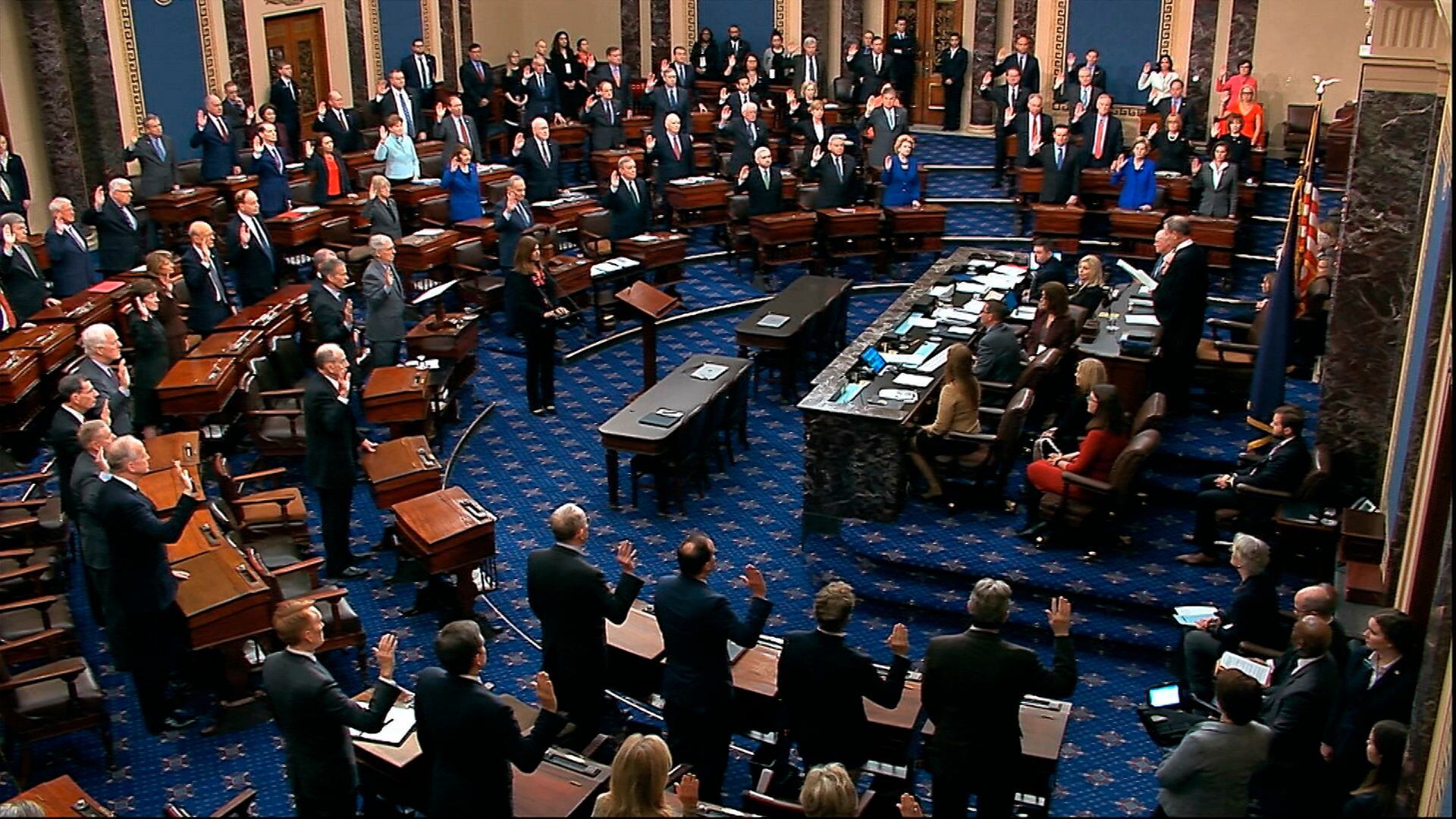
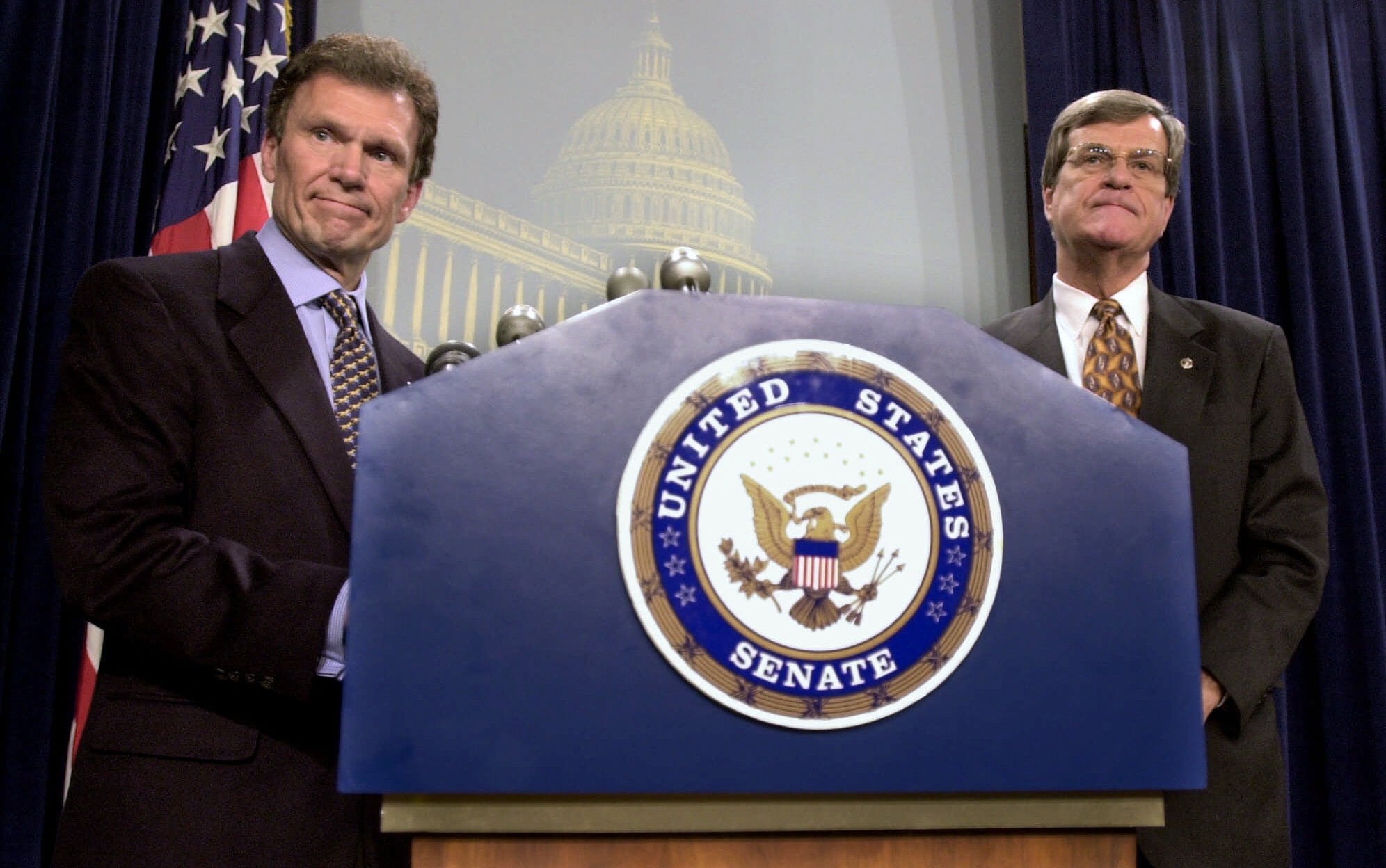
When President Bill Clinton was impeached more than 20 years ago, the Senate leaders who controlled his fate say they sought to appear neutral and separate from the White House and wanted to make the trial a bipartisan process. At least that’s how Trent Lott and Tom Daschle remember it today.
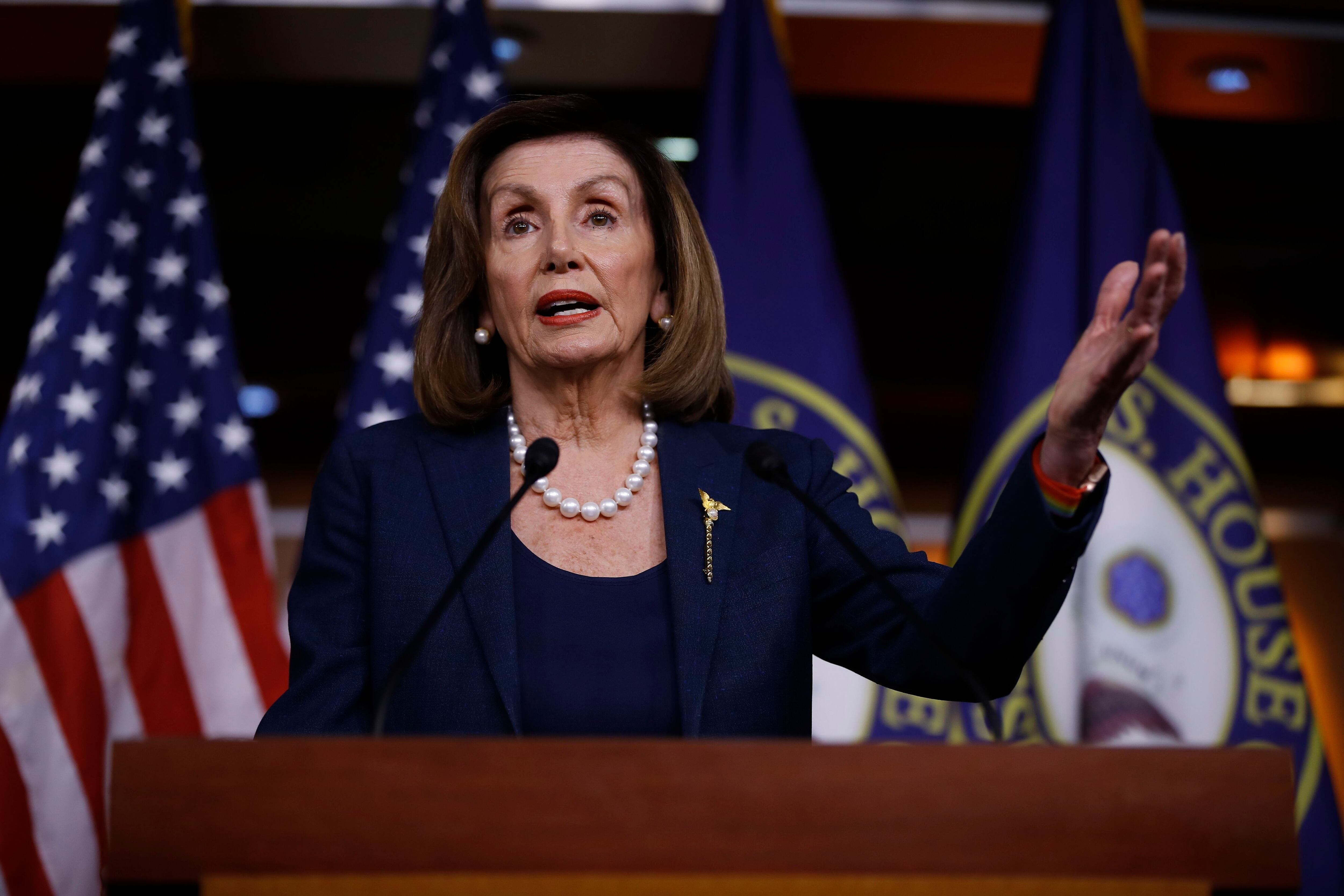
House Speaker Nancy Pelosi called Facebook’s behavior “shameful” during her weekly press conference Thursday.
The federal government's watchdog agency said Thursday a White House office violated federal law in withholding security assistance to Ukraine.
These are the headlines you Need 2 Know for Thursday, January 16, 2020.
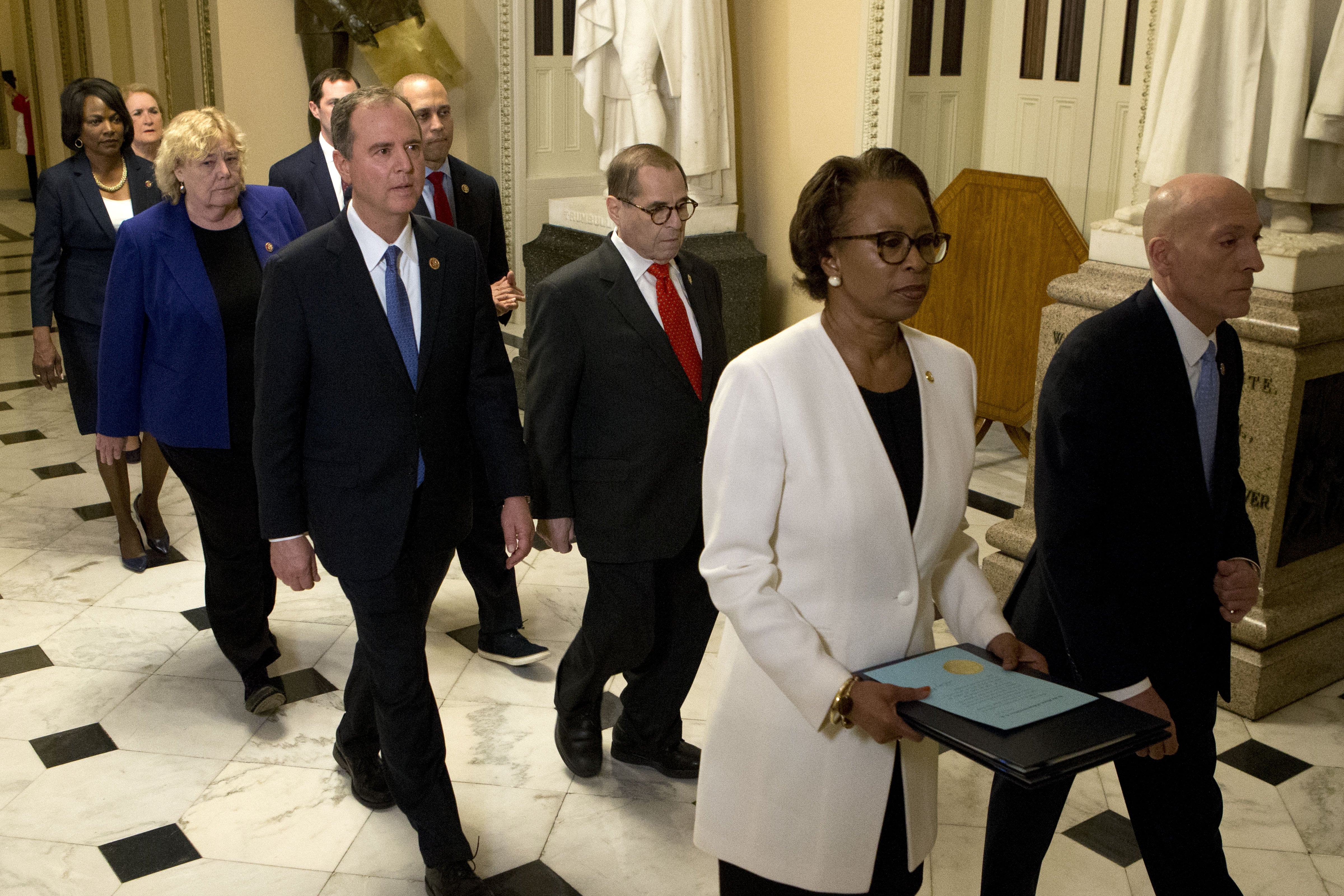
The House delivered the articles of impeachment against President Donald Trump to the Senate Wednesday hours after Speaker Nancy Pelosi named seven managers to handle prosecute the trial.
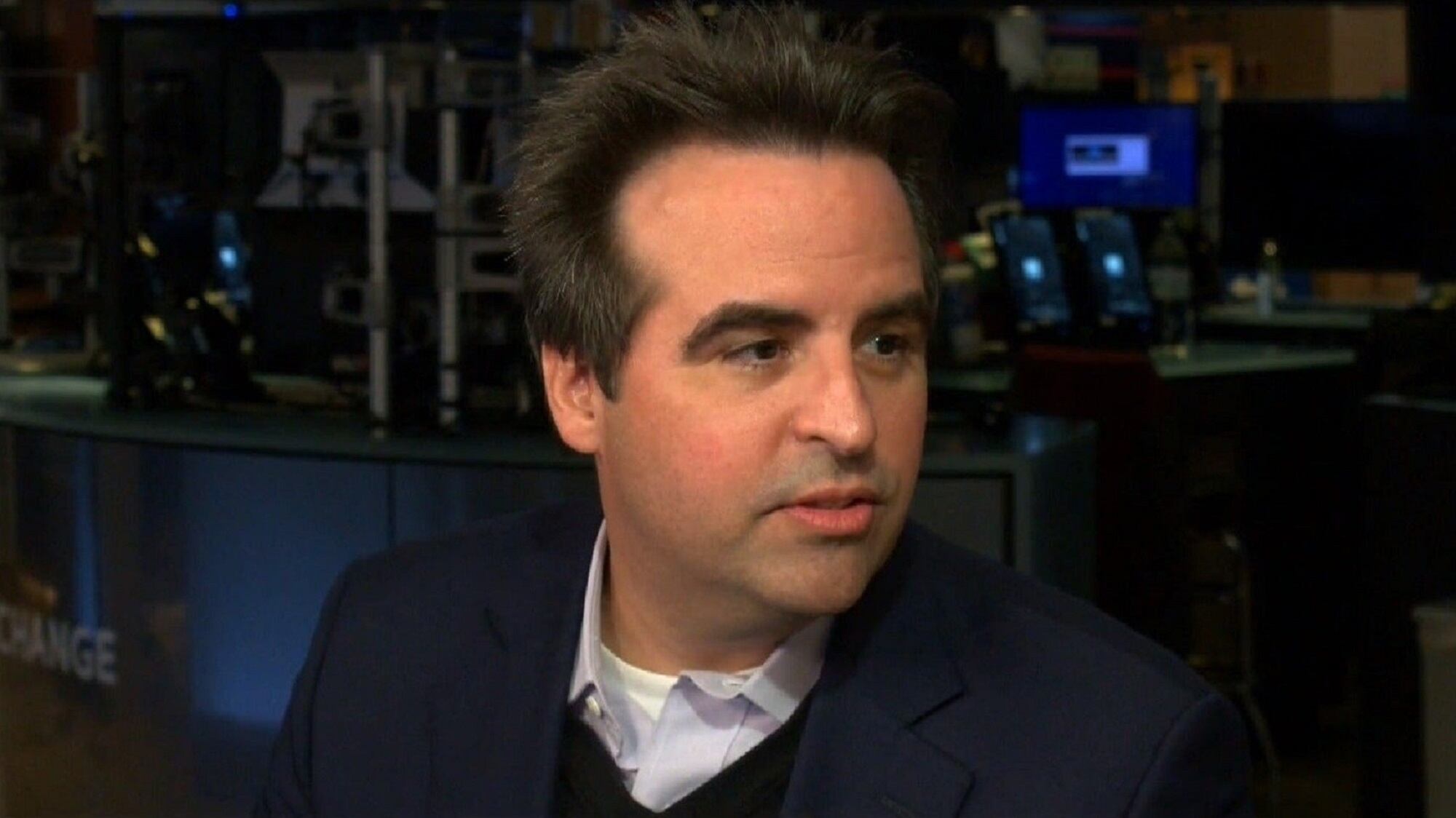
“[Trump] would win right now because the Democrats have not succeeded in making this election a referendum on Trump,” longtime Republican and political strategist Rick Wilson told Cheddar on the eve of another sort of referendum — the president’s impeachment trial.
President Trump signed a so-called "phase one" trade deal with China on Wednesday, signaling a détente in a protracted trade war that resulted in hundreds of billions of dollars of tariffs being exchanged on exports between the world's two largest economies over the better part of two years.