By Fatima Hussein
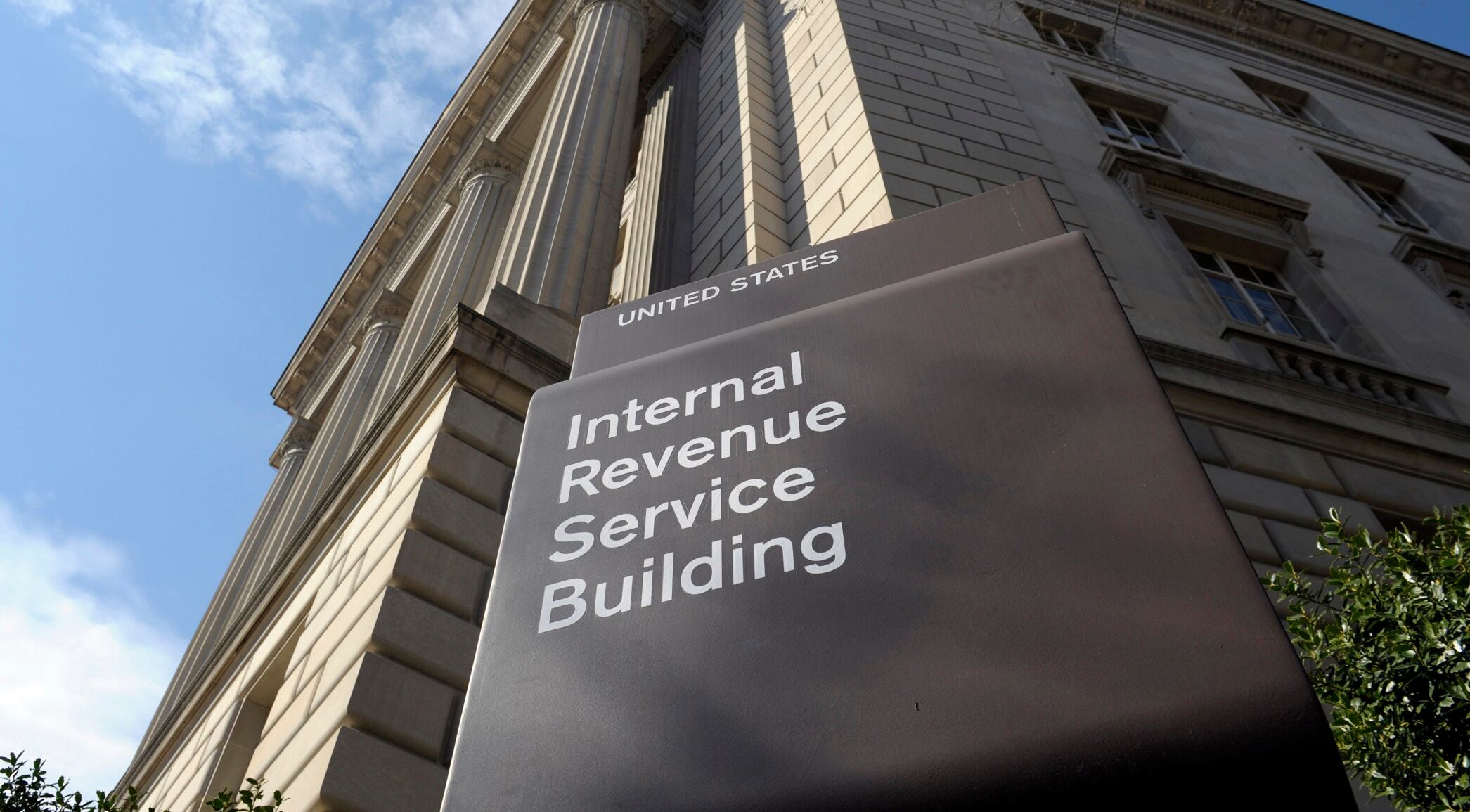
The IRS said Monday it will suspend the use of facial recognition technology to authenticate people who create online accounts after the practice was criticized by privacy advocates and lawmakers.
The agency said it would no longer use a third-party service, called ID.me, for facial recognition. Critics of the software said the database could become a target for cyberthreats. They also expressed concern about how the information could be used by other government agencies, among other concerns.
Earlier Monday, Senate Finance Committee Chair Ron Wyden, D-Ore., called on the agency to end its use of the ID.me software. After the IRS announced the practice would be suspended, Wyden said "the Treasury Department has made the smart decision to direct the IRS to transition away from using the controversial ID.me verification service.”
"No one should be forced to submit to facial recognition to access critical government services,” he added.
The IRS is currently grappling with a worker shortage and an expanded workload from processing tax filings and administering pandemic-related programs. Legislation that would have given the agency billions of dollars to more expeditiously process returns is stalled.
“The IRS takes taxpayer privacy and security seriously, and we understand the concerns that have been raised,” said IRS Commissioner Chuck Rettig.
“Everyone should feel comfortable with how their personal information is secured, and we are quickly pursuing short-term options that do not involve facial recognition.”
The agency said the transition would occur “over the coming weeks in order to prevent larger disruptions to taxpayers during filing season.”
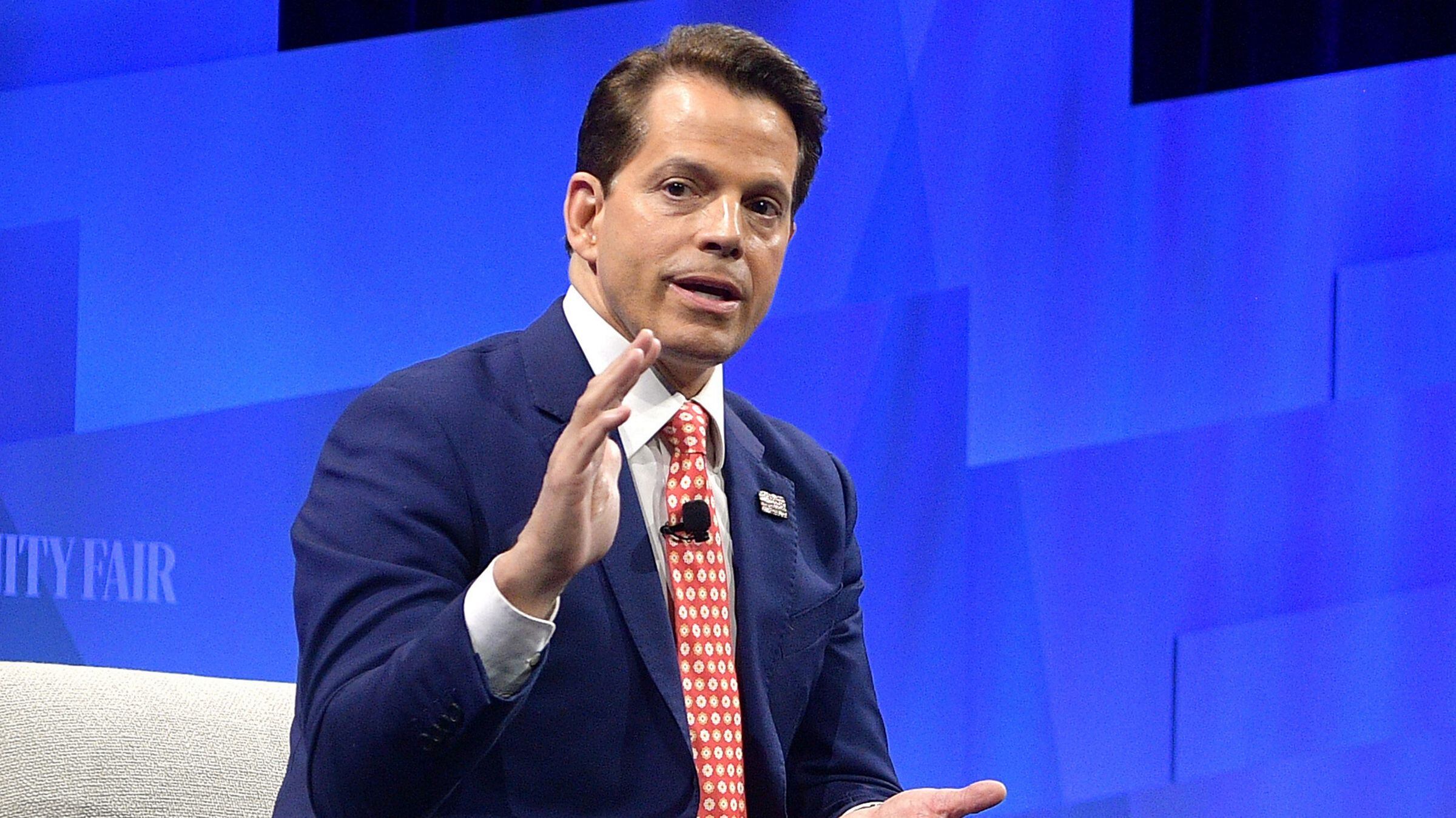
Anthony Scaramucci, the founder of SkyBridge Capital and former White House communications director, has an optimistic view of the markets going forward despite the headwinds of the COVID-19 outbreak and President Trump's handling of the health crisis.
Amy Klobuchar is ending her Democratic presidential campaign, plans to endorse Joe Biden.
These are the headlines you Need 2 Know for Monday, March 2, 2020.
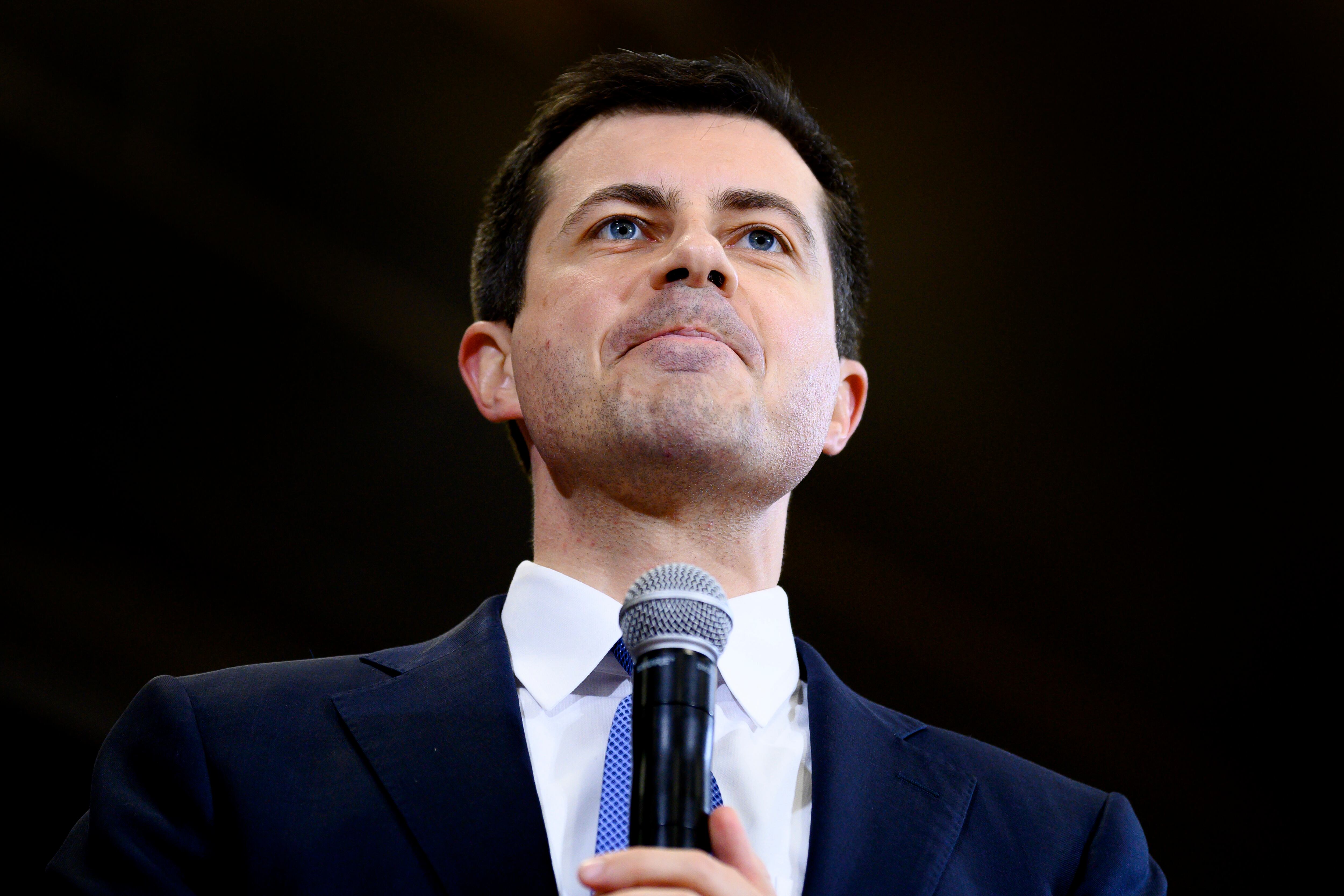
Democrat Pete Buttigieg is ending his campaign for president, the Associated Press is reporting.
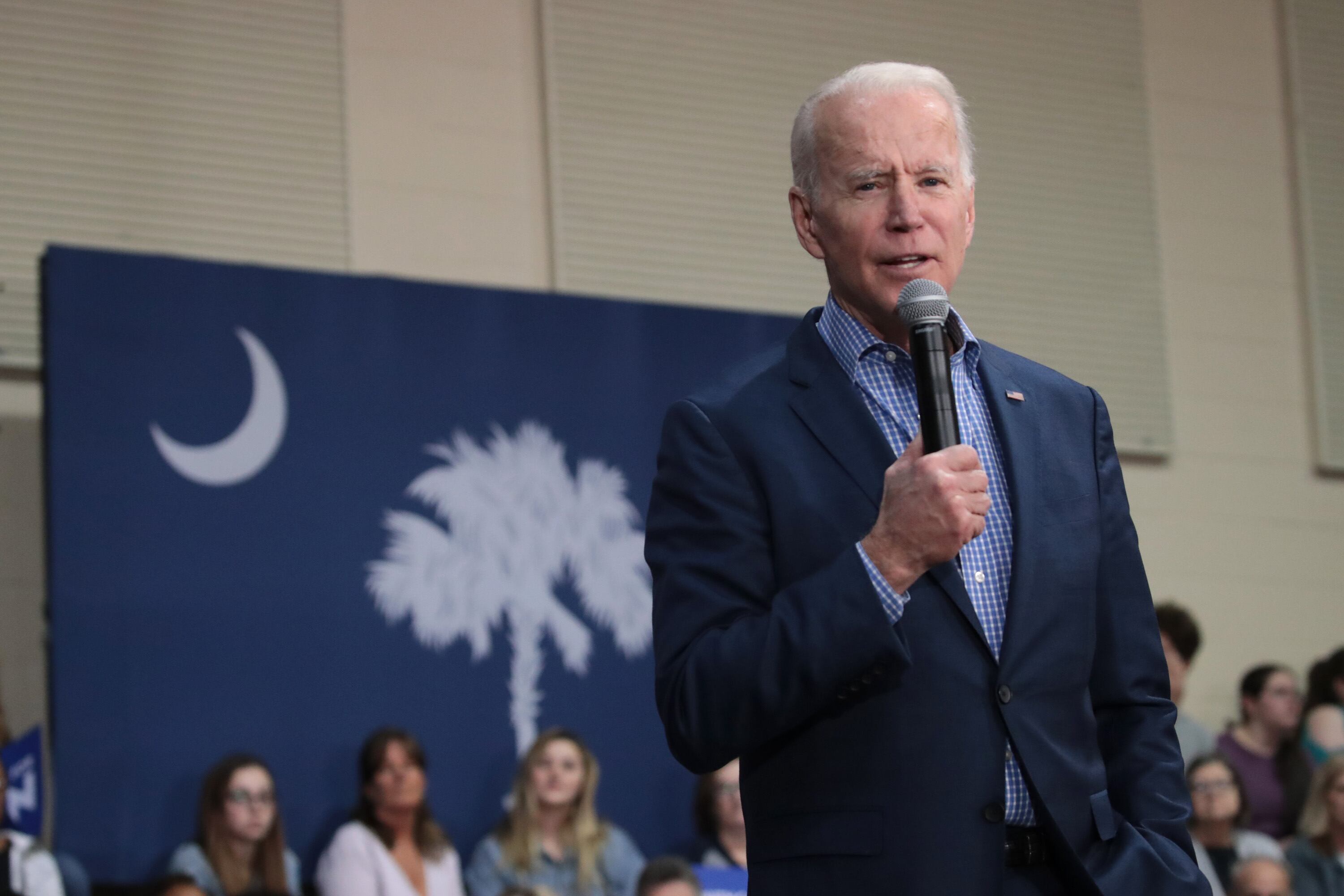
Joe Biden scored a convincing victory in South Carolina’s Democratic primary on Saturday, riding a wave of African American support and ending progressive rival Bernie Sanders’ winning streak.
From Wall Street to Silicon Valley, these are the top stories that moved markets and had investors, business leaders, and entrepreneurs talking this week on Cheddar.
Stocks sank again after another wild day, extending a rout that left the market with its worst week since October 2008. Major indexes clawed back much of their intraday losses in the last 15 minutes. Bond prices soared as investors sought safety, pushing yields to record lows.
The World Health Organization raised its threat assessment Friday saying the global risk of the novel COVID-19 is now "very high," the director-general told reporters, even as the White House continues to downplay the potential impact of the coronavirus in the U.S.
Federal Reserve Chairman Jerome Powell pledged that the Fed will "use our tools" to support the economy, a strong signal of a likely rate cut, perhaps at its next meeting March 17-18.
The report from China Beige Book, an economic forecasting firm that surveyed more than 1,400 companies, shows an economy reeling from shutdowns and quarantines.