By Fatima Hussein
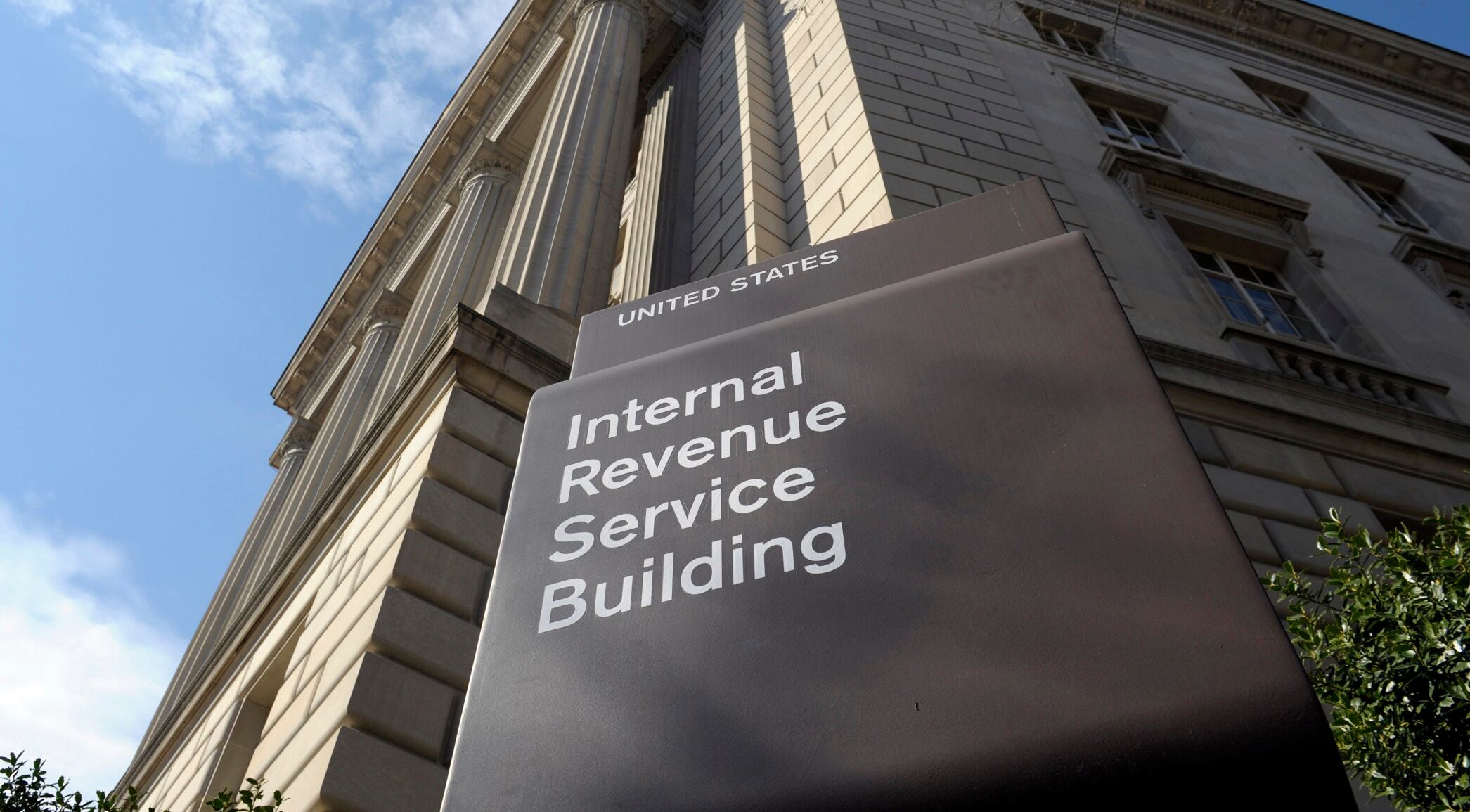
The IRS said Monday it will suspend the use of facial recognition technology to authenticate people who create online accounts after the practice was criticized by privacy advocates and lawmakers.
The agency said it would no longer use a third-party service, called ID.me, for facial recognition. Critics of the software said the database could become a target for cyberthreats. They also expressed concern about how the information could be used by other government agencies, among other concerns.
Earlier Monday, Senate Finance Committee Chair Ron Wyden, D-Ore., called on the agency to end its use of the ID.me software. After the IRS announced the practice would be suspended, Wyden said "the Treasury Department has made the smart decision to direct the IRS to transition away from using the controversial ID.me verification service.”
"No one should be forced to submit to facial recognition to access critical government services,” he added.
The IRS is currently grappling with a worker shortage and an expanded workload from processing tax filings and administering pandemic-related programs. Legislation that would have given the agency billions of dollars to more expeditiously process returns is stalled.
“The IRS takes taxpayer privacy and security seriously, and we understand the concerns that have been raised,” said IRS Commissioner Chuck Rettig.
“Everyone should feel comfortable with how their personal information is secured, and we are quickly pursuing short-term options that do not involve facial recognition.”
The agency said the transition would occur “over the coming weeks in order to prevent larger disruptions to taxpayers during filing season.”
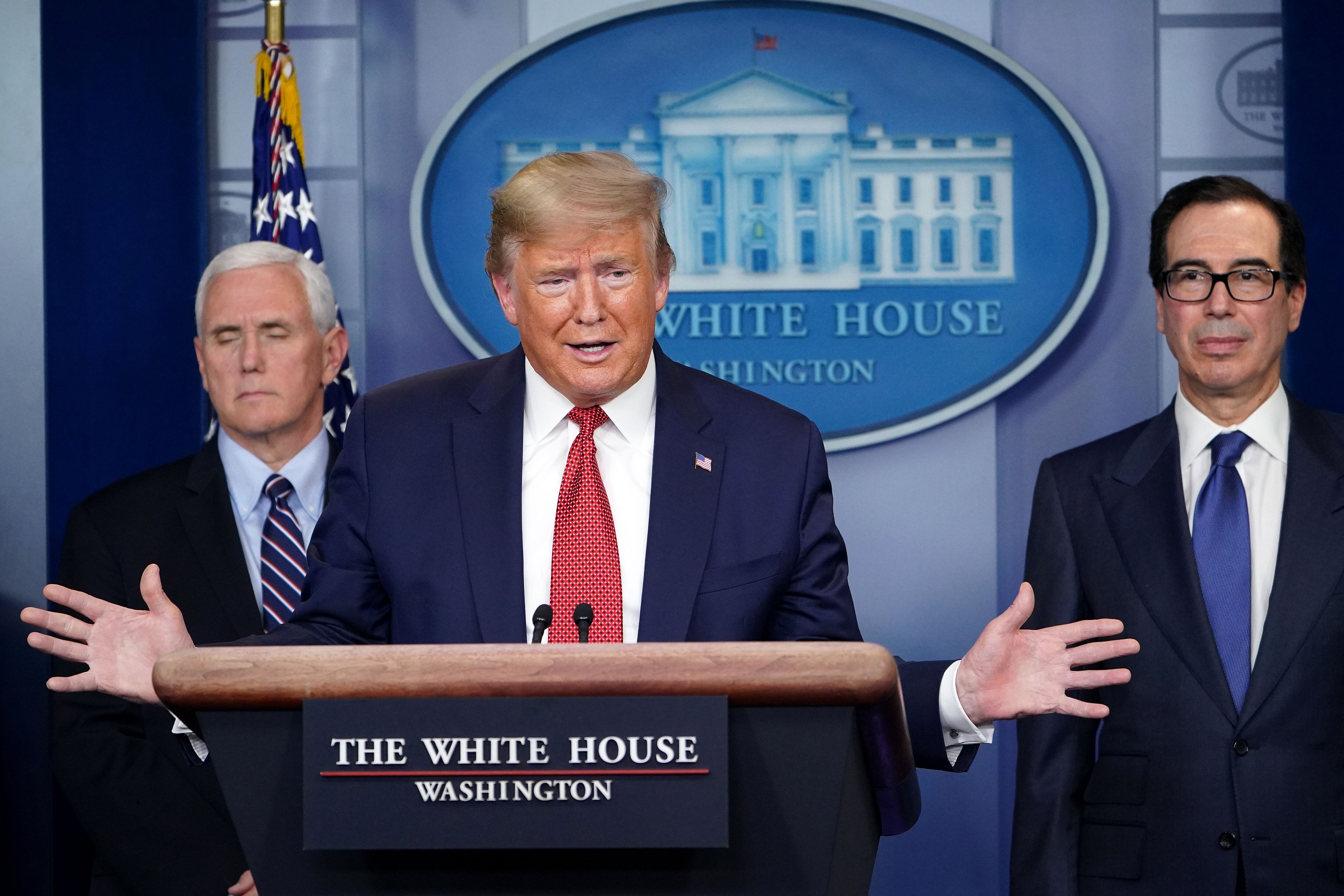
resident Donald Trump is imploring Congress to move on critical coronavirus aid without further delay. Senate leaders are trying to overcome late objections to a $2 trillion economic rescue package to ease the financial pain of the pandemic.
Stocks scored their first back-to-back gains since a brutal sell-off began five weeks ago, but much of an early rally faded late in the day as a last-minute dispute threatened to hold up a $2 trillion economic rescue package in Congress.
The U.S. Senate Committee on Banking, Housing and Urban Affairs introduced legislation Tuesday requiring banks to maintain “digital dollar wallets” for coronavirus stimulus payments to consumers.
New York Governor Andrew Cuomo Wednesday afternoon said the greatest strain on the state’s health care system from the coronavirus could come in approximately 21 days, while also providing early indications about steps the state might eventually take to restart the economy.
One of the most influential industries on Capitol Hill was left out of the package that advanced early Wednesday, an apparent setback for a sector that had expected to easily secure $3 billion to fund the purchase of oil to fill the Strategic Petroleum Reserve (SPR).
There's no 12th Democratic presidential debate on the horizon now that the nominating process is in a holding pattern due to the coronavirus pandemic.
The Senate will reconvene later Wednesday to vote on the package. But that does not mean the bill is guaranteed to land on President Donald Trump’s desk. The House of Representatives has to pass it, and that may not be an easy feat.
The White House and Senate leaders of both major political parties announced agreement early Wednesday on an unprecedented $2 trillion emergency bill to rush sweeping aid to businesses, workers and a health care system slammed by the coronavirus pandemic.
Stocks are moving tentatively higher in early trading on Wall Street Wednesday after Congress and the White House reached a deal to inject nearly $2 trillion of aid into an economy ravaged by the coronavirus.
The death toll in Spain from the coronavirus shot up by more than 700 on Wednesday, surpassing China and is now second only to Italy as the pandemic spread rapidly in Europe, with even Britain’s Prince Charles testing positive for the virus.