By Fatima Hussein
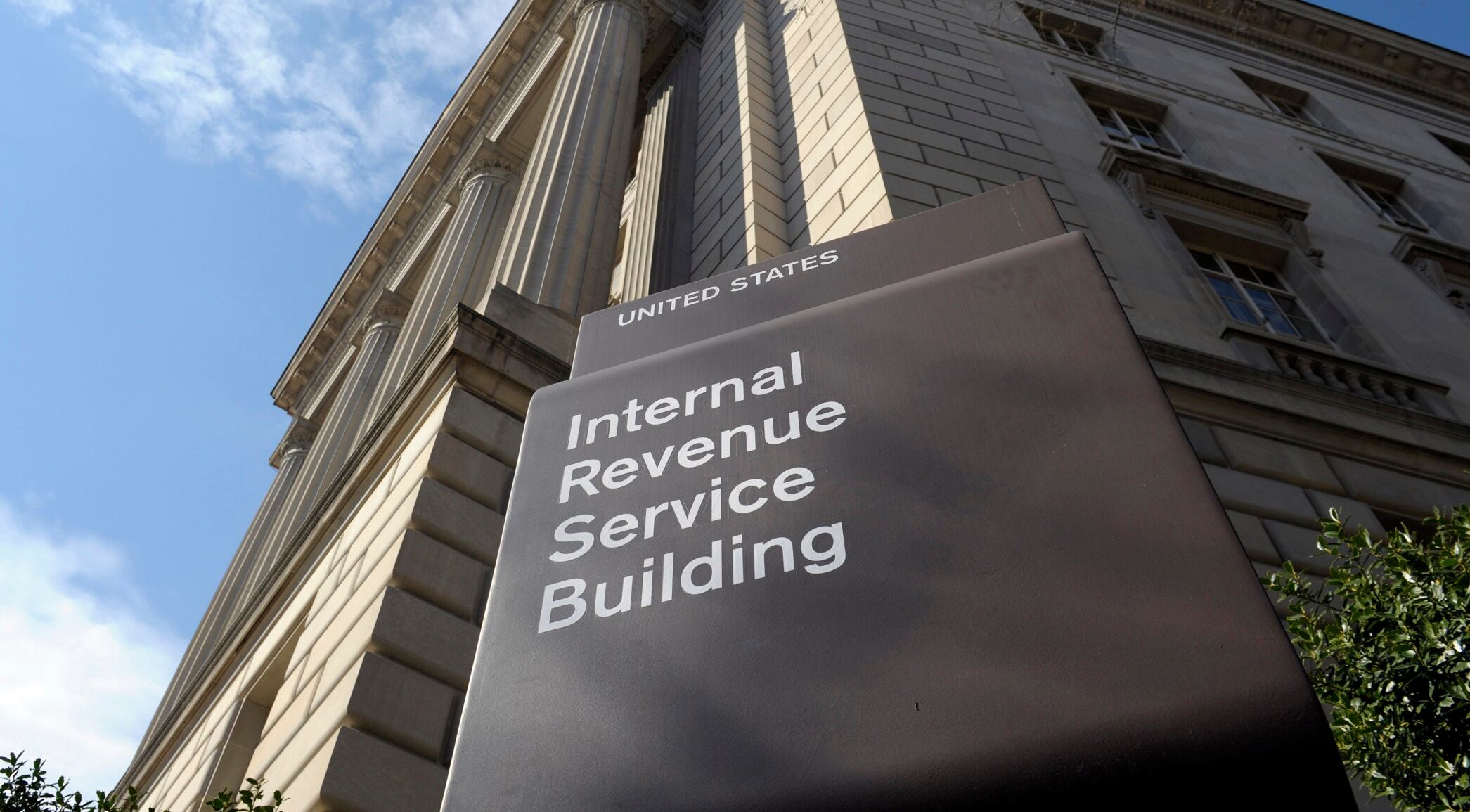
The IRS said Monday it will suspend the use of facial recognition technology to authenticate people who create online accounts after the practice was criticized by privacy advocates and lawmakers.
The agency said it would no longer use a third-party service, called ID.me, for facial recognition. Critics of the software said the database could become a target for cyberthreats. They also expressed concern about how the information could be used by other government agencies, among other concerns.
Earlier Monday, Senate Finance Committee Chair Ron Wyden, D-Ore., called on the agency to end its use of the ID.me software. After the IRS announced the practice would be suspended, Wyden said "the Treasury Department has made the smart decision to direct the IRS to transition away from using the controversial ID.me verification service.”
"No one should be forced to submit to facial recognition to access critical government services,” he added.
The IRS is currently grappling with a worker shortage and an expanded workload from processing tax filings and administering pandemic-related programs. Legislation that would have given the agency billions of dollars to more expeditiously process returns is stalled.
“The IRS takes taxpayer privacy and security seriously, and we understand the concerns that have been raised,” said IRS Commissioner Chuck Rettig.
“Everyone should feel comfortable with how their personal information is secured, and we are quickly pursuing short-term options that do not involve facial recognition.”
The agency said the transition would occur “over the coming weeks in order to prevent larger disruptions to taxpayers during filing season.”
New York Gov. Andrew Cuomo said Thursday that a state survey of about 3,000 people found that 13.9% had antibodies suggesting they had been exposed to the virus.
Hart Island is a mile-long patch of land in the Long Island Sound off the coast of the Bronx, which normally slips under the radar for most New Yorkers. In recent weeks, the unassuming island made headlines after drones captured aerial images of workers loading simple caskets three-deep into trenches wide enough to fit over 100 bodies.
Congressman Barry Loudermilk (R-Ga. 11th District) supports the Georgia Gov. Brian Kemp's plan and says the state is prepared to deal with a possible resurgence.
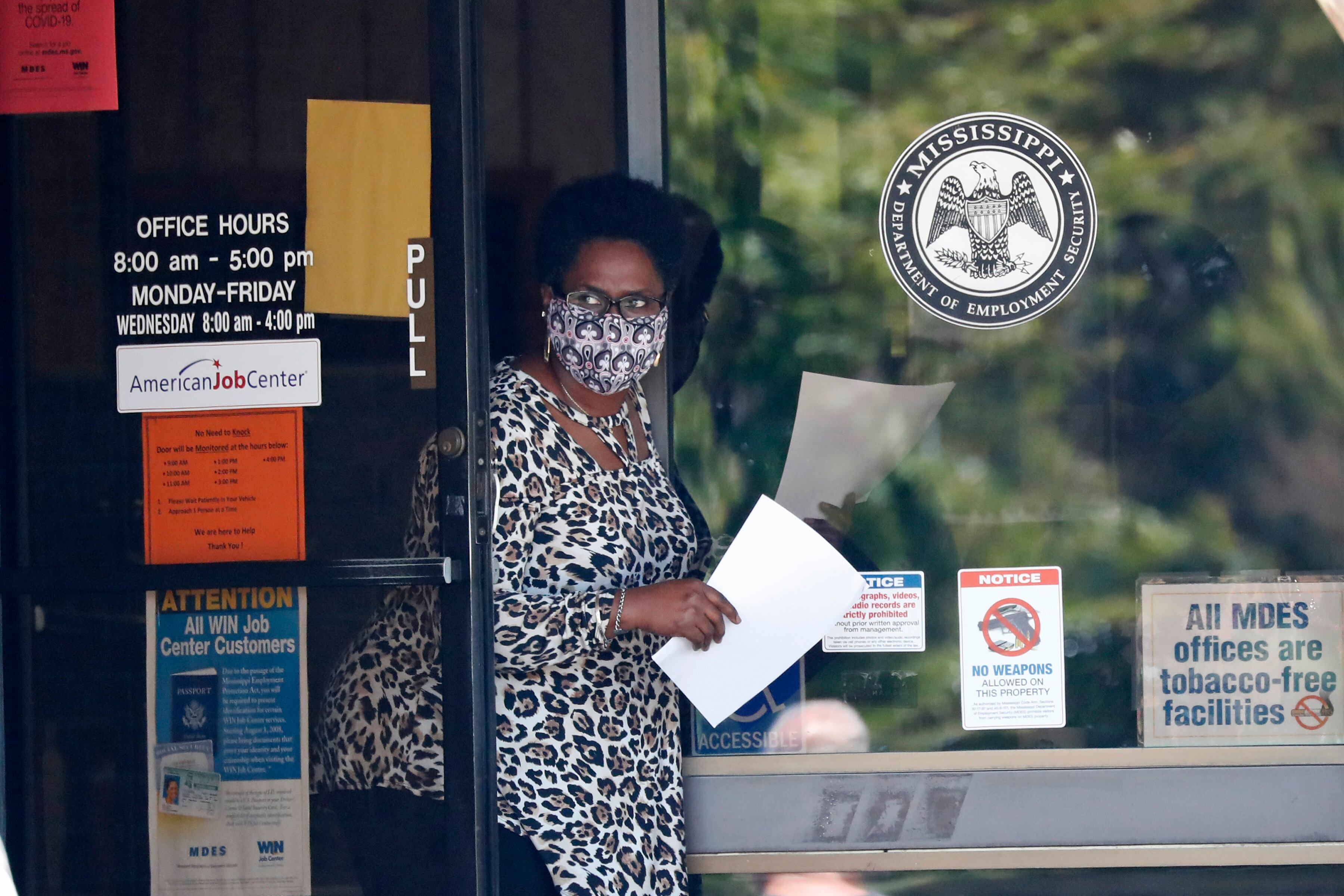
Stocks are pushing higher Thursday, even though the government said 4.4 million more workers filed for unemployment benefits last week.
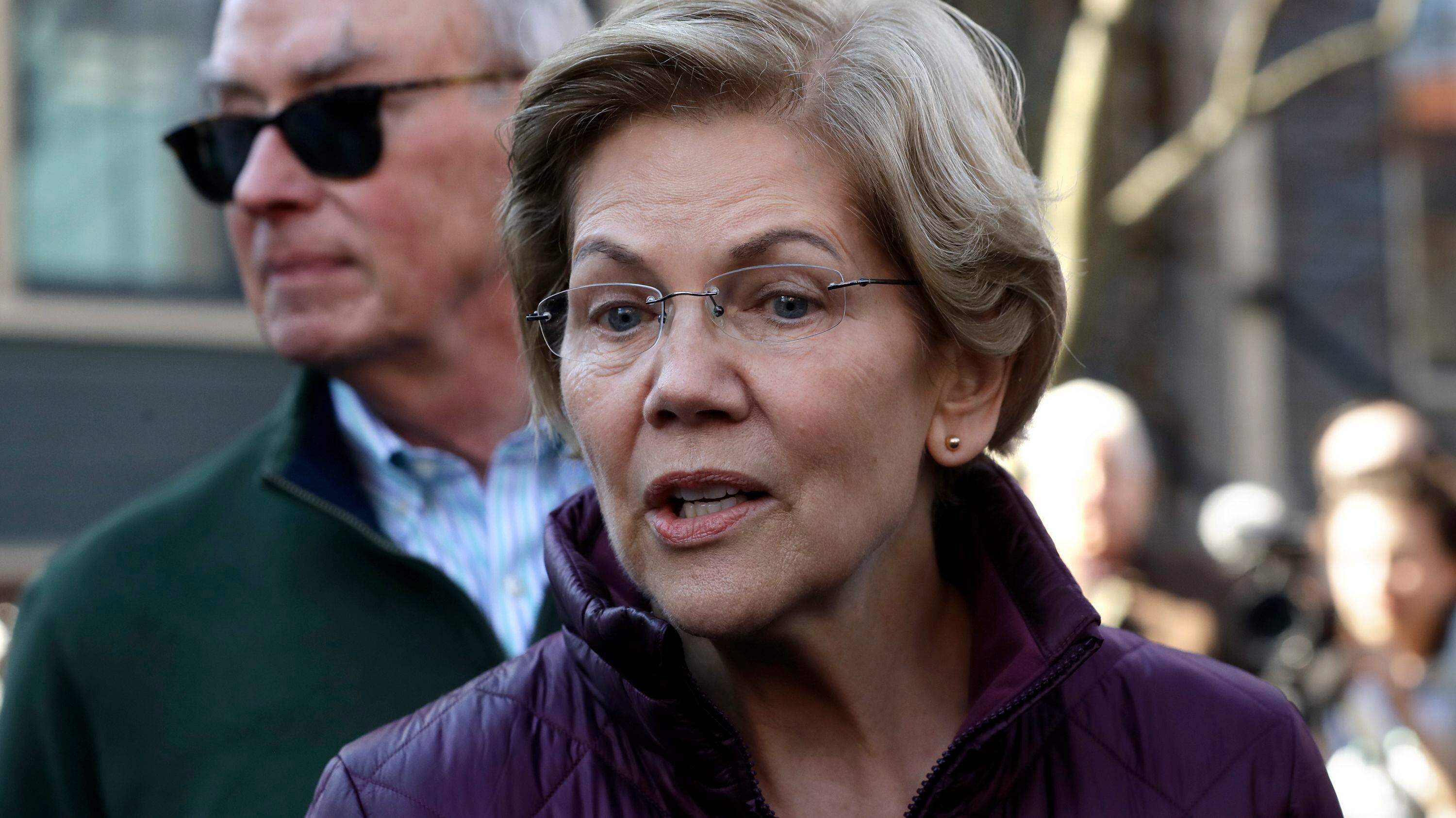
The oldest brother of Sen. Elizabeth Warren, Donald Reed Herring, has died from the coronavirus. The former Democratic presidential candidate said Thursday that her brother died Tuesday evening.
More than 4.4 million laid-off workers applied for U.S. unemployment benefits last week as job cuts escalated across an economy that remains all but shut down, the government said Thursday.
Stocks opened slightly higher Thursday, even after the government said 4.4 million more workers filed for unemployment benefits last week as layoffs sweep the economy.
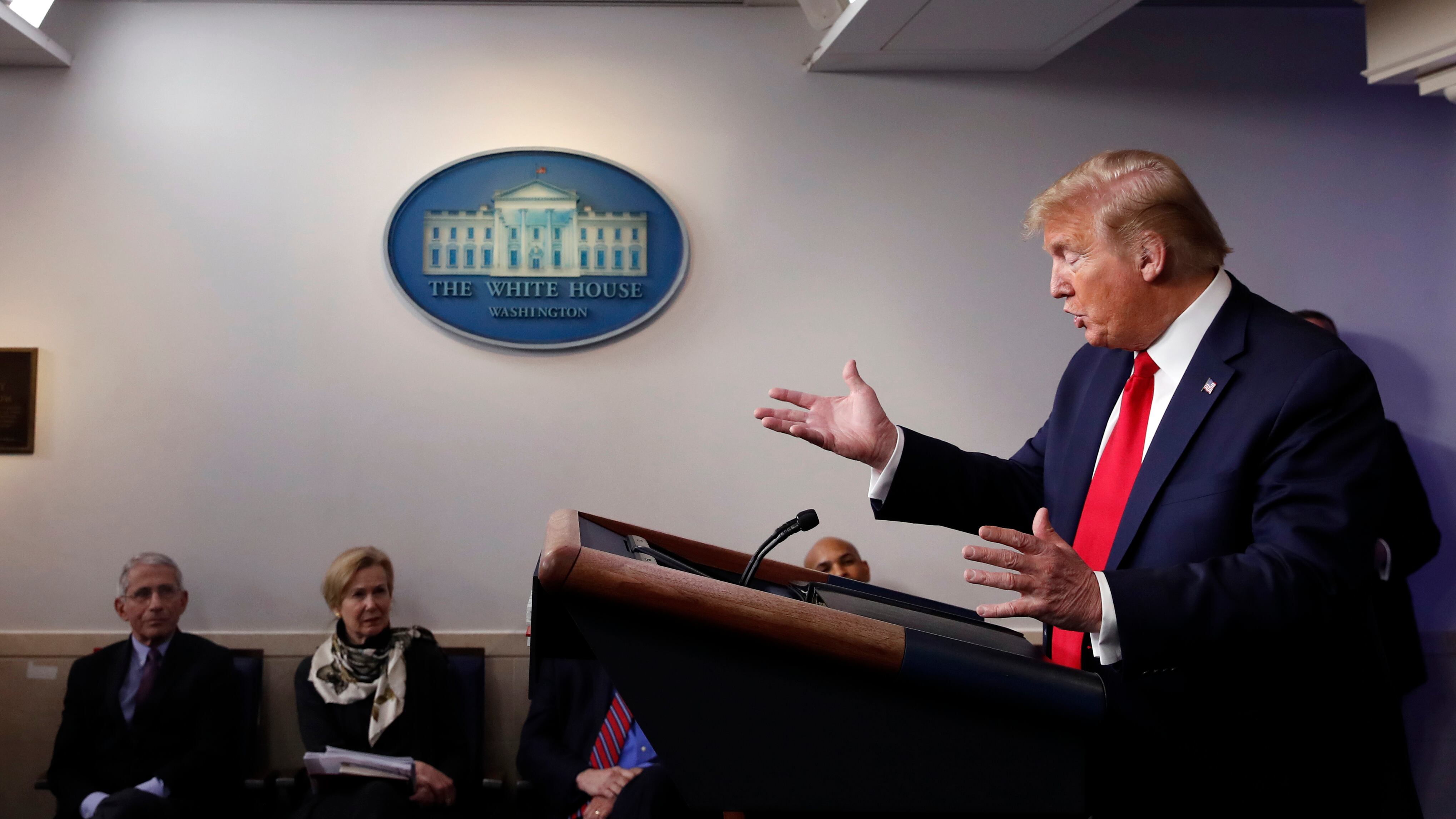
For weeks, the Trump administration played up the dangers of the coronavirus as it sought to convince Americans to disrupt their lives and stay home. Now, as President Donald Trump aims for a swift nationwide reopening, he faces a new challenge: Convincing people it’s safe to come out and resume their normal lives.
A new survey finds Americans remain overwhelmingly in favor of stay-at-home orders and other efforts to slow the spread of the coronavirus. A majority say it won’t be safe to lift such restrictions anytime soon. T
Stocks are closing higher on Wall Street after two days of losses, and the price of oil burst higher a day after a historic plunge.