By Fatima Hussein
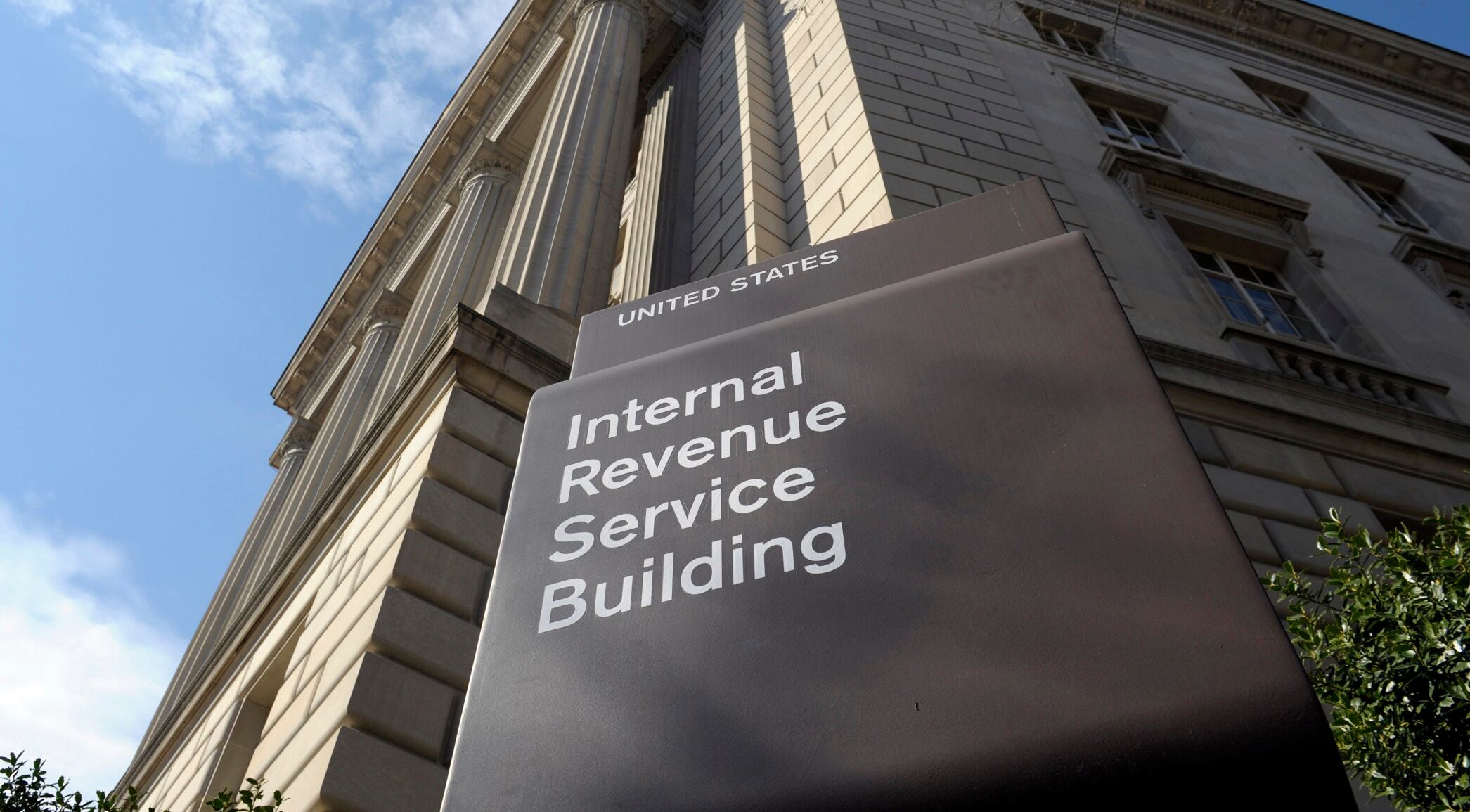
The IRS said Monday it will suspend the use of facial recognition technology to authenticate people who create online accounts after the practice was criticized by privacy advocates and lawmakers.
The agency said it would no longer use a third-party service, called ID.me, for facial recognition. Critics of the software said the database could become a target for cyberthreats. They also expressed concern about how the information could be used by other government agencies, among other concerns.
Earlier Monday, Senate Finance Committee Chair Ron Wyden, D-Ore., called on the agency to end its use of the ID.me software. After the IRS announced the practice would be suspended, Wyden said "the Treasury Department has made the smart decision to direct the IRS to transition away from using the controversial ID.me verification service.”
"No one should be forced to submit to facial recognition to access critical government services,” he added.
The IRS is currently grappling with a worker shortage and an expanded workload from processing tax filings and administering pandemic-related programs. Legislation that would have given the agency billions of dollars to more expeditiously process returns is stalled.
“The IRS takes taxpayer privacy and security seriously, and we understand the concerns that have been raised,” said IRS Commissioner Chuck Rettig.
“Everyone should feel comfortable with how their personal information is secured, and we are quickly pursuing short-term options that do not involve facial recognition.”
The agency said the transition would occur “over the coming weeks in order to prevent larger disruptions to taxpayers during filing season.”
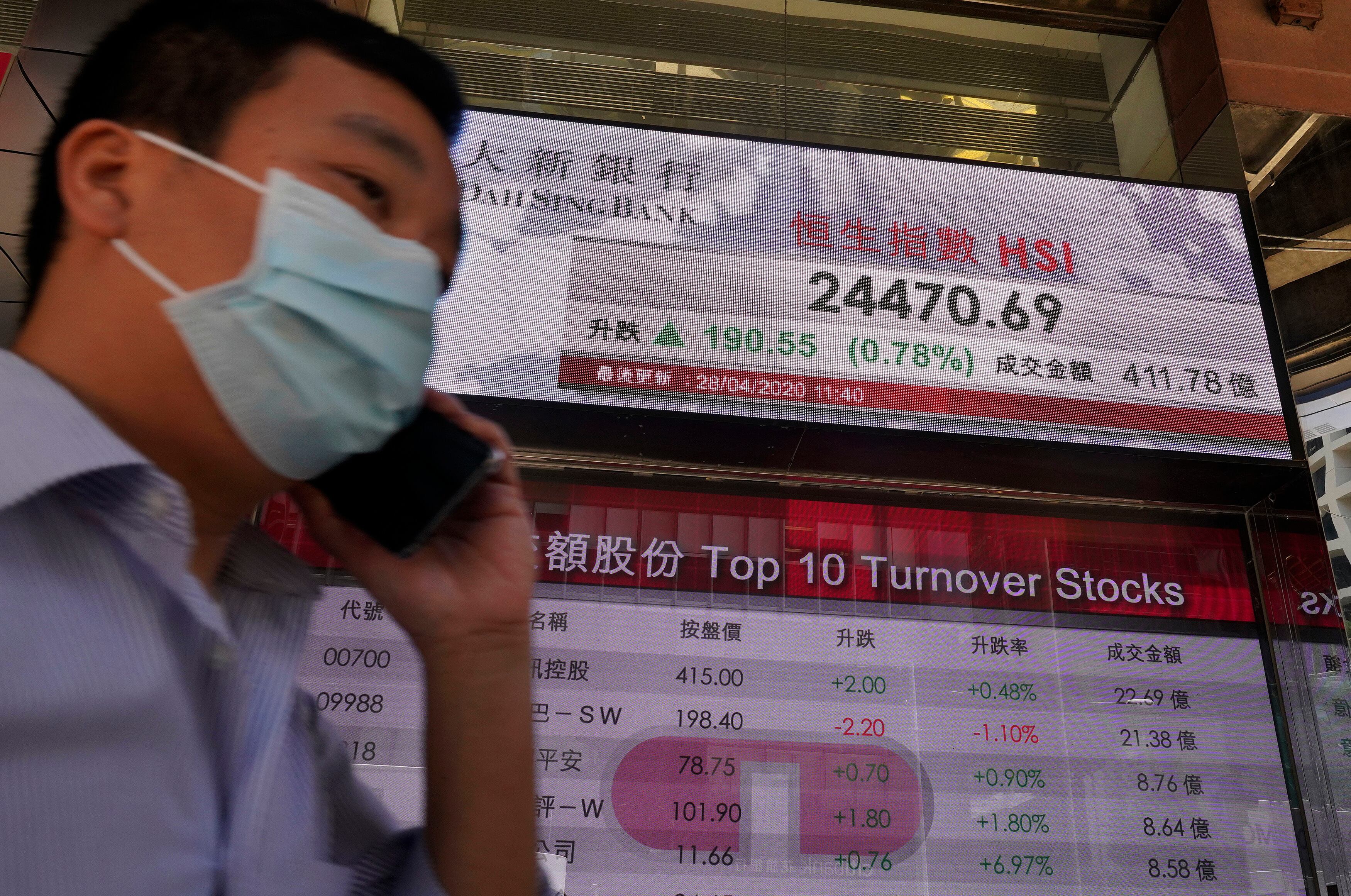
Stocks are rising in early trading on Wall Street as nations and some U.S. states move toward reopening their economies from lockdowns made to restrict the spread of the coronavirus.
Secretary of Housing and Urban Development, Dr. Ben Carson said that the rest of the country will learn a lot from Georgia's experiment.
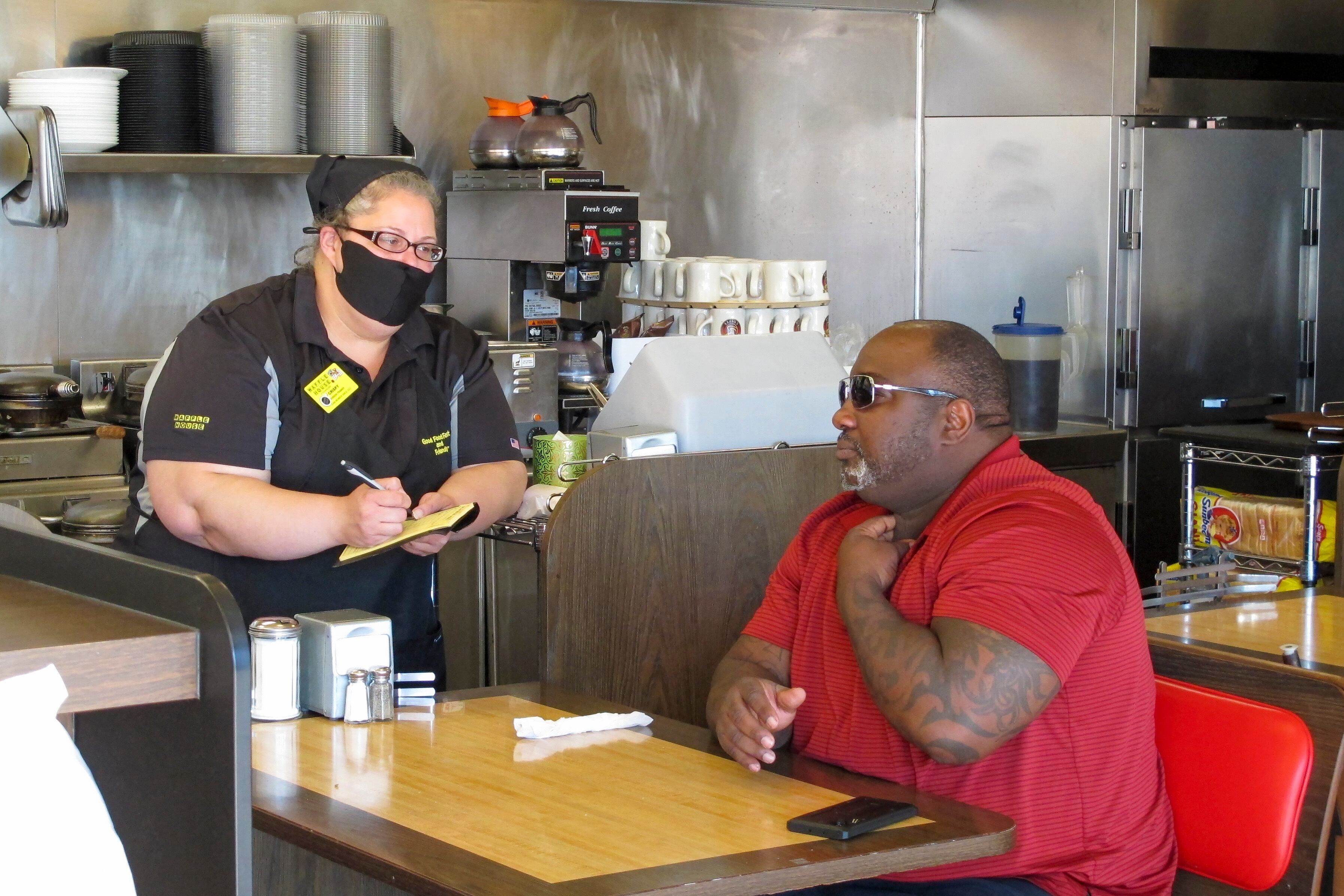
Some Georgia restaurants began reopening dine-in areas in line with an executive order from Gov. Brian Kemp that went into effect Monday.
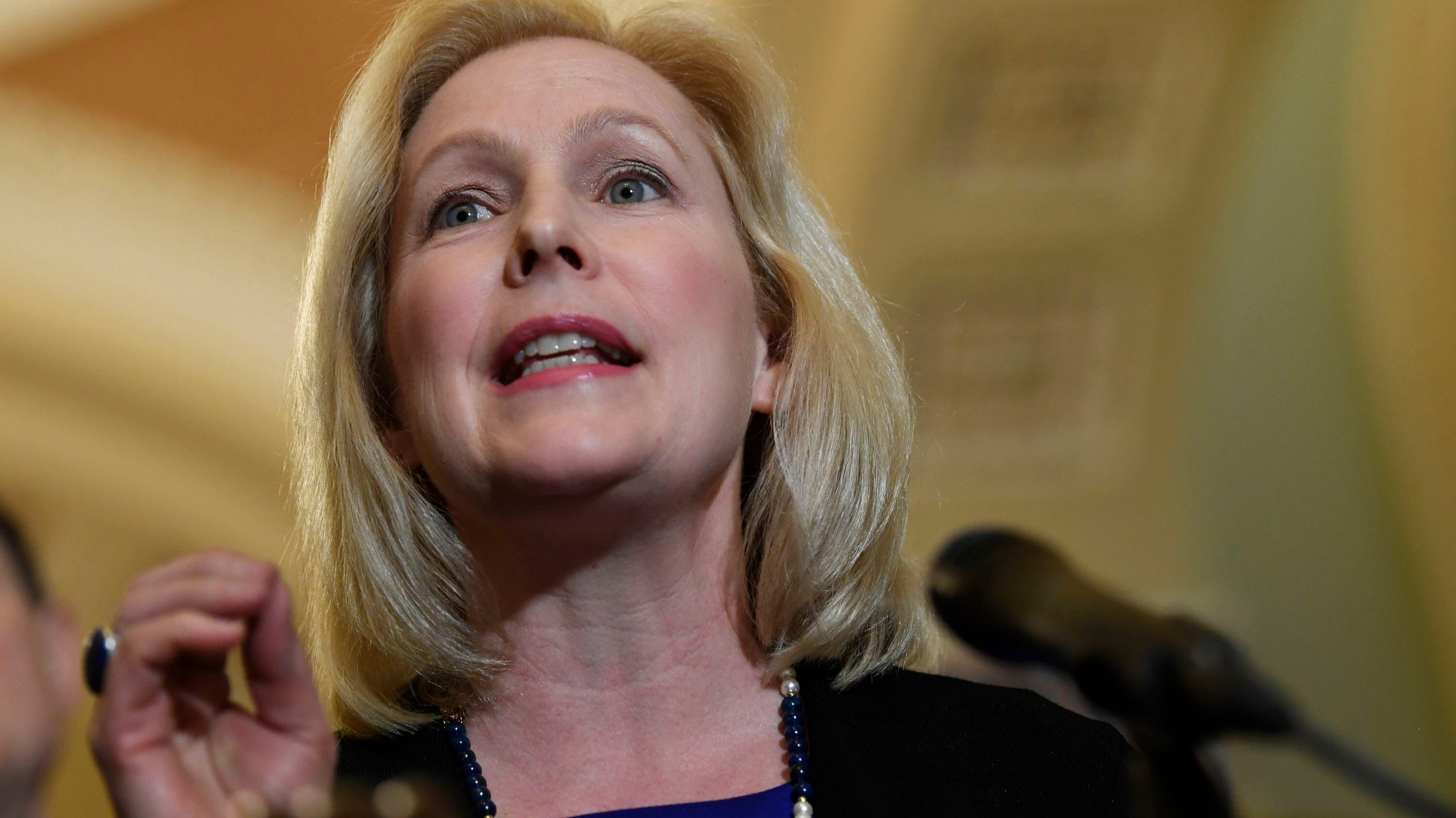
The senator told Cheddar Monday that banking through the U.S. Postal Service will be able to serve more people during the pandemic, specifically low-income families, who are more likely to be unbanked.
Stocks are closing higher on Wall Street and around the world as governments prepare to gradually lift restrictions they imposed on businesses to slow the sweep of the coronavirus pandemic.
The Trump administration is reviewing new federal plans designed to guide restaurants, schools and others as states look to gradually lift their coronavirus restrictions. The draft guidance from the Centers for Disease Control and Prevention has been sent to Washington and still could change.
New York has canceled its Democratic presidential primary originally scheduled for June 23 amid the coronavirus epidemic in an unprecedented move. The Democratic members of the State’s Board of Elections voted Monday to nix the primary.
Stocks are rising around the world as governments prepare to gradually lift restrictions they imposed on businesses to slow the sweep of the coronavirus pandemic.
From Wall Street to Silicon Valley, these are the top stories that moved markets and had investors, business leaders, and entrepreneurs talking this week on Cheddar.
Stocks are closing out a tumultuous week with broad gains, led by familiar names in technology including Apple. The S&P 500 rose 1.4% Friday but still ended the week lower, breaking a two-week winning streak.