By Fatima Hussein
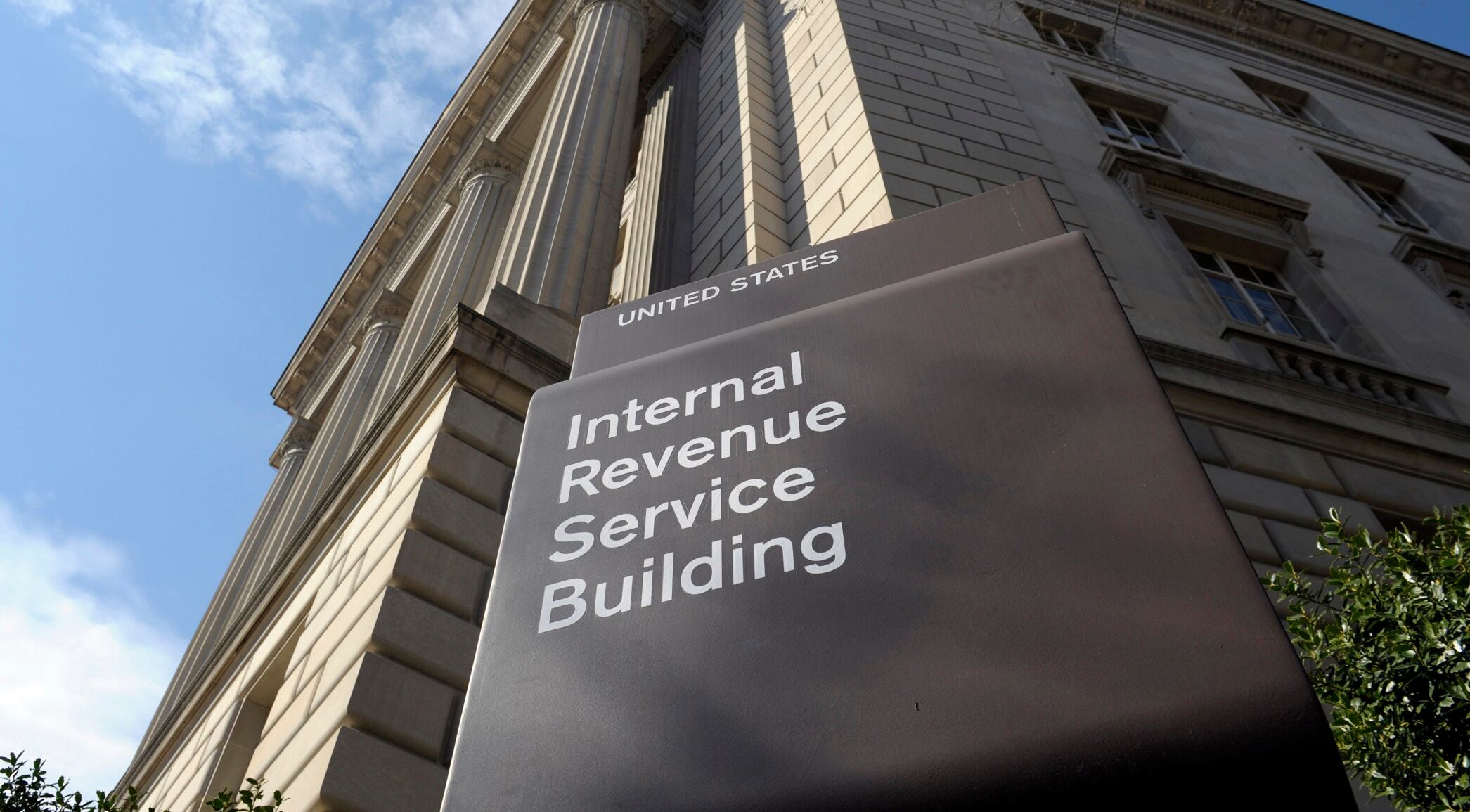
The IRS said Monday it will suspend the use of facial recognition technology to authenticate people who create online accounts after the practice was criticized by privacy advocates and lawmakers.
The agency said it would no longer use a third-party service, called ID.me, for facial recognition. Critics of the software said the database could become a target for cyberthreats. They also expressed concern about how the information could be used by other government agencies, among other concerns.
Earlier Monday, Senate Finance Committee Chair Ron Wyden, D-Ore., called on the agency to end its use of the ID.me software. After the IRS announced the practice would be suspended, Wyden said "the Treasury Department has made the smart decision to direct the IRS to transition away from using the controversial ID.me verification service.”
"No one should be forced to submit to facial recognition to access critical government services,” he added.
The IRS is currently grappling with a worker shortage and an expanded workload from processing tax filings and administering pandemic-related programs. Legislation that would have given the agency billions of dollars to more expeditiously process returns is stalled.
“The IRS takes taxpayer privacy and security seriously, and we understand the concerns that have been raised,” said IRS Commissioner Chuck Rettig.
“Everyone should feel comfortable with how their personal information is secured, and we are quickly pursuing short-term options that do not involve facial recognition.”
The agency said the transition would occur “over the coming weeks in order to prevent larger disruptions to taxpayers during filing season.”
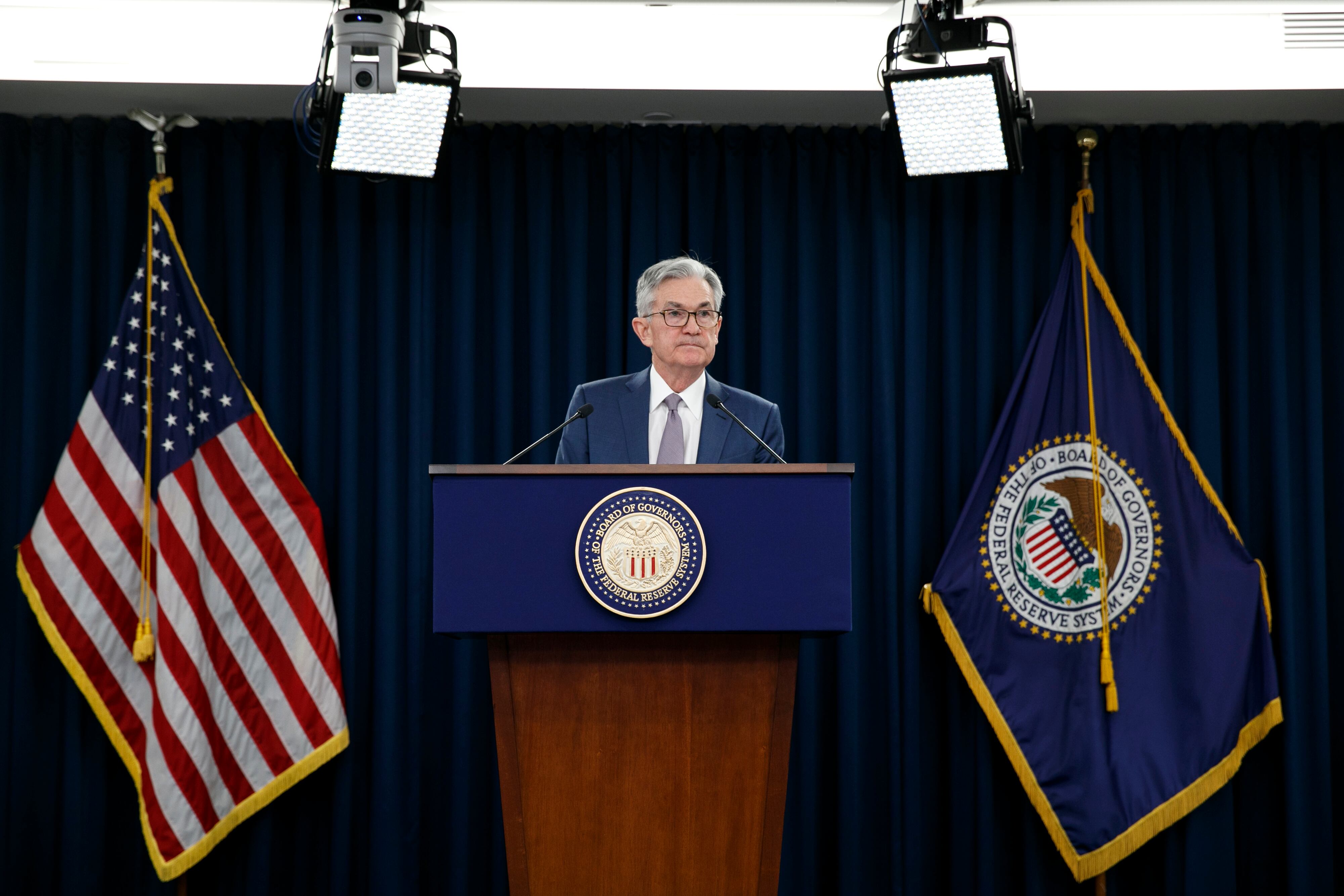
The Federal Reserve says it will keep its key short-term interest rate near zero for the foreseeable future as part of its extraordinary efforts to bolster an economy that is sinking into its worst crisis since the 1930s.
The National Institute of Allergy and Infectious Diseases (NIAID) on Wednesday announced the results of a study looking into a potential COVID-19 treatment that it says shows promise.
Julie Menin, director of New York City Census 2020, told Cheddar Wednesday that the pandemic is a stark reminder that the census is important.
Stocks charged higher around the world Wednesday following an encouraging report on a possible treatment for COVID-19.
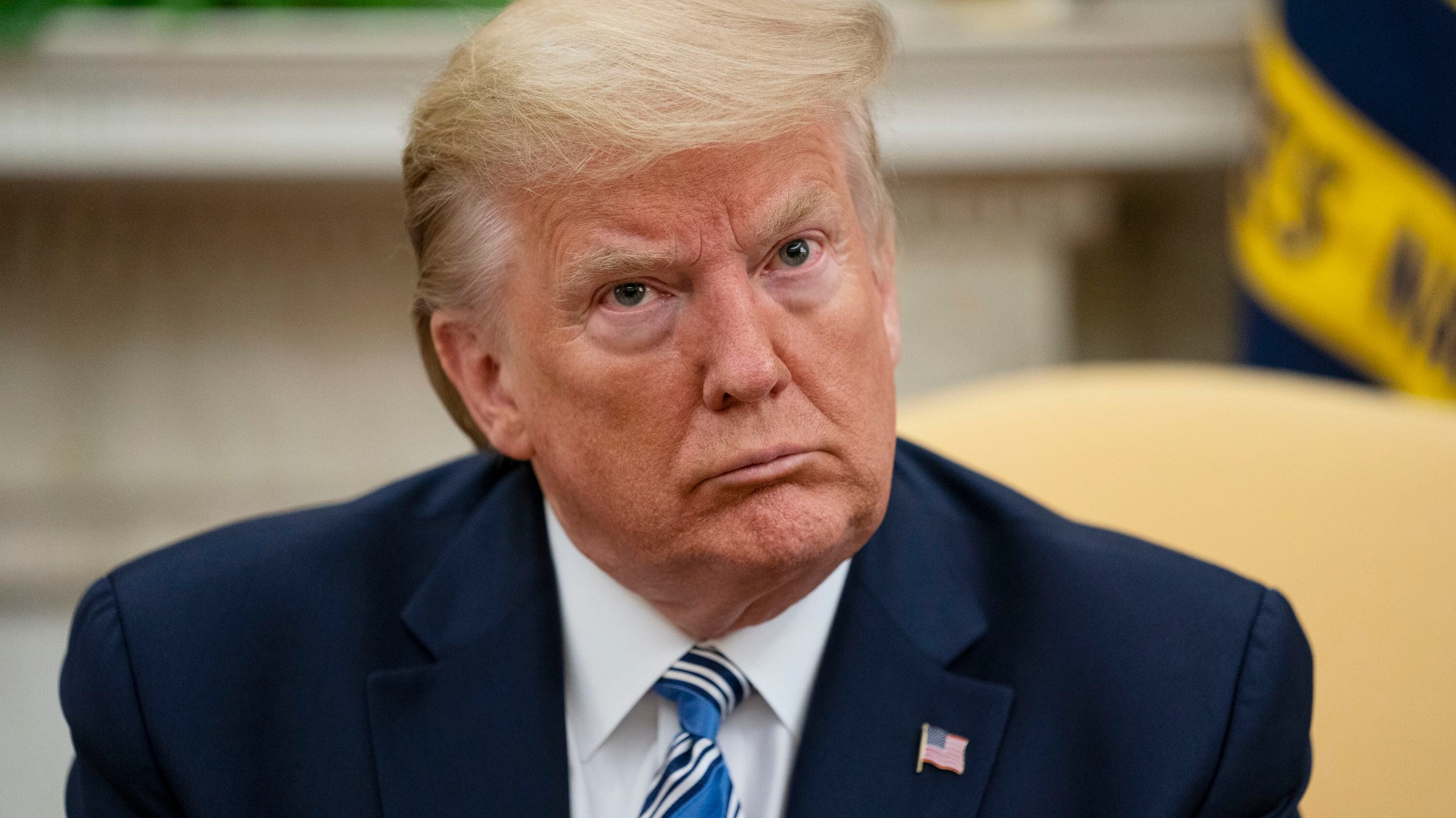
President Donald Trump will take executive action Tuesday to order meat processing plants to stay open amid concerns over growing coronavirus cases and the impact on the nation’s food supply.
Stocks gave up an early gain on Wall Street and are mixed in afternoon trading Tuesday. The day’s leaderboard looks like nearly the mirror opposite of stocks’ performance through the market’s sell-off this year.
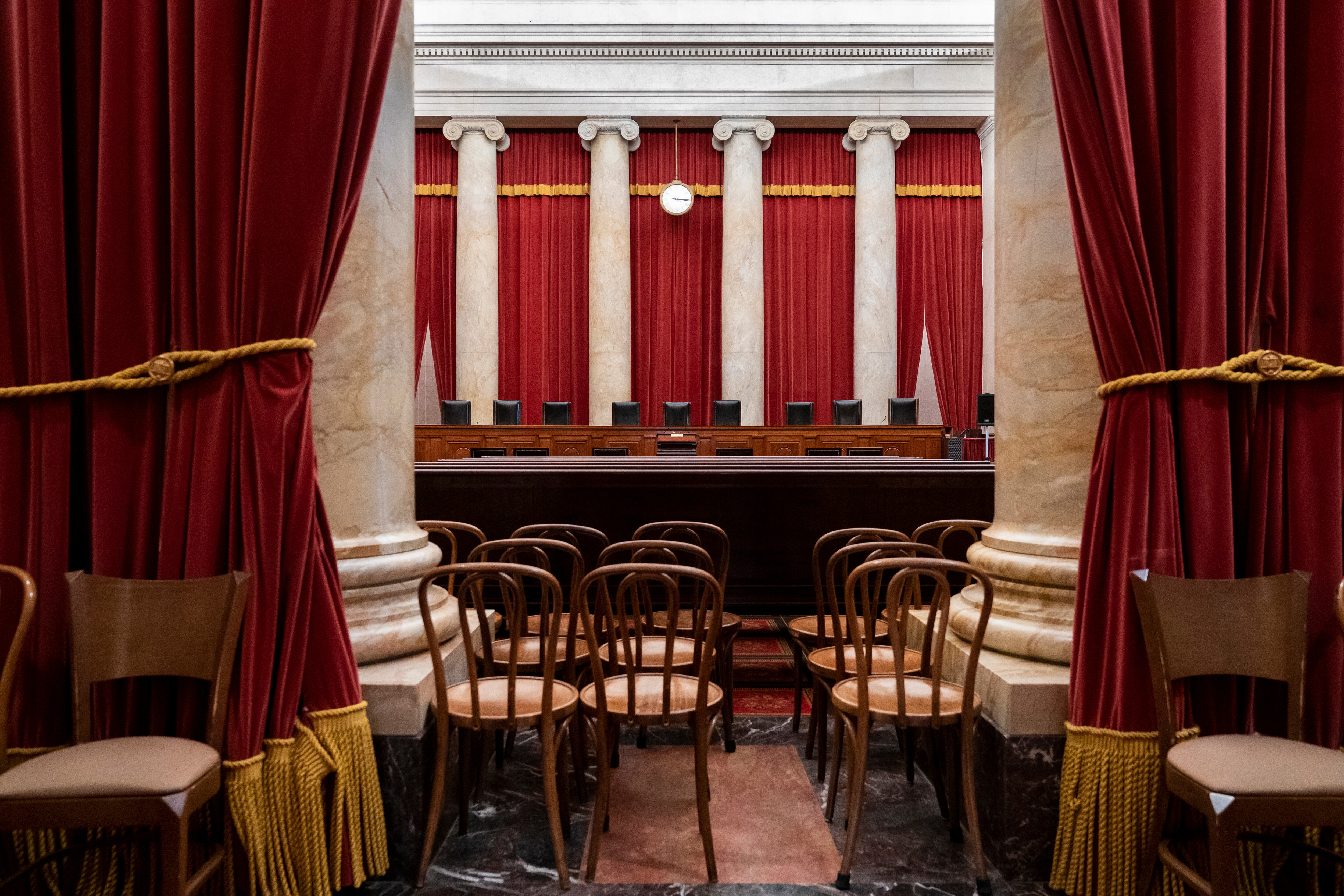
Because of the coronavirus pandemic the high court is, for the first time in its 230-year history, holding arguments by telephone.
Dr. Richard Besser, president and CEO of the non-profit healthcare organization, the Robert Wood Johnson Foundation, talks about how the pandemic has exposed the harsh inequalities driving poorer health outcomes in the U.S.
Banks trying to submit applications for thousands of small businesses seeking coronavirus relief loans have hit a bottleneck for a second day at the Small Business Administration.
Stocks gave up an early gain on Wall Street and were mixed in late morning trading Tuesday while the price of oil continued its wild ride.