By Fatima Hussein
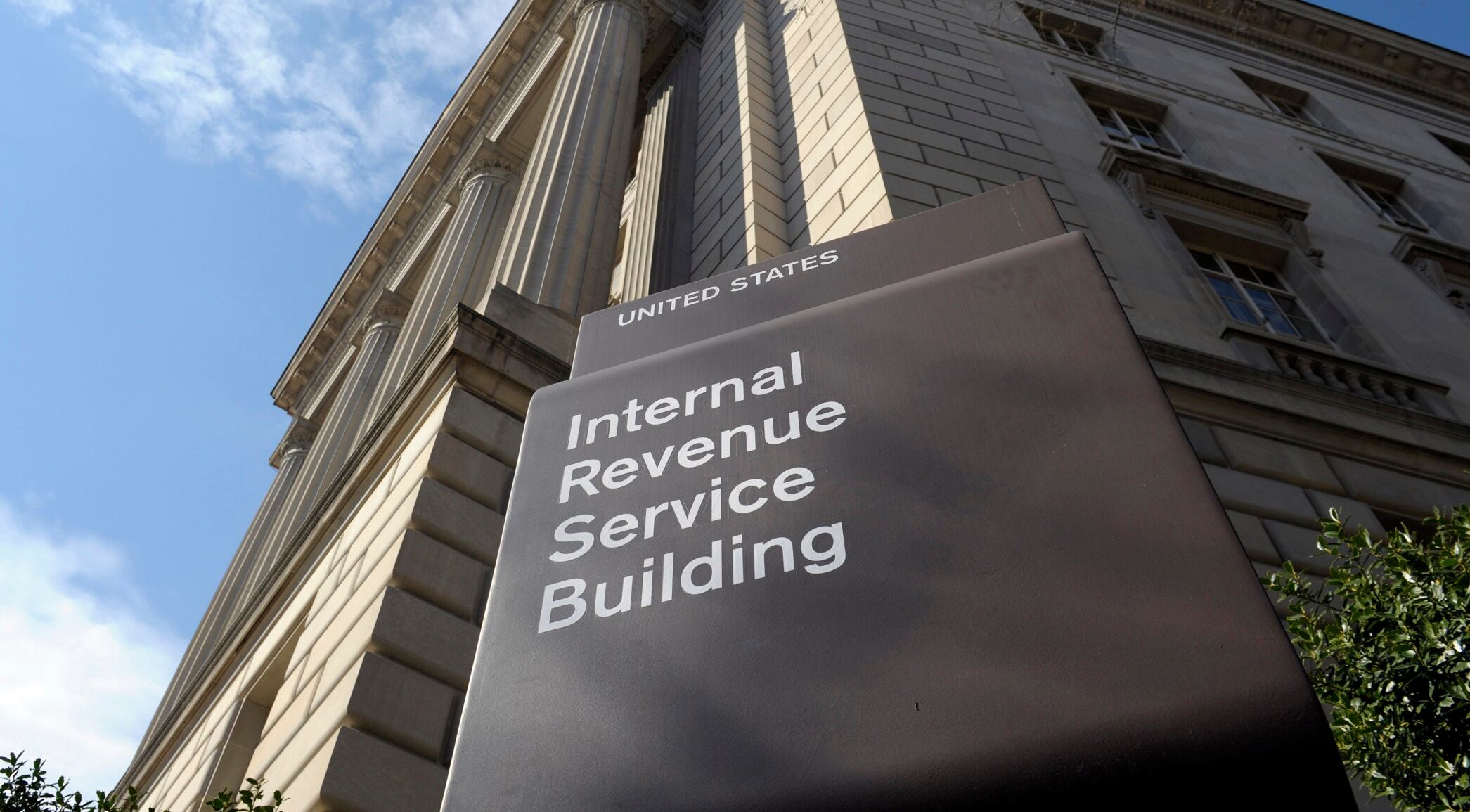
The IRS said Monday it will suspend the use of facial recognition technology to authenticate people who create online accounts after the practice was criticized by privacy advocates and lawmakers.
The agency said it would no longer use a third-party service, called ID.me, for facial recognition. Critics of the software said the database could become a target for cyberthreats. They also expressed concern about how the information could be used by other government agencies, among other concerns.
Earlier Monday, Senate Finance Committee Chair Ron Wyden, D-Ore., called on the agency to end its use of the ID.me software. After the IRS announced the practice would be suspended, Wyden said "the Treasury Department has made the smart decision to direct the IRS to transition away from using the controversial ID.me verification service.”
"No one should be forced to submit to facial recognition to access critical government services,” he added.
The IRS is currently grappling with a worker shortage and an expanded workload from processing tax filings and administering pandemic-related programs. Legislation that would have given the agency billions of dollars to more expeditiously process returns is stalled.
“The IRS takes taxpayer privacy and security seriously, and we understand the concerns that have been raised,” said IRS Commissioner Chuck Rettig.
“Everyone should feel comfortable with how their personal information is secured, and we are quickly pursuing short-term options that do not involve facial recognition.”
The agency said the transition would occur “over the coming weeks in order to prevent larger disruptions to taxpayers during filing season.”
As governments around the world consider how to monitor new coronavirus outbreaks while reopening their societies, many are starting to bet on smartphone apps to help stanch the pandemic. But their decisions on which technologies to use — and how far those allow authorities to peer into private lives — are highlighting some uncomfortable trade-offs between protecting privacy and public health.
The stock market shook off a weak start and ended with modest gains Monday, thanks to another solid showing from big technology companies.
The Treasury Department says it will need to borrow a record $2.99 trillion during the current April-June quarter to cover the cost of the government’s various pandemic rescue efforts.
Companies across a wide swath of industries have found ways to give back to communities in their time of need amid the COVID-19 pandemic.
It’s a morning of firsts for the Supreme Court: the first time audio of the court’s arguments is being heard live by the world and the first arguments by telephone. The changes are a result of the coronavirus pandemic, which has made holding courtroom sessions unsafe.
COVID-19 tests look for antibodies, which are proteins the body develops in response to toxic or foreign substances inside the bloodstream.
Utah's Lieutenant Governor Spencer Cox and Domo CEO Josh James joined Cheddar to discuss their partnership on testing for COVID-19.
From Wall Street to Silicon Valley, these are the top stories that moved markets and had investors, business leaders, and entrepreneurs talking this week on Cheddar.
Stocks ended lower on Wall Street Friday, giving up their gains for the week, after Amazon and other big companies laid out how the coronavirus pandemic is hitting their bottom lines.
Prime Minister Justin Trudeau said Friday that Canada is banning the use and trade of assault-style weapons immediately.