By Fatima Hussein
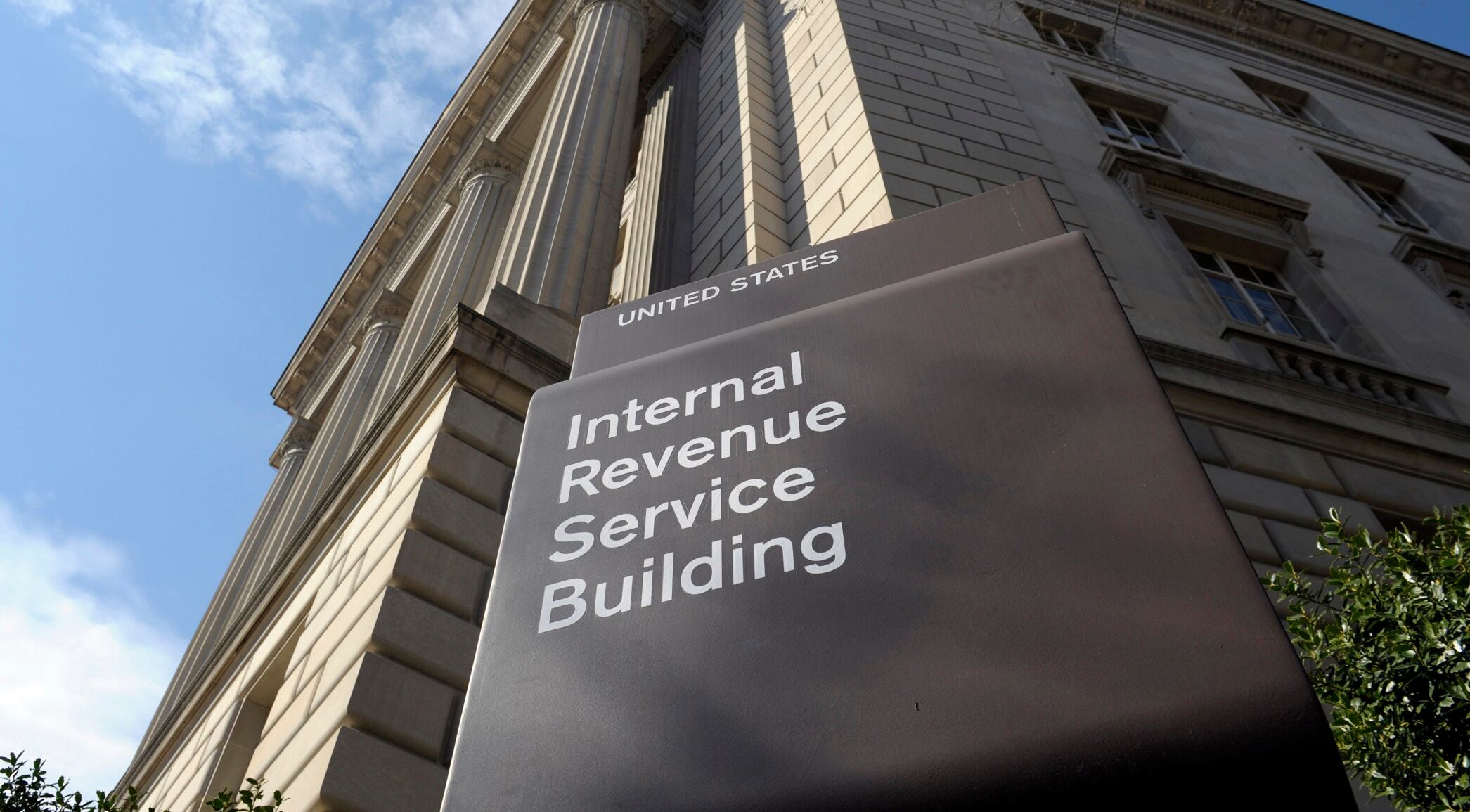
The IRS said Monday it will suspend the use of facial recognition technology to authenticate people who create online accounts after the practice was criticized by privacy advocates and lawmakers.
The agency said it would no longer use a third-party service, called ID.me, for facial recognition. Critics of the software said the database could become a target for cyberthreats. They also expressed concern about how the information could be used by other government agencies, among other concerns.
Earlier Monday, Senate Finance Committee Chair Ron Wyden, D-Ore., called on the agency to end its use of the ID.me software. After the IRS announced the practice would be suspended, Wyden said "the Treasury Department has made the smart decision to direct the IRS to transition away from using the controversial ID.me verification service.”
"No one should be forced to submit to facial recognition to access critical government services,” he added.
The IRS is currently grappling with a worker shortage and an expanded workload from processing tax filings and administering pandemic-related programs. Legislation that would have given the agency billions of dollars to more expeditiously process returns is stalled.
“The IRS takes taxpayer privacy and security seriously, and we understand the concerns that have been raised,” said IRS Commissioner Chuck Rettig.
“Everyone should feel comfortable with how their personal information is secured, and we are quickly pursuing short-term options that do not involve facial recognition.”
The agency said the transition would occur “over the coming weeks in order to prevent larger disruptions to taxpayers during filing season.”
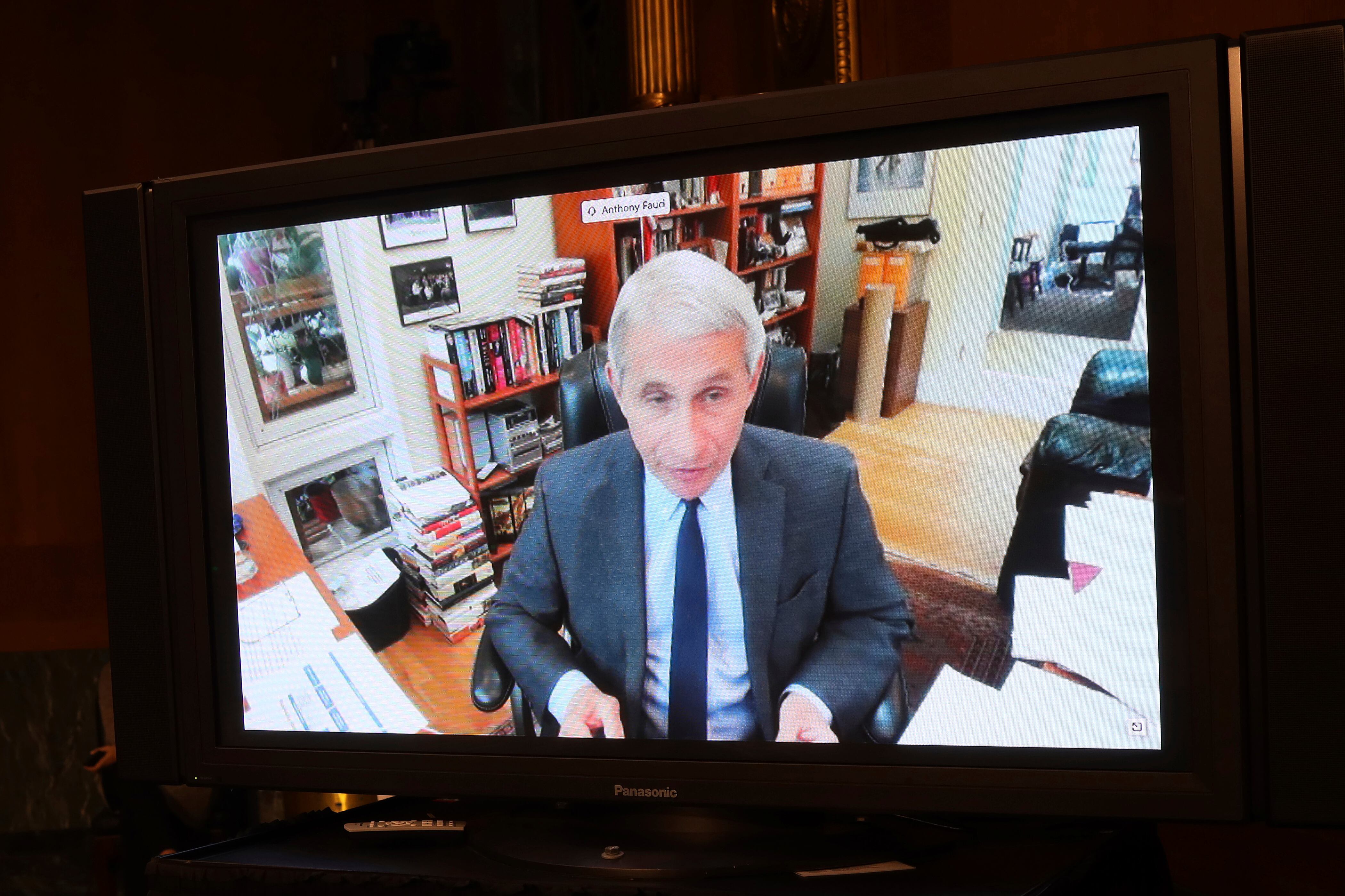
Dr. Anthony Fauci, the nation’s top infectious disease expert, is warning Congress and the nation of what he calls "really serious” consequences of suffering, death and deeper economic damage if state and local officials lift stay-at-home orders too quickly.
Broward County Mayor Dale V.C. Holness told Cheddar Monday many of the counties in South Florida have been working together to decide on a reopening date for their communities.
Dr. Beth Cameron, who is currently vice president of global biology programs at the Nuclear Threat Initiative, was previously a senior director in the White House pandemic office under the National Security Council.
The White House is requiring everyone who enters the West Wing to wear a mask or face covering.
Tesla CEO Elon Musk confirmed on Twitter Monday that the company has restarted its California factory in violation of local government orders.
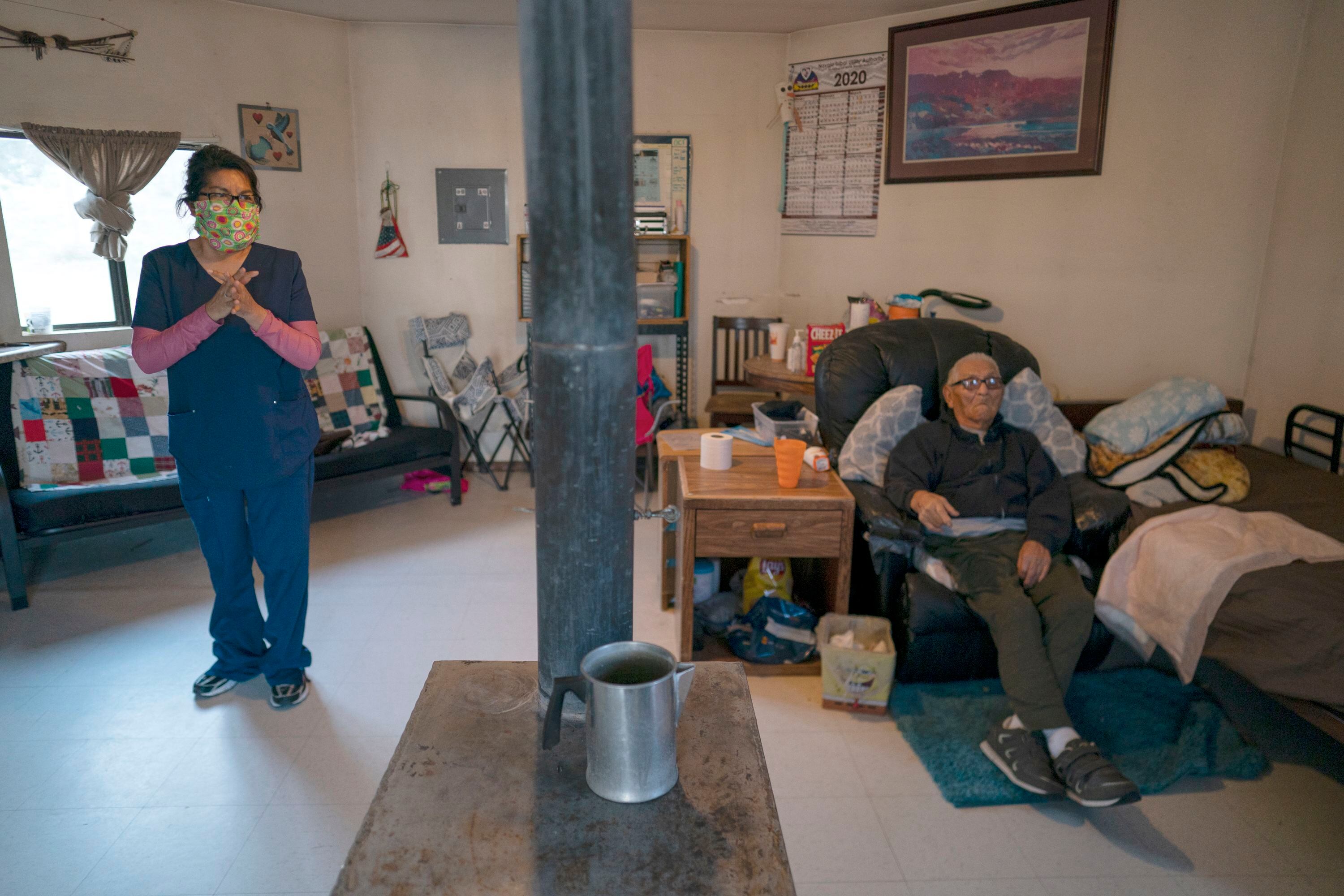
The Navajo reservation spans three western U.S. states and has some of the highest rates of coronavirus in the country. With roughly 175,000 people living there, the tribe has seen 3,122 cases. At least 100 people have died.
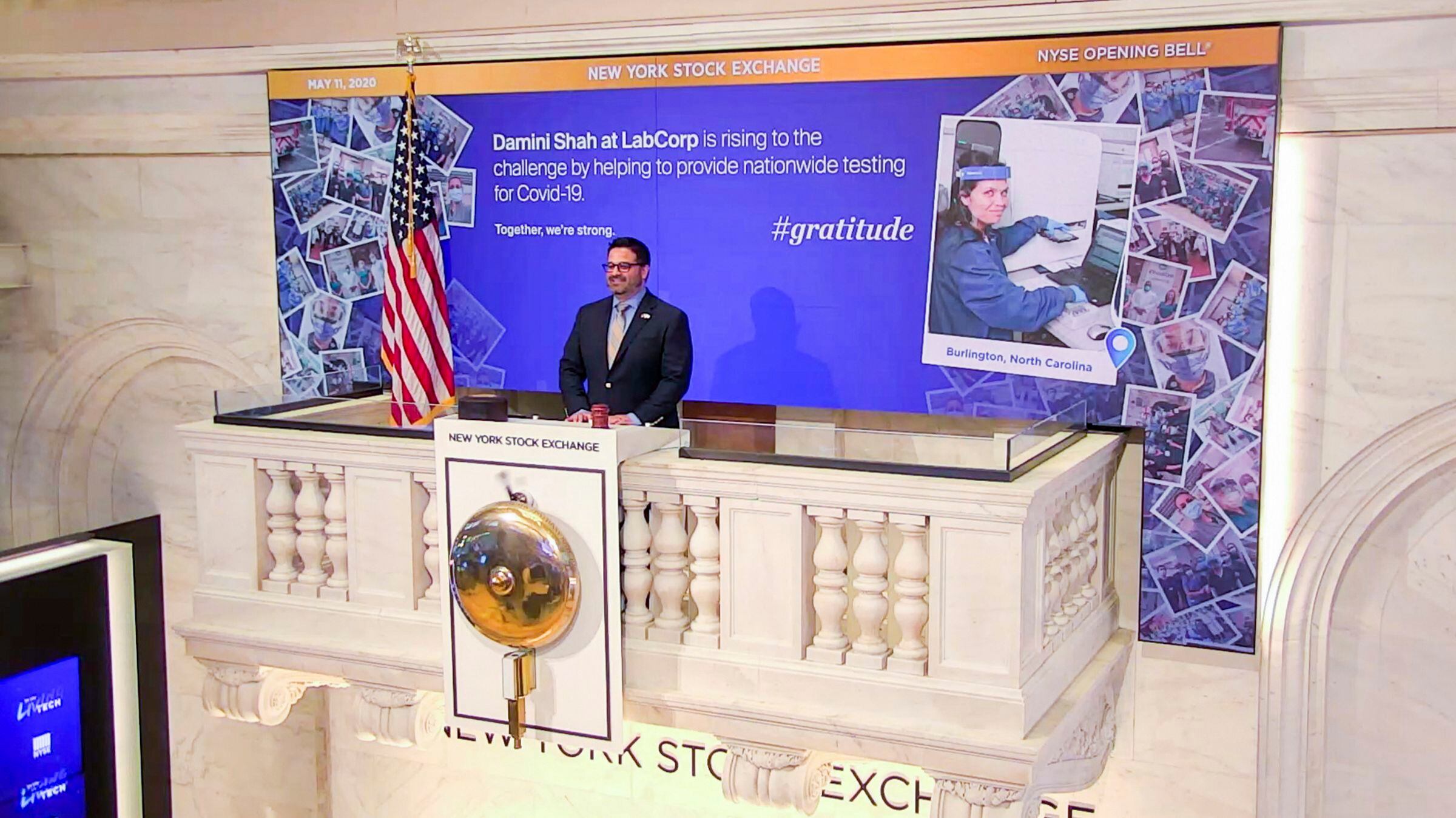
Stocks are dipping in early trading on Wall Street Monday and giving back some of the strong gains made last week.
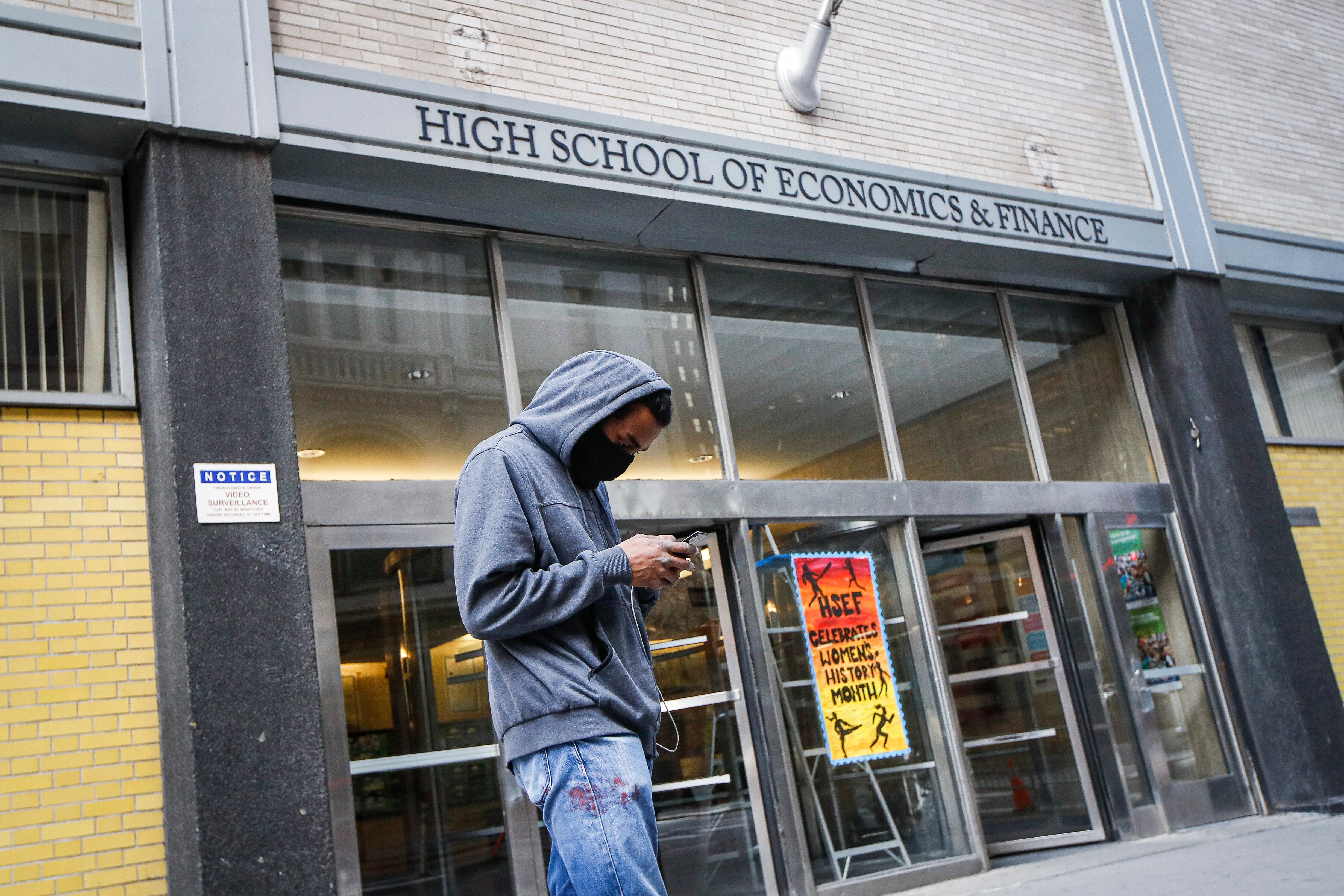
Coronavirus has forced New York City teachers to fundamentally change how they educate students. Now they're fighting for their own vision of how and when schools should reopen.
From Wall Street to Silicon Valley, these are the top stories that moved markets and had investors, business leaders, and entrepreneurs talking this week on Cheddar.
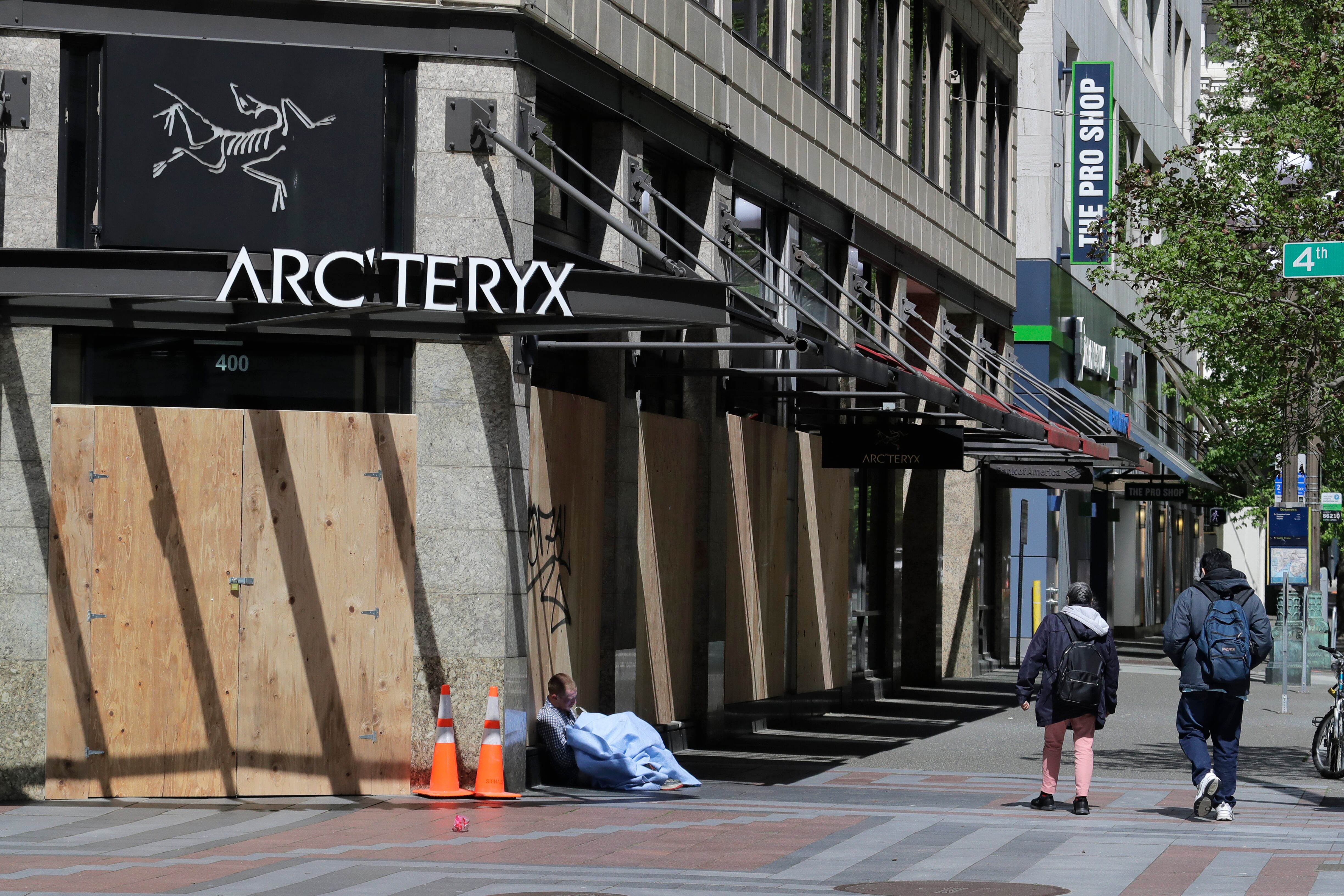
Businesses from coast-to-coast were forced to closed their doors when the coronavirus outbreak arrived in the U.S. Practically overnight, 33 million Americans (so far) suddenly lost their livelihoods. Cheddar is speaking to some of these workers who have found themselves unexpectedly unemployed in today's turbulent environment.