By Fatima Hussein
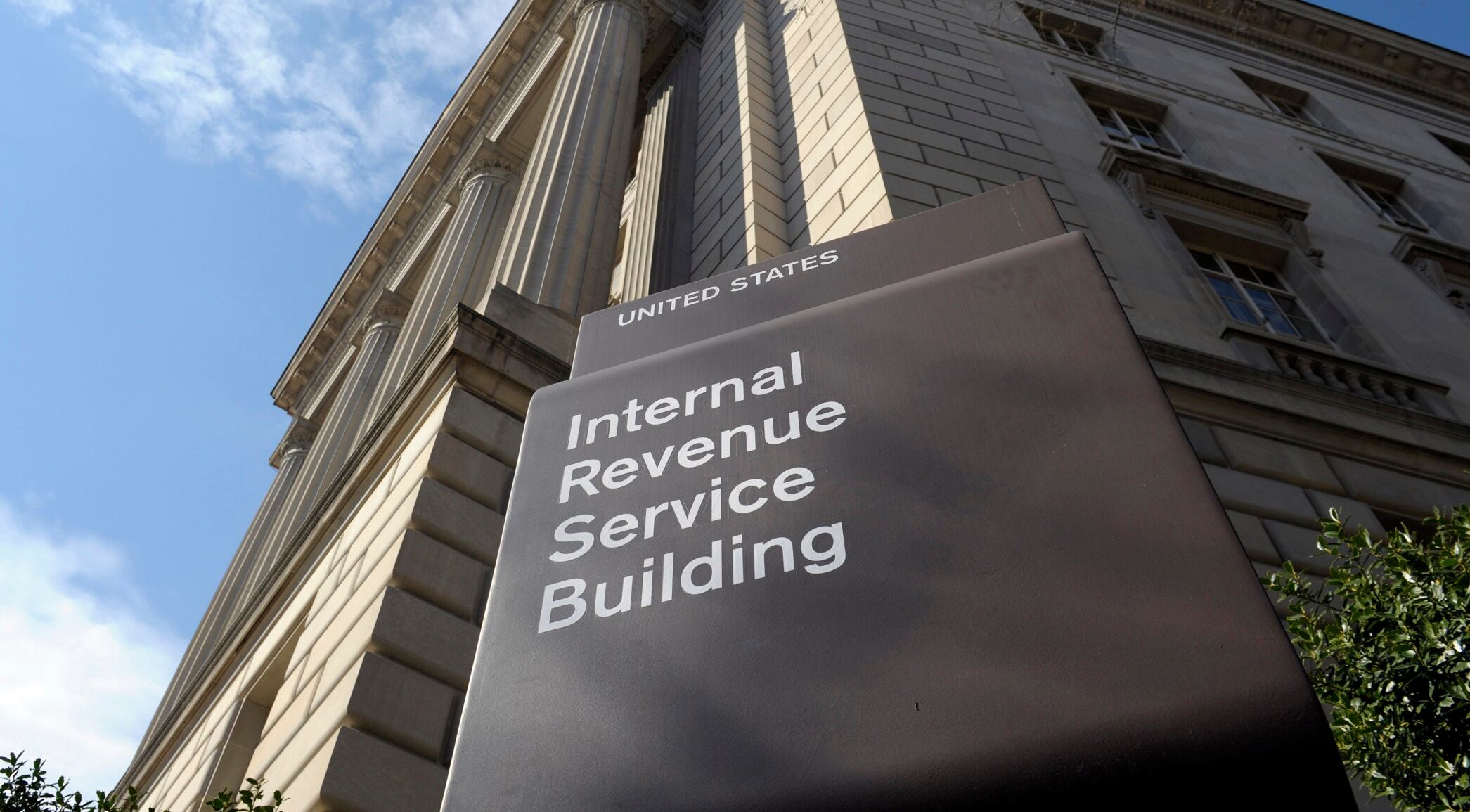
The IRS said Monday it will suspend the use of facial recognition technology to authenticate people who create online accounts after the practice was criticized by privacy advocates and lawmakers.
The agency said it would no longer use a third-party service, called ID.me, for facial recognition. Critics of the software said the database could become a target for cyberthreats. They also expressed concern about how the information could be used by other government agencies, among other concerns.
Earlier Monday, Senate Finance Committee Chair Ron Wyden, D-Ore., called on the agency to end its use of the ID.me software. After the IRS announced the practice would be suspended, Wyden said "the Treasury Department has made the smart decision to direct the IRS to transition away from using the controversial ID.me verification service.”
"No one should be forced to submit to facial recognition to access critical government services,” he added.
The IRS is currently grappling with a worker shortage and an expanded workload from processing tax filings and administering pandemic-related programs. Legislation that would have given the agency billions of dollars to more expeditiously process returns is stalled.
“The IRS takes taxpayer privacy and security seriously, and we understand the concerns that have been raised,” said IRS Commissioner Chuck Rettig.
“Everyone should feel comfortable with how their personal information is secured, and we are quickly pursuing short-term options that do not involve facial recognition.”
The agency said the transition would occur “over the coming weeks in order to prevent larger disruptions to taxpayers during filing season.”
The stock market ended a choppy day higher as a turnaround by banks and energy companies helped end a two-day losing streak.
New Jersey's governor issued long-awaited guidance Thursday to Jersey Shore towns on how to safely reopen their beaches as the summer season beckons amid the coronavirus outbreak.
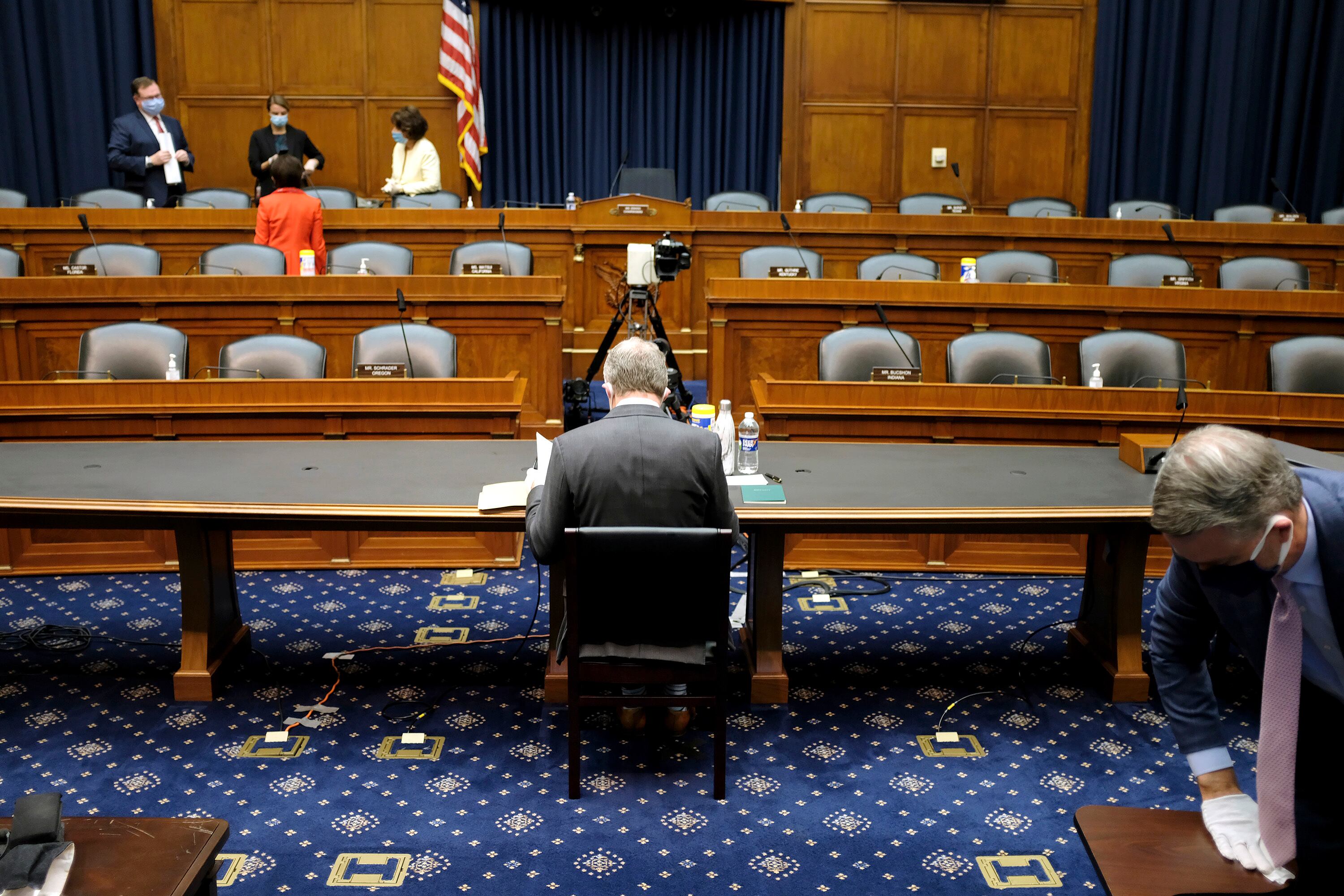
Dr. Rick Bright is telling Congress that America faces the “darkest winter in modern history” unless its leaders act decisively to prevent a rebound of the coronavirus.
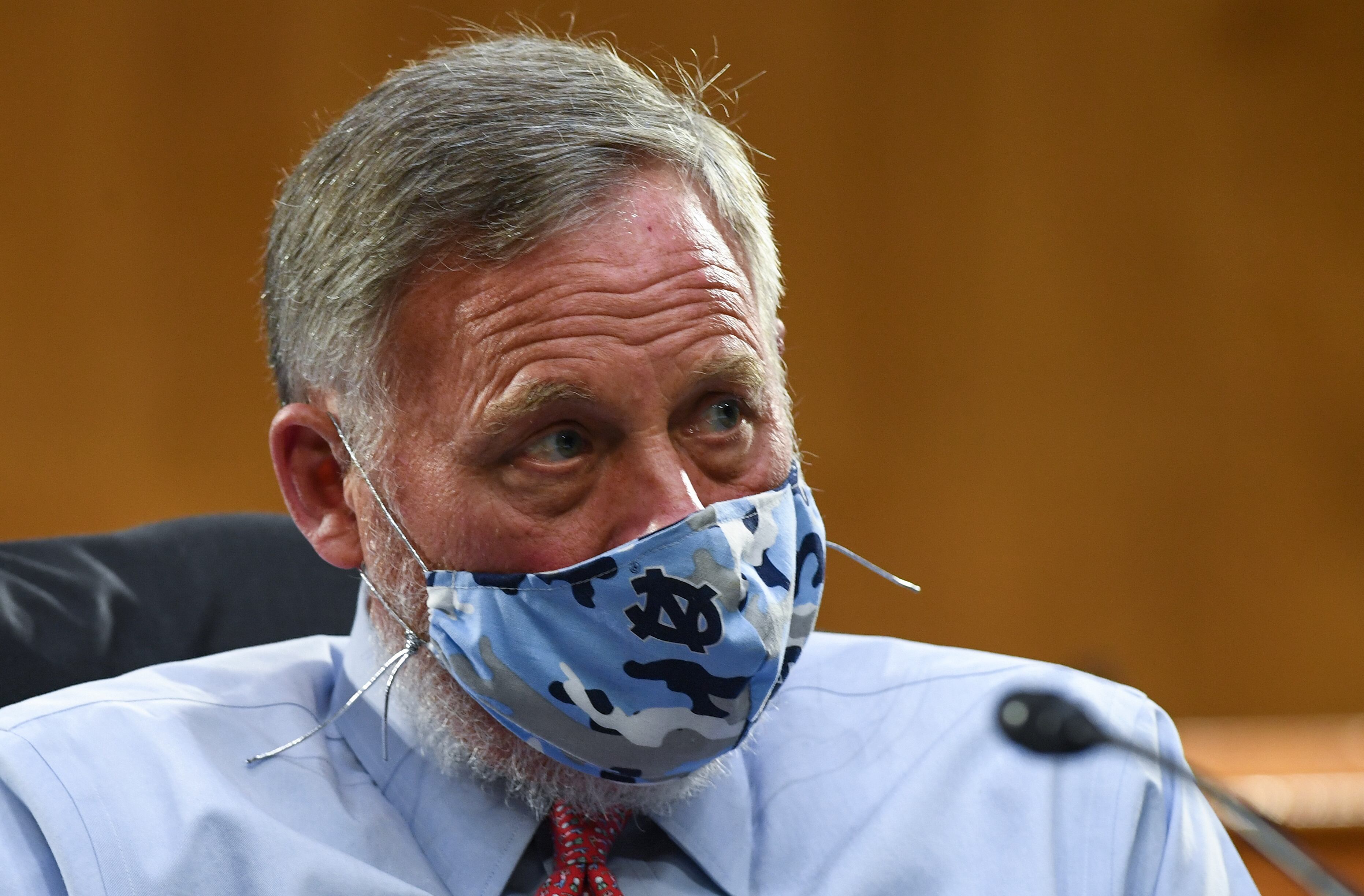
Sen. Richard Burr stepped aside as chairman of the Senate Intelligence Committee after the FBI served a search warrant for his phone as part of an ongoing insider-trading investigation tied to the coronavirus pandemic.
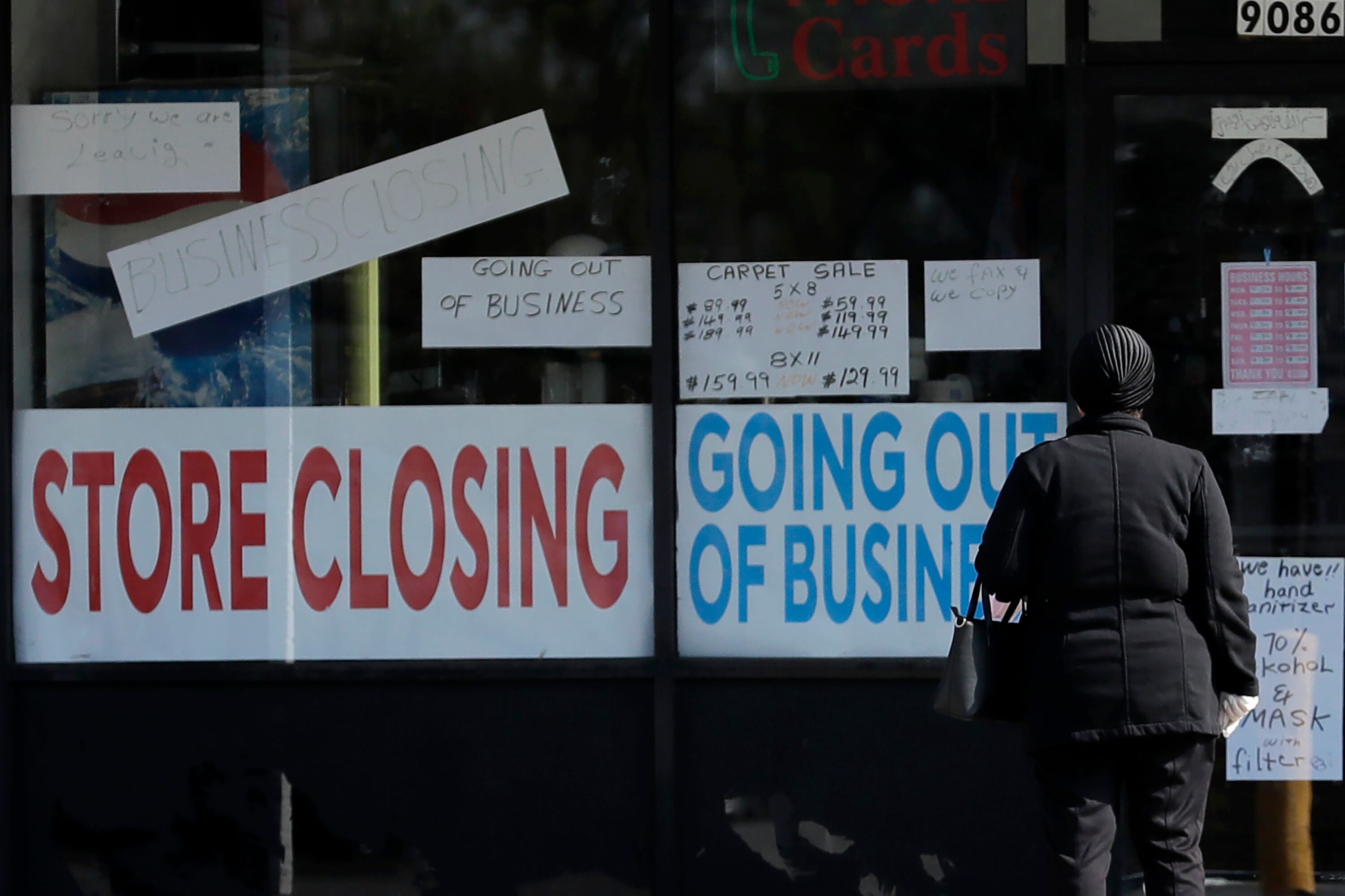
Nearly 3 million laid-off workers applied for U.S. unemployment benefits last week as the viral outbreak led more companies to slash jobs even though most states have begun to let some businesses reopen under certain restrictions.
Stocks are falling in early trading on Wall Street Wednesday, tacking on more losses to their end-of-day slide from a day before.
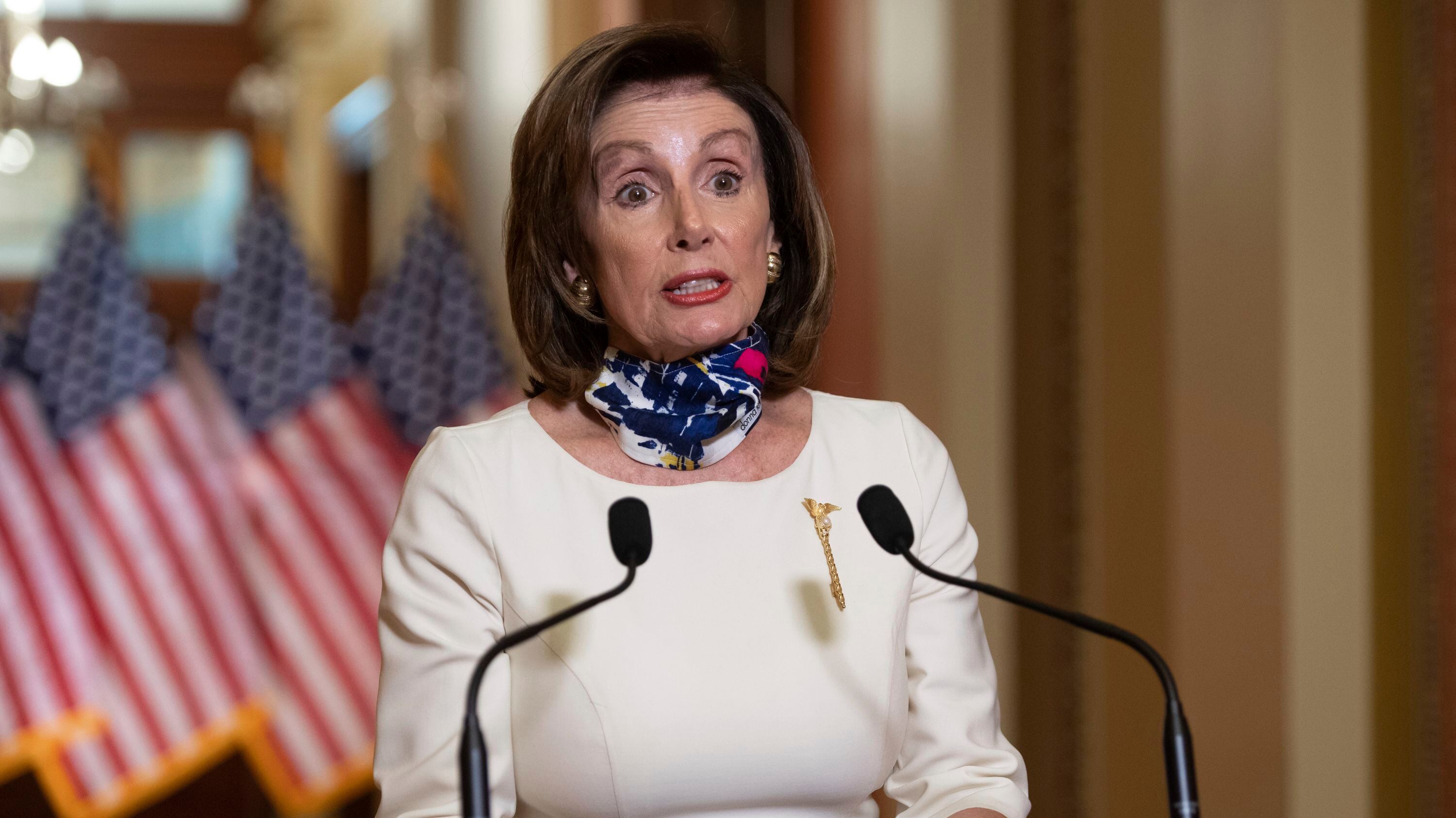
House Speaker Nancy Pelosi has unveiled a more than $3 trillion new coronavirus aid package. It would provide nearly $1 trillion for states, cities and tribal governments to avert layoffs and another $200 billion in “hazard pay” for essential workers.
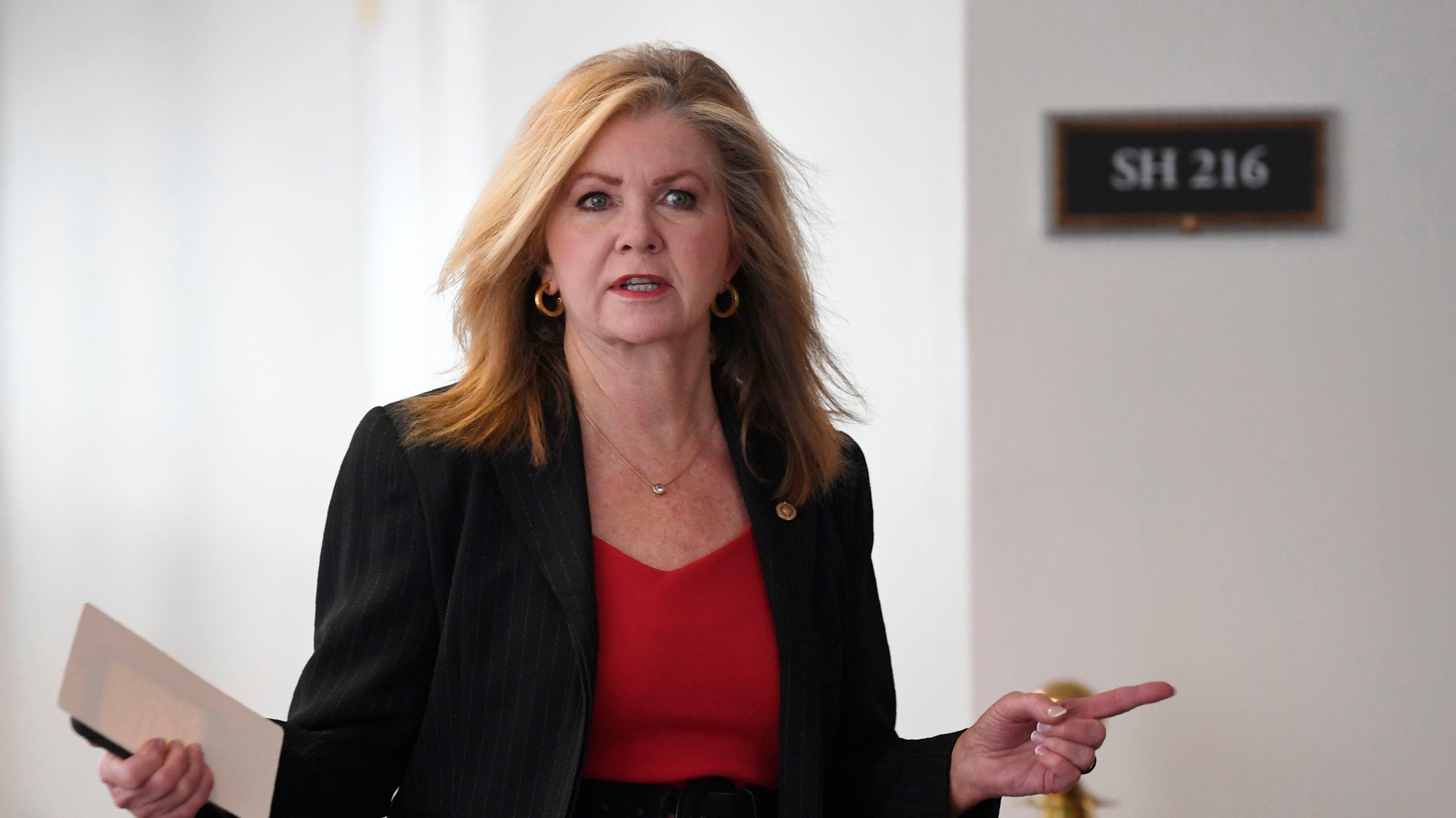
Republican Senators Marsha Blackburn and Martha McSally have introduced legislation that would allow U.S. citizens to file lawsuits against the Chinese Communist Party over the COVID-19 pandemic.
Wall Street fell to its biggest loss since the start of the month on worries about the downside of reopening the economy too soon.
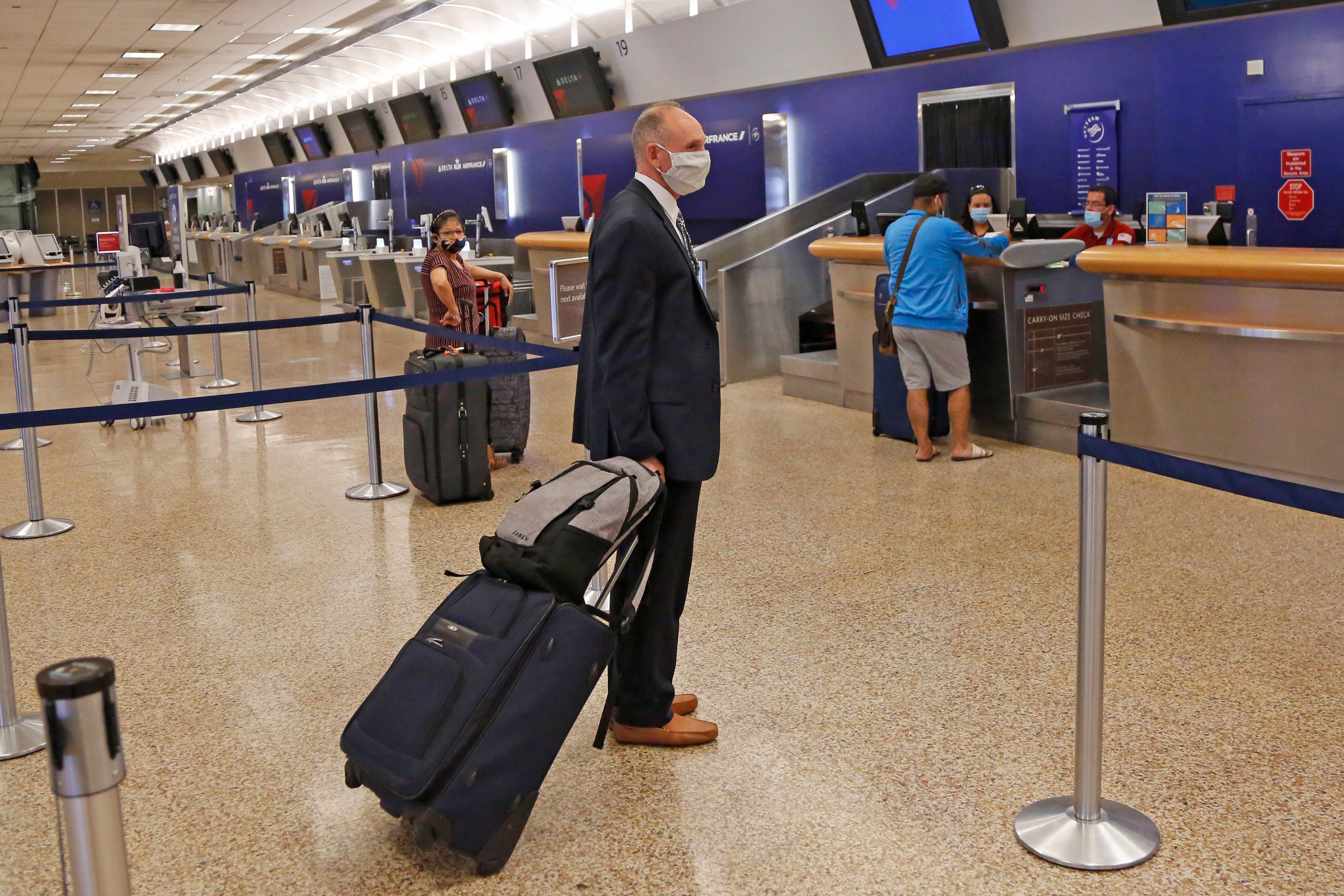
Gloria Guevara, World Travel and Tourism Council CEO and president, told Cheddar on Tuesday that travel-related businesses are very eager for people to start taking trips again, however, opening the industry will need to be done in a coordinated way.