By Fatima Hussein
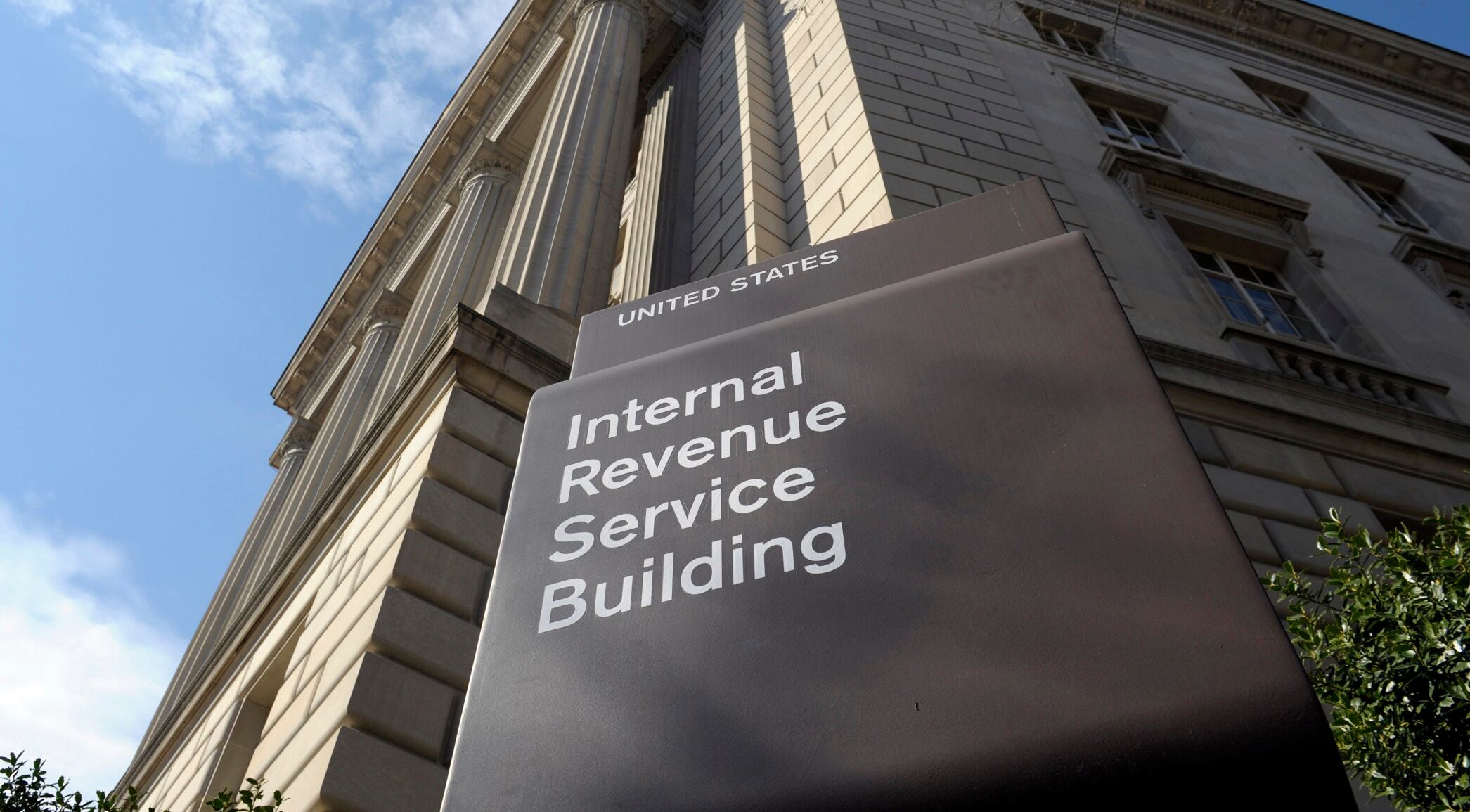
The IRS said Monday it will suspend the use of facial recognition technology to authenticate people who create online accounts after the practice was criticized by privacy advocates and lawmakers.
The agency said it would no longer use a third-party service, called ID.me, for facial recognition. Critics of the software said the database could become a target for cyberthreats. They also expressed concern about how the information could be used by other government agencies, among other concerns.
Earlier Monday, Senate Finance Committee Chair Ron Wyden, D-Ore., called on the agency to end its use of the ID.me software. After the IRS announced the practice would be suspended, Wyden said "the Treasury Department has made the smart decision to direct the IRS to transition away from using the controversial ID.me verification service.”
"No one should be forced to submit to facial recognition to access critical government services,” he added.
The IRS is currently grappling with a worker shortage and an expanded workload from processing tax filings and administering pandemic-related programs. Legislation that would have given the agency billions of dollars to more expeditiously process returns is stalled.
“The IRS takes taxpayer privacy and security seriously, and we understand the concerns that have been raised,” said IRS Commissioner Chuck Rettig.
“Everyone should feel comfortable with how their personal information is secured, and we are quickly pursuing short-term options that do not involve facial recognition.”
The agency said the transition would occur “over the coming weeks in order to prevent larger disruptions to taxpayers during filing season.”
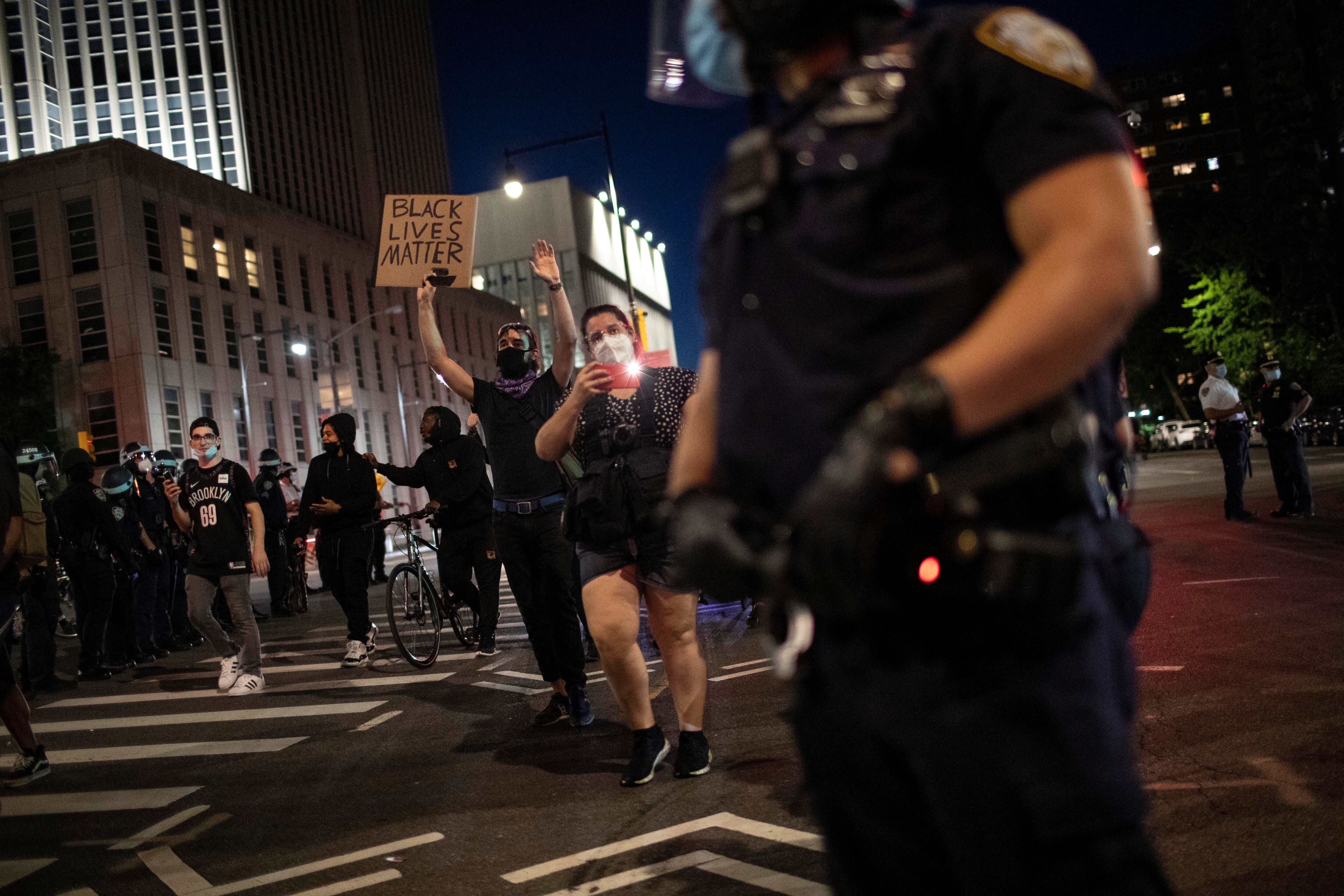
Rep. Clarke spoke to Cheddar about the NYPD and Mayor De Blasio's handling on two NYPD squad cars driving into a crowd of protesters over the weekend.
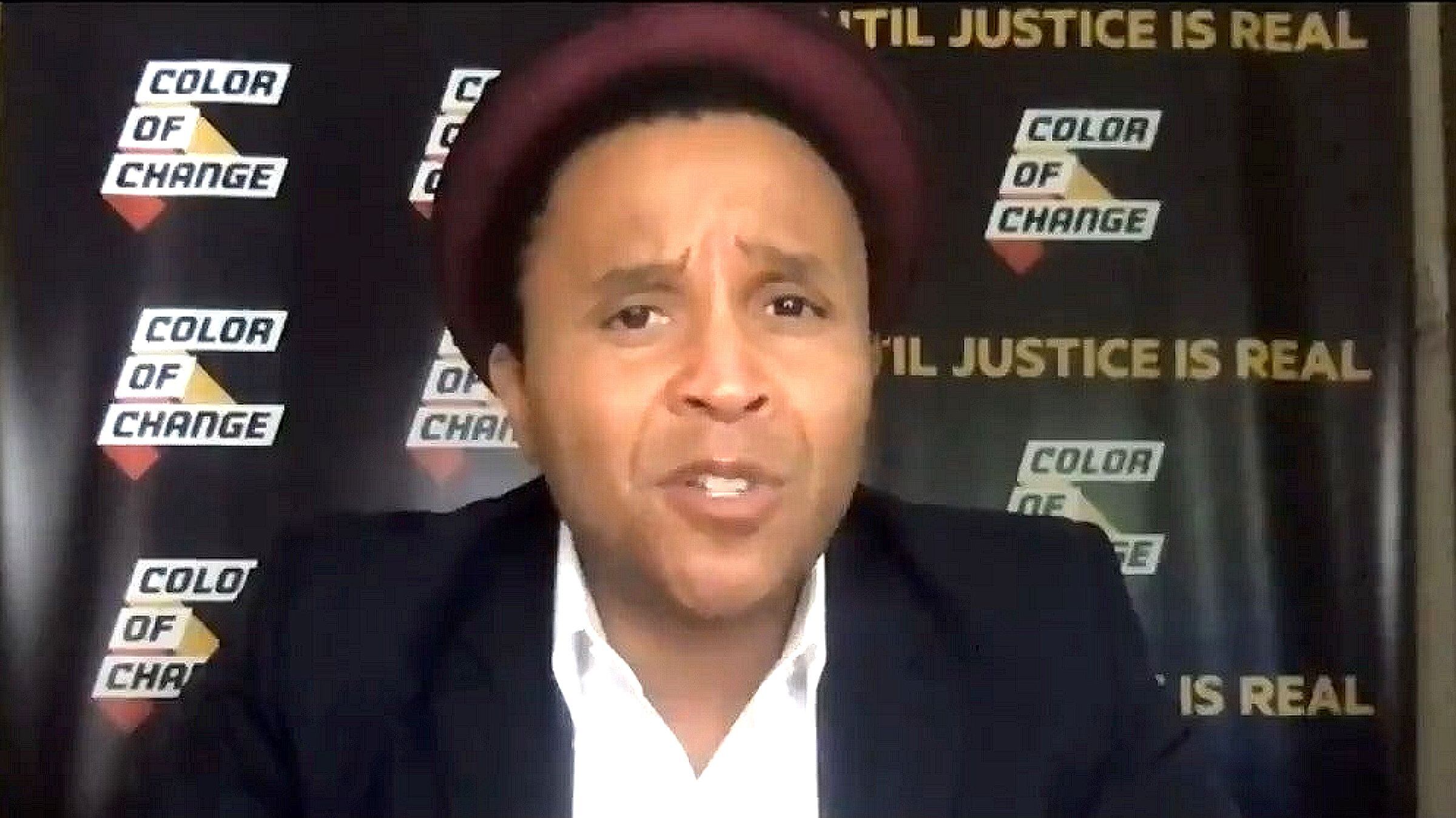
As demonstrations across the country grow more violent by the day, Rashad Robinson says a lack of leadership in the White House is part of the issue.
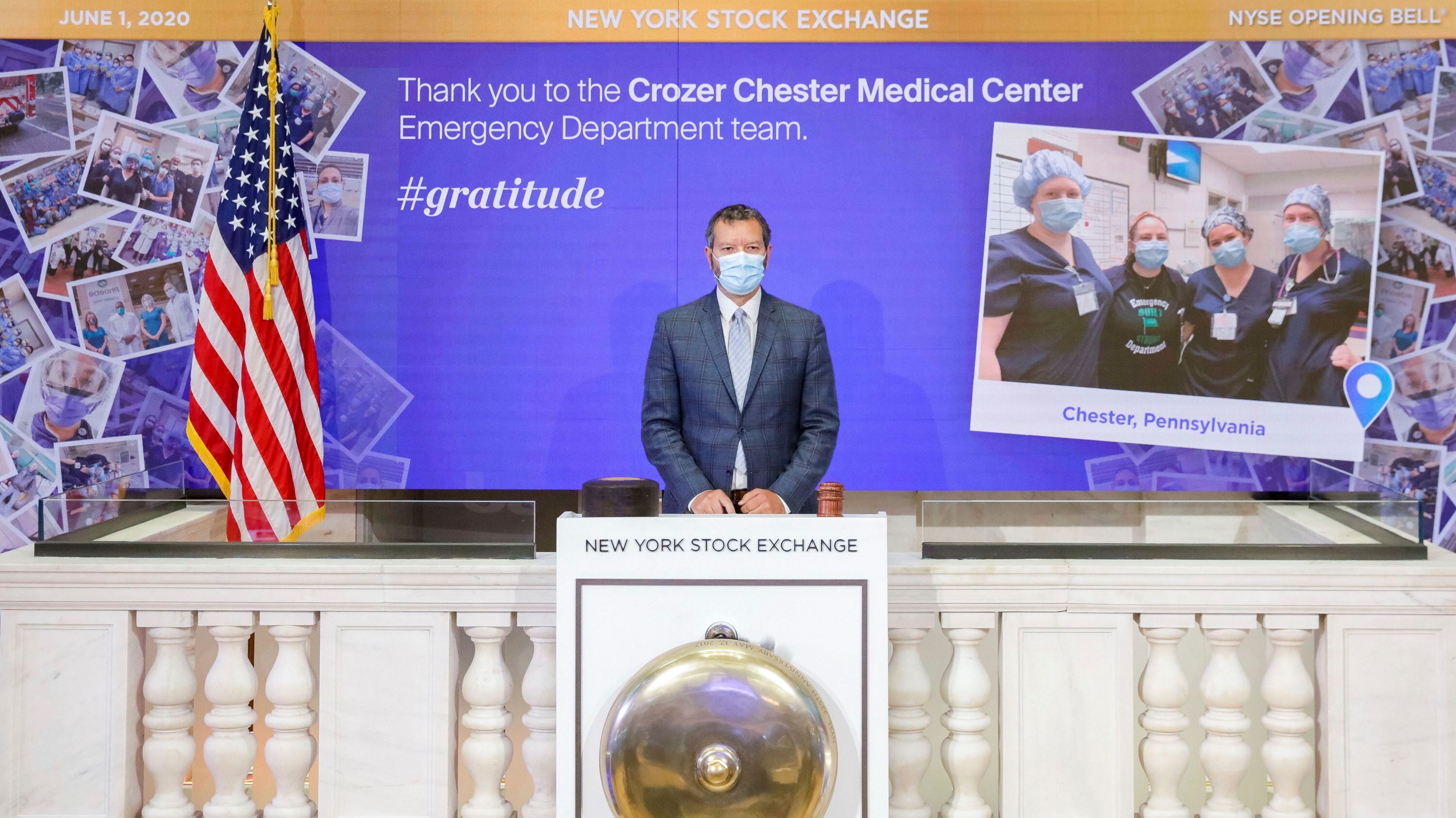
The S&P 500 climbed 0.4% after wavering between small gains and losses in the early going.
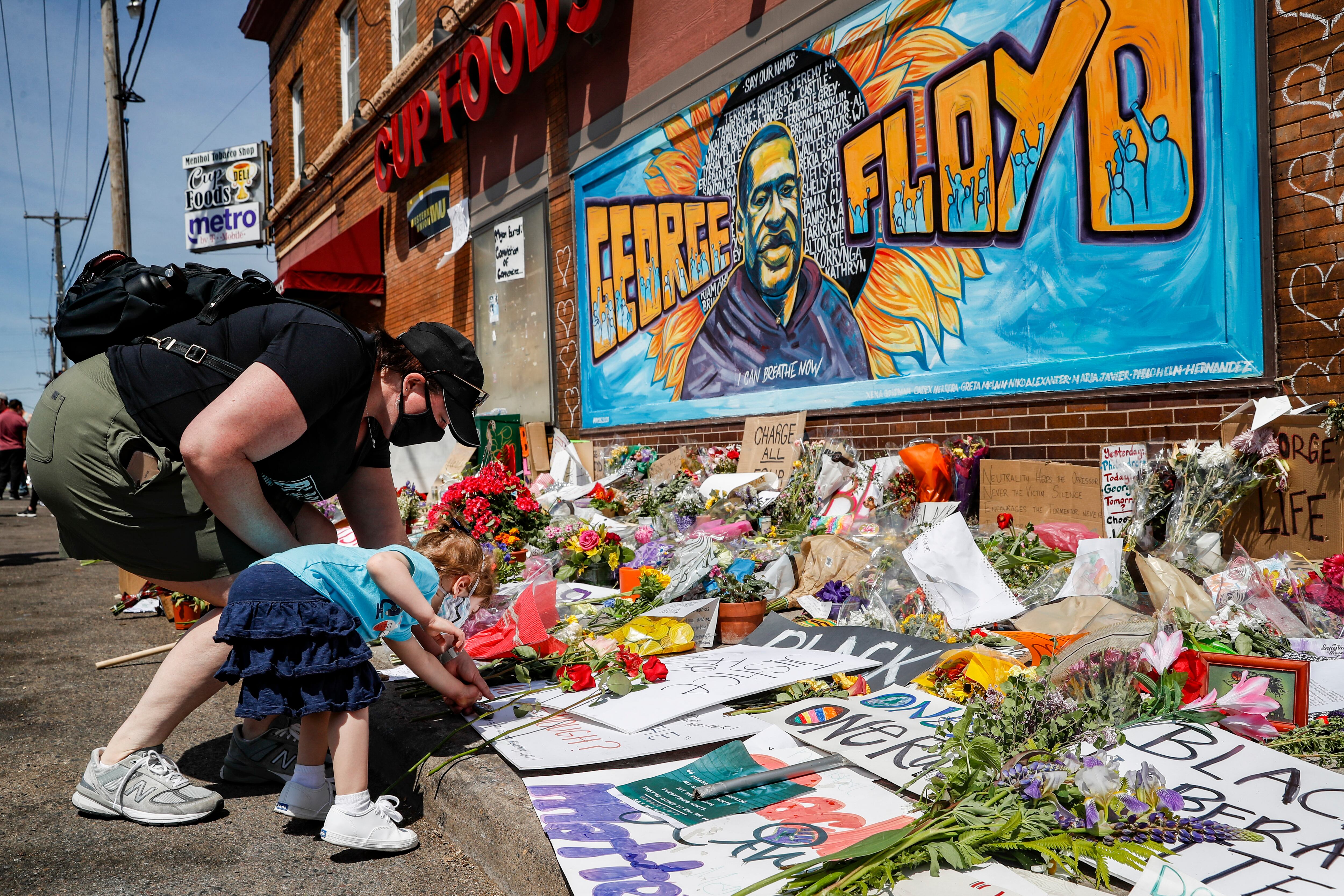
An autopsy commissioned for George Floyd’s family found that Floyd died of asphyxiation due to neck and back compression when a Minneapolis police officer kneeled on his neck for several minutes and ignored his cries of distress, the Floyd family’s attorneys said Monday.
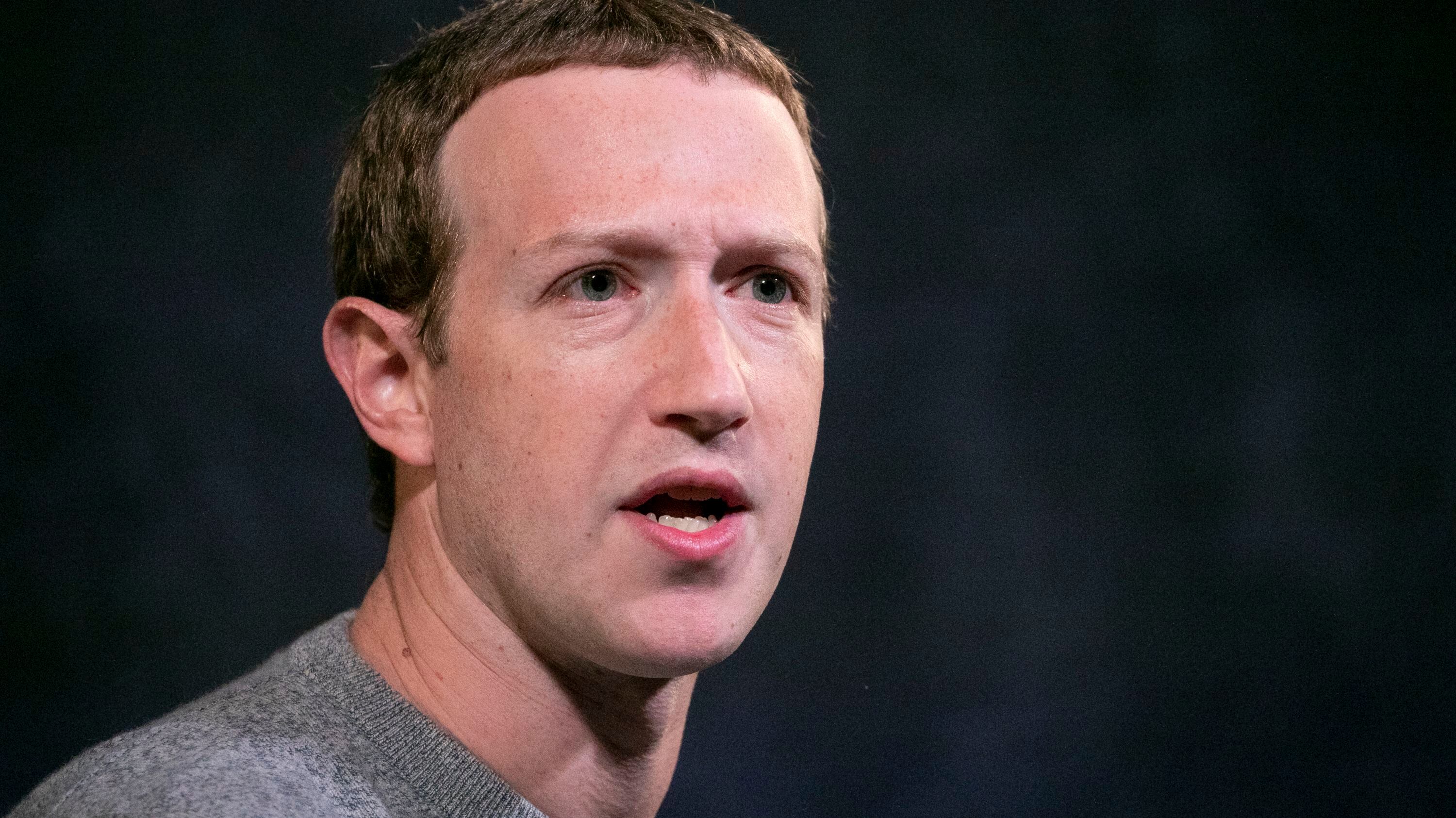
Facebook employees are using Twitter to register their frustration over CEO Mark Zuckerberg’s decision to leave up posts by President Donald Trump that suggested protesters in Minneapolis could be shot.
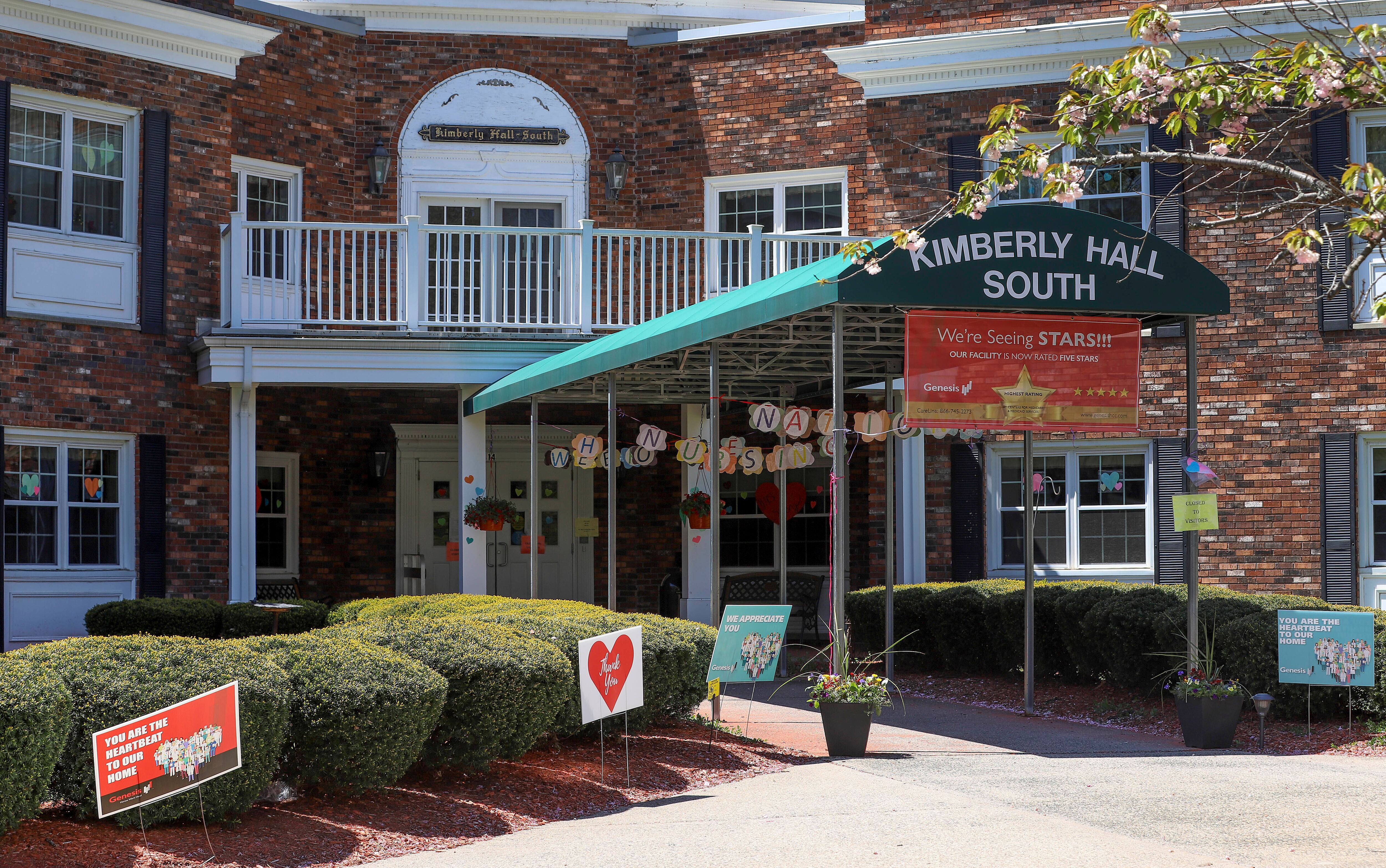
Federal health authorities have received reports of nearly 26,000 nursing home residents dying from COVID-19, according to materials prepared for the nation's governors. That number is partial and likely to go higher.
Leslie Ricard Chambers, deputy executive counsel for Louisiana Governor John Bel Edwards, talked to Cheddar Monday morning, as cities across the country woke up after another night of unrest.
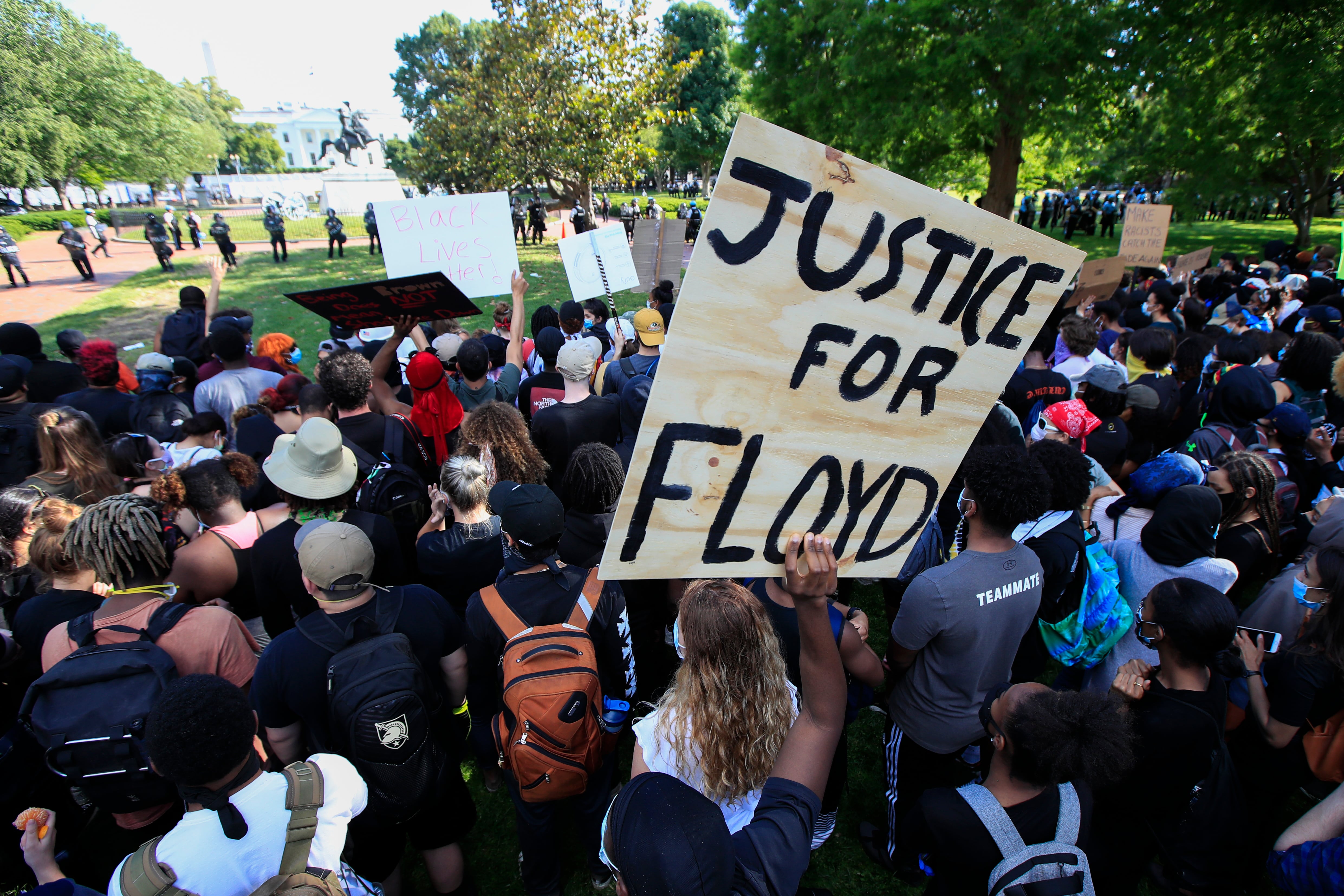
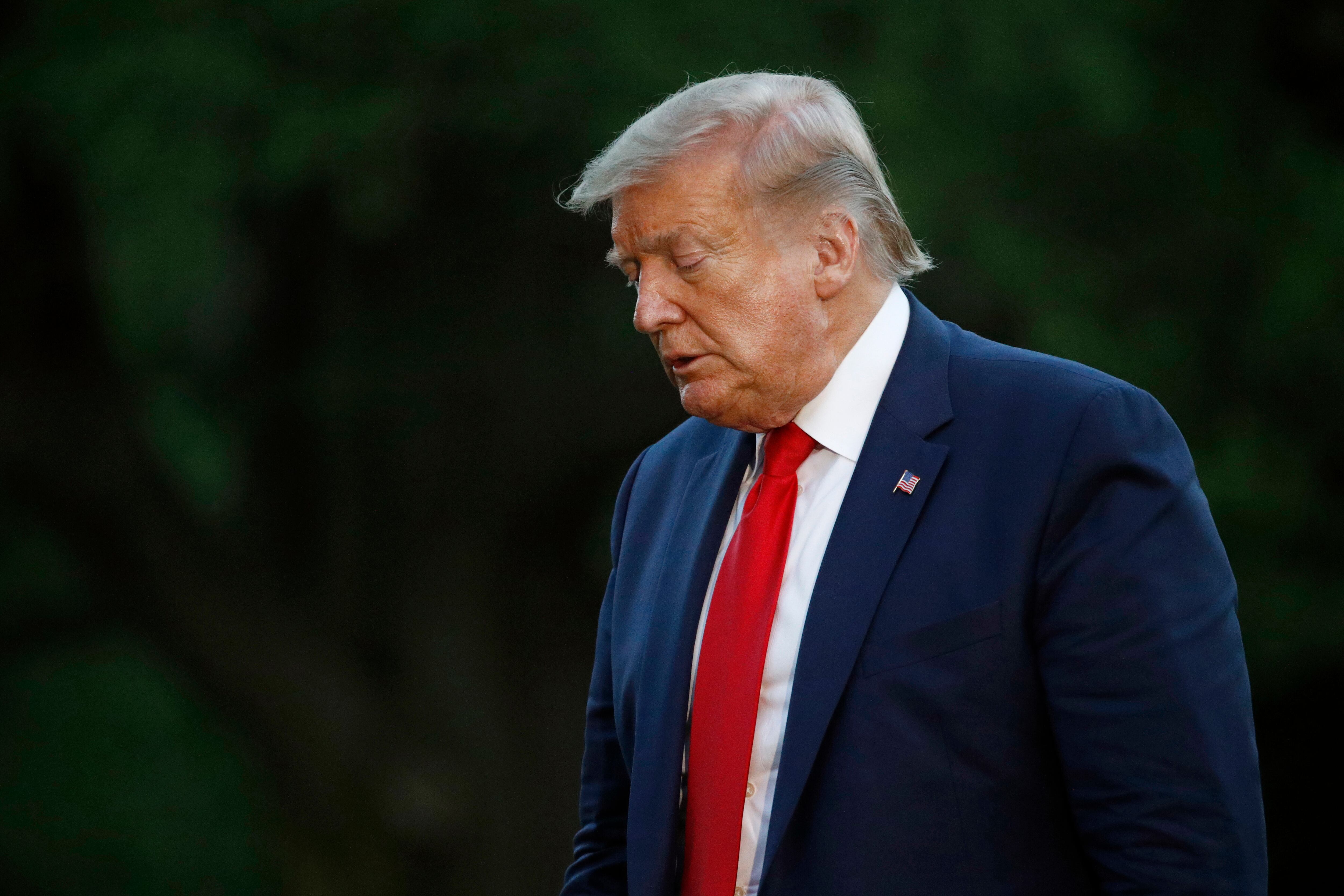
President Donald Trump is deriding the nation’s governors as “weak” and demanding tougher crackdowns on protesters in the aftermath of more violent protests in dozens of American cities.
President Donald Trump spent time in a White House bunker during Friday night's protests outside the executive mansion. Secret Service agents rushed him there as some of the demonstrators were throwing rocks and tugging at police barricades.
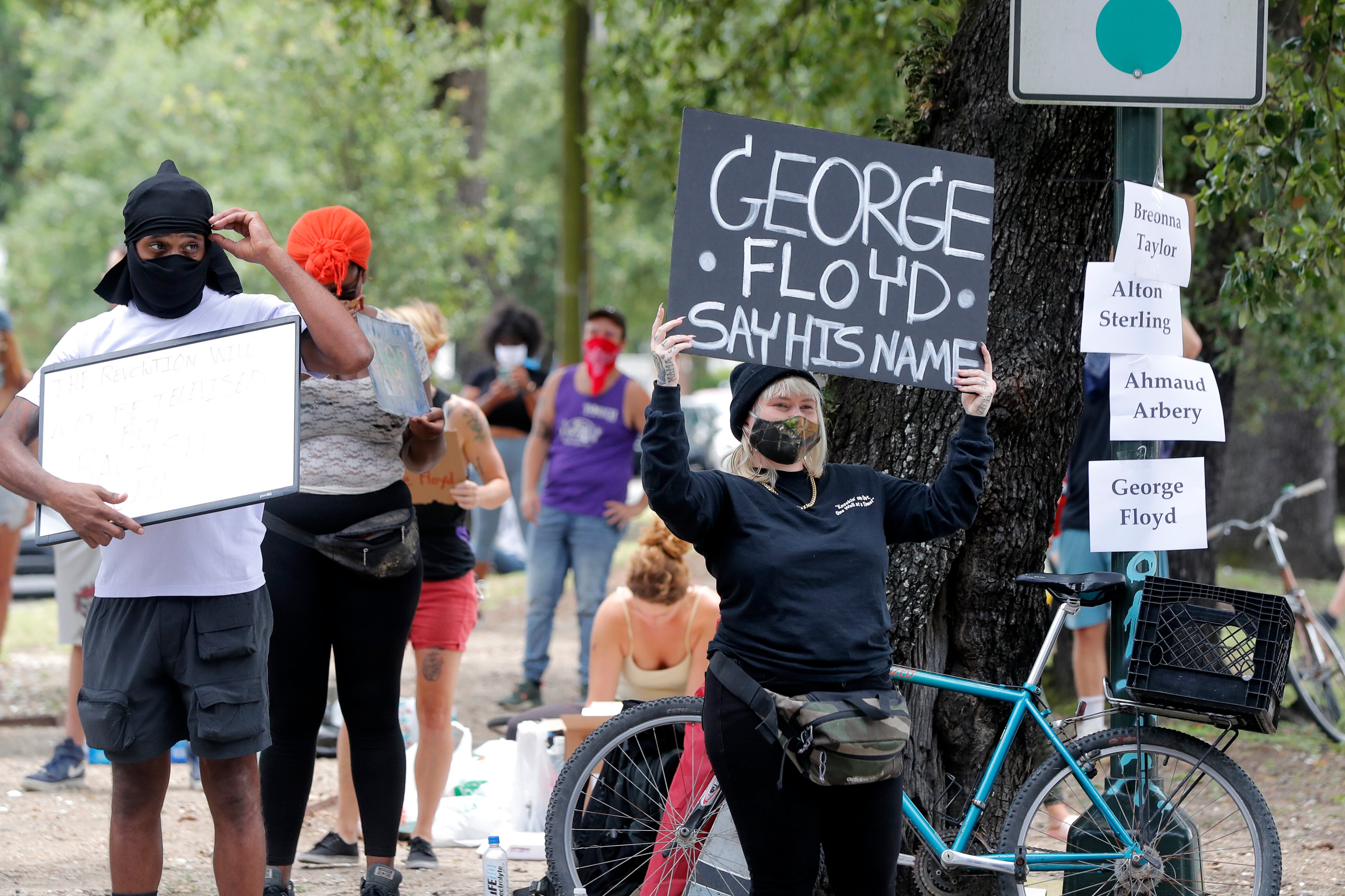
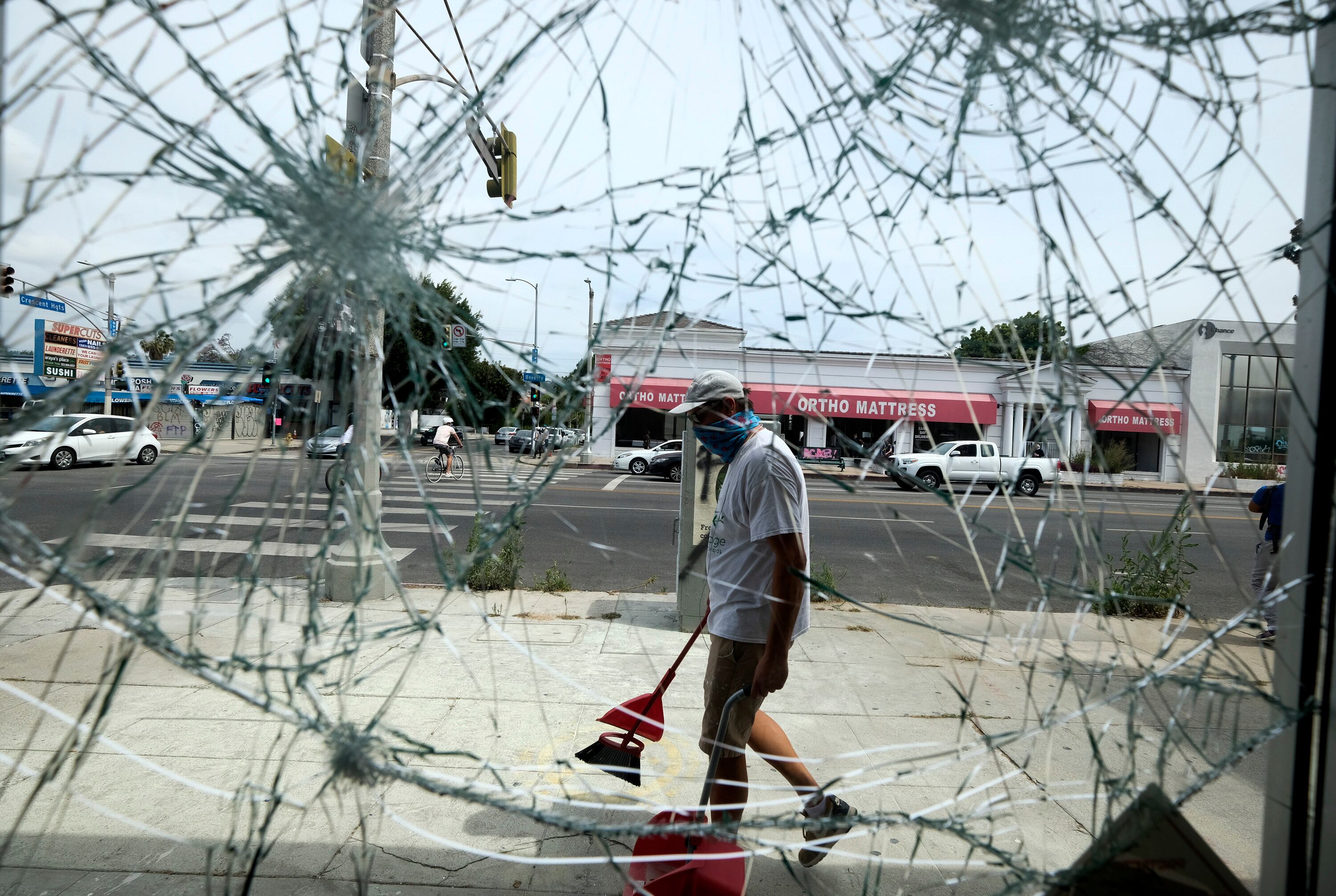
America’s cities boarded up windows, swept up glass and covered graffiti Sunday as the country's most significant night of protests in a half-century spilled into another day of unrest fueled by killings of black people at the hands of police.