By Fatima Hussein
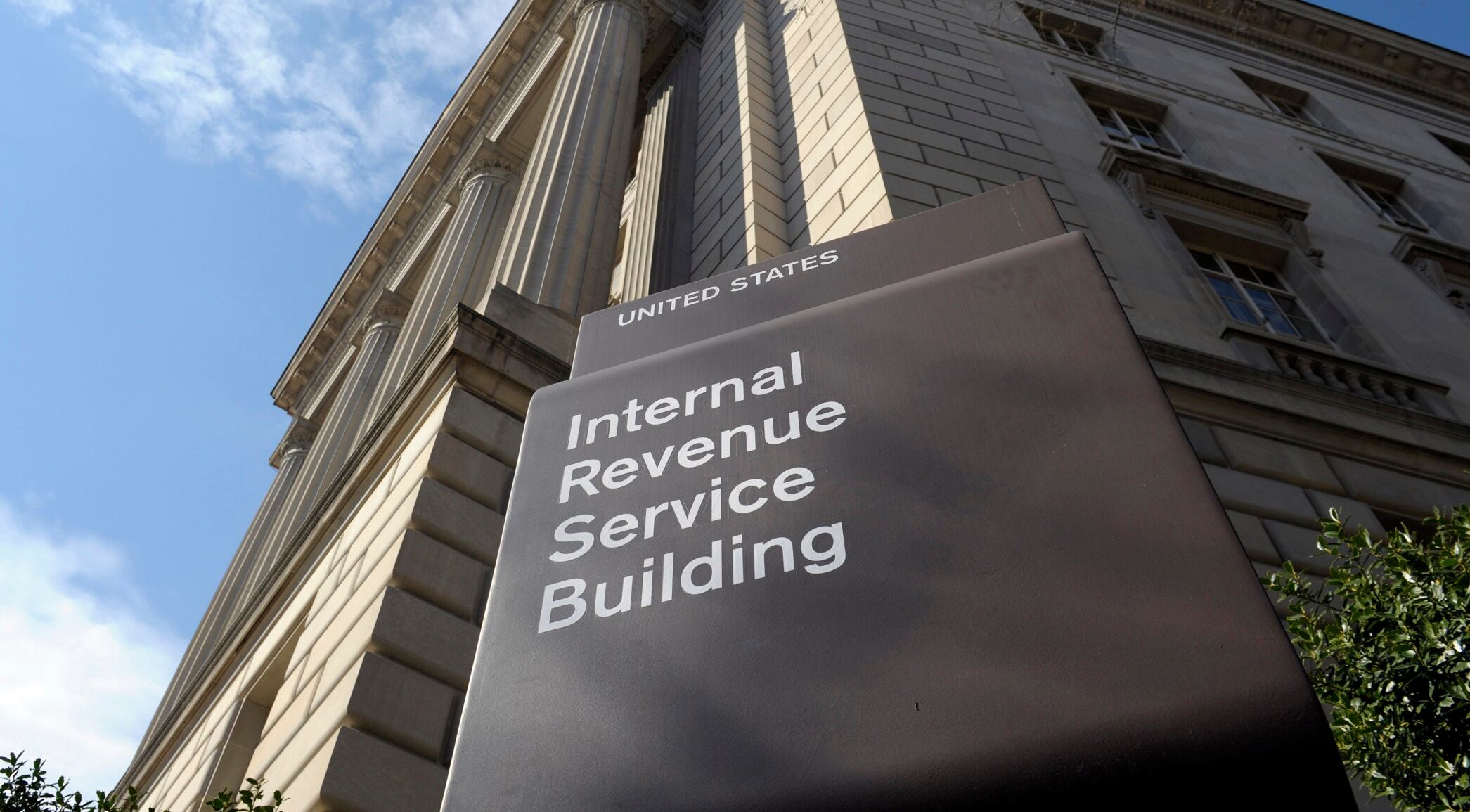
The IRS said Monday it will suspend the use of facial recognition technology to authenticate people who create online accounts after the practice was criticized by privacy advocates and lawmakers.
The agency said it would no longer use a third-party service, called ID.me, for facial recognition. Critics of the software said the database could become a target for cyberthreats. They also expressed concern about how the information could be used by other government agencies, among other concerns.
Earlier Monday, Senate Finance Committee Chair Ron Wyden, D-Ore., called on the agency to end its use of the ID.me software. After the IRS announced the practice would be suspended, Wyden said "the Treasury Department has made the smart decision to direct the IRS to transition away from using the controversial ID.me verification service.”
"No one should be forced to submit to facial recognition to access critical government services,” he added.
The IRS is currently grappling with a worker shortage and an expanded workload from processing tax filings and administering pandemic-related programs. Legislation that would have given the agency billions of dollars to more expeditiously process returns is stalled.
“The IRS takes taxpayer privacy and security seriously, and we understand the concerns that have been raised,” said IRS Commissioner Chuck Rettig.
“Everyone should feel comfortable with how their personal information is secured, and we are quickly pursuing short-term options that do not involve facial recognition.”
The agency said the transition would occur “over the coming weeks in order to prevent larger disruptions to taxpayers during filing season.”
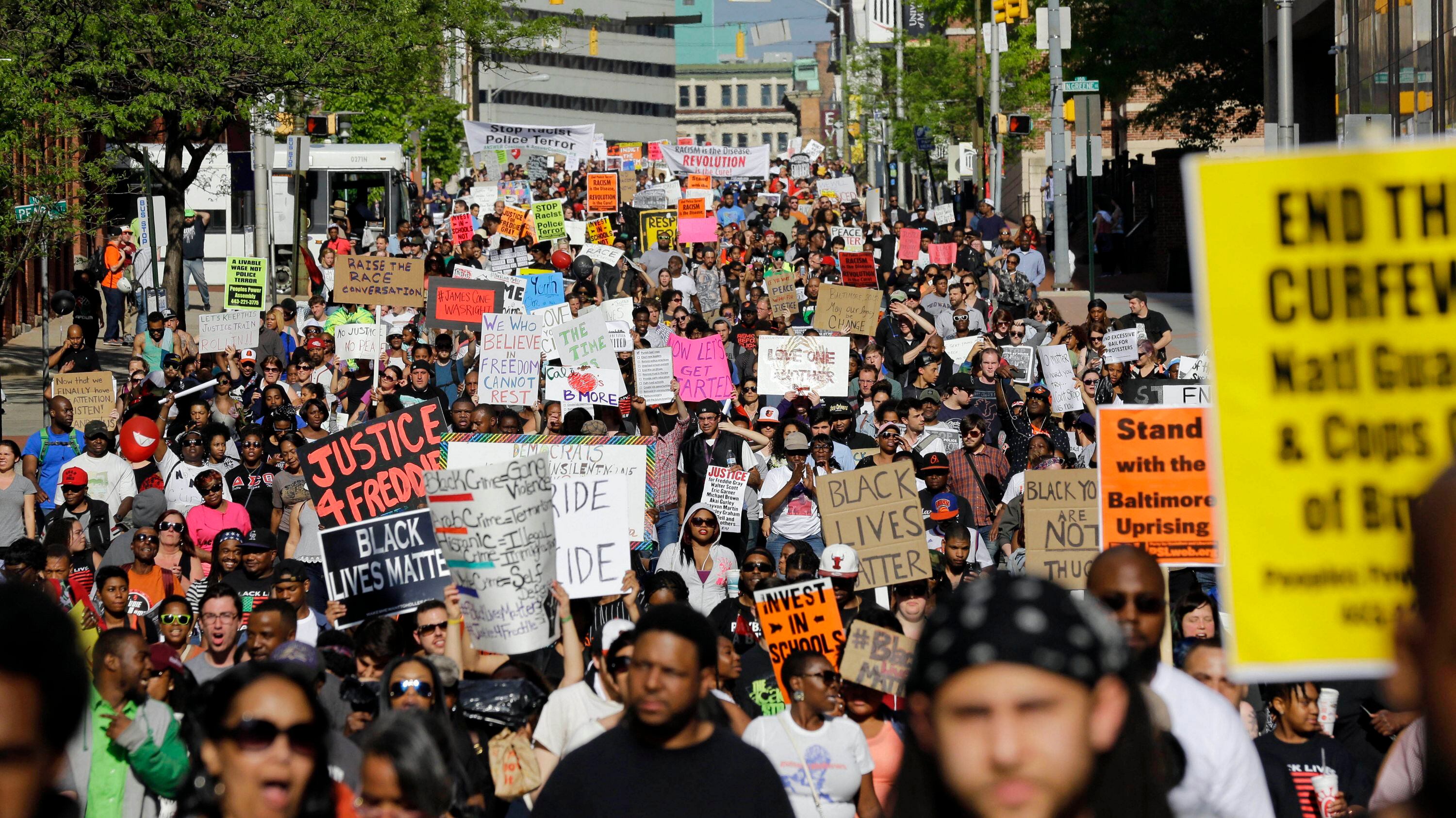
Will Jawando, Montgomery County, Maryland councilmember, has introduced a resolution deeming racism a public health crisis. Jawando explains how systemic racism negatively impacts the black community beyond policing.
he Dow Jones industrials lost more than 1,800 points, nearly 7%, as increases in coronavirus cases deflated optimism that the economy could recover quickly from its worst crisis in decades.
Coronavirus cases are rising in nearly half the U.S. states. And while many are chalked up to increased testing or to small, local outbreaks, others are more alarming.
As Democrats naturally work to get one of their own into the White House this fall, The Lincoln Project is working toward the same goal and its GOP members believe dissent from within the party can be even more effective.
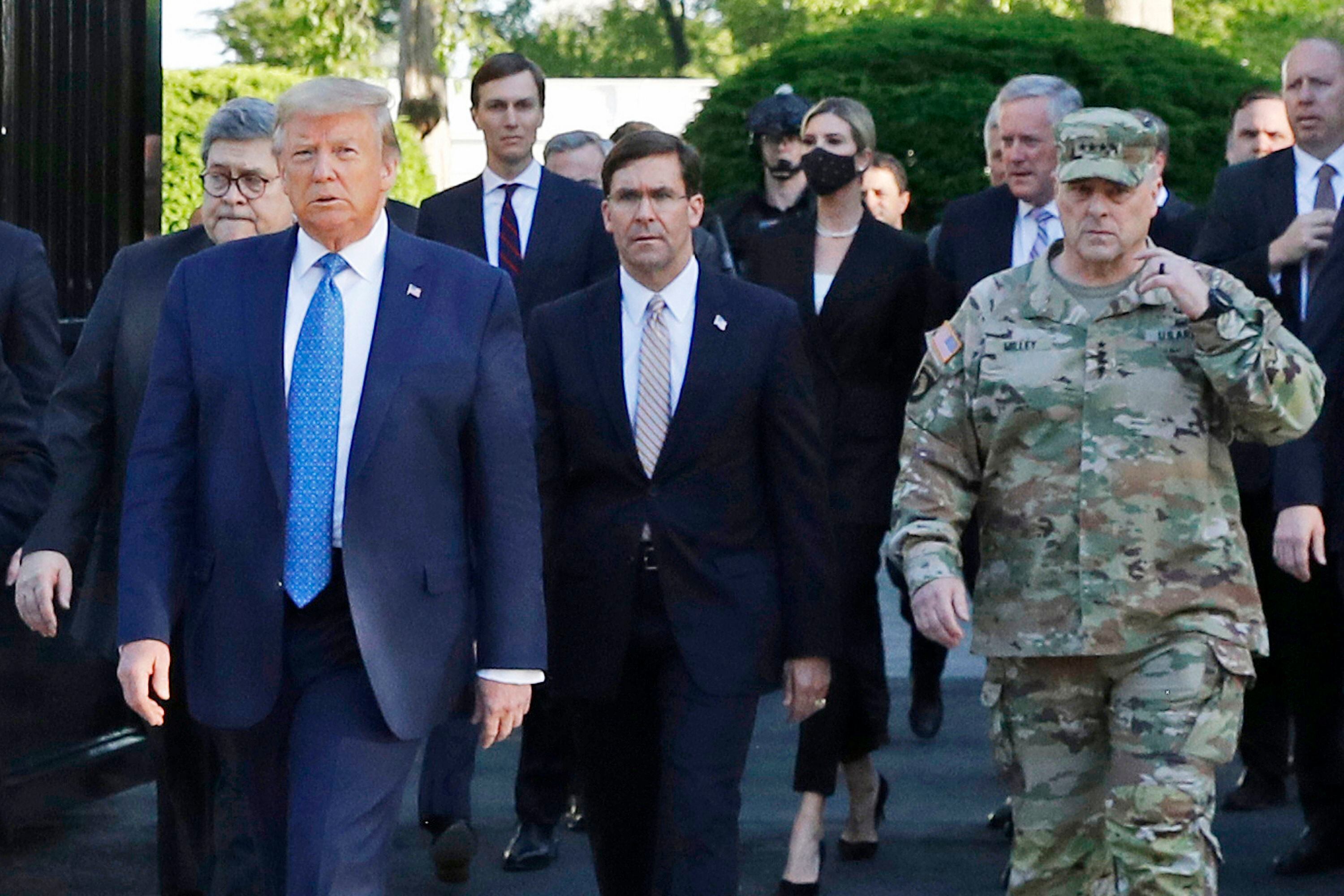
Army Gen. Mark Milley, chairman of the Joint Chiefs of Staff, says his presence “created a perception of the military involved in domestic politics.”
The federal government recorded a budget deficit of $1.88 trillion for the first eight months of this budget year, larger than even any annual shortfalls in U.S. history.
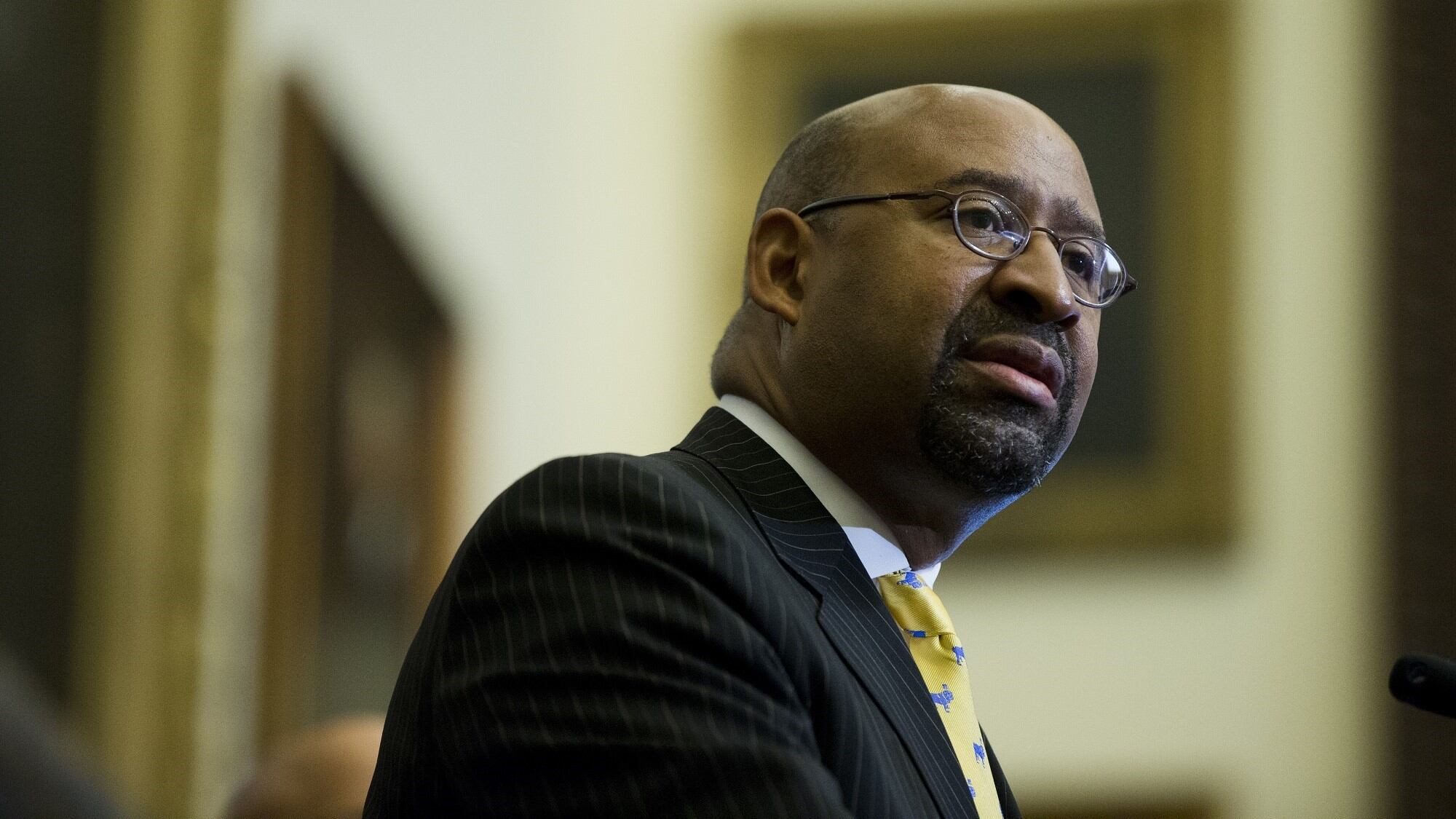
As massive waves of protesters in communities across the U.S. call for fundamental changes in American policing, former Philadelphia Mayor Michael Nutter told Cheddar the nation must find a balance between good policing and civilian safety.
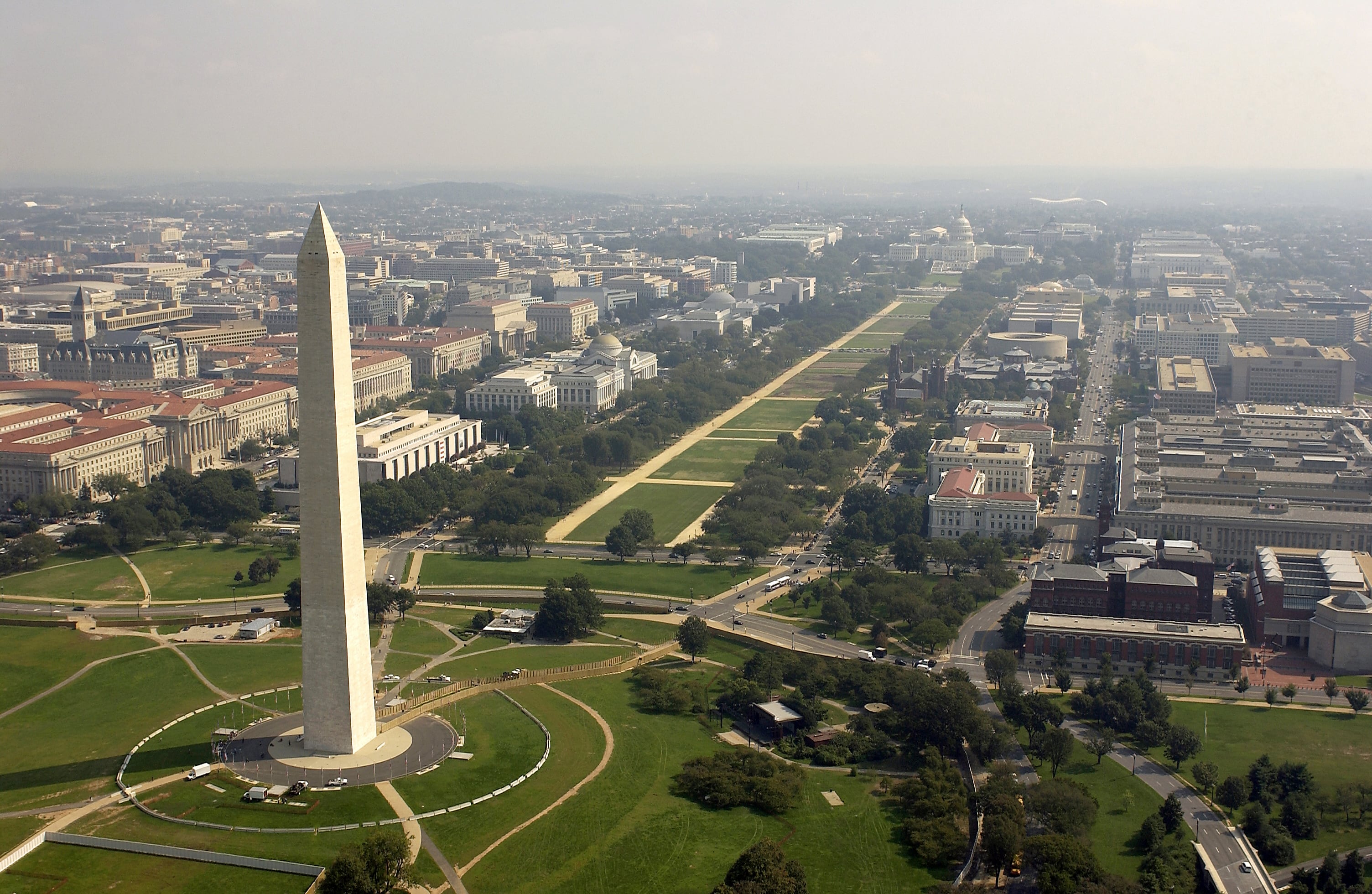
The skyline of Washington D.C. is stunted. You've probably heard that D.C. can't build skyscrapers taller than the U.S. Capital Building or the Washington Monument. But those are both myths from a bygone era. Cheddar tells the real story.
Wall Street hit the brakes Tuesday, a day after its remarkable, weekslong rally brought the S&P 500 back to positive for the year and the Nasdaq to a record high.
Handling successive protests has required a careful balancing act for Gretchen Whitmer, Democratic governor of Michigan.