By Fatima Hussein
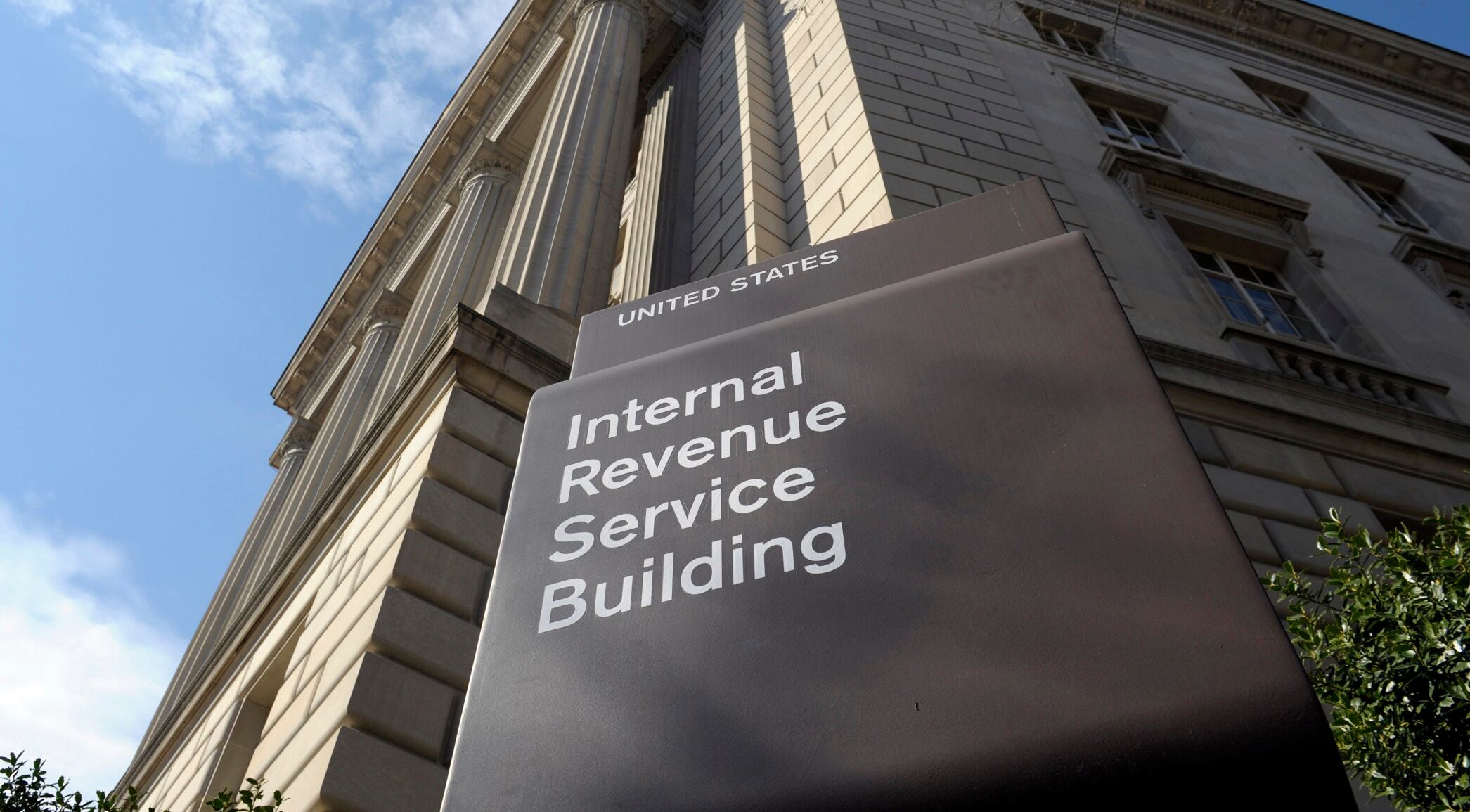
The IRS said Monday it will suspend the use of facial recognition technology to authenticate people who create online accounts after the practice was criticized by privacy advocates and lawmakers.
The agency said it would no longer use a third-party service, called ID.me, for facial recognition. Critics of the software said the database could become a target for cyberthreats. They also expressed concern about how the information could be used by other government agencies, among other concerns.
Earlier Monday, Senate Finance Committee Chair Ron Wyden, D-Ore., called on the agency to end its use of the ID.me software. After the IRS announced the practice would be suspended, Wyden said "the Treasury Department has made the smart decision to direct the IRS to transition away from using the controversial ID.me verification service.”
"No one should be forced to submit to facial recognition to access critical government services,” he added.
The IRS is currently grappling with a worker shortage and an expanded workload from processing tax filings and administering pandemic-related programs. Legislation that would have given the agency billions of dollars to more expeditiously process returns is stalled.
“The IRS takes taxpayer privacy and security seriously, and we understand the concerns that have been raised,” said IRS Commissioner Chuck Rettig.
“Everyone should feel comfortable with how their personal information is secured, and we are quickly pursuing short-term options that do not involve facial recognition.”
The agency said the transition would occur “over the coming weeks in order to prevent larger disruptions to taxpayers during filing season.”
Cheddar delves into the differences on approaches toward economic recovery and business between the House Democrats and the Senate Republicans.
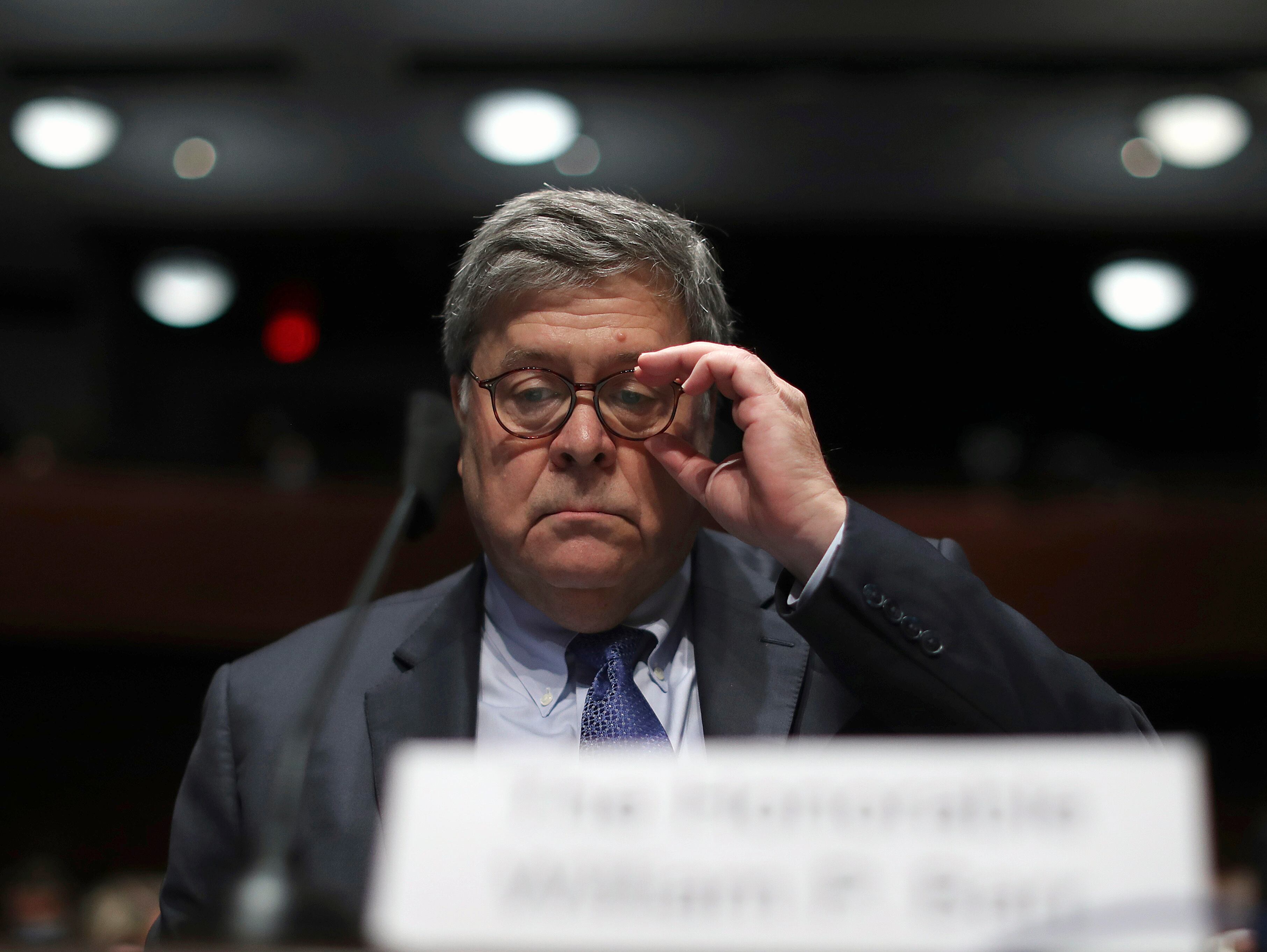
Attorney General William Barr is defending the aggressive federal law enforcement response to civil unrest in America, saying “violent rioters and anarchists have hijacked legitimate protests” sparked by George Floyd’s death at the hands of Minneapolis police.
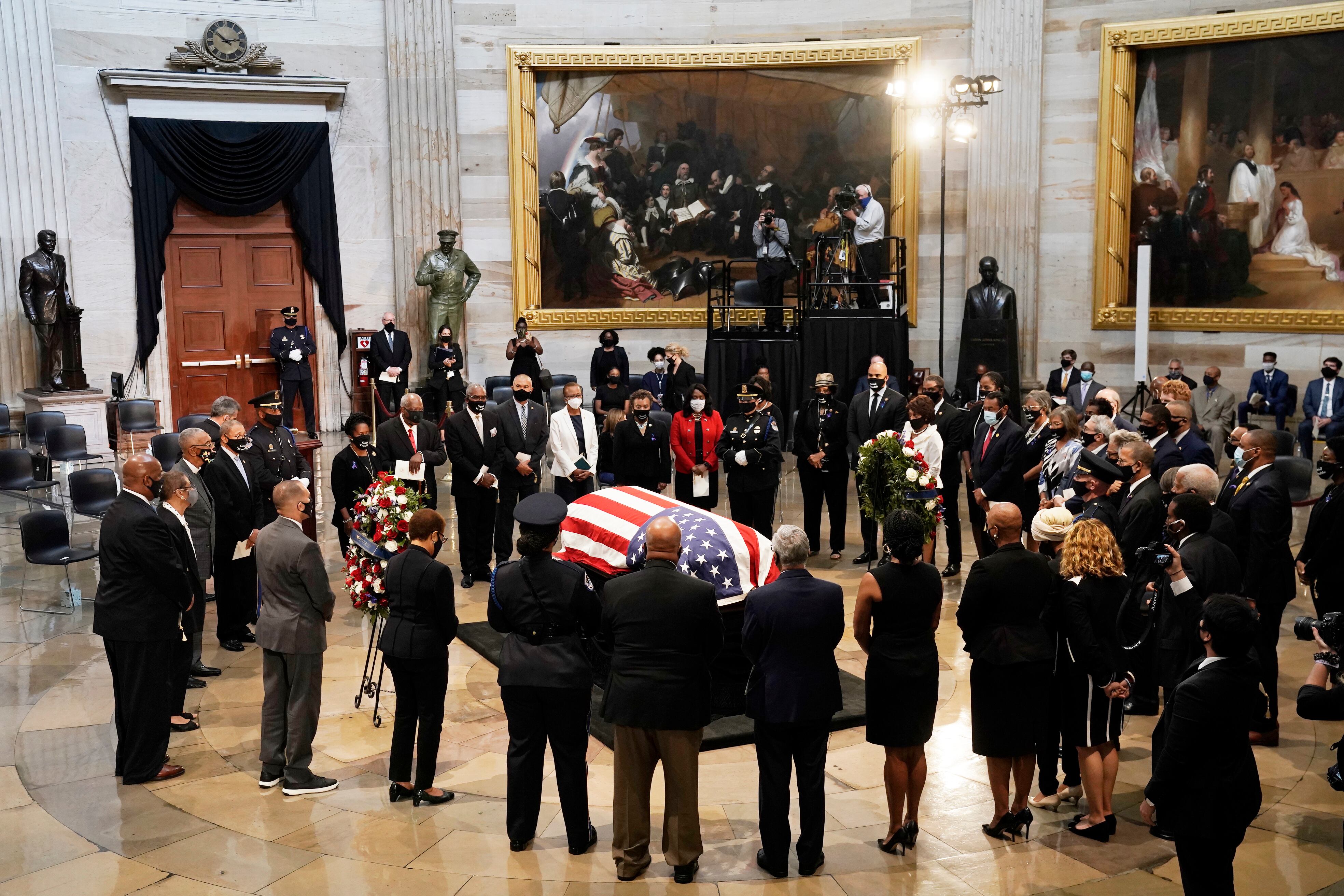
Congressional leaders are praising the late Rep. John Lewis as a moral force for the nation in a Capitol Rotunda ceremony rich with symbolism and punctuated by the booming, recorded voice of the late civil rights icon.
As the coronavirus pandemic hits Americans' wallets, it is also exposing the long standing wealth gap between minority communities and white Americans, according to Damon Jones, professor at the University of Chicago.
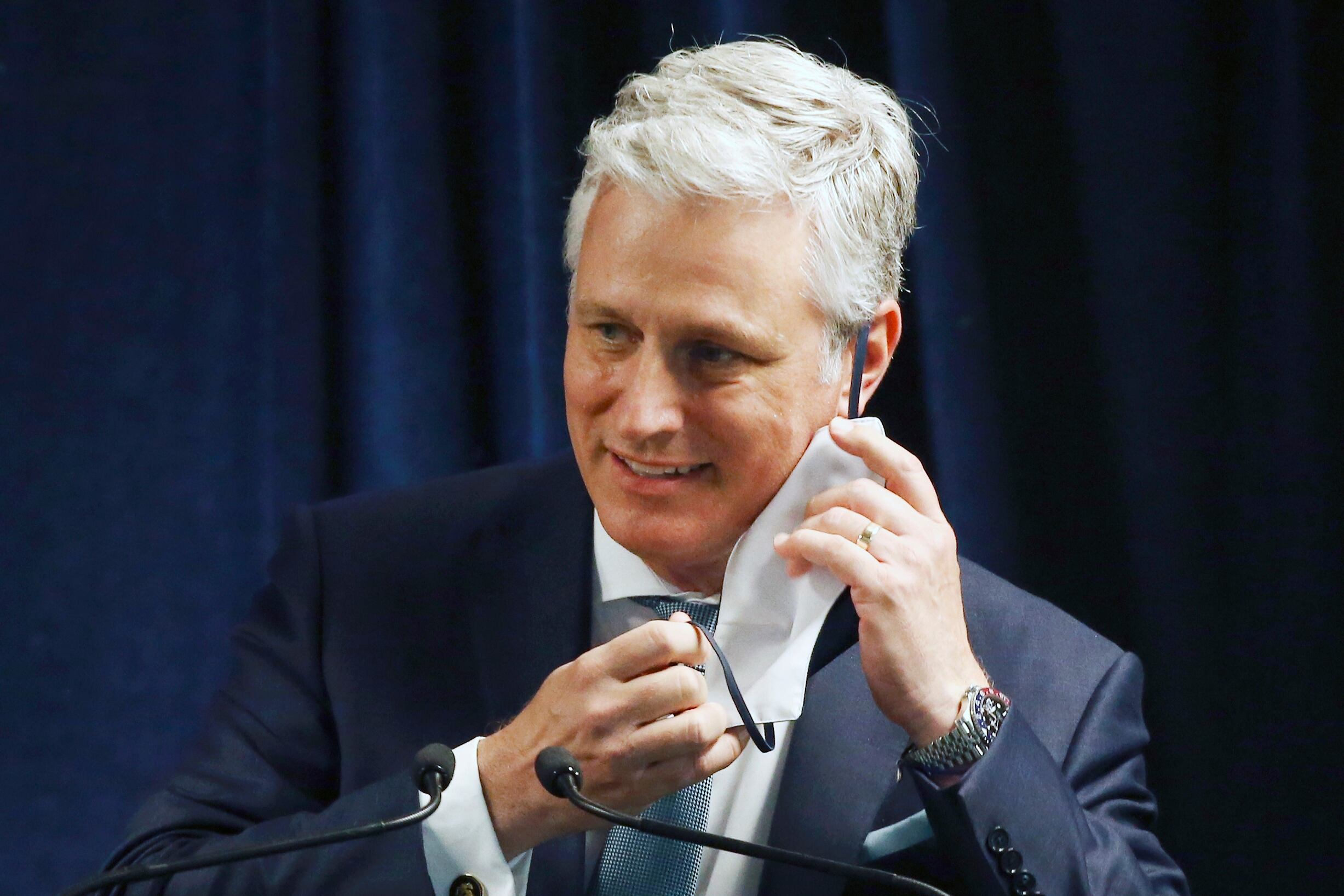
President Donald Trump's National Security Adviser Robert O'Brien has tested positive for the coronavirus — making him the highest-ranking official to test positive so far.
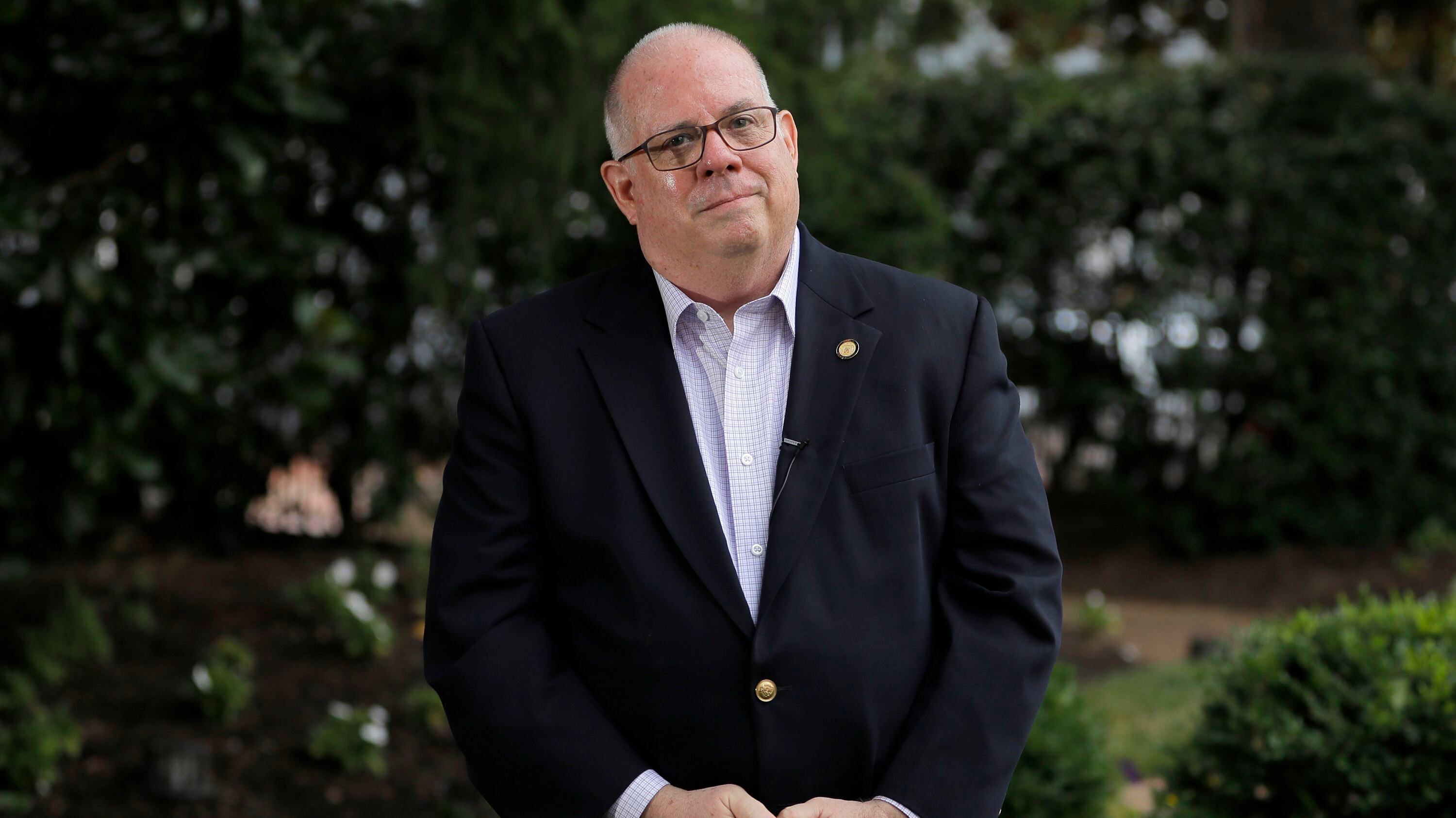
Maryland Governor Larry Hogan says a GOP shake-up is on the horizon following the Trump presidency as calls for change echo across the U.S.
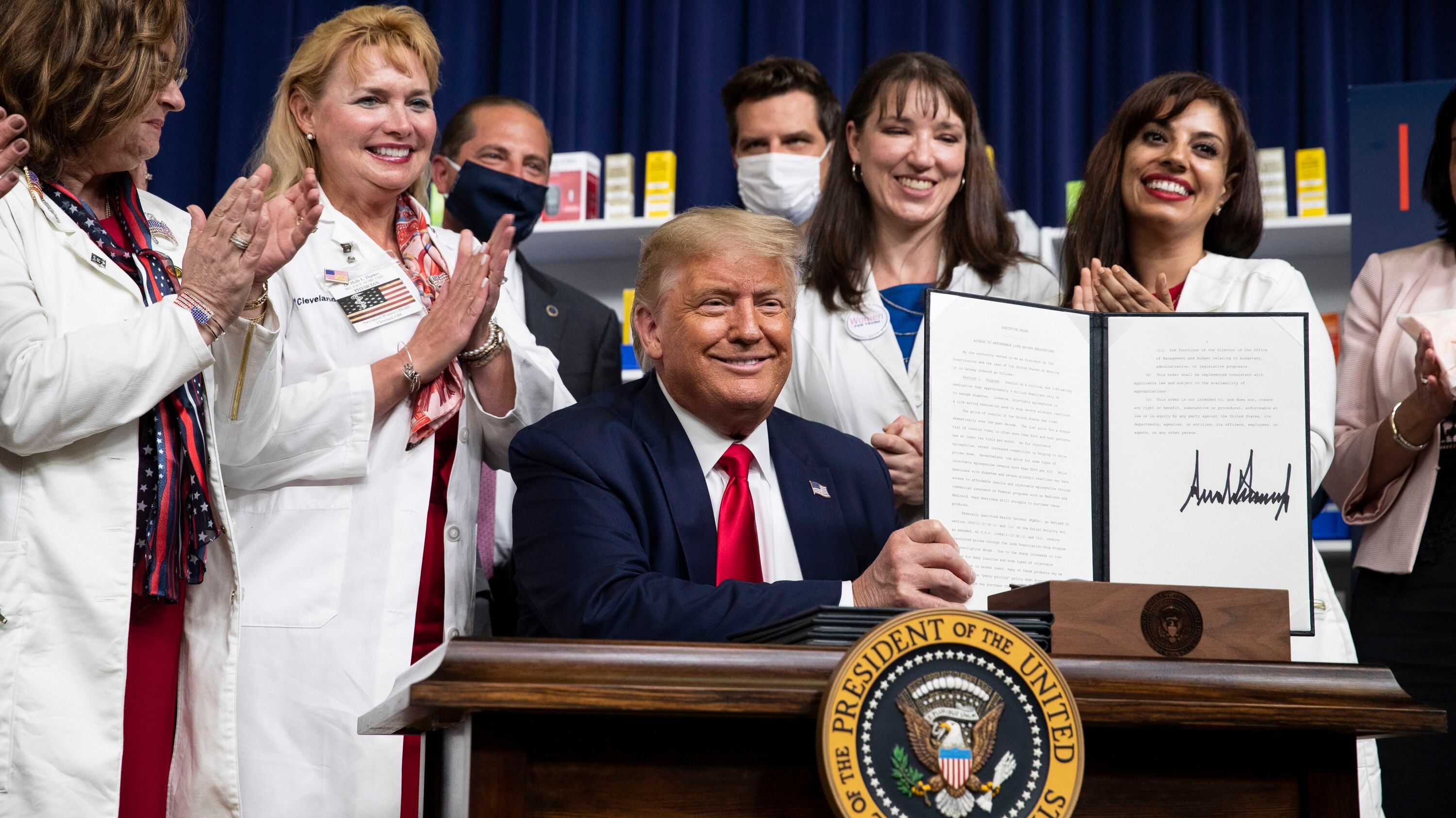
President Donald Trump has been unable to land the big deal he sought with Congress to curb drug costs. But now he's moving on his own to allow imports of cheaper prescription medicines, along with other limited steps that could still have election-year appeal.
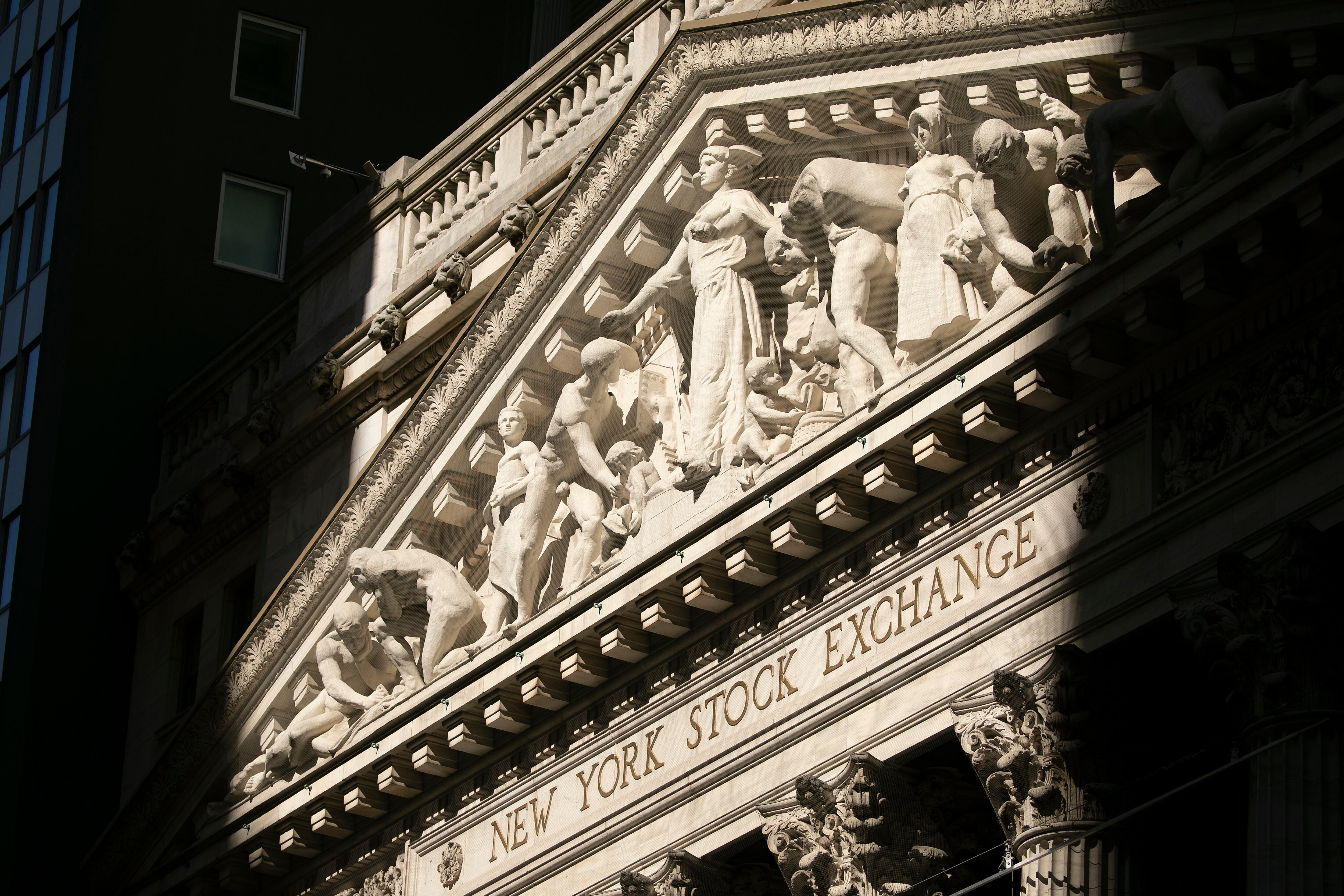
Stocks closed broadly lower for the second day in a row Friday as Wall Street gave back some of its gains from a mostly solid July rally.
From Wall Street to Silicon Valley, these are the top stories that moved markets and had investors, business leaders, and entrepreneurs talking this week on Cheddar.
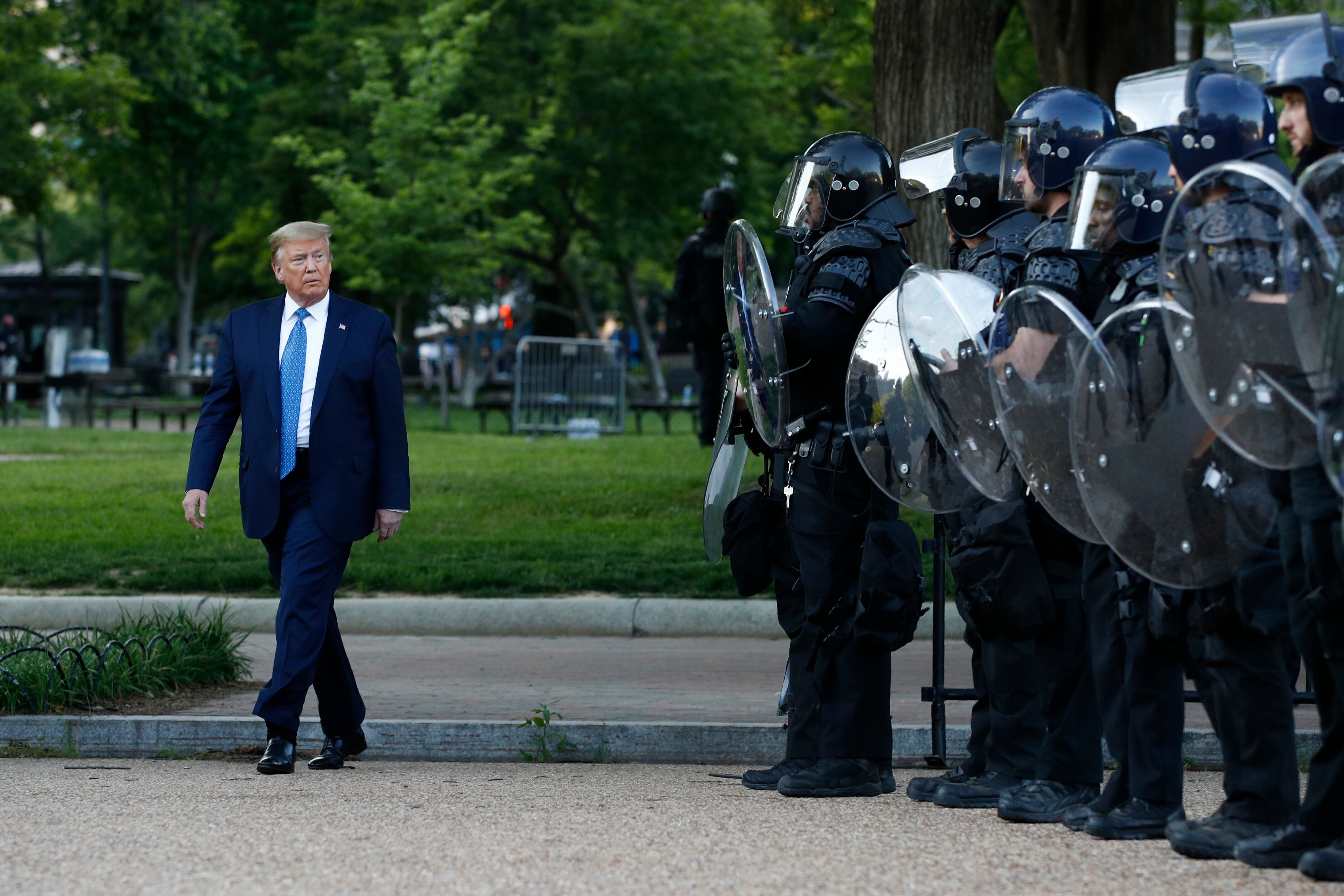
As President Trump's actions are dissected since protests erupted following the killing of George Floyd at the hands of police, much has been made of how past presidents responded to civil unrest over the last century.