By Fatima Hussein
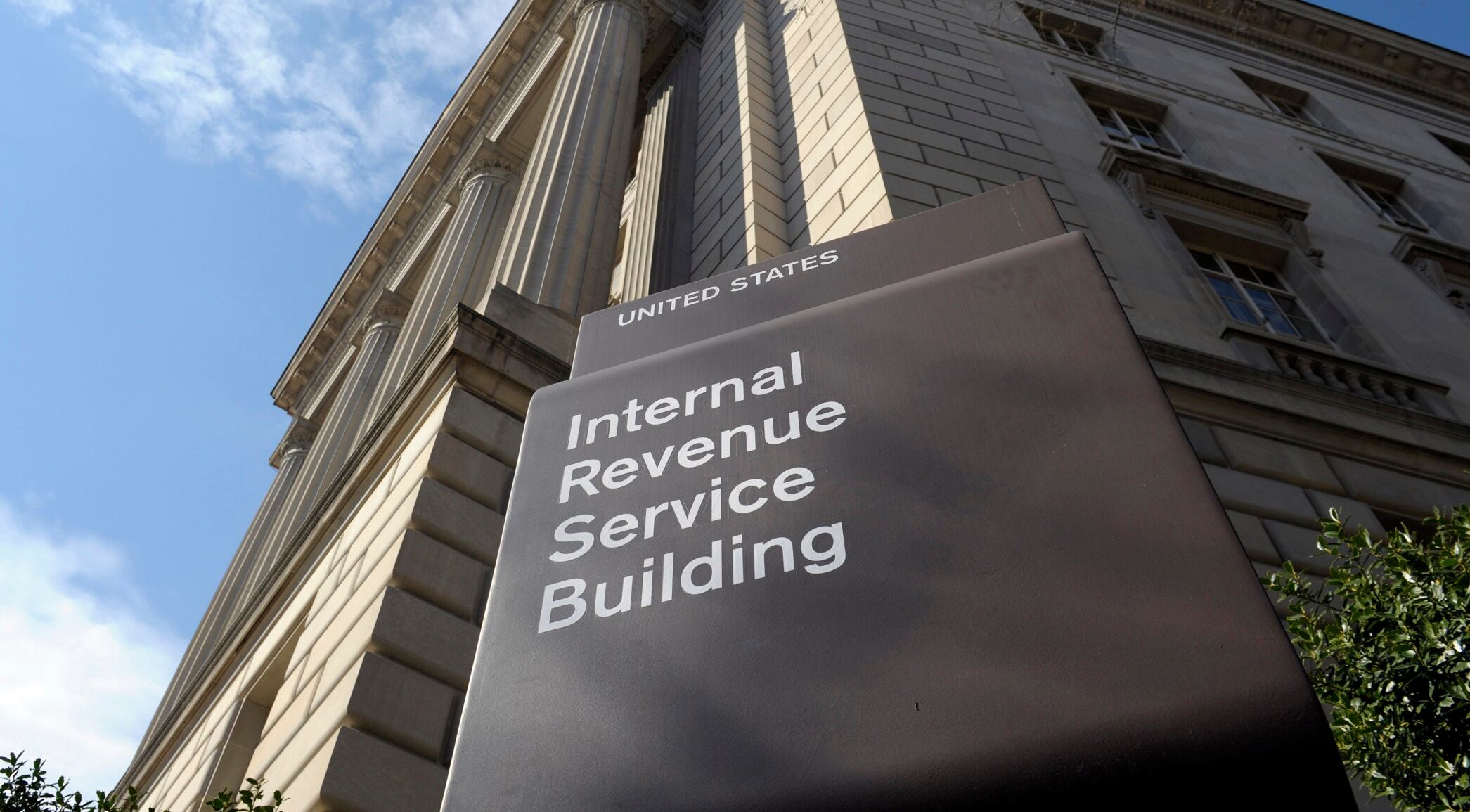
The IRS said Monday it will suspend the use of facial recognition technology to authenticate people who create online accounts after the practice was criticized by privacy advocates and lawmakers.
The agency said it would no longer use a third-party service, called ID.me, for facial recognition. Critics of the software said the database could become a target for cyberthreats. They also expressed concern about how the information could be used by other government agencies, among other concerns.
Earlier Monday, Senate Finance Committee Chair Ron Wyden, D-Ore., called on the agency to end its use of the ID.me software. After the IRS announced the practice would be suspended, Wyden said "the Treasury Department has made the smart decision to direct the IRS to transition away from using the controversial ID.me verification service.”
"No one should be forced to submit to facial recognition to access critical government services,” he added.
The IRS is currently grappling with a worker shortage and an expanded workload from processing tax filings and administering pandemic-related programs. Legislation that would have given the agency billions of dollars to more expeditiously process returns is stalled.
“The IRS takes taxpayer privacy and security seriously, and we understand the concerns that have been raised,” said IRS Commissioner Chuck Rettig.
“Everyone should feel comfortable with how their personal information is secured, and we are quickly pursuing short-term options that do not involve facial recognition.”
The agency said the transition would occur “over the coming weeks in order to prevent larger disruptions to taxpayers during filing season.”
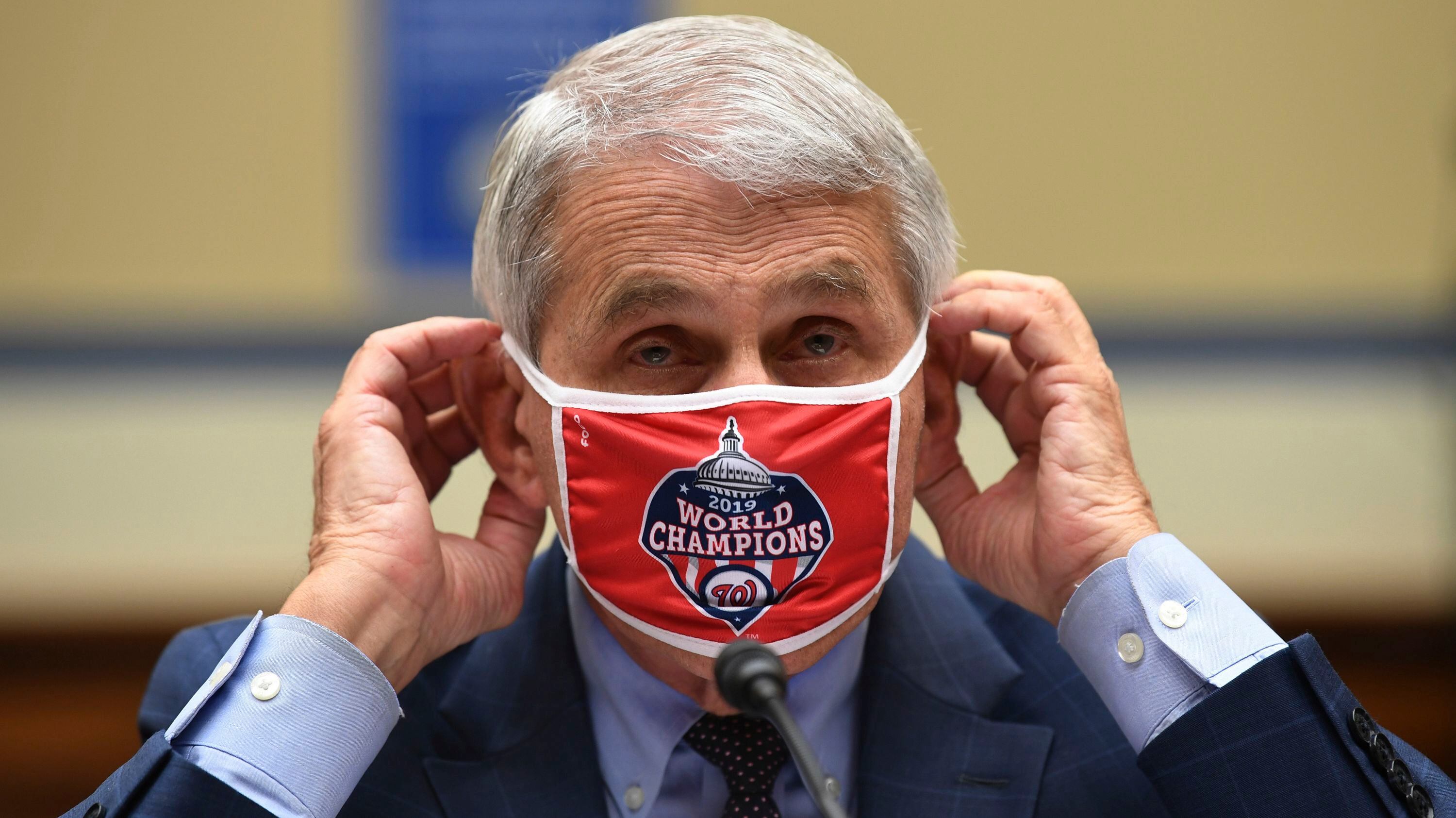
Dr. Anthony Fauci has told lawmakers that once a coronavirus vaccine is approved as safe and effective, Americans should have widespread access within a reasonable time.
President Trump has rolled back and an Obama-era fair housing policy, allowing developers to bypass building affordable housing in suburban neighborhoods. David Sanchez, director of research & development at National Community Stabilization Trust, assesses the move as a rallying call to Trump's base ahead of the November election.
John Lewis was celebrated as an American hero during his funeral as former President Barack Obama and others called on people to follow Lewis’ example and take action in the face of injustice.
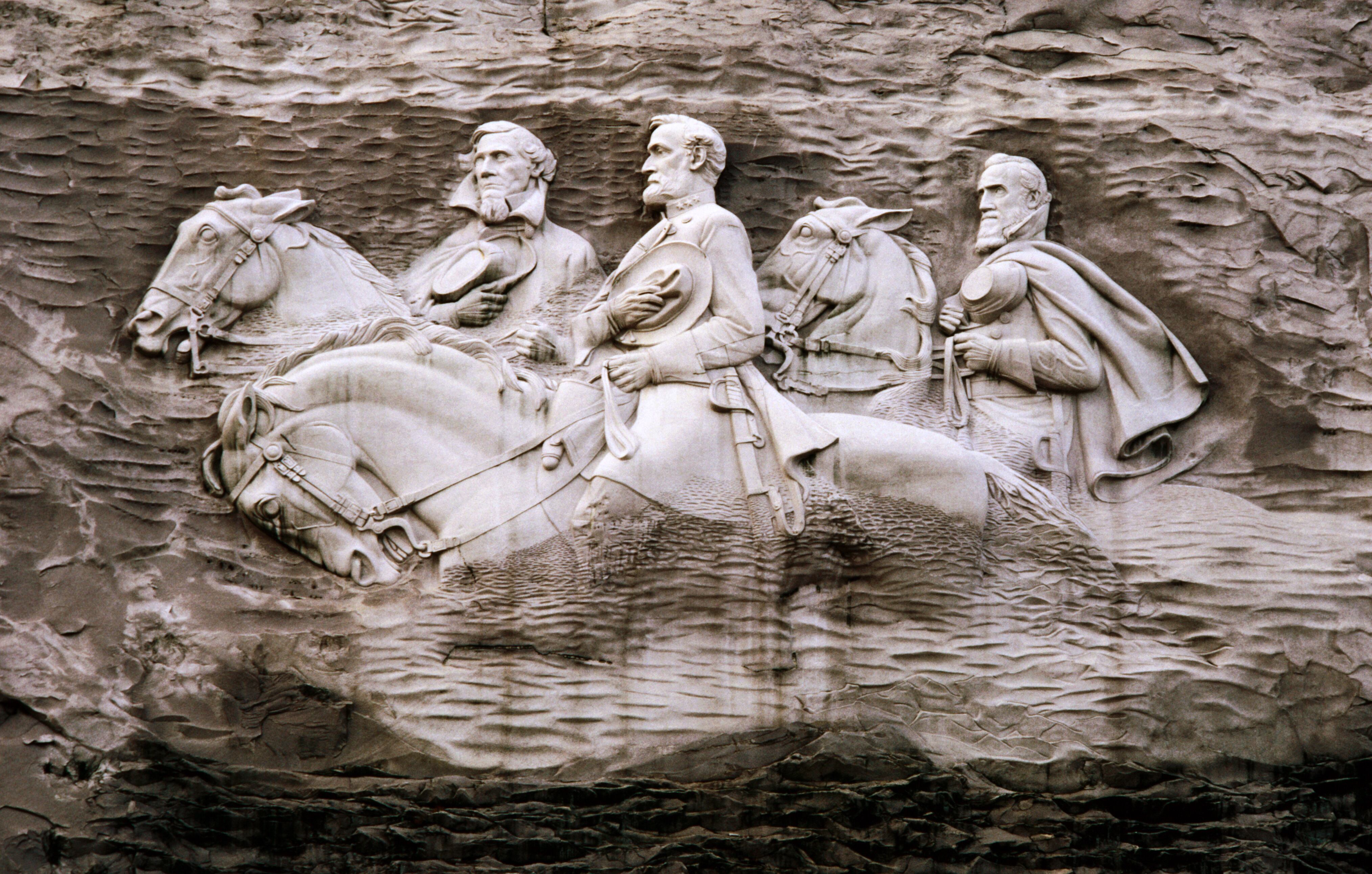
Statues commemorating the Confederacy are being torn down across America as a result of racial unrest following the murder of George Floyd in Minneapolis. But the largest monument in the country has been left out of the conversation: Stone Mountain monument in Georgia. The 42-foot-deep, 76-by-158 foot carving of Confederate President Jefferson Davis, and Generals Robert E. Lee and Stonewall Jackson sits on the face of the world’s largest piece of exposed granite. Removing it could require bitter political debate and a year-long demolition. But for most, the racist history it represents is too hard to ignore.
Unemployment claims rise for the second week as states reverse course on reopenings amid spikes in coronavirus cases. Tyler Goodspeed, acting chairmain of White House council of economic advisers, talks current standing of the economy.
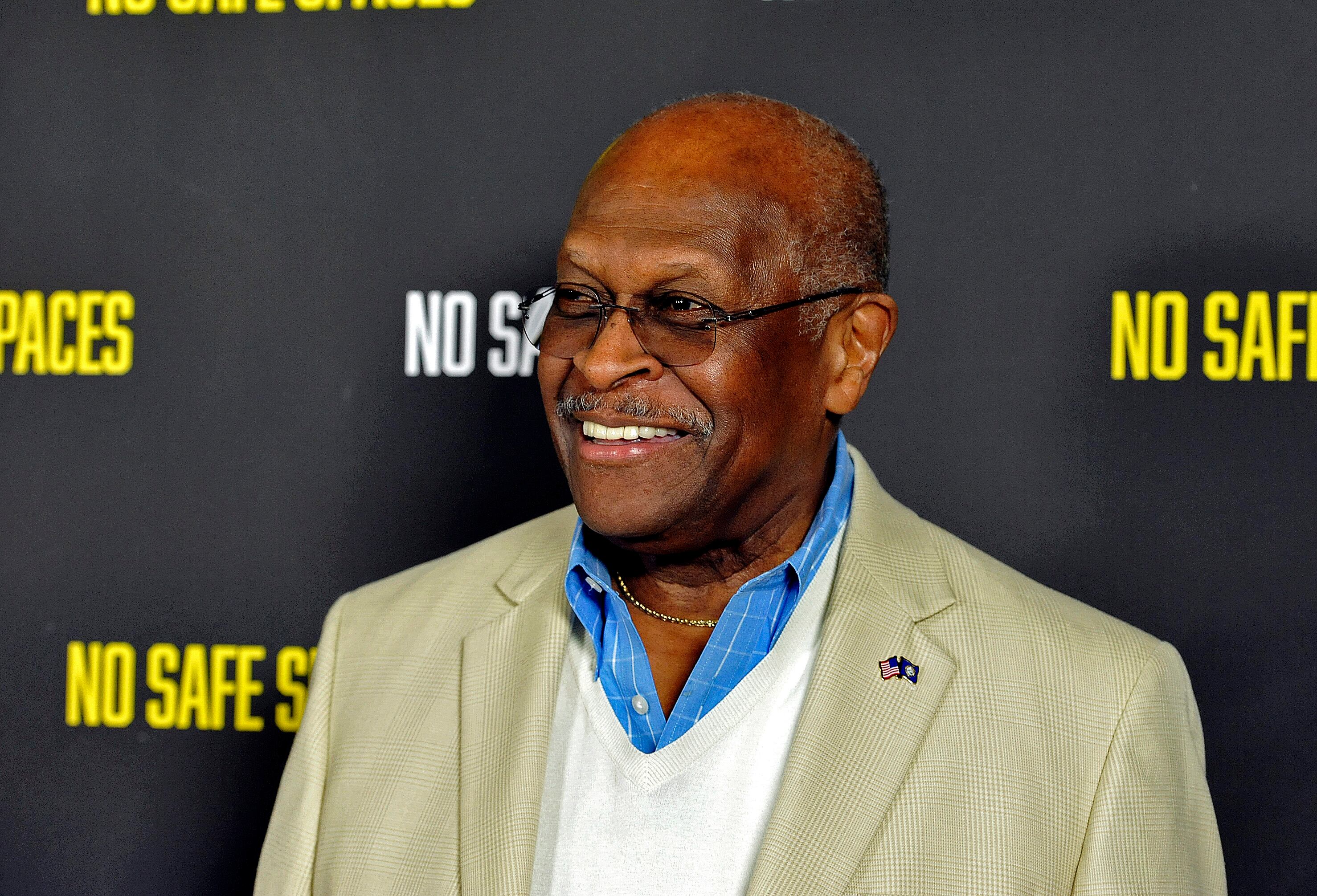
Former GOP presidential candidate Herman Cain has died after battling the coronavirus. He was 74.
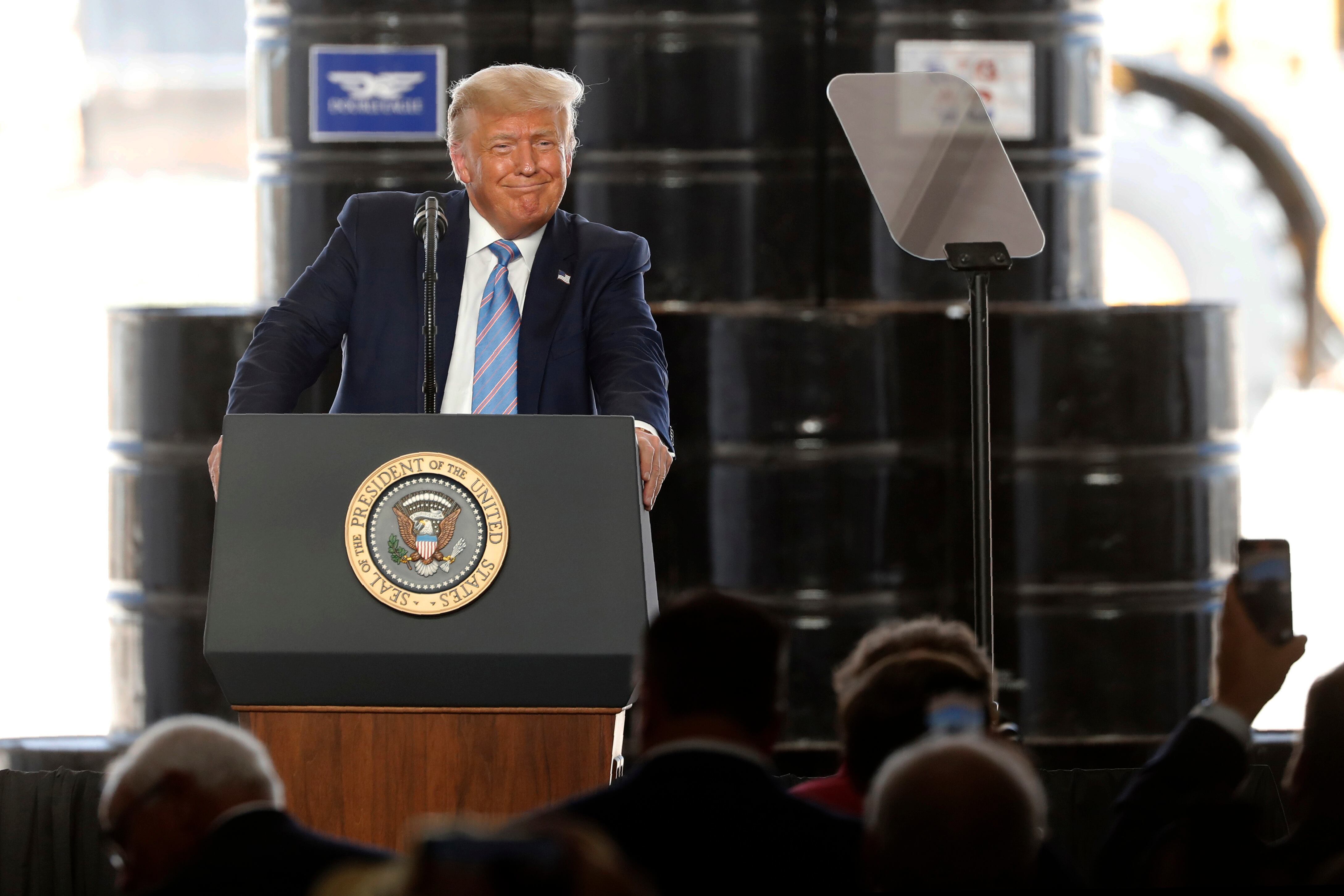
President Donald Trump is for the first time floating a “delay” to the Nov. 3 presidential election, as he makes unsubstantiated allegations that increased mail-in voting will result in fraud.
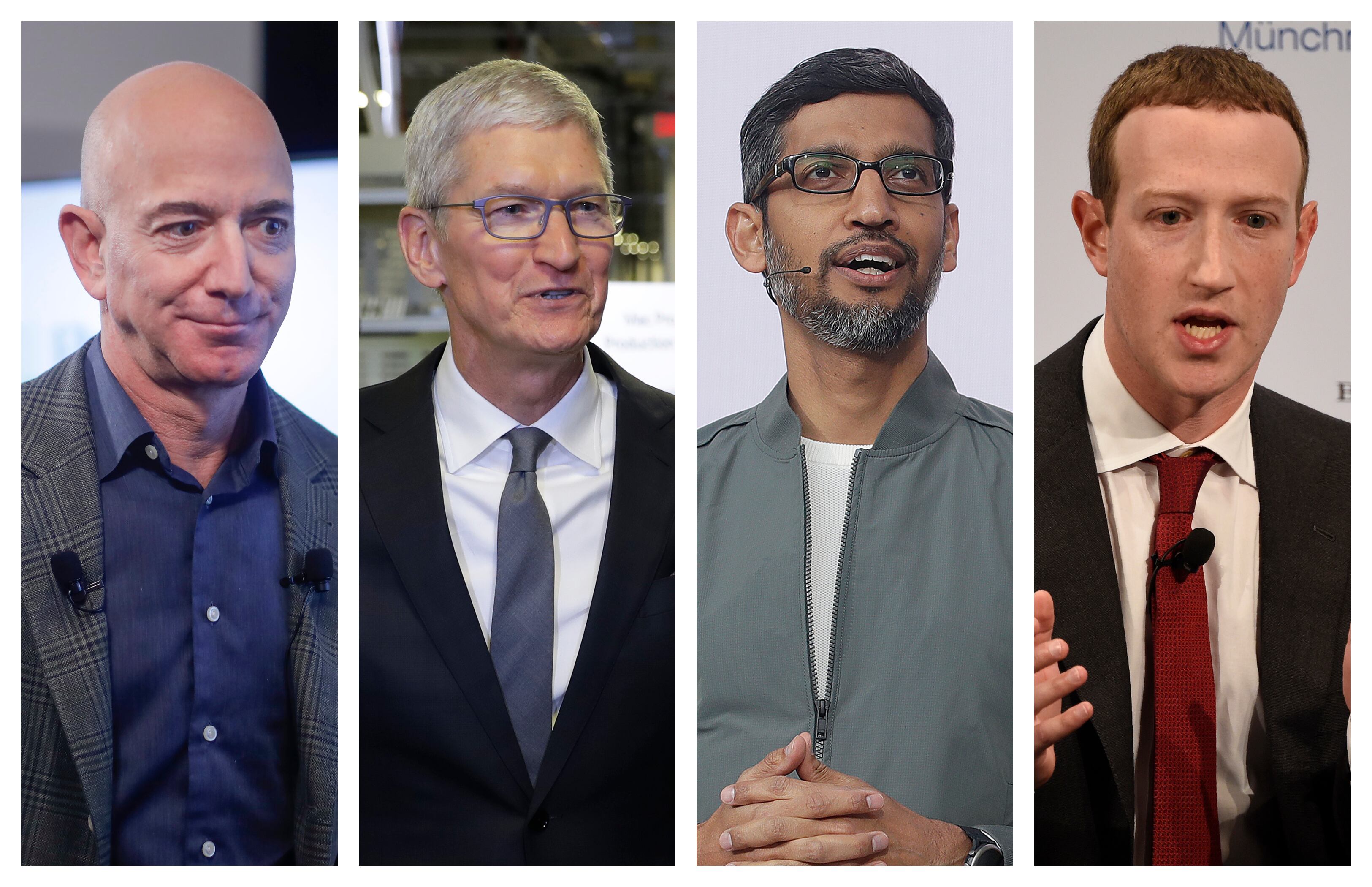
Four Big Tech CEOs are fending off accusations of stifling competition in front of a congressional panel that is investigating market dominance in the industry.
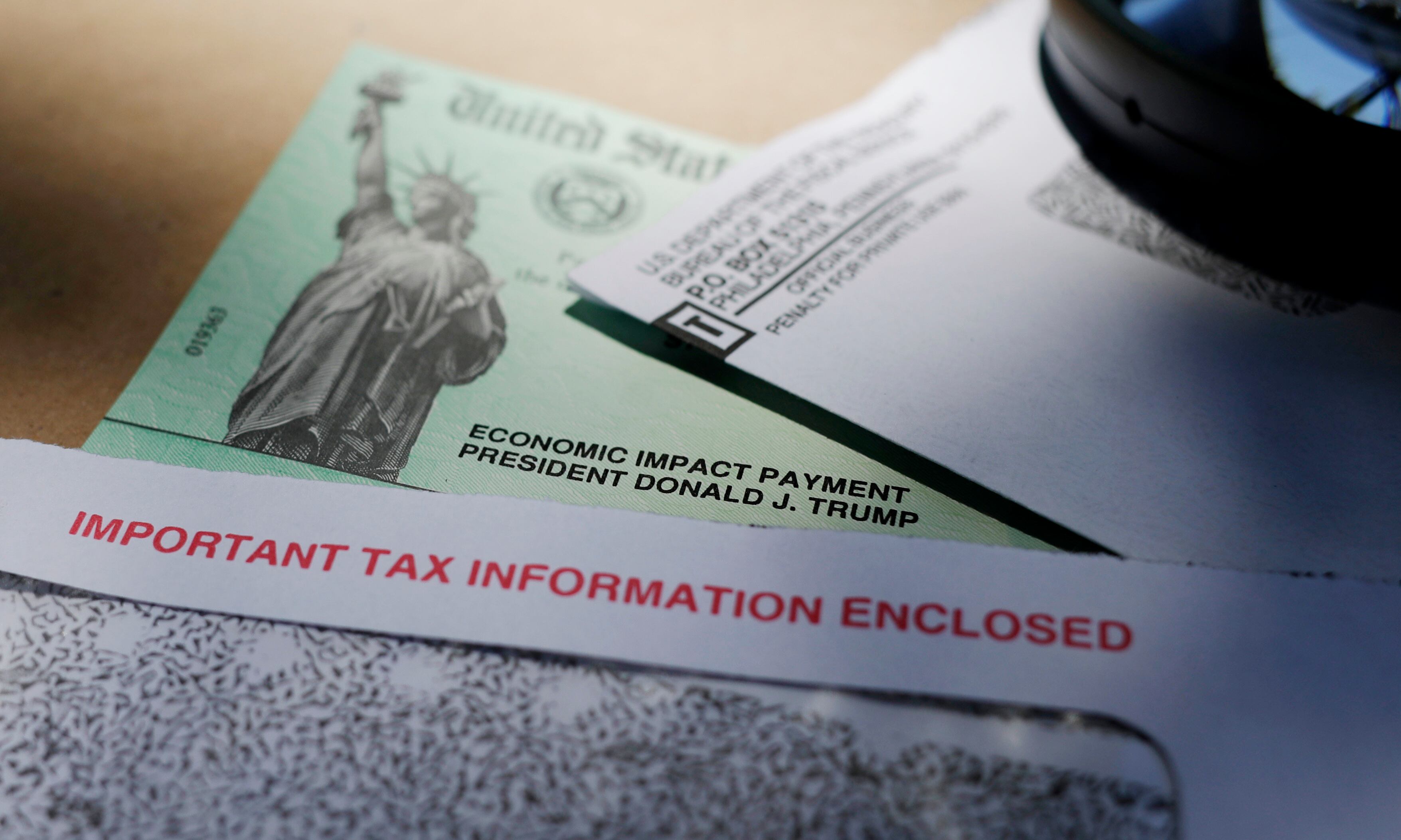
Cheddar takes a look at some key differences between proposals by Republicans and Democrats on the next phase of economic stimulus amid the pandemic crisis.
The Federal Reserve expressed concern Wednesday that the viral outbreak will act as a drag on the economy and hiring in the coming months and said it plans to keep its benchmark short-term interest rate pegged near zero.