By Fatima Hussein
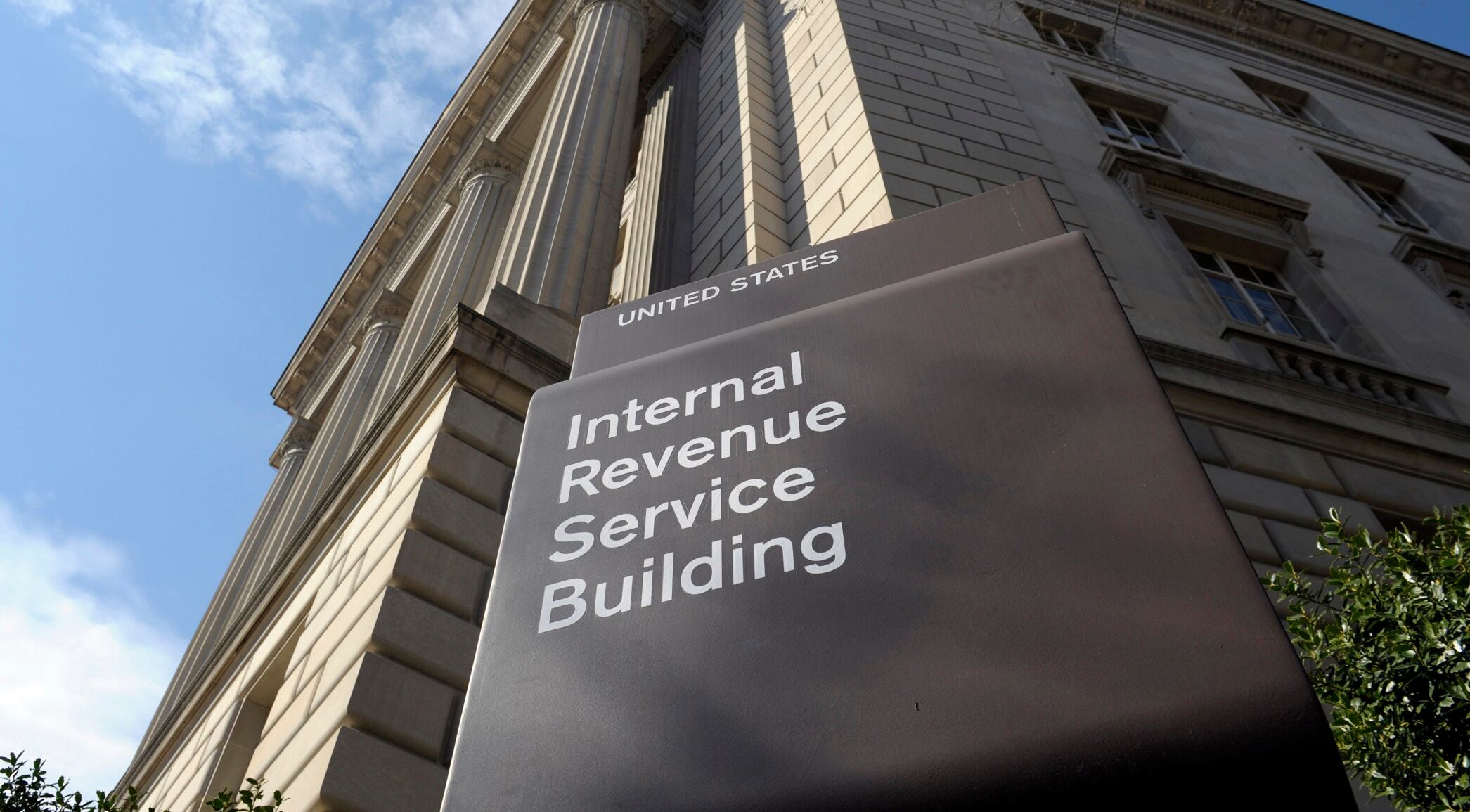
The IRS said Monday it will suspend the use of facial recognition technology to authenticate people who create online accounts after the practice was criticized by privacy advocates and lawmakers.
The agency said it would no longer use a third-party service, called ID.me, for facial recognition. Critics of the software said the database could become a target for cyberthreats. They also expressed concern about how the information could be used by other government agencies, among other concerns.
Earlier Monday, Senate Finance Committee Chair Ron Wyden, D-Ore., called on the agency to end its use of the ID.me software. After the IRS announced the practice would be suspended, Wyden said "the Treasury Department has made the smart decision to direct the IRS to transition away from using the controversial ID.me verification service.”
"No one should be forced to submit to facial recognition to access critical government services,” he added.
The IRS is currently grappling with a worker shortage and an expanded workload from processing tax filings and administering pandemic-related programs. Legislation that would have given the agency billions of dollars to more expeditiously process returns is stalled.
“The IRS takes taxpayer privacy and security seriously, and we understand the concerns that have been raised,” said IRS Commissioner Chuck Rettig.
“Everyone should feel comfortable with how their personal information is secured, and we are quickly pursuing short-term options that do not involve facial recognition.”
The agency said the transition would occur “over the coming weeks in order to prevent larger disruptions to taxpayers during filing season.”
Two studies released this week show another round of layoffs is already underway as evidence emerges that many workers are losing their jobs for the second time since shutdown measures took hold in March.
Hong Kong police have arrested media tycoon Jimmy Lai and raided the publisher’s headquarters in the highest-profile use yet of the new security law Beijing imposed on the city in June.
TikTok's global chief information and security officer, Roland Cloutier, dismisses claims that the app is a security threat and provides user information to China.
Trump administration negotiators are back at the Capitol for last-ditch talks on vital COVID-19 rescue money. Democratic leaders summoned them for another try with the negotiations teetering on the brink of collapse.
From Wall Street to Silicon Valley, these are the top stories that moved markets and had investors, business leaders, and entrepreneurs talking this week on Cheddar.
New York schools can bring children back to classrooms for the start of the school year, Gov. Andrew Cuomo announced Friday.
Media reports say 26 billboards are going up across Louisville, Kentucky, demanding that the police officers involved in Taylor’s death be arrested and charged. That’s one billboard for every year of the Black woman’s life.
The U.S. is imposing sanctions on pro-China officials in Hong Kong, including the leader of the government, for their alleged roles in squashing freedom in the former British colony.
he nonpartisan Commission on Presidential Debates has rejected a request from the Trump campaign to either add an additional general election debate or move up the calendar for the contests.
The Trump administration has moved to raise application fees for various immigration processes, including asylum. Michelle N. Mendez, director of defending vulnerable programs at CLINIC, calls the move an attack on immigration.