By Fatima Hussein
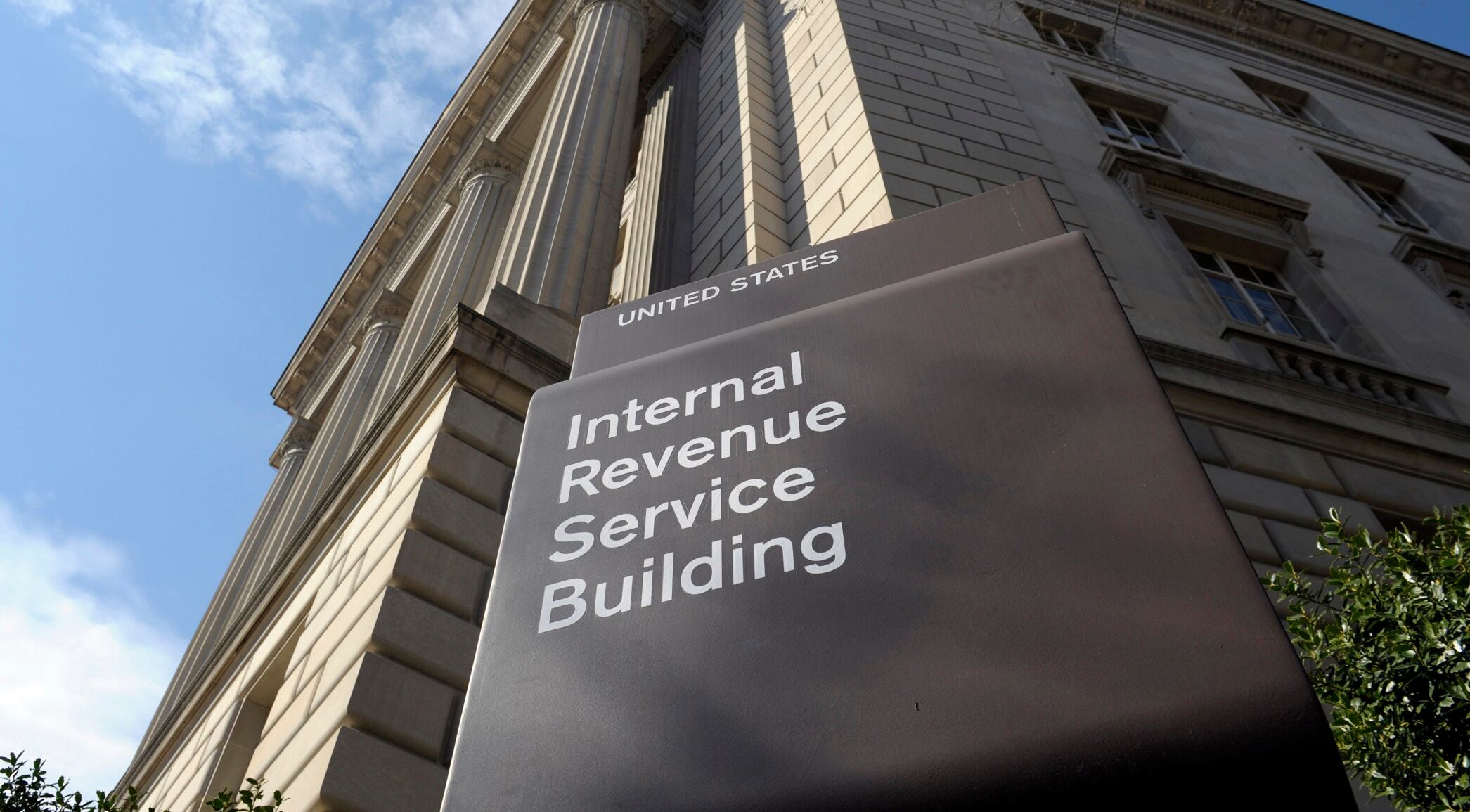
The IRS said Monday it will suspend the use of facial recognition technology to authenticate people who create online accounts after the practice was criticized by privacy advocates and lawmakers.
The agency said it would no longer use a third-party service, called ID.me, for facial recognition. Critics of the software said the database could become a target for cyberthreats. They also expressed concern about how the information could be used by other government agencies, among other concerns.
Earlier Monday, Senate Finance Committee Chair Ron Wyden, D-Ore., called on the agency to end its use of the ID.me software. After the IRS announced the practice would be suspended, Wyden said "the Treasury Department has made the smart decision to direct the IRS to transition away from using the controversial ID.me verification service.”
"No one should be forced to submit to facial recognition to access critical government services,” he added.
The IRS is currently grappling with a worker shortage and an expanded workload from processing tax filings and administering pandemic-related programs. Legislation that would have given the agency billions of dollars to more expeditiously process returns is stalled.
“The IRS takes taxpayer privacy and security seriously, and we understand the concerns that have been raised,” said IRS Commissioner Chuck Rettig.
“Everyone should feel comfortable with how their personal information is secured, and we are quickly pursuing short-term options that do not involve facial recognition.”
The agency said the transition would occur “over the coming weeks in order to prevent larger disruptions to taxpayers during filing season.”
Supreme Court Justice Ruth Bader Ginsburg, a diminutive yet towering women’s rights champion who became the court’s second female justice, has died at her home in Washington.
U.S. health officials are dropping a controversial piece of coronavirus guidance and telling all those who have been in close contact with infected people to get tested.
Senator Jon Tester of Montana joined Cheddar to discuss movement on a new stimulus deal in Congress after talks paused in August. Tester also discusses how Joe Biden can win back rural voters this November.
An Associated Press review found growing allegations that a gynecologist performed surgeries and other procedures that detained migrant women never sought or didn’t fully understand.
Judge Stanley Bastian in Yakima, Washington, said he was issuing a nationwide preliminary injunction sought by 14 states that sued the Trump administration and the U.S. Postal Service.
College towns across the U.S. have emerged as virus hot spots in recent weeks as schools struggle to contain the virus.
As the U.S. treks into the 7th month of the coronavirus pandemic, trust in government agencies and top medical officials is dropping among Republican voters. Dr. Richard Besser, president and CEO of the Robert Wood Johnson Foundation, joined Cheddar to discuss how people can navigate advice from medical professionals as some guidances are deemed political.
The Federal Reserve adjusted its inflation target to seek price increases above 2% annually, a move that will likely keep interest rates low for years to come.
The federal government is outlining a sweeping plan to make COVID-19 vaccines available for free to all Americans.
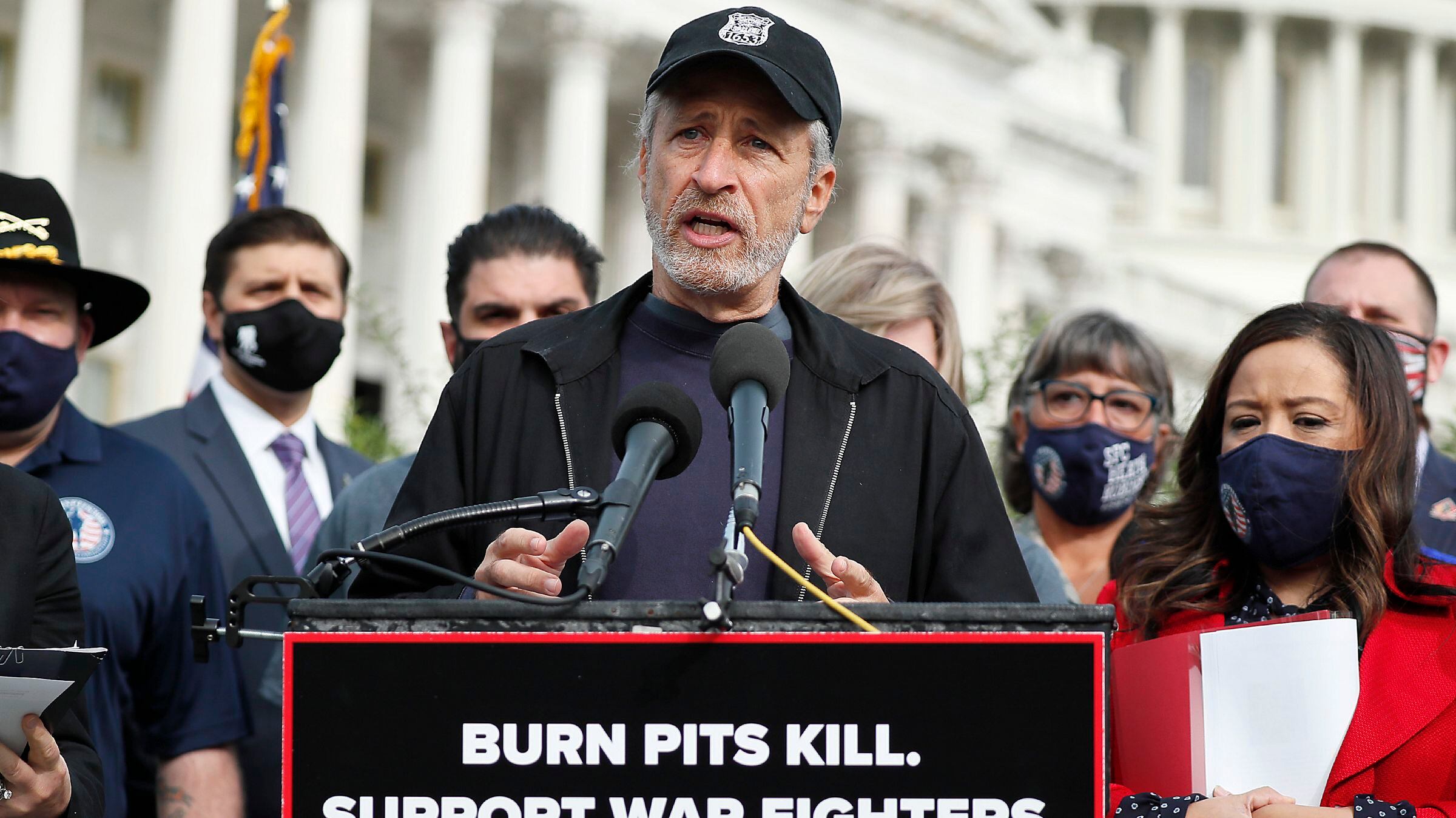
This week Jon Stewart helped bring forth new legislation aimed at providing financial relief for burn pit victims. Stewart said the battle with congress is just a continued fight in getting first responders aid in the 9/11 Victim Compensation Fund. Cheddar's JD Durkin reports.