By Fatima Hussein
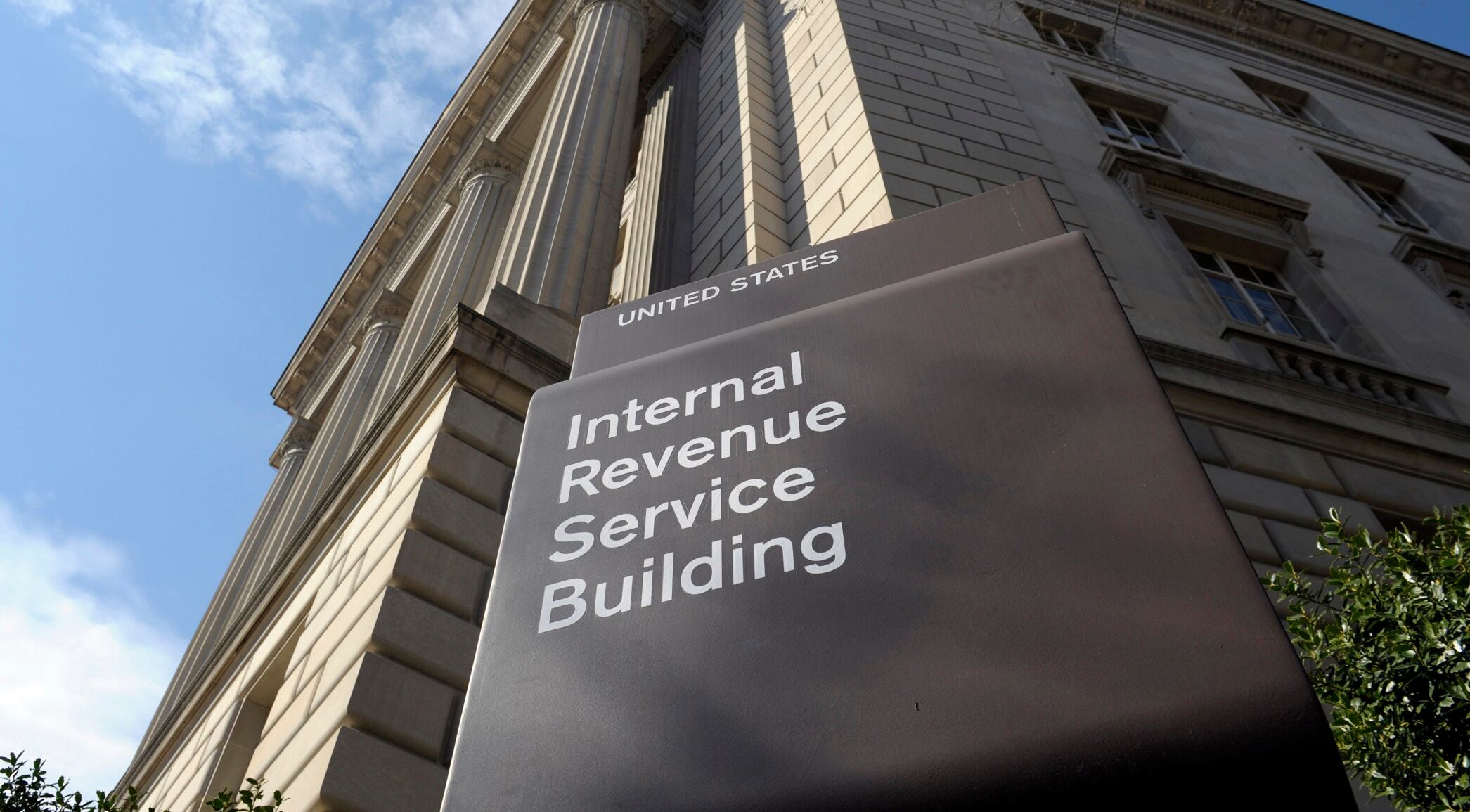
The IRS said Monday it will suspend the use of facial recognition technology to authenticate people who create online accounts after the practice was criticized by privacy advocates and lawmakers.
The agency said it would no longer use a third-party service, called ID.me, for facial recognition. Critics of the software said the database could become a target for cyberthreats. They also expressed concern about how the information could be used by other government agencies, among other concerns.
Earlier Monday, Senate Finance Committee Chair Ron Wyden, D-Ore., called on the agency to end its use of the ID.me software. After the IRS announced the practice would be suspended, Wyden said "the Treasury Department has made the smart decision to direct the IRS to transition away from using the controversial ID.me verification service.”
"No one should be forced to submit to facial recognition to access critical government services,” he added.
The IRS is currently grappling with a worker shortage and an expanded workload from processing tax filings and administering pandemic-related programs. Legislation that would have given the agency billions of dollars to more expeditiously process returns is stalled.
“The IRS takes taxpayer privacy and security seriously, and we understand the concerns that have been raised,” said IRS Commissioner Chuck Rettig.
“Everyone should feel comfortable with how their personal information is secured, and we are quickly pursuing short-term options that do not involve facial recognition.”
The agency said the transition would occur “over the coming weeks in order to prevent larger disruptions to taxpayers during filing season.”
President Donald Trump paid just $750 in federal income taxes the year he ran for president and in his first year in the White House, according to a report Sunday in The New York Times.
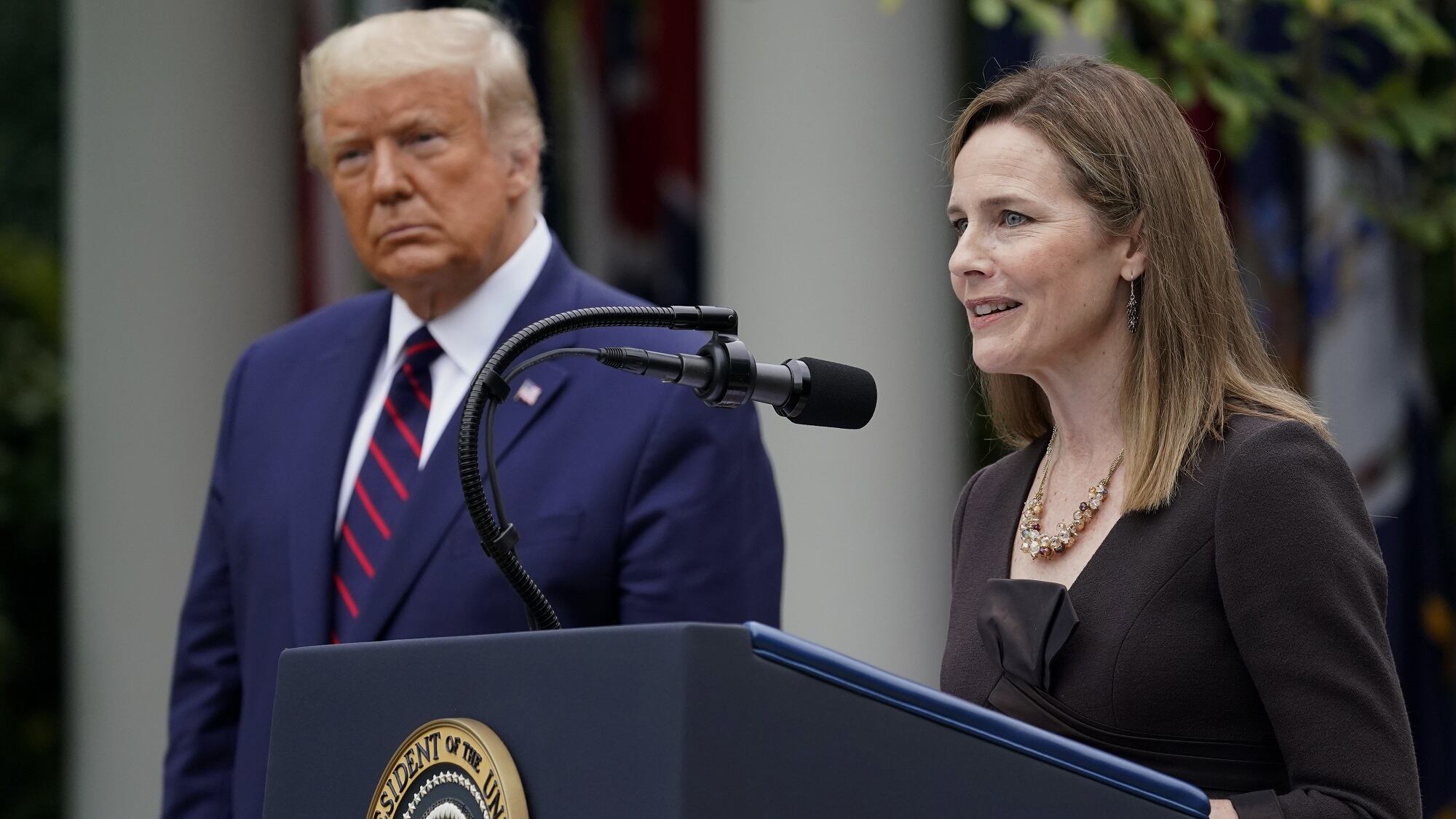
President Donald Trump nominated Judge Amy Coney Barrett to the Supreme Court on Saturday, capping a dramatic reshaping of the federal judiciary that will resonate for a generation and that he hopes will provide a needed boost to his reelection effort.
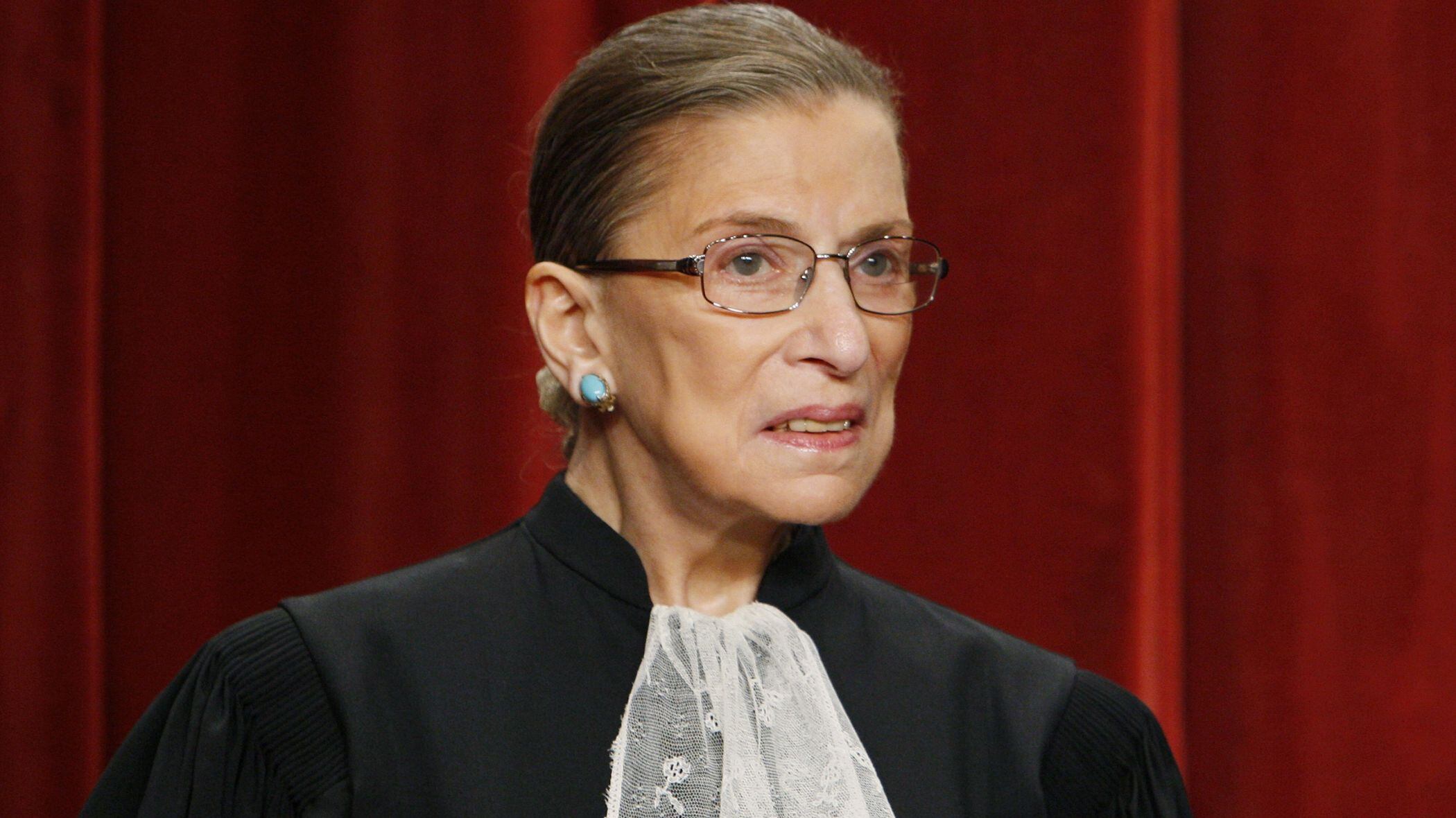
The late Supreme Court Justice Ruth Bader Ginsburg lay in state at the U.S. Capitol on Friday, the first woman in American history so honored at the domed building.
From Wall Street to Silicon Valley, these are the top stories that moved markets and had investors, business leaders, and entrepreneurs talking this week on Cheddar.
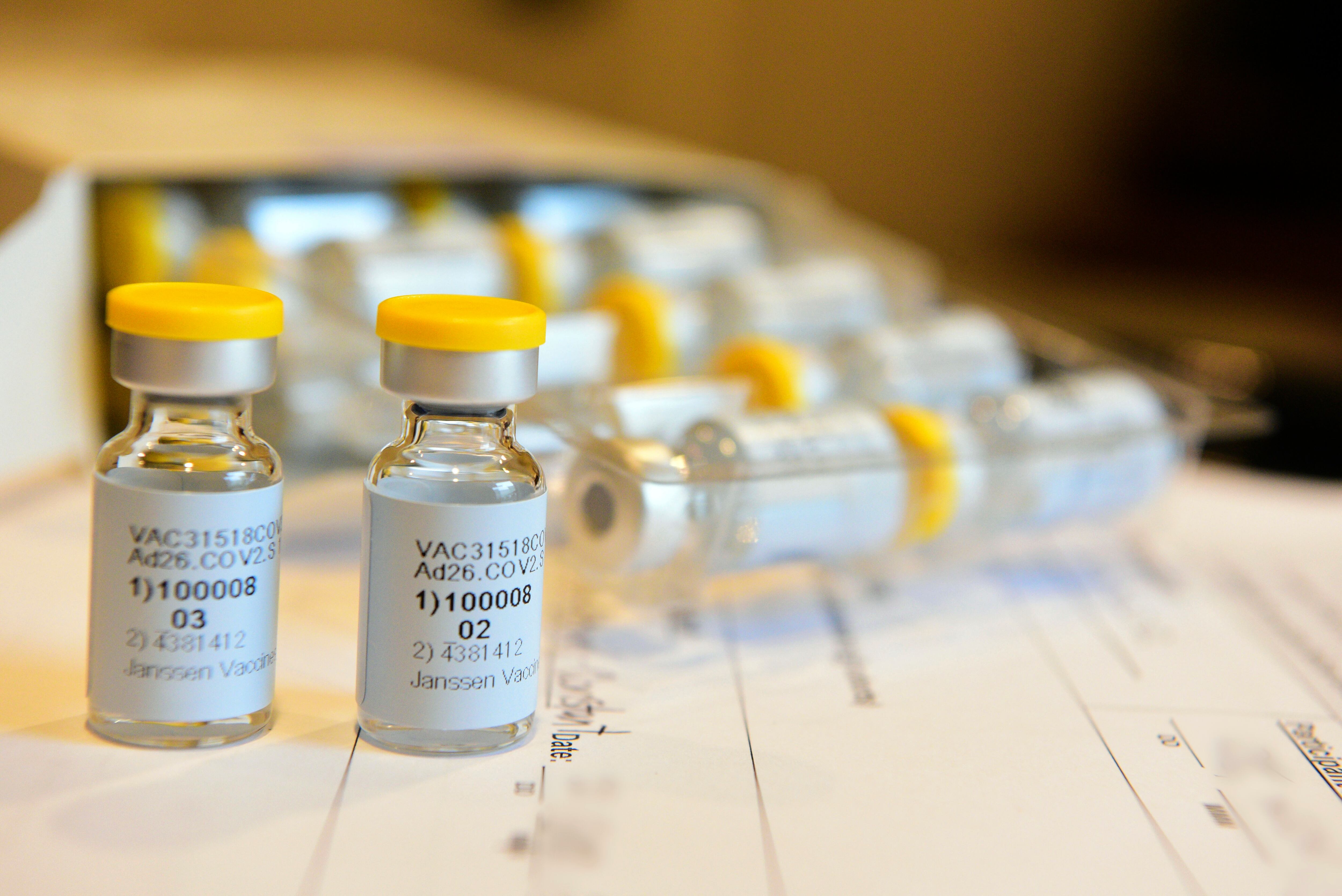
Dr. Paul Stoffels, chief scientific officer at Johnson & Johnson, joined Cheddar to discuss phase three COVID-19 vaccine trials. More than 60,000 people worldwide have volunteered to be part of the study.
A closer look at some key areas where Ginsburg was most influential reveals a jurist who defied easy ideological categories, especially when it came to business.
The pandemic is now striking cities with much smaller populations, often in conservative corners of America where anti-mask sentiment runs high.
Ohio Rep. Bob Latta joined Cheddar to discuss new safety legislation he's introduced for autonomous vehicles. The Self-Drive Act will create a national standard for operation of self-driving cars.
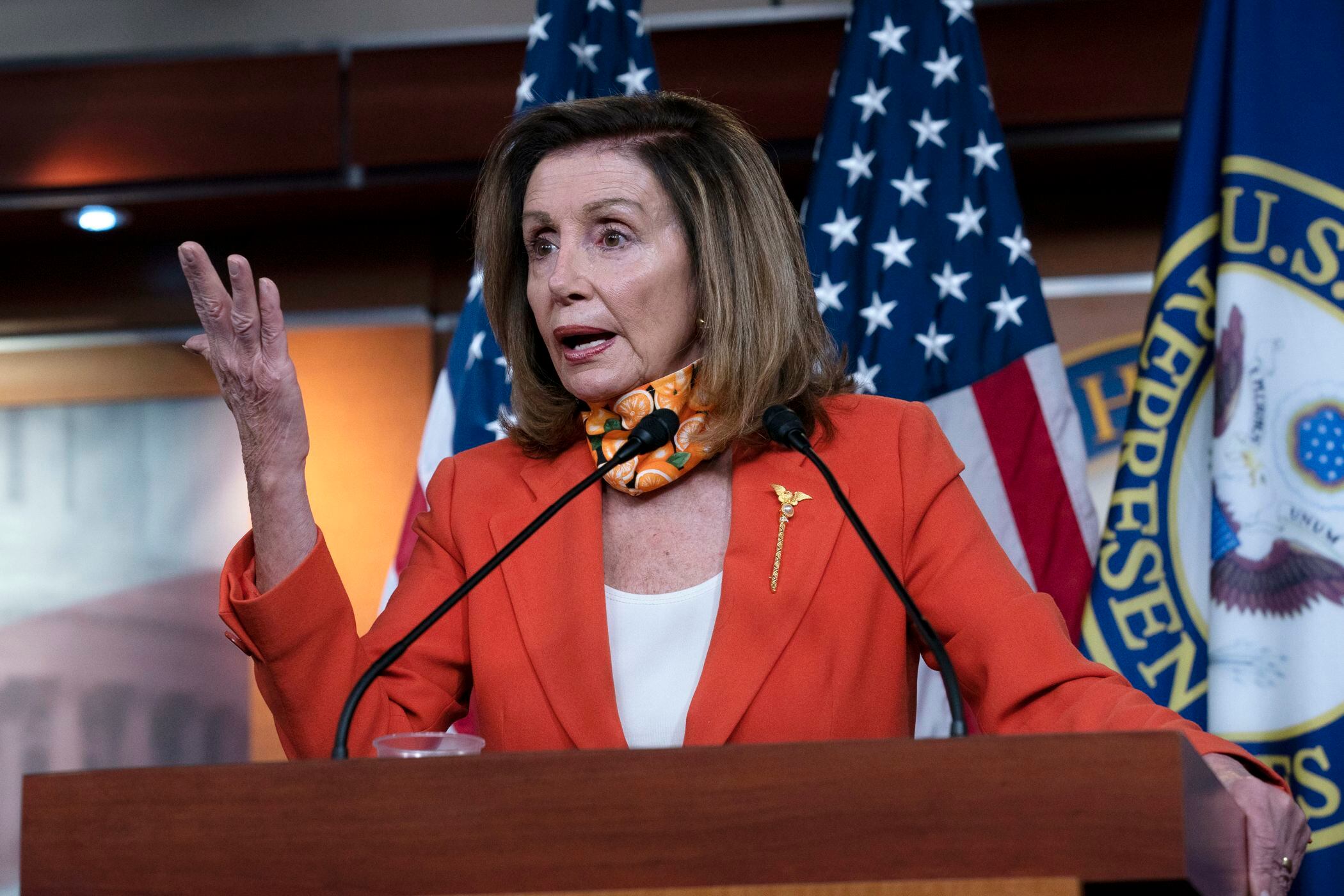
Democrats are going back to the drawing board on a huge virus relief bill. House Democrats say they are paring back their proposal in an attempt to jump-start negotiations with the Trump administration.
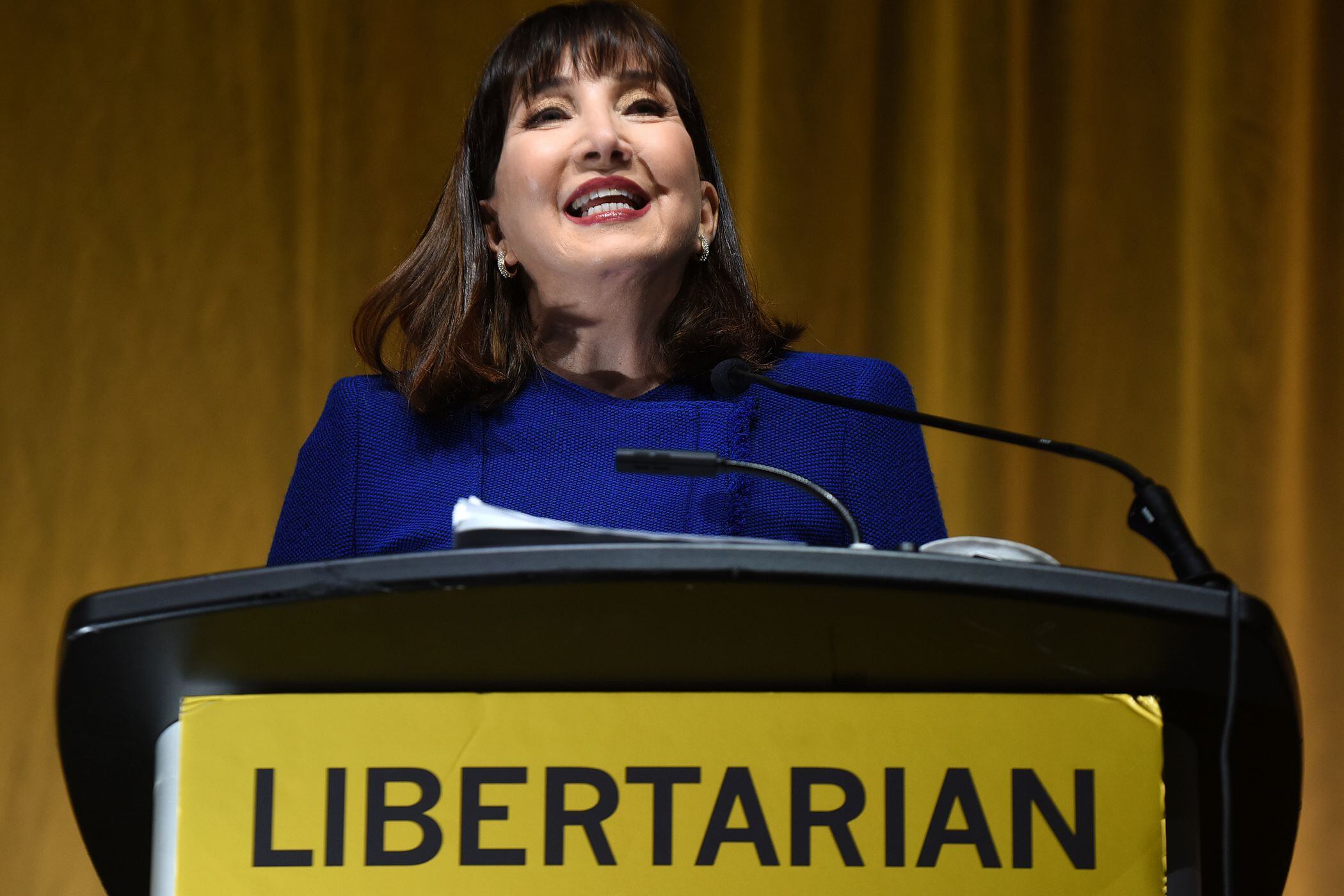
Dr. Jo Jorgensen, the 2020 Libertarian candidate for President, joined Cheddar to discuss her role in this year's election and whether third party candidates dictate the outcome. Jorgensen also provides her position on mask wearing when it comes to mitigating the spread of COVID-19.