By Fatima Hussein
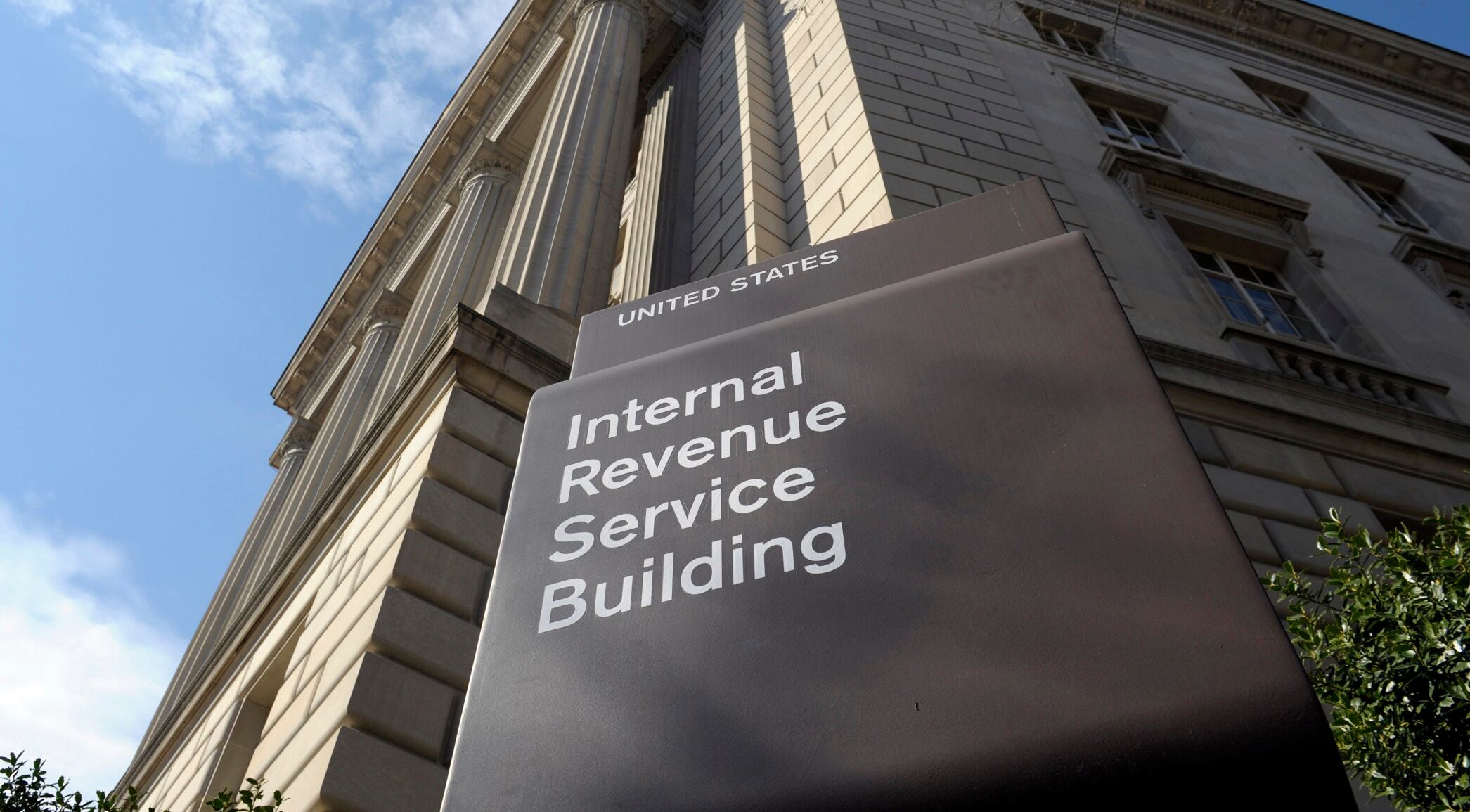
The IRS said Monday it will suspend the use of facial recognition technology to authenticate people who create online accounts after the practice was criticized by privacy advocates and lawmakers.
The agency said it would no longer use a third-party service, called ID.me, for facial recognition. Critics of the software said the database could become a target for cyberthreats. They also expressed concern about how the information could be used by other government agencies, among other concerns.
Earlier Monday, Senate Finance Committee Chair Ron Wyden, D-Ore., called on the agency to end its use of the ID.me software. After the IRS announced the practice would be suspended, Wyden said "the Treasury Department has made the smart decision to direct the IRS to transition away from using the controversial ID.me verification service.”
"No one should be forced to submit to facial recognition to access critical government services,” he added.
The IRS is currently grappling with a worker shortage and an expanded workload from processing tax filings and administering pandemic-related programs. Legislation that would have given the agency billions of dollars to more expeditiously process returns is stalled.
“The IRS takes taxpayer privacy and security seriously, and we understand the concerns that have been raised,” said IRS Commissioner Chuck Rettig.
“Everyone should feel comfortable with how their personal information is secured, and we are quickly pursuing short-term options that do not involve facial recognition.”
The agency said the transition would occur “over the coming weeks in order to prevent larger disruptions to taxpayers during filing season.”
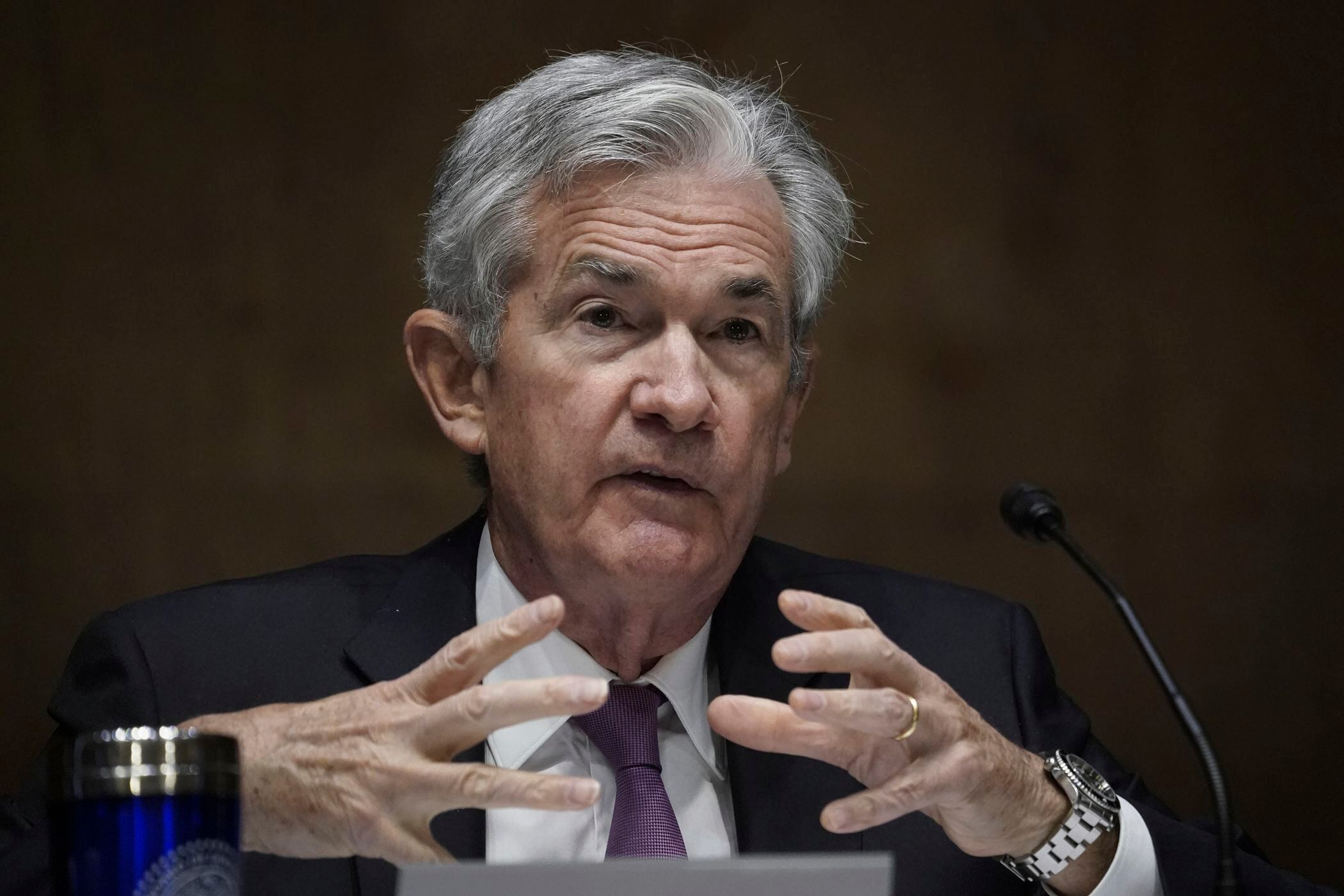
Federal Reserve Chair Jerome Powell warned Tuesday that a tentative recovery from the pandemic recession could falter unless the federal government supplies additional economic support.
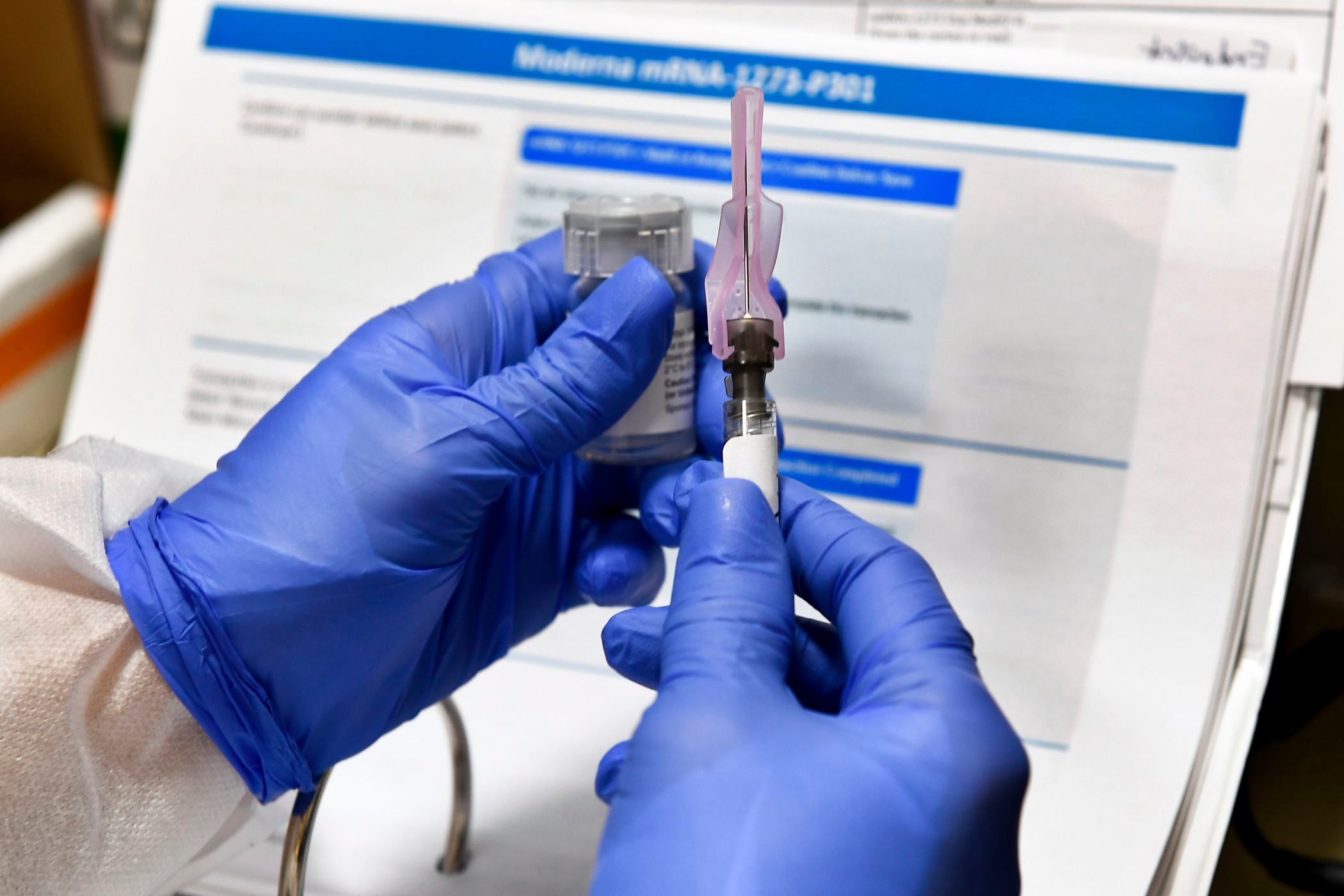
The Food and Drug Administration has laid out its safety standards for developers of COVID-19 vaccines after the White House blocked their formal release.
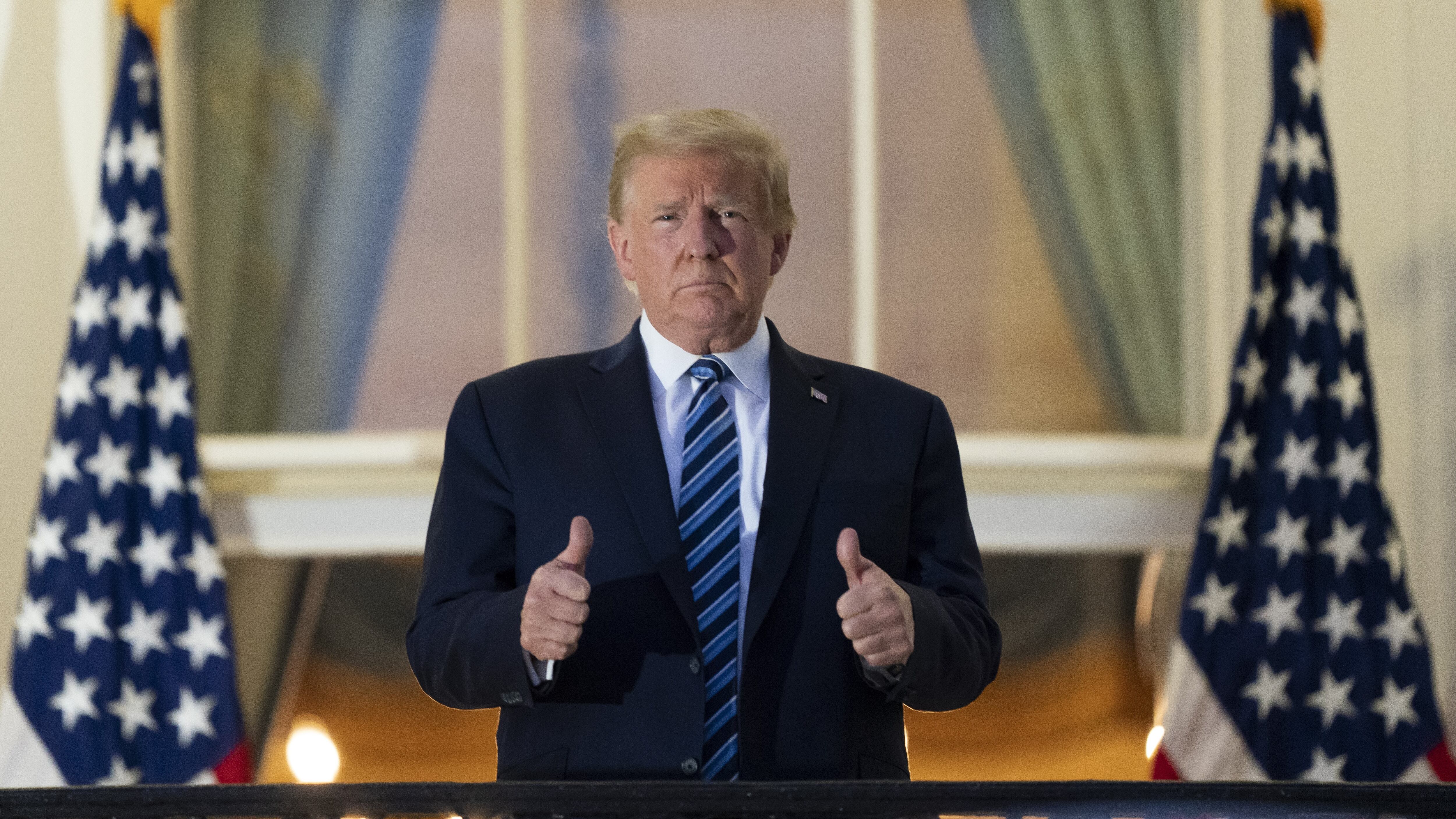
President Donald Trump is back at the White House after staging a dramatic return from the military hospital where he has been receiving an unprecedented level of care for COVID-19.
President Donald Trump says he will leave the military hospital and return to the White House Monday evening.
Former Obama officials say that the protocols in place are up to the task of preserving the continuity of the U.S. government in the event President Trump may be incapacitated.
White House press secretary Kayleigh McEnany says she has tested positive for COVID 19 days after President Trump's diagnosis.
Two days after being hospitalized with COVID-19, President Donald Trump declared, “I get it,” in a message to the nation Sunday before briefly leaving the hospital to salute supporters from his motorcade.
President Donald Trump faces “critical” coming days after a “very concerning” period in his fight against COVID-19 at a military hospital, his chief of staff said Saturday — in contrast to a rosier assessment moments earlier by Trump doctors, who took pains not to reveal the president had received supplemental oxygen at the White House before his hospital admission.
President Donald Trump went through a “very concerning” period Friday and faces a “critical” next two days in his fight against COVID-19 at a military hospital, his chief of staff said Saturday — in contrast to a rosier assessment moments earlier by Trump doctors, who took pains not to reveal the president had received supplemental oxygen at the White House before his hospital admission.
President Donald Trump appeared in public Friday evening for first time since testing positive for COVID-19 as he boarded Marine One for what was expected to be a stay of a “few days” at a military hospital.