By Fatima Hussein
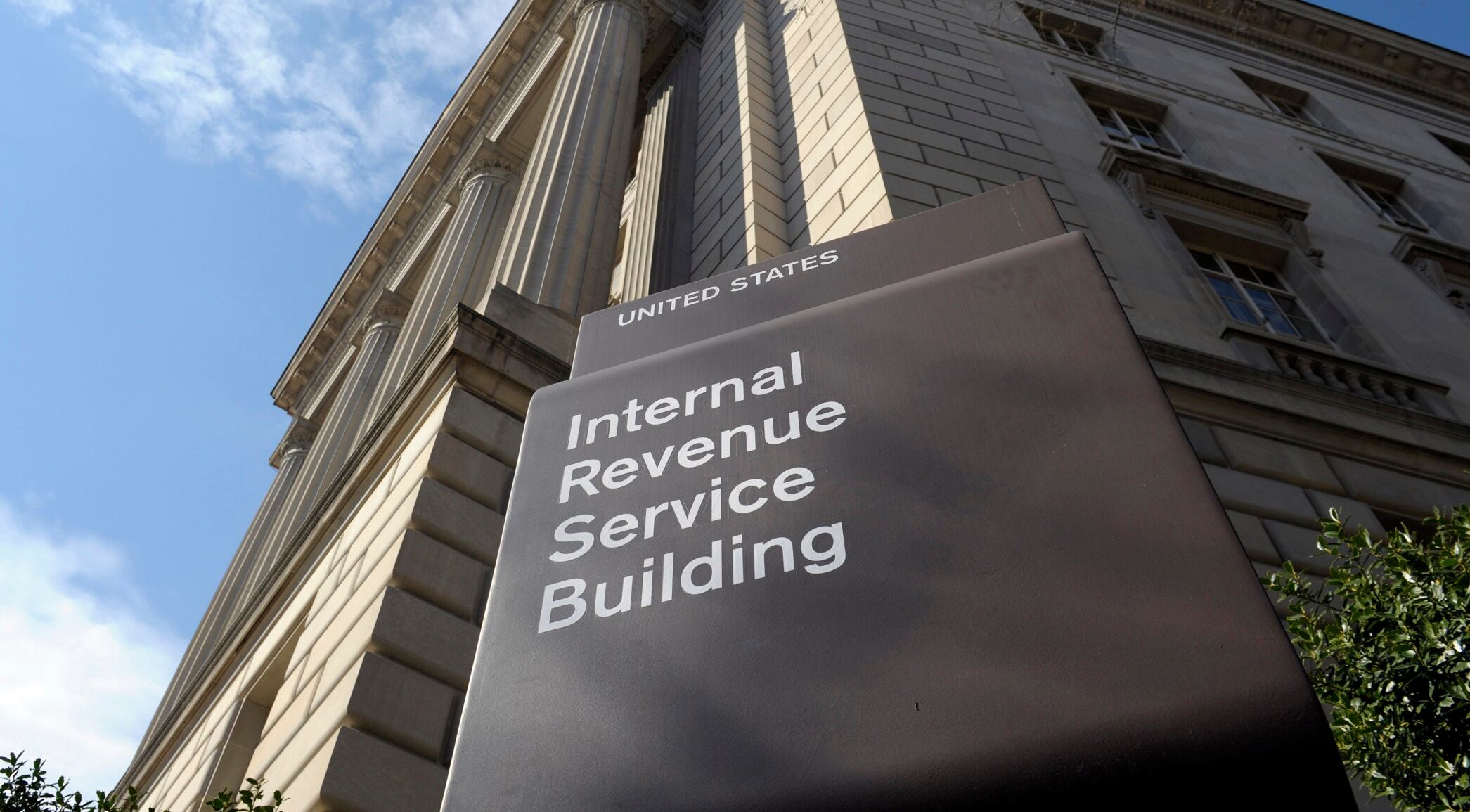
The IRS said Monday it will suspend the use of facial recognition technology to authenticate people who create online accounts after the practice was criticized by privacy advocates and lawmakers.
The agency said it would no longer use a third-party service, called ID.me, for facial recognition. Critics of the software said the database could become a target for cyberthreats. They also expressed concern about how the information could be used by other government agencies, among other concerns.
Earlier Monday, Senate Finance Committee Chair Ron Wyden, D-Ore., called on the agency to end its use of the ID.me software. After the IRS announced the practice would be suspended, Wyden said "the Treasury Department has made the smart decision to direct the IRS to transition away from using the controversial ID.me verification service.”
"No one should be forced to submit to facial recognition to access critical government services,” he added.
The IRS is currently grappling with a worker shortage and an expanded workload from processing tax filings and administering pandemic-related programs. Legislation that would have given the agency billions of dollars to more expeditiously process returns is stalled.
“The IRS takes taxpayer privacy and security seriously, and we understand the concerns that have been raised,” said IRS Commissioner Chuck Rettig.
“Everyone should feel comfortable with how their personal information is secured, and we are quickly pursuing short-term options that do not involve facial recognition.”
The agency said the transition would occur “over the coming weeks in order to prevent larger disruptions to taxpayers during filing season.”
Al Harington, founder of Viola Cannabis and former NBA player, joined Cheddar to discuss what a Biden/Harris administration would mean for the cannabis industry.
The Federal Reserve juicing money into local budgets through the Municipal Liquidy Facility was unprecedented, but a growing number of advocates for a more progressive, proactive Fed, is that it didn't go far enough.
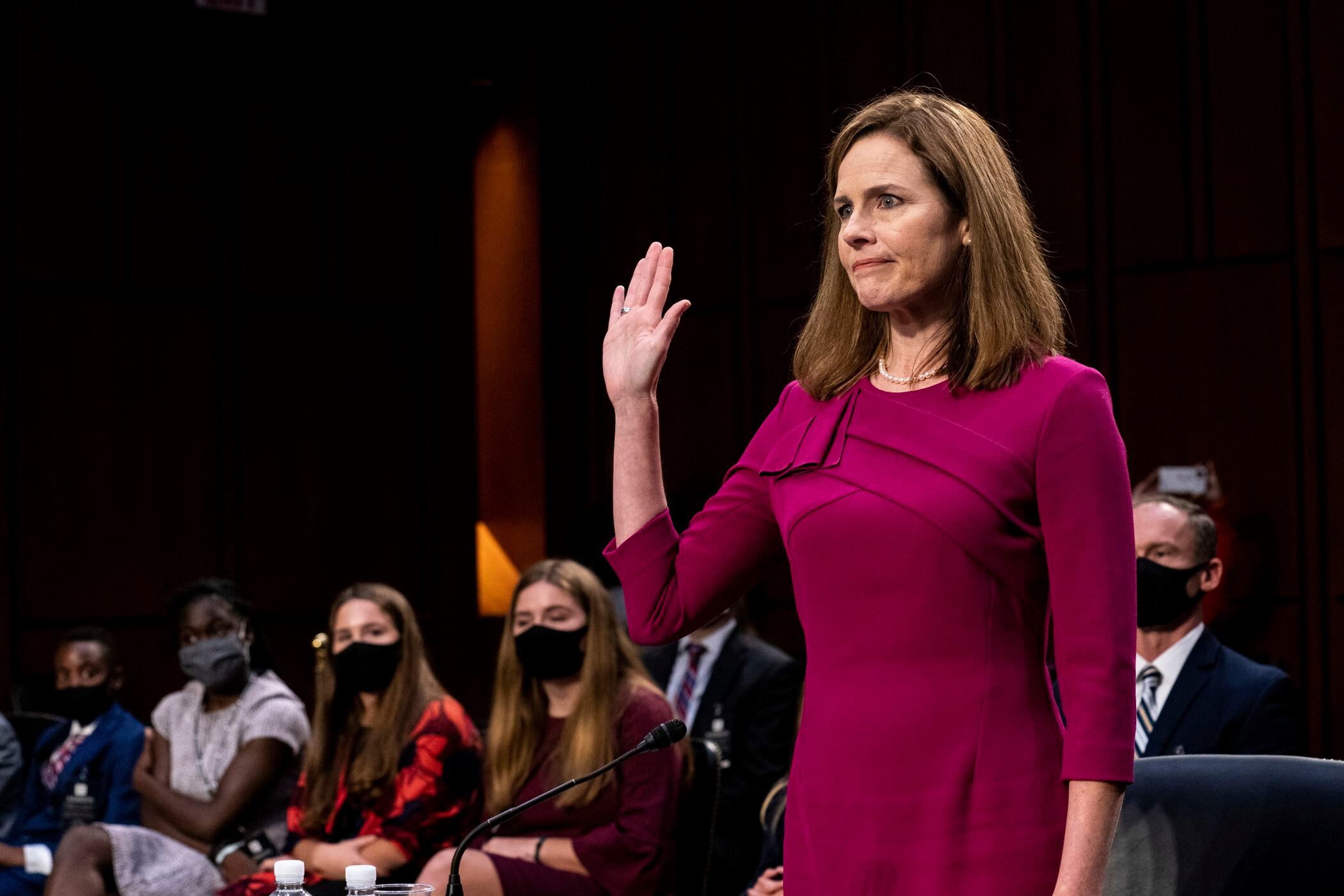
Supreme Court nominee Amy Coney Barrett has presented her conservative approach to the law at the start of a fast-tracked confirmation hearing.
President Donald Trump is looking to get his campaign back on track, a week after he was sidelined with the coronavirus that has killed more than 210,000 Americans.
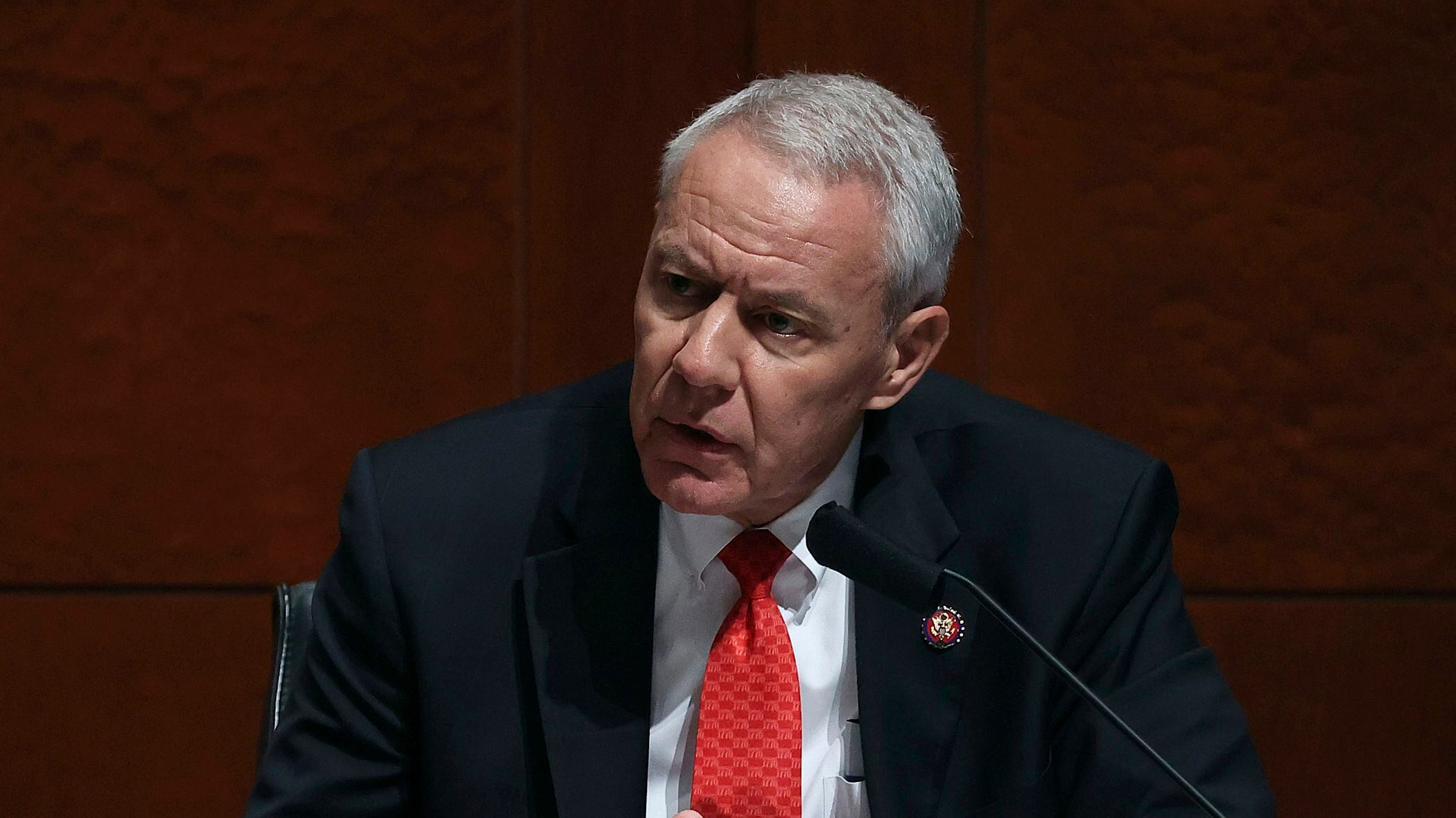
U.S. Rep. Ken Buck (R-Colo.) joined Cheddar to discuss how Congress and the judiciary should approach big tech monopolies. Buck was clear that the Democrats and Republicans, however, disagree on just how to go about shrinking the tech giants.
From Wall Street to Silicon Valley, these are the top stories that moved markets and had investors, business leaders, and entrepreneurs talking this week on Cheddar.
The White House is boosting its offer in up-and-down COVID-19 aid talks Friday in hopes of an agreement before Election Day.
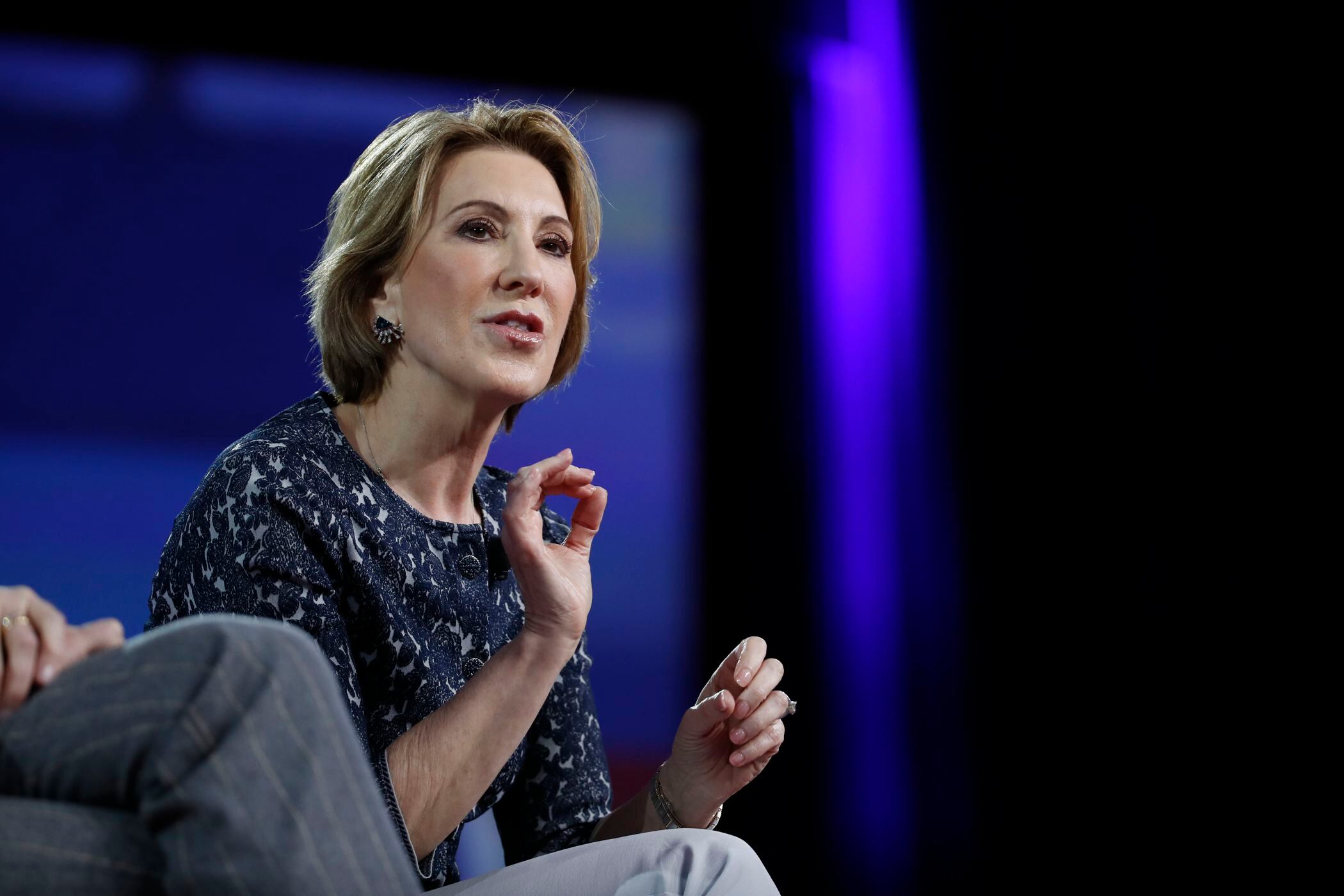
Former GOP presidential candidate Carly Fiorina discussed her support of Joe Biden's bid for the presidency. Also, the former CEO of Hewlett-Packard, she attributed her support for Biden due to a lack of leadership from President Trump and his failed foreign policies.
Democratic lawmakers are speaking out against a proposed Labor Department rule that they argue would make it harder for retirement funds to consider important environmental factors when making investment decisions.
A new Cheddar poll, conducted by SurveyUSA, on Supreme Court nomination, abortion law, and the Affordable Care Act.