By Fatima Hussein
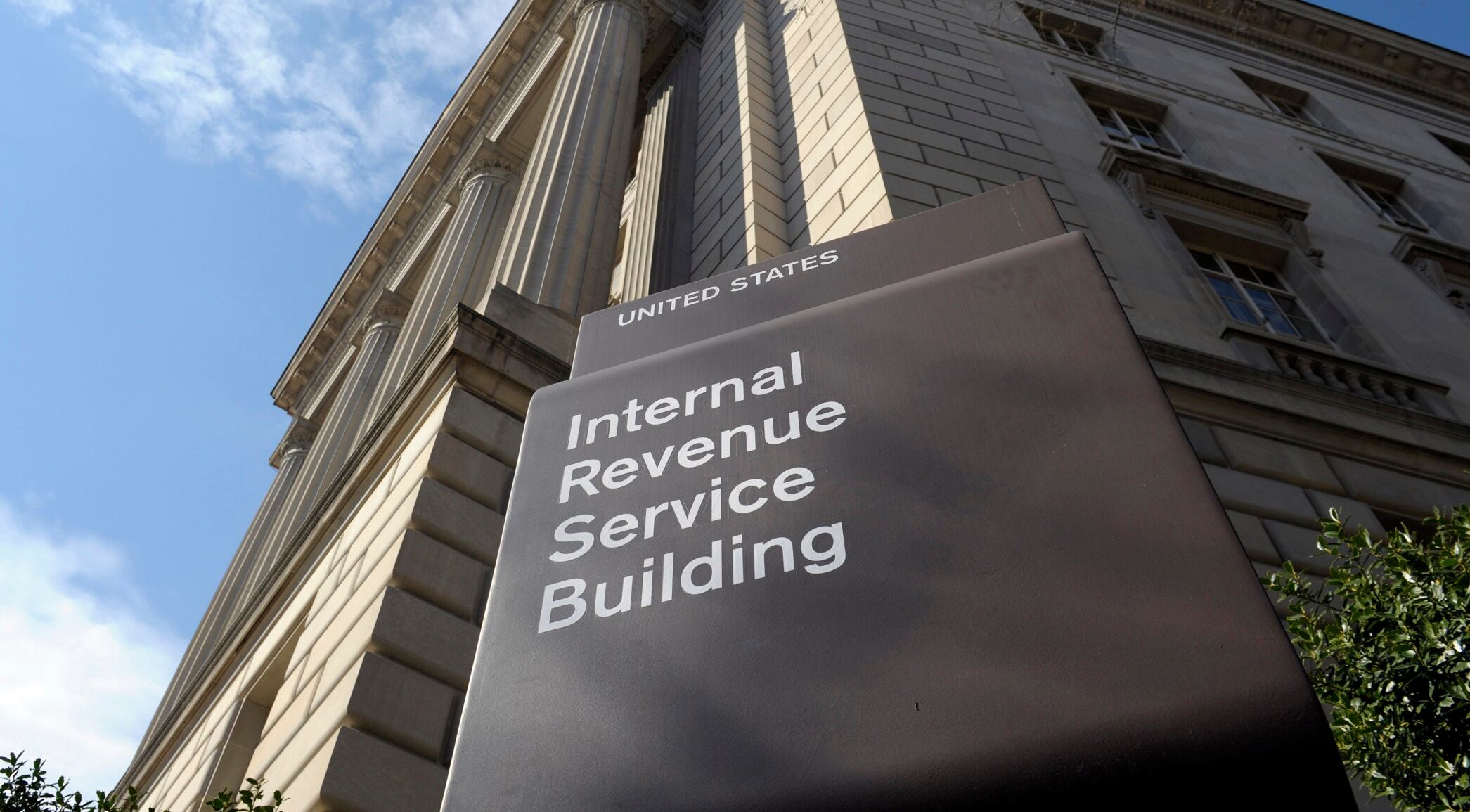
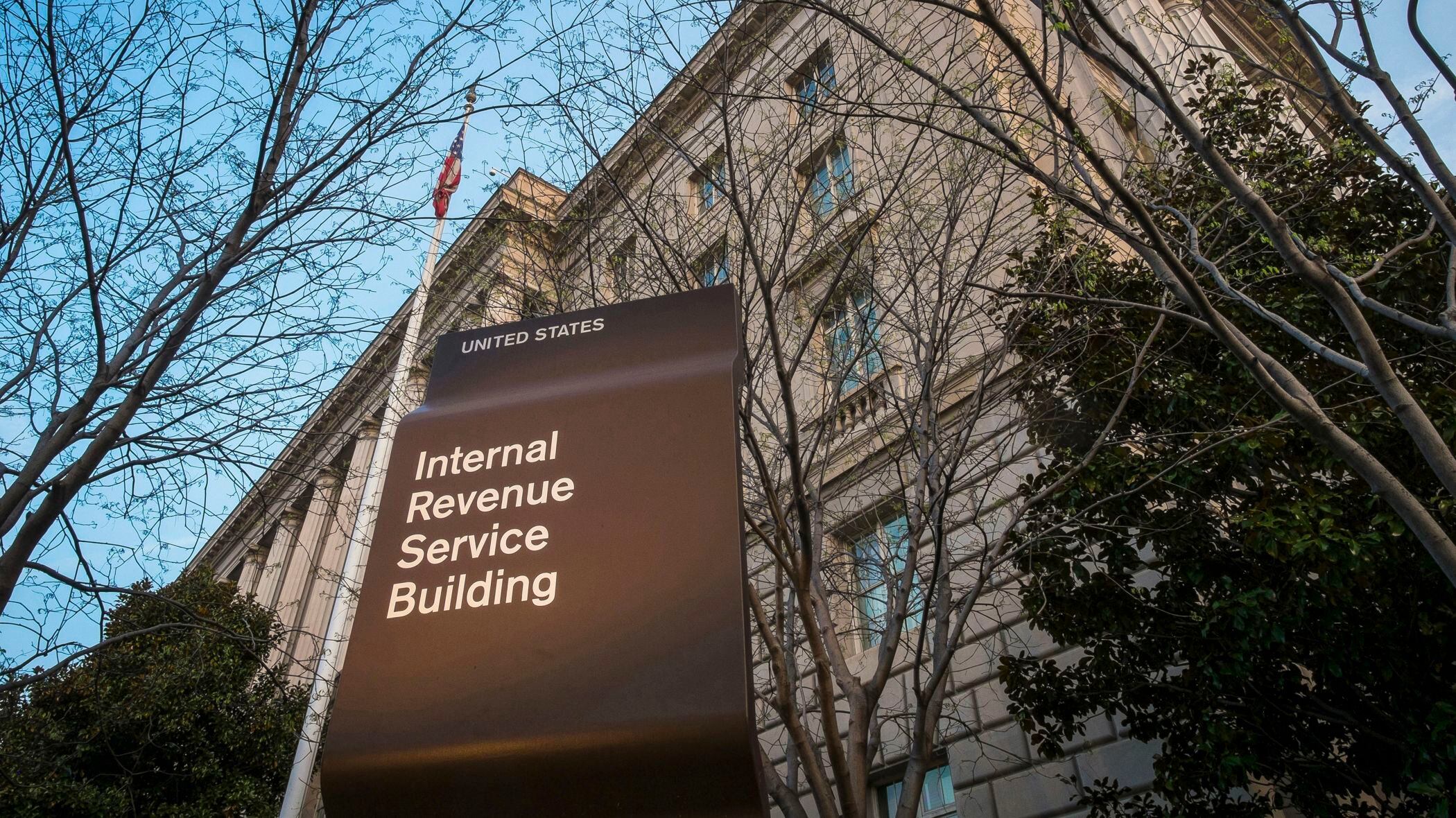
The IRS said Monday it will suspend the use of facial recognition technology to authenticate people who create online accounts after the practice was criticized by privacy advocates and lawmakers.
The agency said it would no longer use a third-party service, called ID.me, for facial recognition. Critics of the software said the database could become a target for cyberthreats. They also expressed concern about how the information could be used by other government agencies, among other concerns.
Earlier Monday, Senate Finance Committee Chair Ron Wyden, D-Ore., called on the agency to end its use of the ID.me software. After the IRS announced the practice would be suspended, Wyden said "the Treasury Department has made the smart decision to direct the IRS to transition away from using the controversial ID.me verification service.”
"No one should be forced to submit to facial recognition to access critical government services,” he added.
The IRS is currently grappling with a worker shortage and an expanded workload from processing tax filings and administering pandemic-related programs. Legislation that would have given the agency billions of dollars to more expeditiously process returns is stalled.
“The IRS takes taxpayer privacy and security seriously, and we understand the concerns that have been raised,” said IRS Commissioner Chuck Rettig.
“Everyone should feel comfortable with how their personal information is secured, and we are quickly pursuing short-term options that do not involve facial recognition.”
The agency said the transition would occur “over the coming weeks in order to prevent larger disruptions to taxpayers during filing season.”
Voters in the U.S. are nearing the end of a fraught U.S. election season. They're casting the last of what will likely be a record-setting number of ballots.
Voters across the U.S. received anonymous robocalls in the lead up to Election Day urging them to “stay safe and stay home” - an ominous warning that election officials say could be an effort to scare voters.
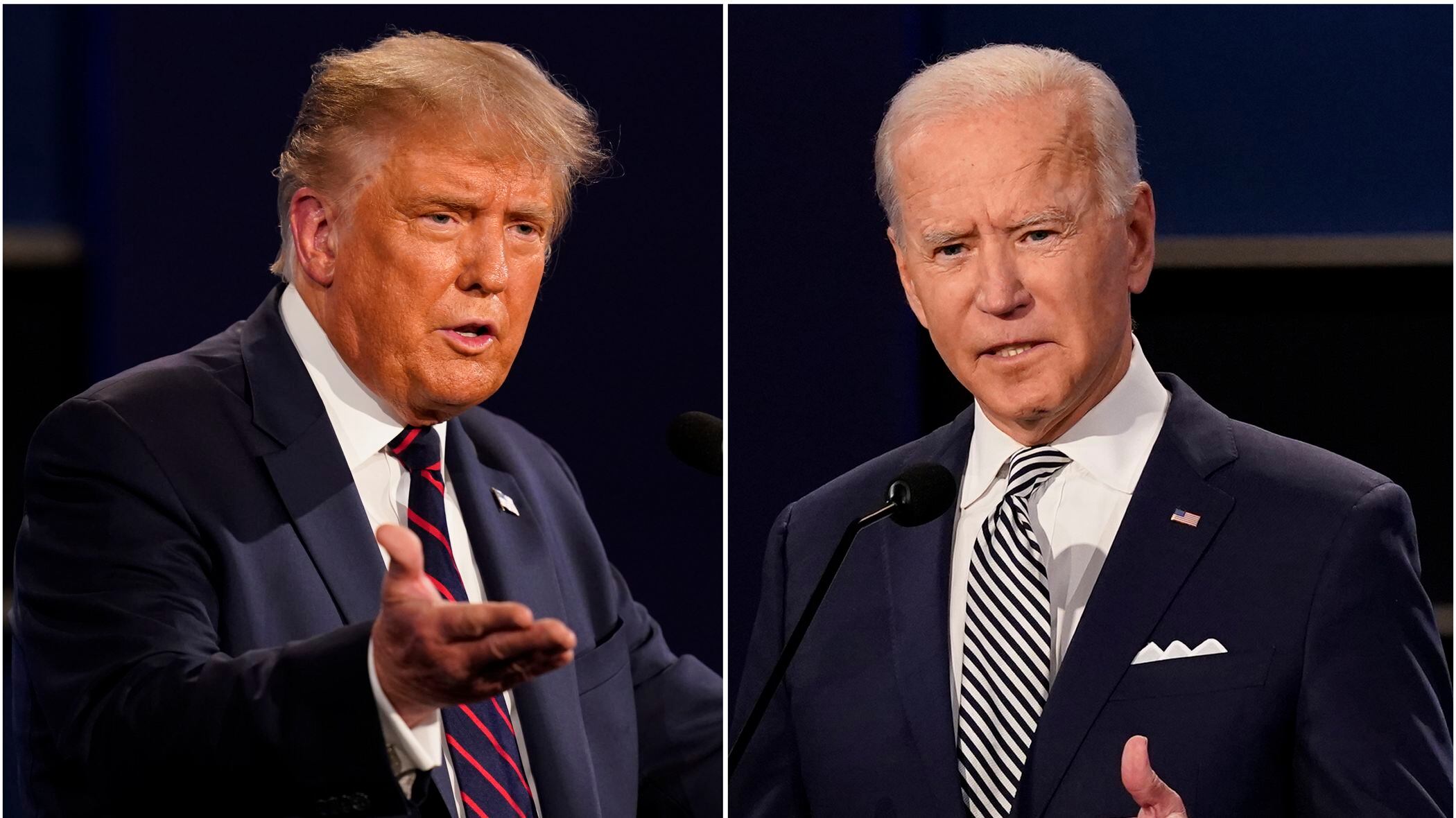
Government spending is at record levels under the Trump administration and its drawing attention to the U.S. tax code. Cheddar's Kristen Scholer breaks takes a look at how Trump and Biden tax plans compare.
For countries around the planet, the presidency of Donald Trump in its first term has been, it is safe to say, a singular experience to watch.
Former Vice President Joe Biden has been hoping to match Trump in the one area where the president dominates most — social media advertising.
The Republican and Democratic candidates for Utah's gubernatorial seat having linked arms for an unconventional campaign ad that shows despite conflicting ideas, civility is possible. Lt. Governor Spencer Cox and Democratic challenger, Chris Peterson joined Cheddar to discuss how civility among people and politicians can move the country forward.
With weekly jobless claims remaining high, voters might want to know more about what former Vice President Joe Biden and President Donald Trump intend to do on the issue of labor.
Voters in Arizona, Montana, and New Jersey will vote on adult-use cannabis legalization, while voters in Mississippi will decide on medical cannabis and South Dakota will consider both medical and adult-use simultaneously.
Digital political ads , while not the primary source for campaigns, are growing in popularity. Cheddar's Michelle Castillo takes a look at how Facebook's political ad policies are being implemented.
Police are investigating vandalism that left several headstones at a Jewish cemetery in Grand Rapids spray-painted with “TRUMP” and “MAGA” before President Donald Trump held his final campaign rally in the western Michigan city.