By Fatima Hussein
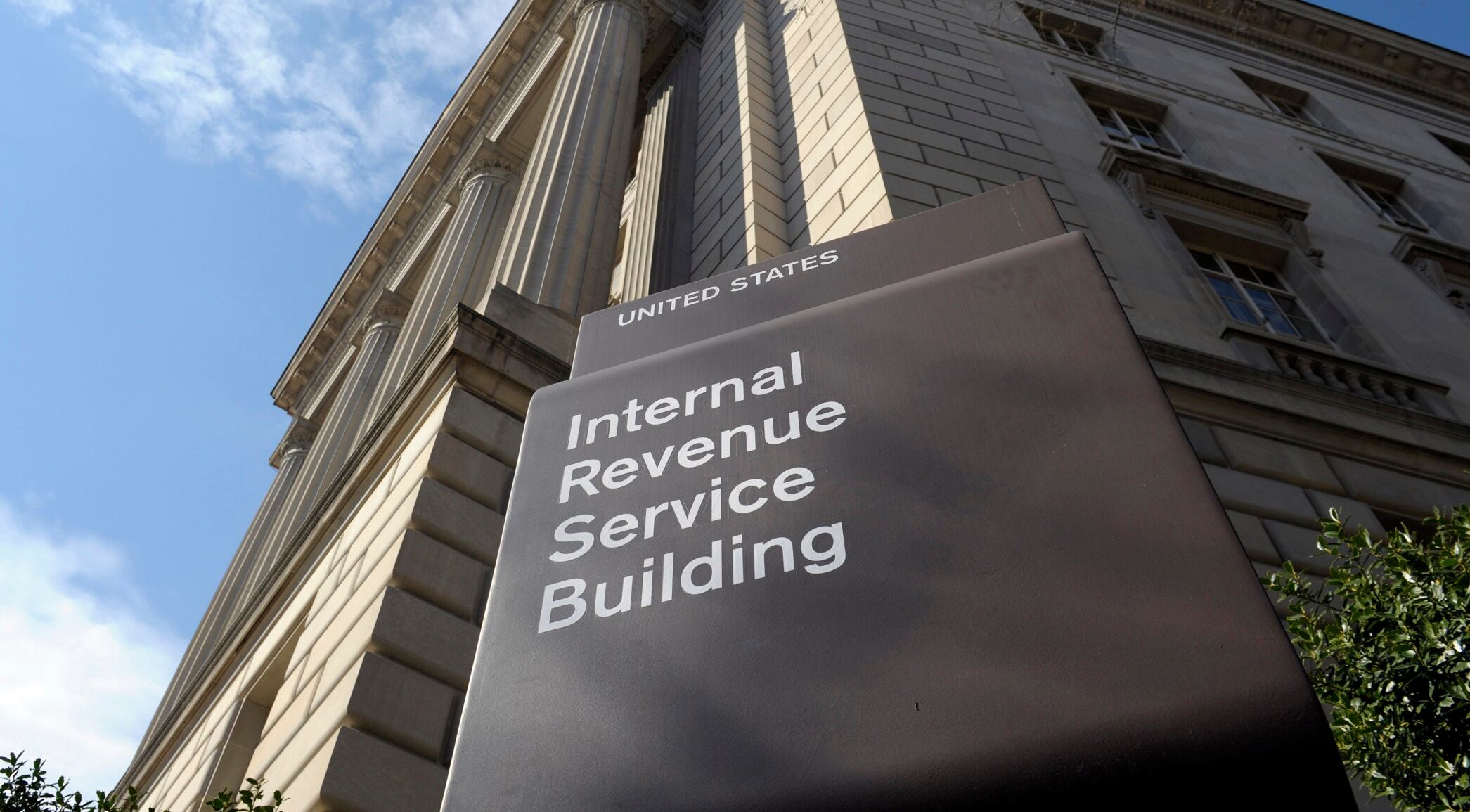
The IRS said Monday it will suspend the use of facial recognition technology to authenticate people who create online accounts after the practice was criticized by privacy advocates and lawmakers.
The agency said it would no longer use a third-party service, called ID.me, for facial recognition. Critics of the software said the database could become a target for cyberthreats. They also expressed concern about how the information could be used by other government agencies, among other concerns.
Earlier Monday, Senate Finance Committee Chair Ron Wyden, D-Ore., called on the agency to end its use of the ID.me software. After the IRS announced the practice would be suspended, Wyden said "the Treasury Department has made the smart decision to direct the IRS to transition away from using the controversial ID.me verification service.”
"No one should be forced to submit to facial recognition to access critical government services,” he added.
The IRS is currently grappling with a worker shortage and an expanded workload from processing tax filings and administering pandemic-related programs. Legislation that would have given the agency billions of dollars to more expeditiously process returns is stalled.
“The IRS takes taxpayer privacy and security seriously, and we understand the concerns that have been raised,” said IRS Commissioner Chuck Rettig.
“Everyone should feel comfortable with how their personal information is secured, and we are quickly pursuing short-term options that do not involve facial recognition.”
The agency said the transition would occur “over the coming weeks in order to prevent larger disruptions to taxpayers during filing season.”
President Donald Trump has pardoned former national security adviser Michael Flynn, taking direct aim in the final days of his administration at a Russia investigation that he has long insisted was motivated by political bias.
Gripped by the accelerating viral outbreak, the U.S. economy is under pressure from persistent layoffs, diminished income, and nervous consumers, whose spending is needed to drive a recovery from the pandemic.
U.S. consumers increased their spending by a sluggish 0.5% in October, the weakest gain since April when the pandemic first erupted and a sign that Americans remain wary with the virus resurging across the country and threatening the economy.
Bob Pinnegar, president of the National Apartment Association, discusses the impending housing crisis should a stimulus bill fail to materialize quickly.
Here are the headlines you Need2Know for Tuesday, November 25, 2020:
Scottish lawmakers have unanimously passed legislation that will make period products freely available to anyone who needs them.
The General Services Administration has ascertained that President-elect Joe Biden is the “apparent winner” of the Nov. 3 election.
President-elect Joe Biden has chosen former Federal Reserve Chair Janet Yellen to serve as treasury secretary, a pivotal role in which she would help shape and direct his economic policies.
Jennifer Horn, a co-founder of the Lincoln Project and former New Hampshire GOP chair, had sharp words for Republicans for sticking with President Trump.
AstraZeneca reported that its vaccine is 90% effective and cheaper to distribute than vaccines from its competitors. Meanwhile, the U.S. is averaging 1,500 deaths per day according to Johns Hopkins.