By Fatima Hussein
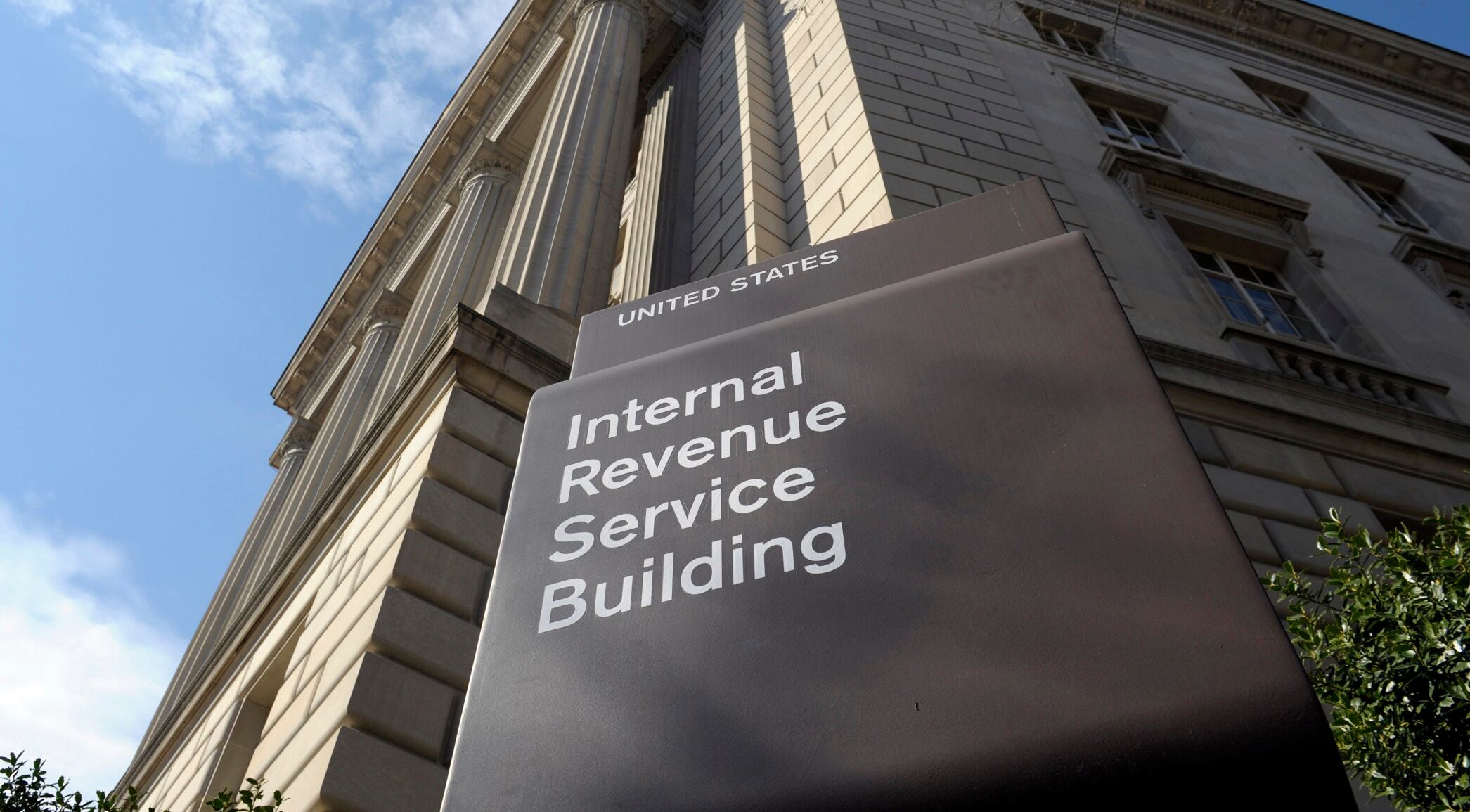
The IRS said Monday it will suspend the use of facial recognition technology to authenticate people who create online accounts after the practice was criticized by privacy advocates and lawmakers.
The agency said it would no longer use a third-party service, called ID.me, for facial recognition. Critics of the software said the database could become a target for cyberthreats. They also expressed concern about how the information could be used by other government agencies, among other concerns.
Earlier Monday, Senate Finance Committee Chair Ron Wyden, D-Ore., called on the agency to end its use of the ID.me software. After the IRS announced the practice would be suspended, Wyden said "the Treasury Department has made the smart decision to direct the IRS to transition away from using the controversial ID.me verification service.”
"No one should be forced to submit to facial recognition to access critical government services,” he added.
The IRS is currently grappling with a worker shortage and an expanded workload from processing tax filings and administering pandemic-related programs. Legislation that would have given the agency billions of dollars to more expeditiously process returns is stalled.
“The IRS takes taxpayer privacy and security seriously, and we understand the concerns that have been raised,” said IRS Commissioner Chuck Rettig.
“Everyone should feel comfortable with how their personal information is secured, and we are quickly pursuing short-term options that do not involve facial recognition.”
The agency said the transition would occur “over the coming weeks in order to prevent larger disruptions to taxpayers during filing season.”
President Donald Trump has plunged Washington into chaos once more by mounting another desperate attempt to cling to power while leaving lawmakers scrambling to respond to his threat to detonate Congress’ massive COVID-19 relief and year-end package.
President Donald Trump has vetoed the annual defense policy bill, following through on threats to veto a measure that has broad bipartisan support in Congress and potentially setting up the first override vote of his presidency.
The number of Americans seeking unemployment benefits fell by 89,000 last week to a still-elevated 803,000, evidence that the job market remains under stress.
President Donald Trump is threatening to torpedo Congress’ massive pandemic relief package in the midst of a raging pandemic and deep economic uncertainty.
Pfizer and BioNTech will supply the U.S. with an additional 100 million doses of their COVID-19 vaccine under a new agreement.
Stuffed into the new emergency relief package is a morsel that President Donald Trump has long had on the buffet of his economic wish list: restoring full tax breaks for restaurant business meals.
The Justice Department is suing Walmart, alleging the company unlawfully dispensed controlled substances through its pharmacies, helping to fuel the opioid crisis in America.
The coordinator of the White House coronavirus response says she plans to retire. But first, Dr. Deborah Birx says, she's willing to help President-elect Joe Biden’s team with its coronavirus response if needed.
While the U.S. reels from the massive SolarWinds hack, which compromised government agencies and private tech companies, experts predict more attacks on high-value targets are likely to occur.
Congress passed a $900 billion pandemic relief package Monday night that would finally deliver long-sought cash to businesses and individuals and resources to vaccinate a nation confronting a frightening surge in COVID-19 cases and deaths.