By Fatima Hussein
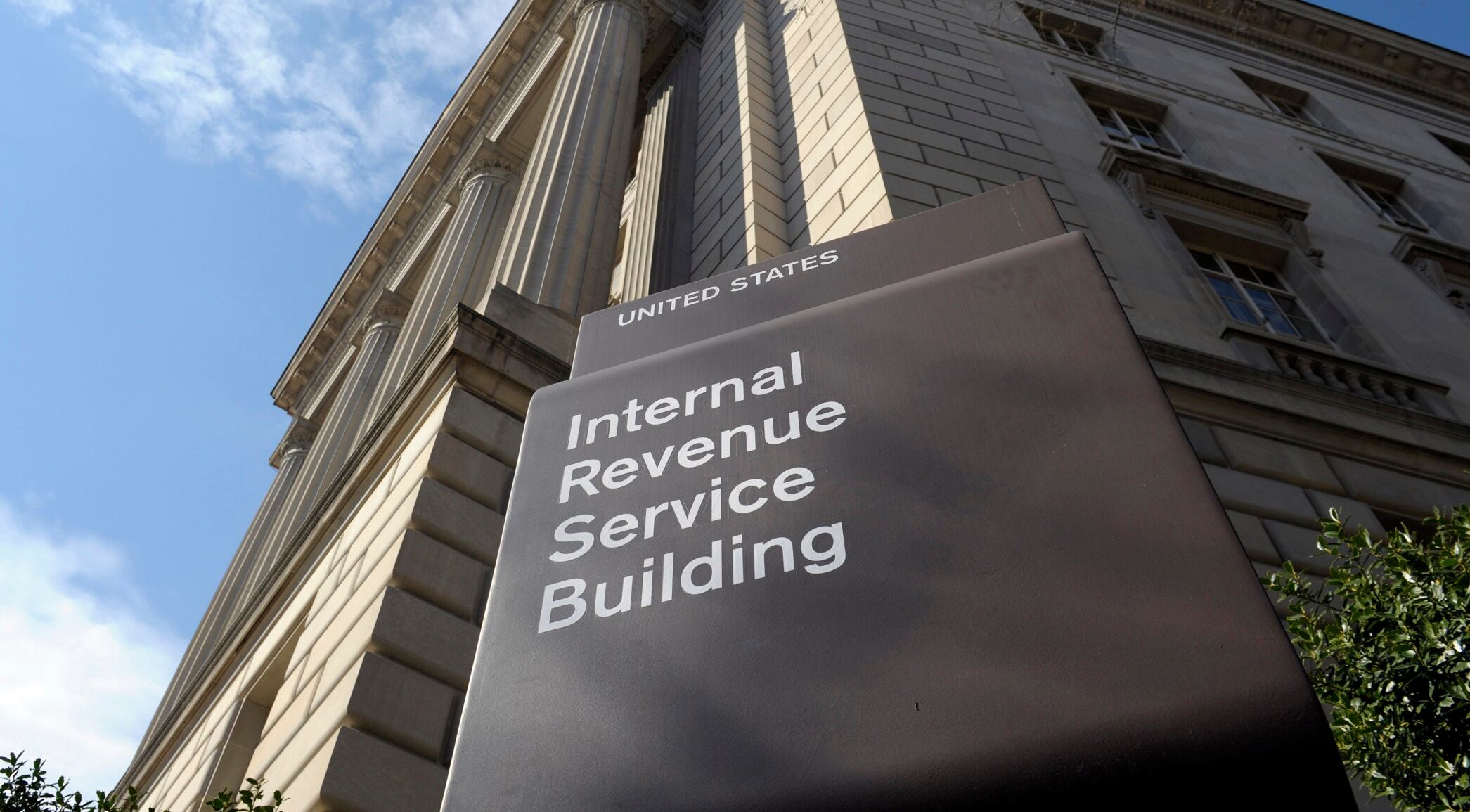
The IRS said Monday it will suspend the use of facial recognition technology to authenticate people who create online accounts after the practice was criticized by privacy advocates and lawmakers.
The agency said it would no longer use a third-party service, called ID.me, for facial recognition. Critics of the software said the database could become a target for cyberthreats. They also expressed concern about how the information could be used by other government agencies, among other concerns.
Earlier Monday, Senate Finance Committee Chair Ron Wyden, D-Ore., called on the agency to end its use of the ID.me software. After the IRS announced the practice would be suspended, Wyden said "the Treasury Department has made the smart decision to direct the IRS to transition away from using the controversial ID.me verification service.”
"No one should be forced to submit to facial recognition to access critical government services,” he added.
The IRS is currently grappling with a worker shortage and an expanded workload from processing tax filings and administering pandemic-related programs. Legislation that would have given the agency billions of dollars to more expeditiously process returns is stalled.
“The IRS takes taxpayer privacy and security seriously, and we understand the concerns that have been raised,” said IRS Commissioner Chuck Rettig.
“Everyone should feel comfortable with how their personal information is secured, and we are quickly pursuing short-term options that do not involve facial recognition.”
The agency said the transition would occur “over the coming weeks in order to prevent larger disruptions to taxpayers during filing season.”
Senate Majority Leader Mitch McConnell has shut the door on President Donald Trump’s push for $2,000 COVID-19 relief checks.
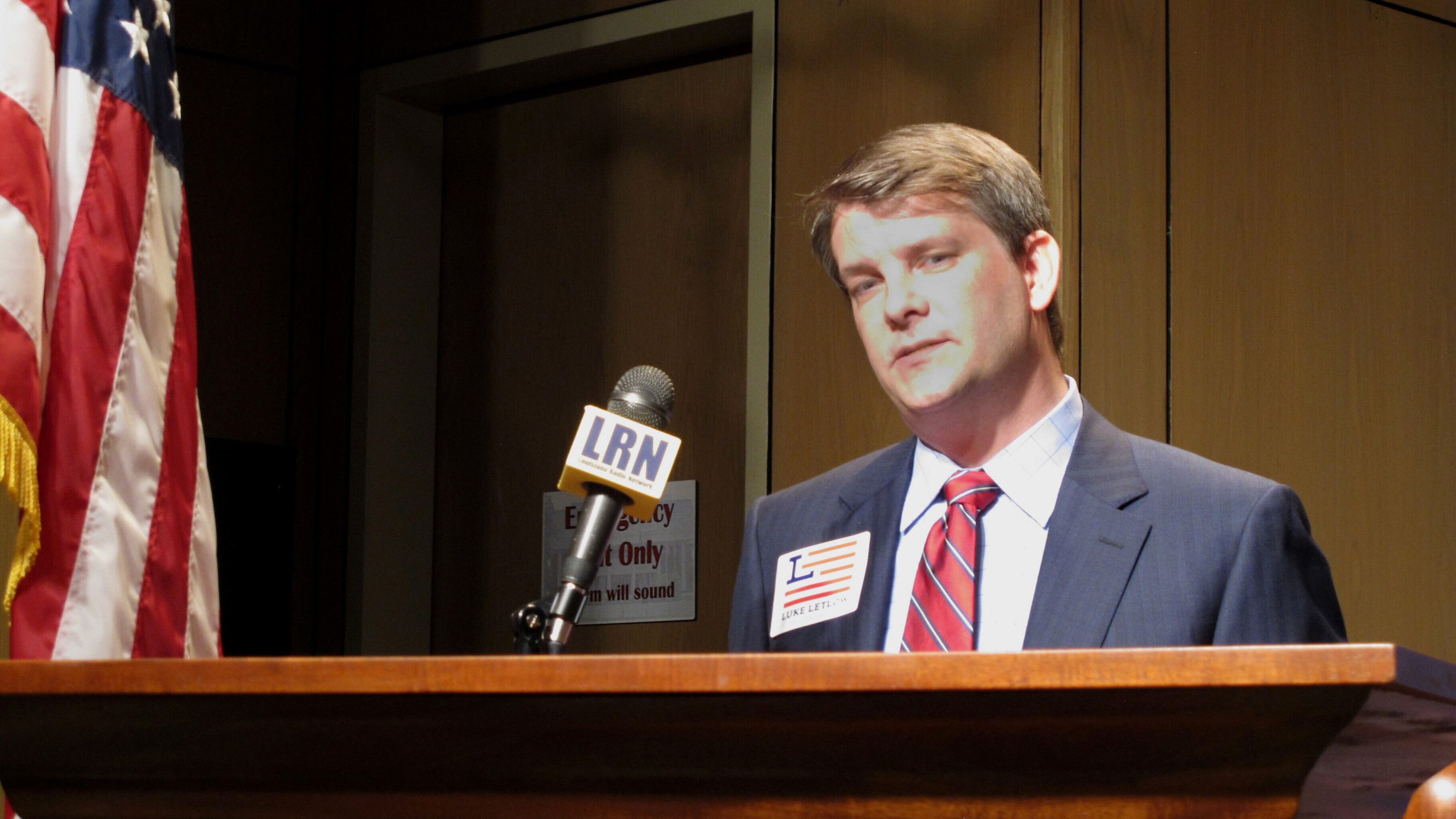
Luke Letlow, Louisiana's incoming Republican member of the U.S. House, died Tuesday night from complications related to COVID-19 only days before he would have been sworn into office.
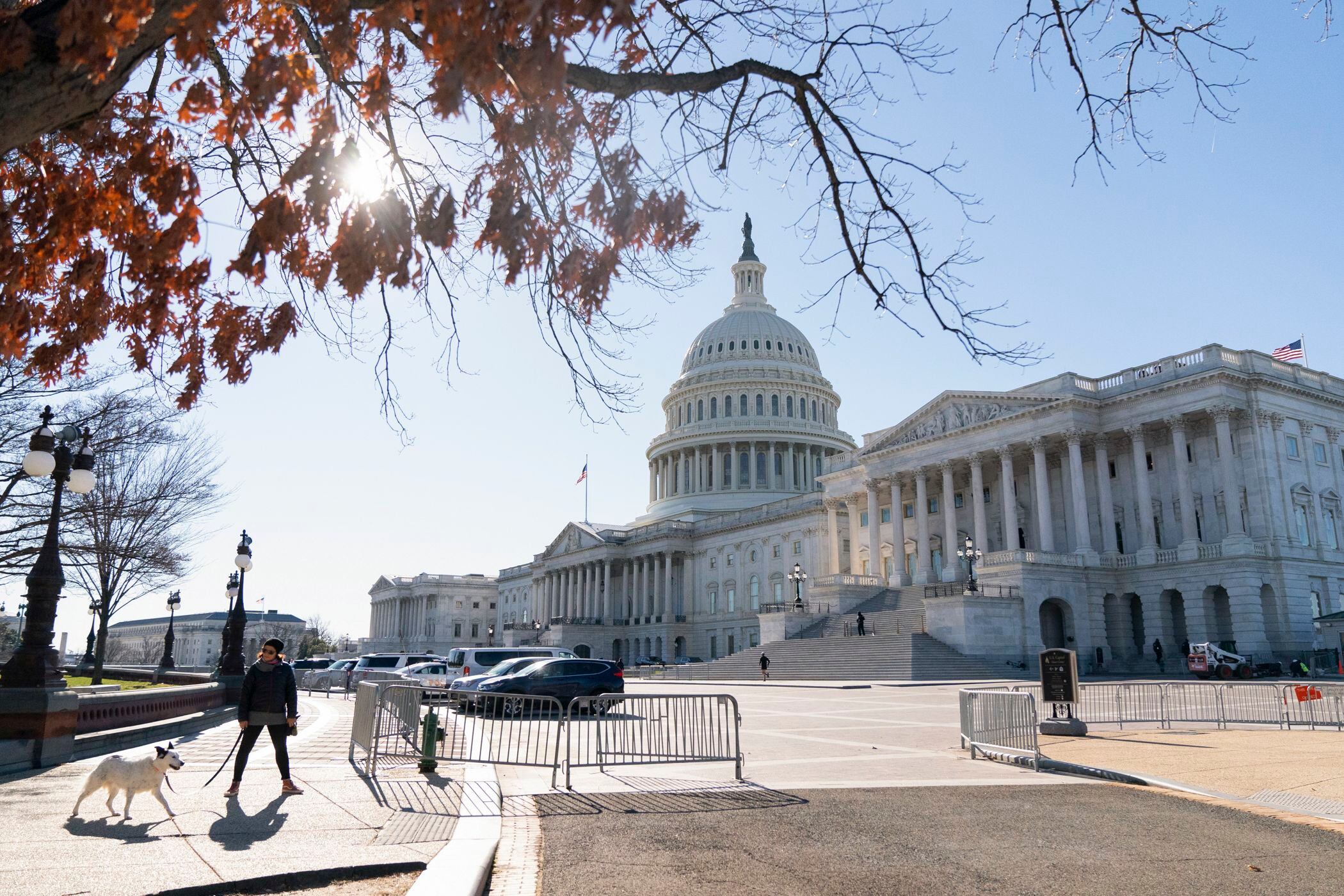
Senate Majority Leader Mitch McConnell has blocked Democrats’ push to immediately bring President Donald Trump’s demand for bigger $2,000 COVID-19 relief checks up for a vote.
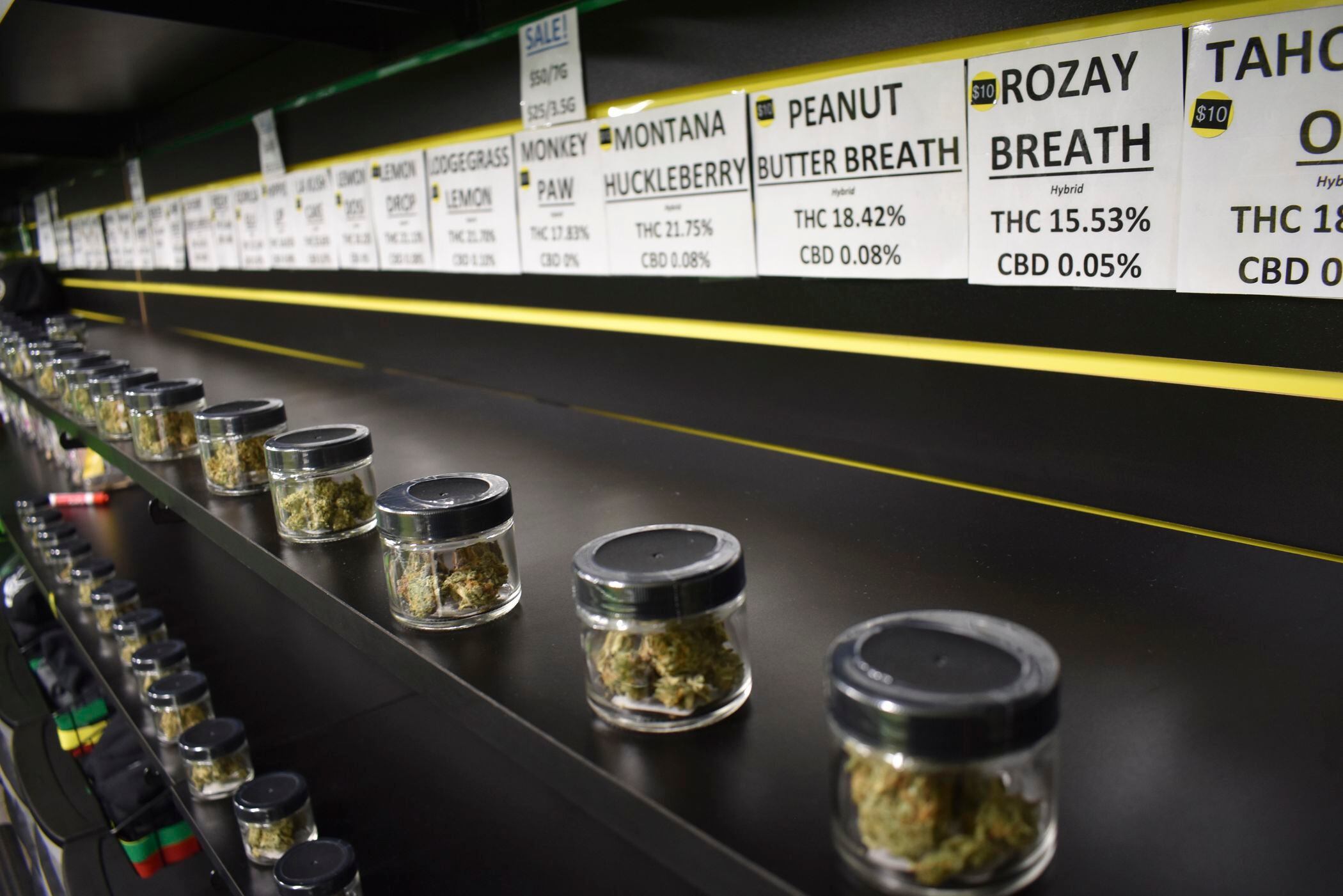
As 2020 winds to a close, the industry will head into 2021 propelled by titanic shifts in the perception of cannabis in the U.S. and unprecedented political tailwinds.
The House voted Monday to increase COVID-19 relief checks to $2,000, meeting President Donald Trump’s demand for bigger payments and sending the bill to the GOP-controlled Senate, where the outcome is uncertain.
Southwest Airlines says it's not going to furlough workers in 2021 after all. The airline's CEO says that with Washington's approval of $15 billion in new federal aid to airlines, furloughs or pay cuts aren't needed.
President Donald Trump’s last-minute demand for $2,000 checks for most Americans has thrown the yea-end COVID relief into chaos. House Republicans on Thursday swiftly rejected the demand.
From Wall Street to Silicon Valley, these are the top stories that moved markets and had investors, business leaders, and entrepreneurs talking this week on Cheddar.
Following 2020's Hanukkah celebration, Cheddar's Jill Wagner looks into the often overlooked issue of antisemitism still plaguing the United States.
Britain and the European Union have struck a provisional free-trade agreement that should avert New Year’s chaos for cross-border commerce and bring a measure of certainty to businesses after years of Brexit turmoil.