By Fatima Hussein
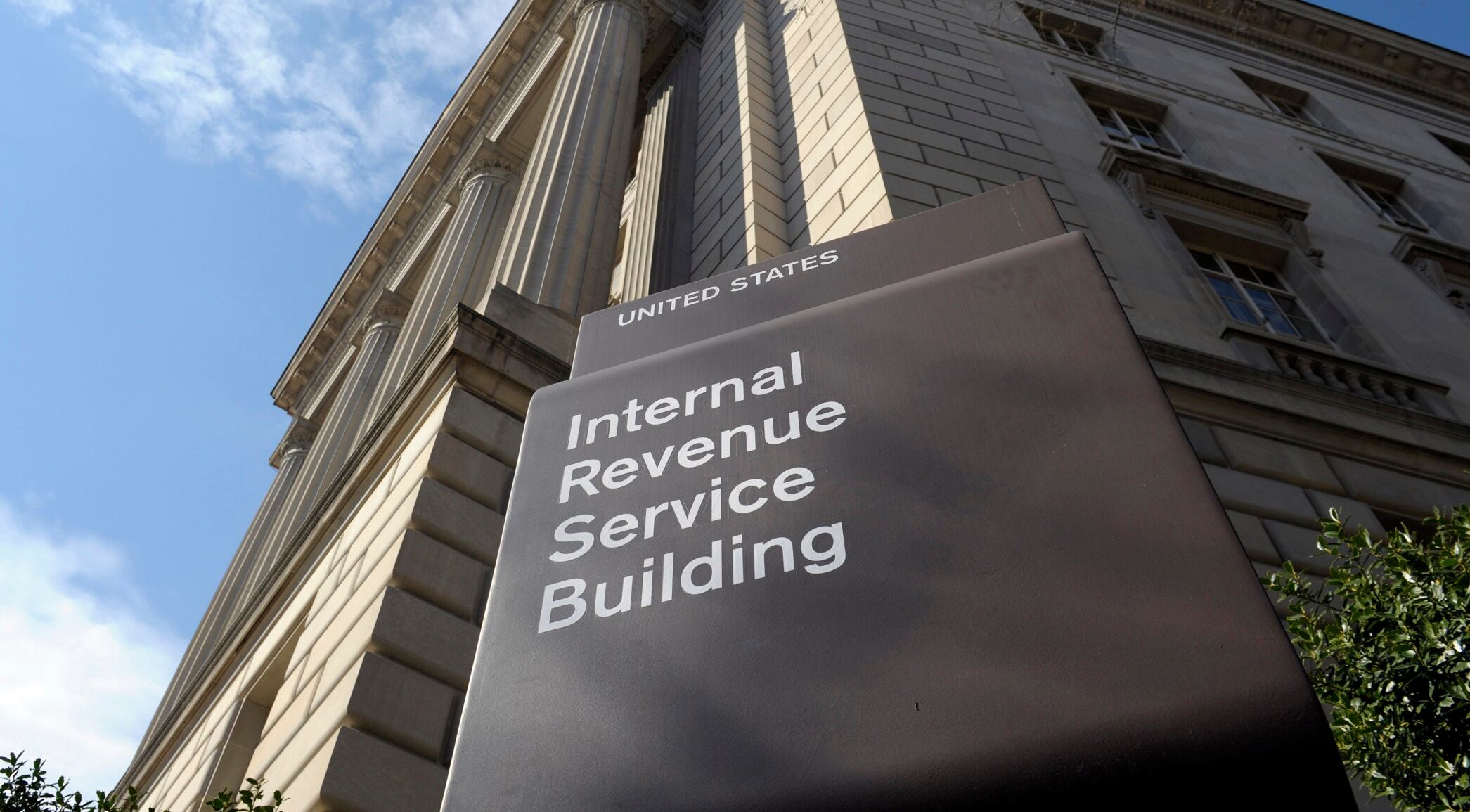
The IRS said Monday it will suspend the use of facial recognition technology to authenticate people who create online accounts after the practice was criticized by privacy advocates and lawmakers.
The agency said it would no longer use a third-party service, called ID.me, for facial recognition. Critics of the software said the database could become a target for cyberthreats. They also expressed concern about how the information could be used by other government agencies, among other concerns.
Earlier Monday, Senate Finance Committee Chair Ron Wyden, D-Ore., called on the agency to end its use of the ID.me software. After the IRS announced the practice would be suspended, Wyden said "the Treasury Department has made the smart decision to direct the IRS to transition away from using the controversial ID.me verification service.”
"No one should be forced to submit to facial recognition to access critical government services,” he added.
The IRS is currently grappling with a worker shortage and an expanded workload from processing tax filings and administering pandemic-related programs. Legislation that would have given the agency billions of dollars to more expeditiously process returns is stalled.
“The IRS takes taxpayer privacy and security seriously, and we understand the concerns that have been raised,” said IRS Commissioner Chuck Rettig.
“Everyone should feel comfortable with how their personal information is secured, and we are quickly pursuing short-term options that do not involve facial recognition.”
The agency said the transition would occur “over the coming weeks in order to prevent larger disruptions to taxpayers during filing season.”
The Canadian company behind the Keystone XL oil pipeline says it has suspended work on the pipeline in in anticipation of incoming U.S. President Joe Biden revoking its permit.
Joe Biden swears the oath of office to become the 46th president of the United States, taking the helm of a deeply divided nation and inheriting a confluence of crises arguably greater than any faced by his predecessors.
President Donald Trump pardoned former chief strategist Steve Bannon in the final hours of his White House term as part of a flurry of clemency action that benefited more than 140 people, including rap performers, ex-members of Congress and other allies of him and his family.
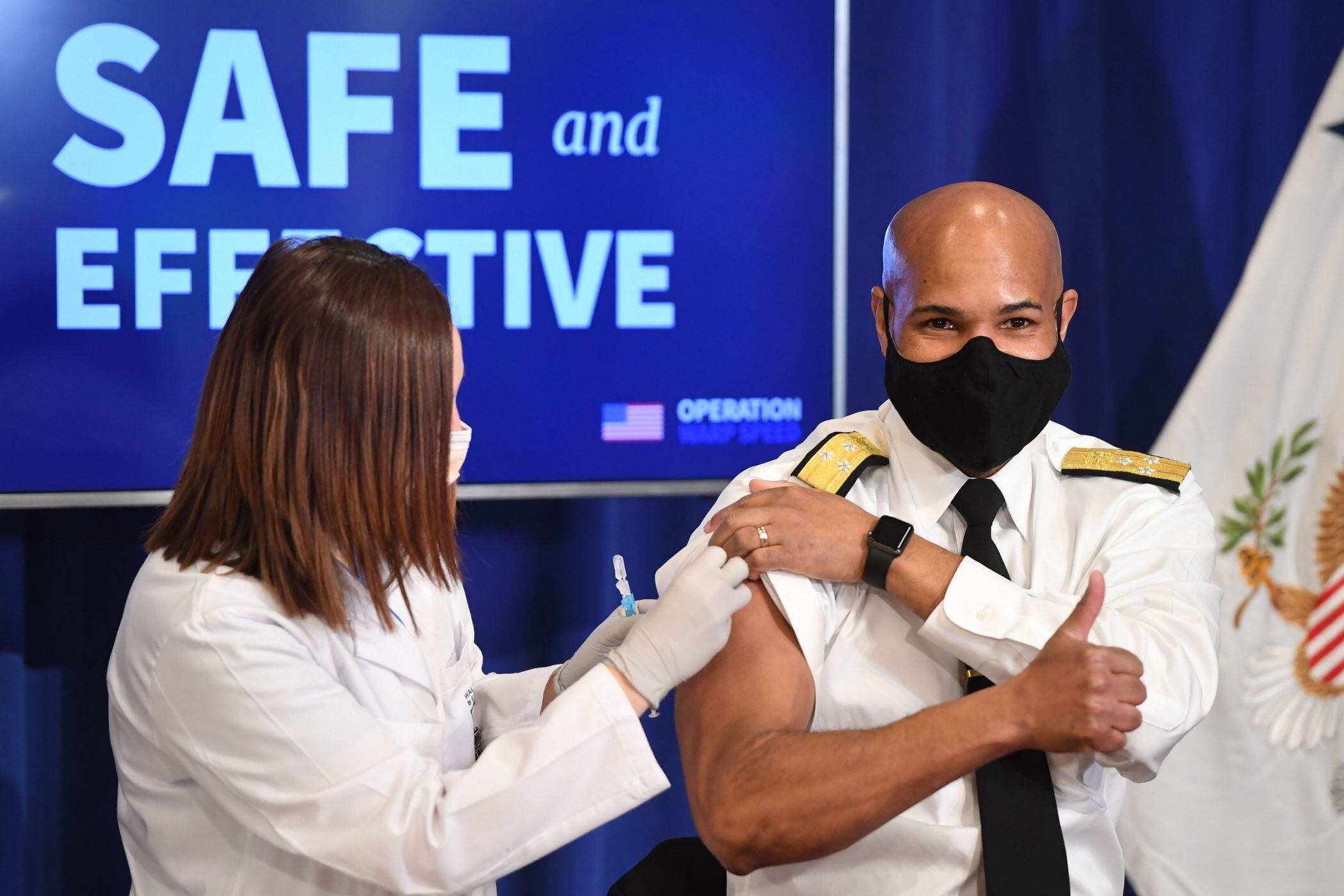
U.S. Surgeon General Jerome Adams spoke to Cheddar about the need to speed up the vaccination process as more mutated variants of the novel coronavirus present themselves.
Stocks closed higher on Wall Street, recovering some of last week’s losses and pulling closer to their record highs.
A once large caravan of Honduran migrants that pushed its way into Guatemala last week has dissipated in the face of Guatemalan security forces.
The U.S. death toll from the coronavirus has eclipsed 400,000 in the waning hours in office for President Donald Trump, whose handling of the crisis has been judged by public health experts to be a singular failure.
With Democrats taking the White House and Senate while keeping control of the Senate, future stimulus programs may take some burden off of the Federal Reserve.
Cowen managing director and senior analyst Vivien Azer discusses the future of cannabis stocks in the U.S. in light of the recent election changes.
President-elect Joe Biden has tapped Pennsylvania Health Secretary Rachel Levine to be his assistant secretary of health, leaving her poised to become the first openly transgender federal official to be confirmed by the Senate.