By Fatima Hussein
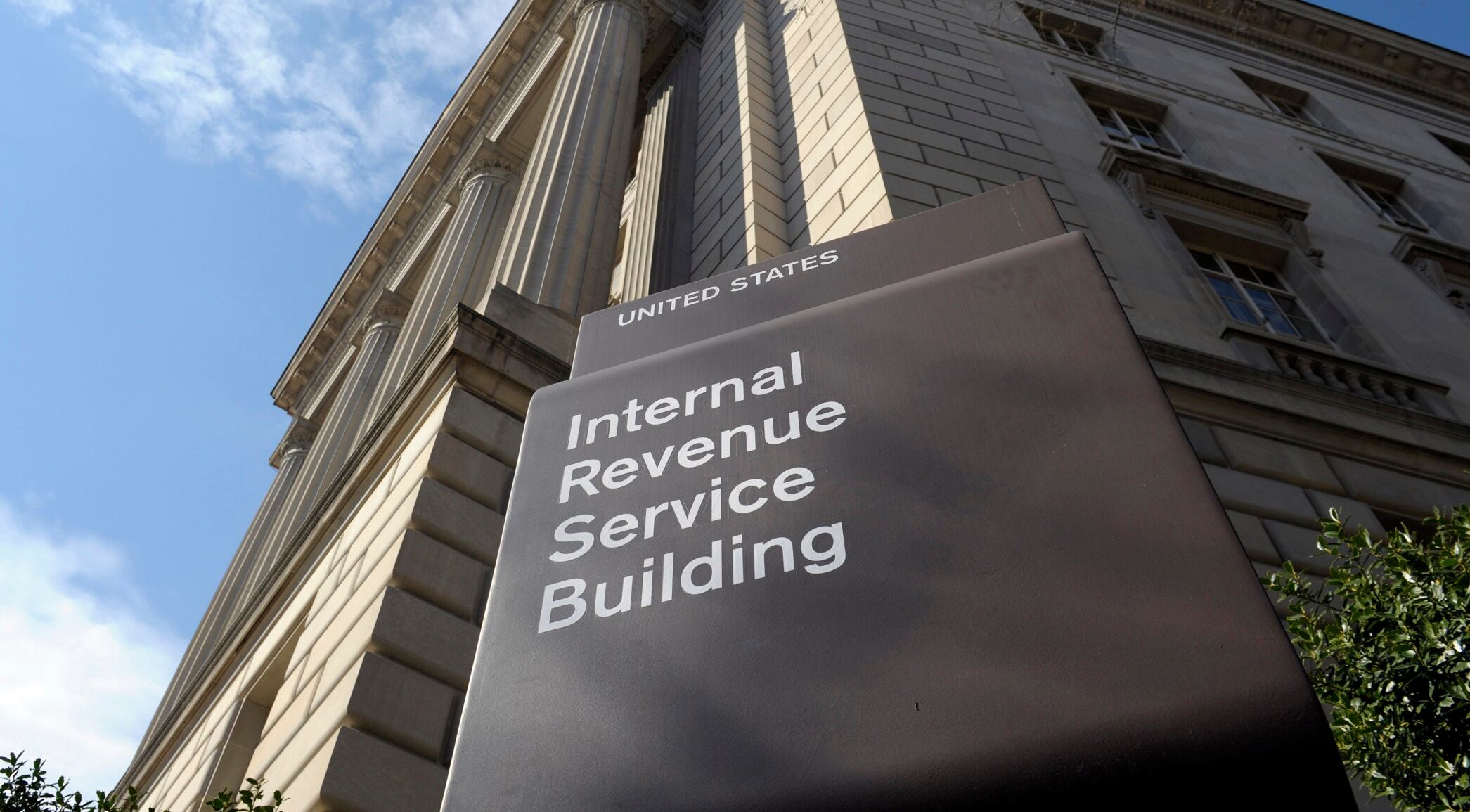
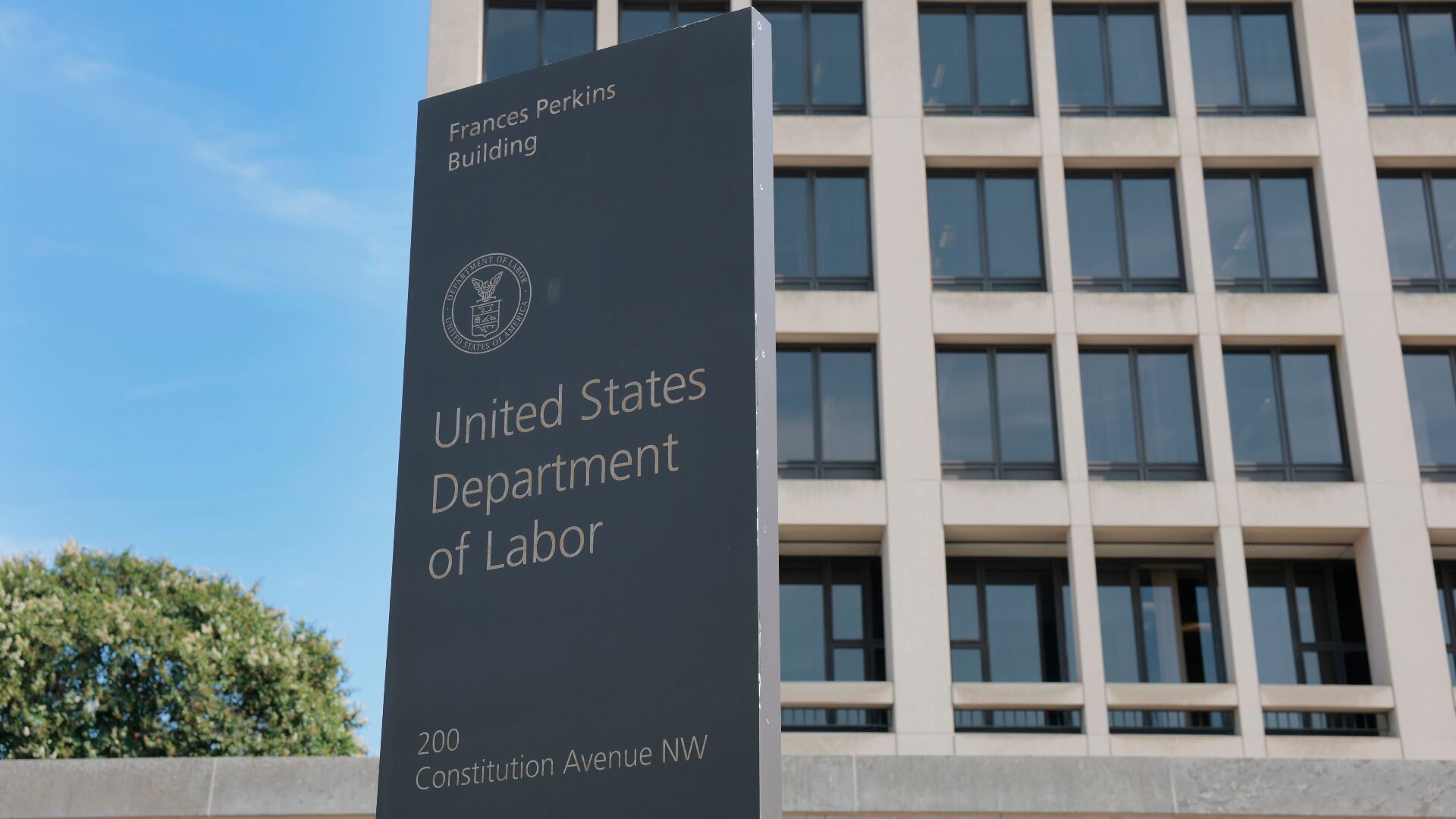
The IRS said Monday it will suspend the use of facial recognition technology to authenticate people who create online accounts after the practice was criticized by privacy advocates and lawmakers.
The agency said it would no longer use a third-party service, called ID.me, for facial recognition. Critics of the software said the database could become a target for cyberthreats. They also expressed concern about how the information could be used by other government agencies, among other concerns.
Earlier Monday, Senate Finance Committee Chair Ron Wyden, D-Ore., called on the agency to end its use of the ID.me software. After the IRS announced the practice would be suspended, Wyden said "the Treasury Department has made the smart decision to direct the IRS to transition away from using the controversial ID.me verification service.”
"No one should be forced to submit to facial recognition to access critical government services,” he added.
The IRS is currently grappling with a worker shortage and an expanded workload from processing tax filings and administering pandemic-related programs. Legislation that would have given the agency billions of dollars to more expeditiously process returns is stalled.
“The IRS takes taxpayer privacy and security seriously, and we understand the concerns that have been raised,” said IRS Commissioner Chuck Rettig.
“Everyone should feel comfortable with how their personal information is secured, and we are quickly pursuing short-term options that do not involve facial recognition.”
The agency said the transition would occur “over the coming weeks in order to prevent larger disruptions to taxpayers during filing season.”
President Joe Biden says the U.S. expects to take delivery of enough coronavirus vaccines for all adult Americans by the end of May, two months earlier than anticipated.
State Representative Marcus C. Evans, Jr. from Chicago filed amendments to an Illinois bill that would further ban games considered to be too violent from reaching the hands of minors.
Texas is lifting a COVID-19 mask mandate that was imposed last summer but has only been lightly enforced. Republican Gov. Greg Abbott’s announcement Tuesday makes Texas the largest state to do away with a face covering order.
Drugmaker Merck & Co. will help produce rival Johnson & Johnson’s newly approved coronavirus vaccine in an effort to expand supply more quickly.
Calls for New York Gov. Andrew Cuomo to resign are intensifying now that a third woman has accused him of offensive behavior.
The pill comprises 40% of the profits in the U.S. contraceptive market and 25% of contraceptive consumers, causing millions of unnecessary ‘periods’ along the way. So, why hasn’t birth control evolved beyond the pseudo-period?
This is your Washington Week Ahead for the week of March 1.
U.S. health advisers have endorsed a one-dose COVID-19 vaccine from Johnson & Johnson that's expected to provide an easier-to-use option to fight the pandemic.
Following the Senate Intelligence Committee hearing on the widespread SolarWinds cyberattack, cybersecurity experts are pushing the need for private businesses and federal agencies to cooperate closely to prevent future such breaches.
From Wall Street to Silicon Valley, these are the top stories that moved markets and had investors, business leaders, and entrepreneurs talking this week on Cheddar.