By Fatima Hussein
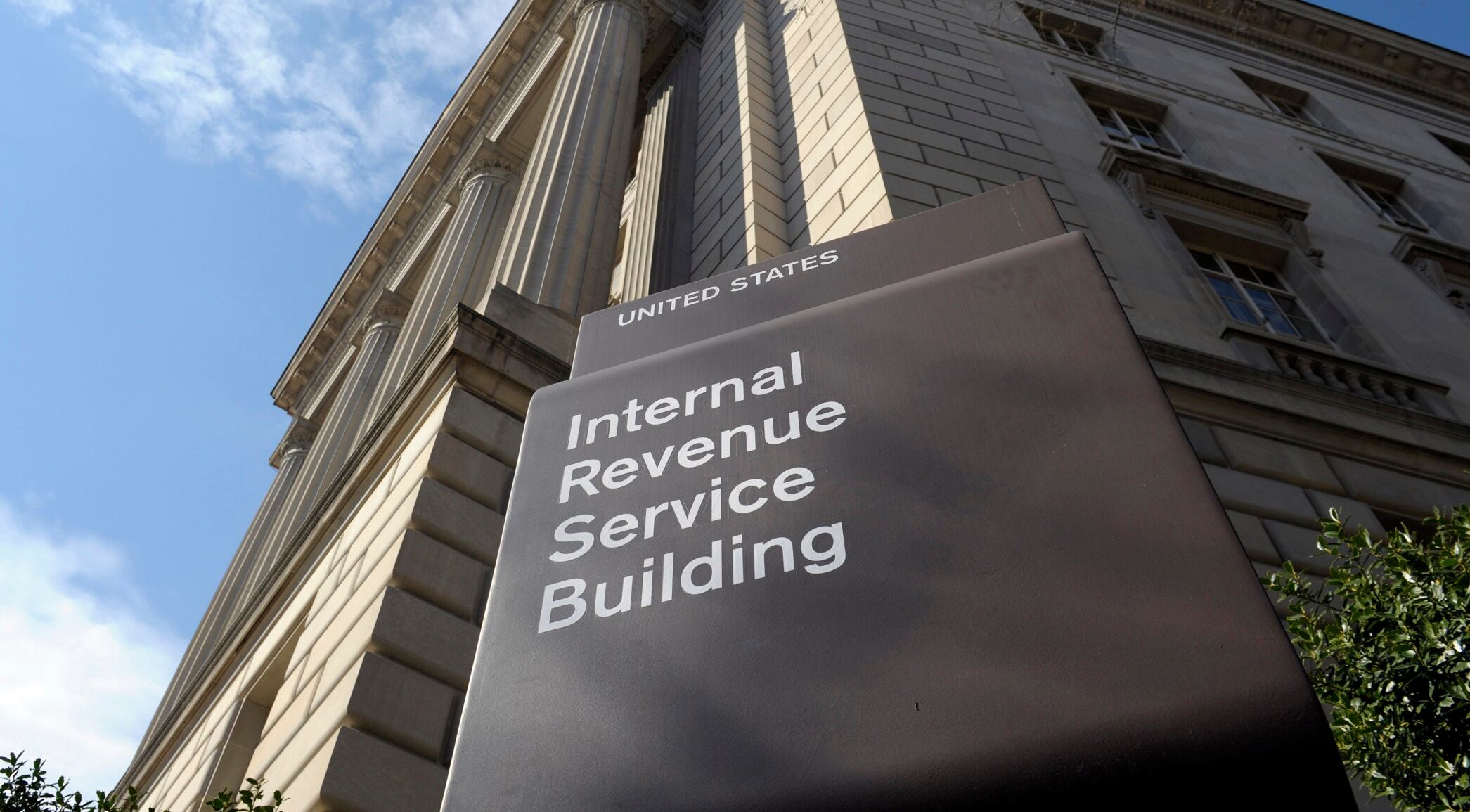
The IRS said Monday it will suspend the use of facial recognition technology to authenticate people who create online accounts after the practice was criticized by privacy advocates and lawmakers.
The agency said it would no longer use a third-party service, called ID.me, for facial recognition. Critics of the software said the database could become a target for cyberthreats. They also expressed concern about how the information could be used by other government agencies, among other concerns.
Earlier Monday, Senate Finance Committee Chair Ron Wyden, D-Ore., called on the agency to end its use of the ID.me software. After the IRS announced the practice would be suspended, Wyden said "the Treasury Department has made the smart decision to direct the IRS to transition away from using the controversial ID.me verification service.”
"No one should be forced to submit to facial recognition to access critical government services,” he added.
The IRS is currently grappling with a worker shortage and an expanded workload from processing tax filings and administering pandemic-related programs. Legislation that would have given the agency billions of dollars to more expeditiously process returns is stalled.
“The IRS takes taxpayer privacy and security seriously, and we understand the concerns that have been raised,” said IRS Commissioner Chuck Rettig.
“Everyone should feel comfortable with how their personal information is secured, and we are quickly pursuing short-term options that do not involve facial recognition.”
The agency said the transition would occur “over the coming weeks in order to prevent larger disruptions to taxpayers during filing season.”
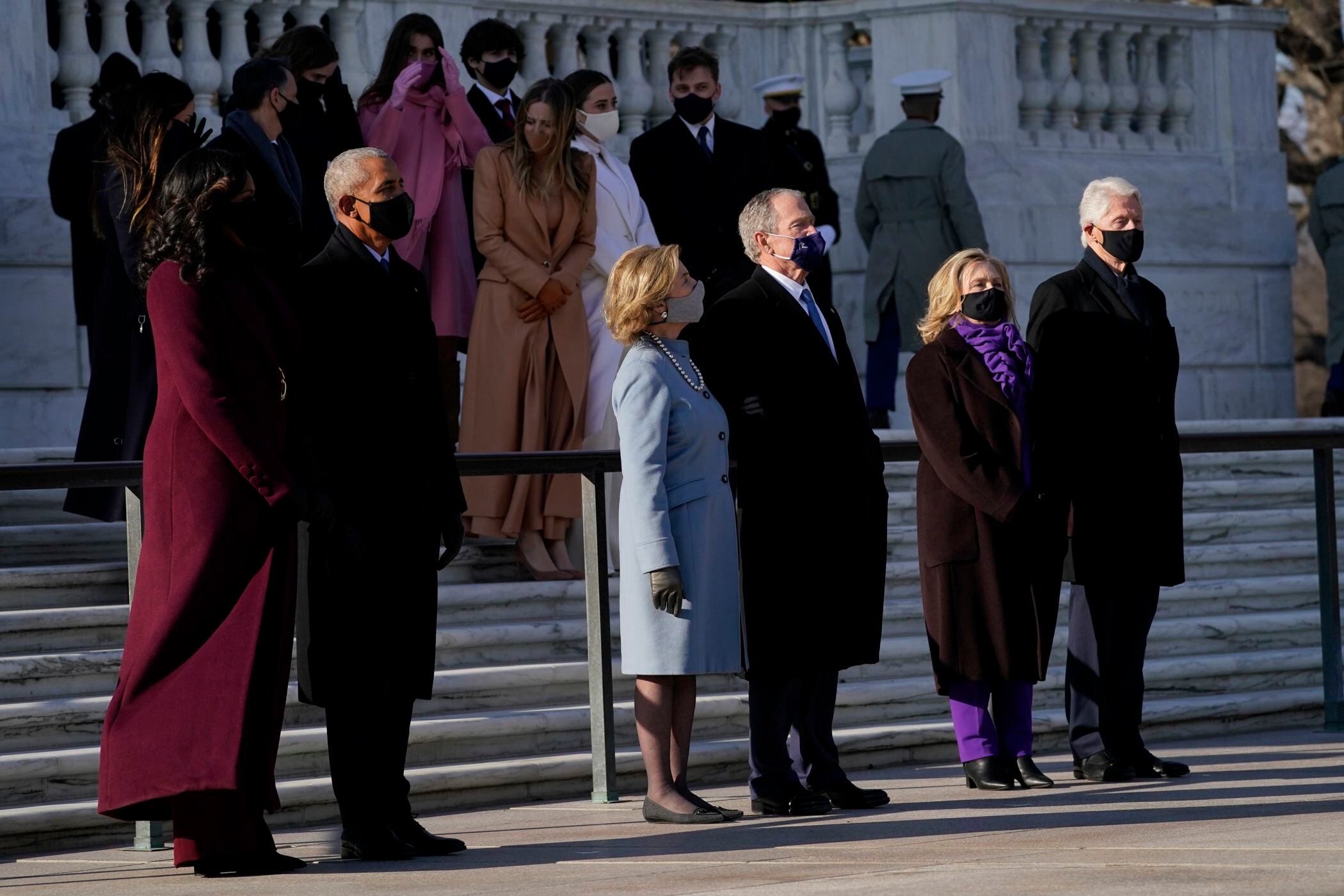
Four former presidents are urging Americans to get vaccinated as soon as COVID-19 doses are available to them, as part of a campaign to overcome hesitancy for the shots.
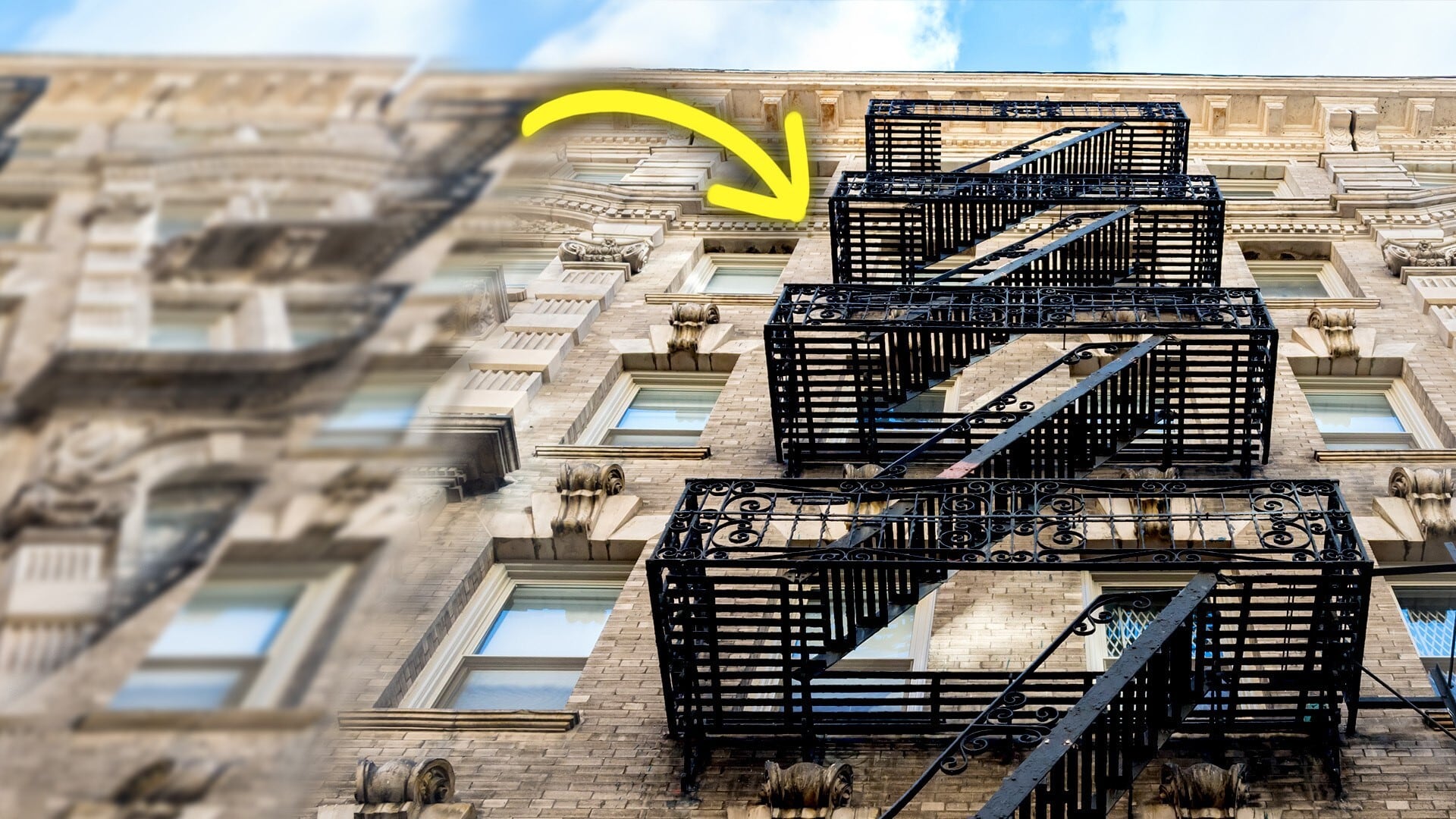
You can’t separate classic New York City architecture from the fire escape. They’re all over.
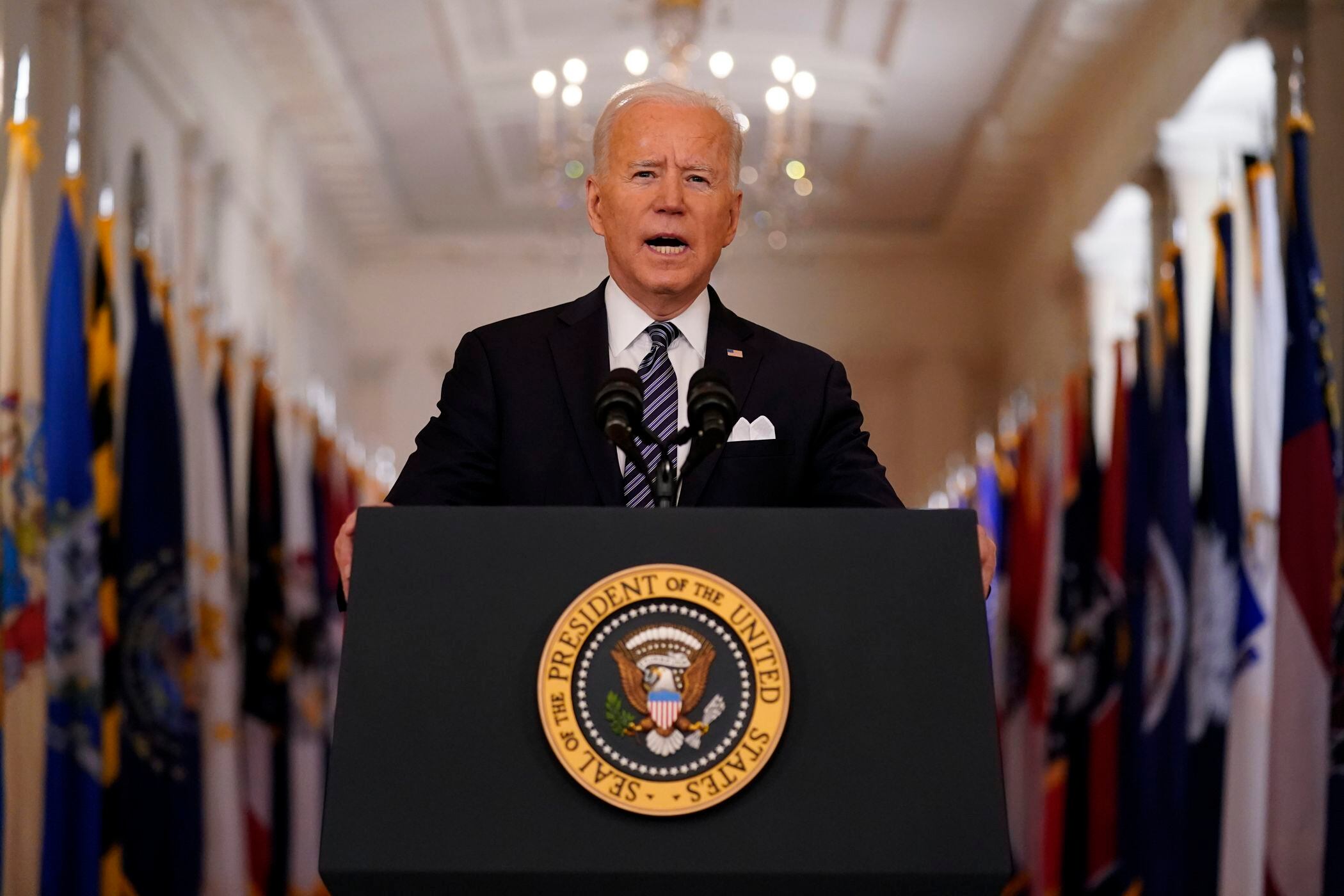
President Joe Biden is outlining his plan to make all adult Americans eligible for vaccination by May 1 and get the nation back “closer to normal” by the Fourth of July.
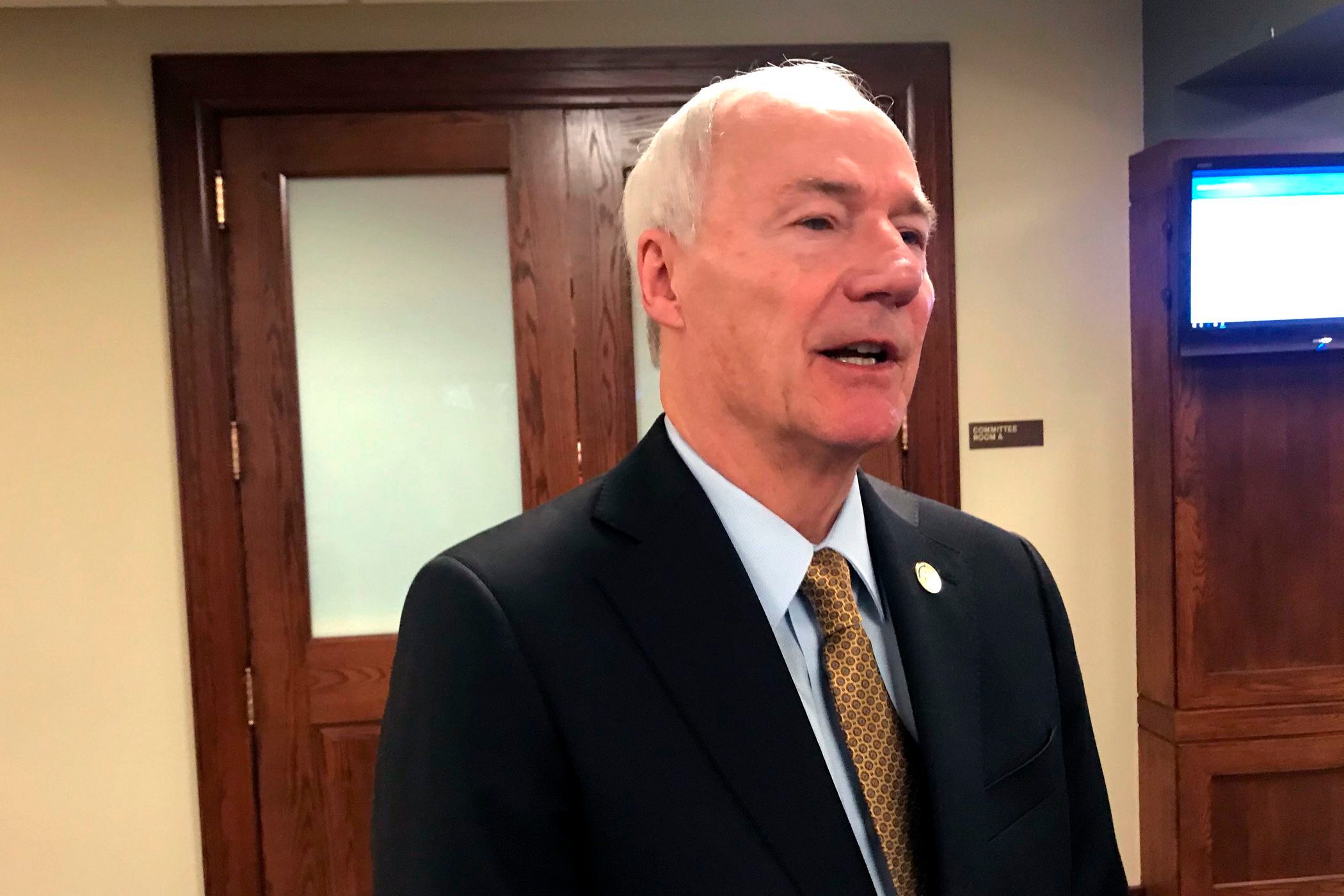
Arkansas Gov. Asa Hutchinson defended his decision to keep much of the economy, including schools, open during the pandemic., as well as signing a near-total abortion ban bill.
When the World Health Organization declared a pandemic one year ago on Thursday, it did so only after weeks of resisting the term and maintaining the coronavirus could still be stopped.
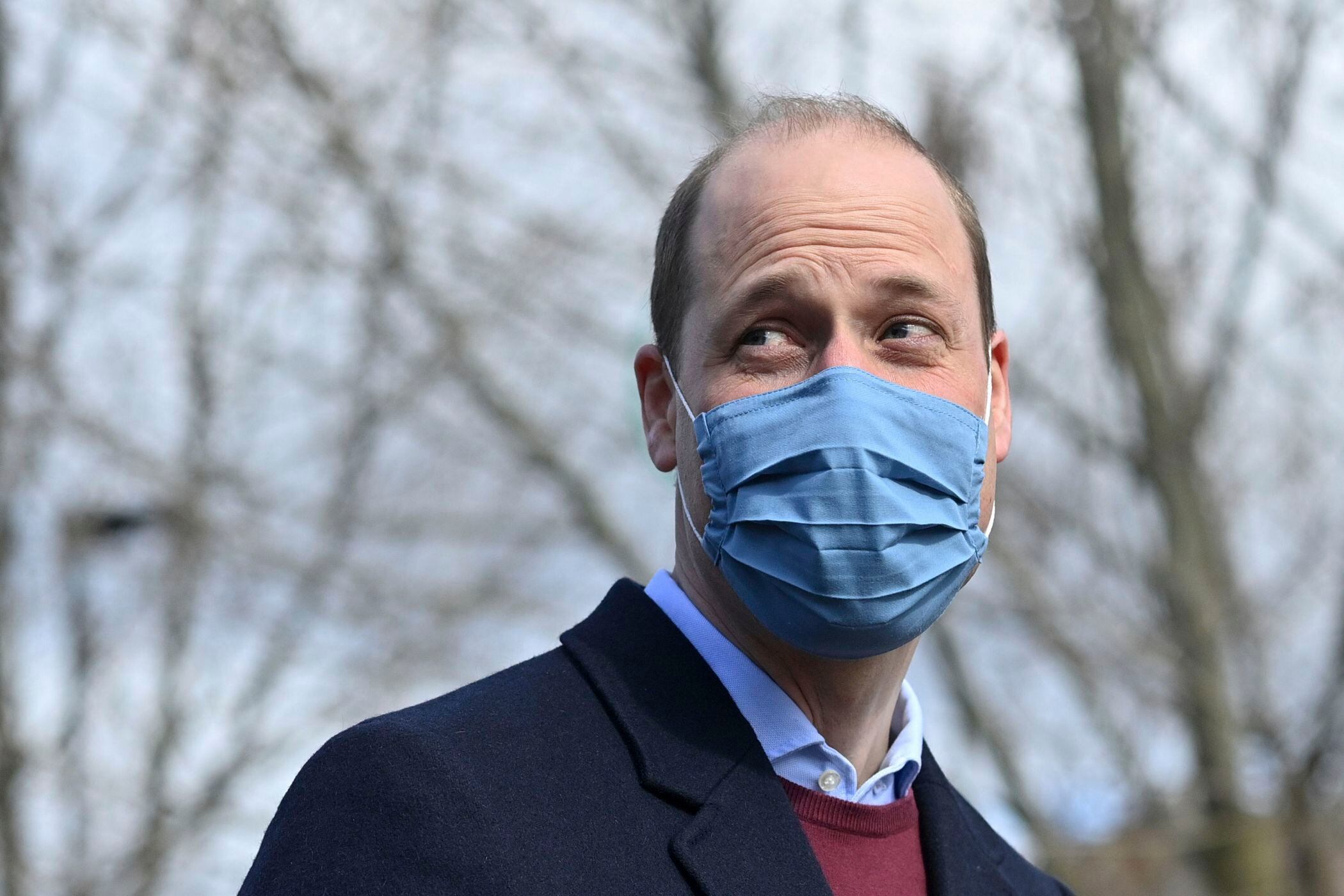
Prince William says that his family is not racist, becoming the first British royal to speak out about accusations of bigotry made by Prince Harry and Meghan, his brother and sister-in-law.
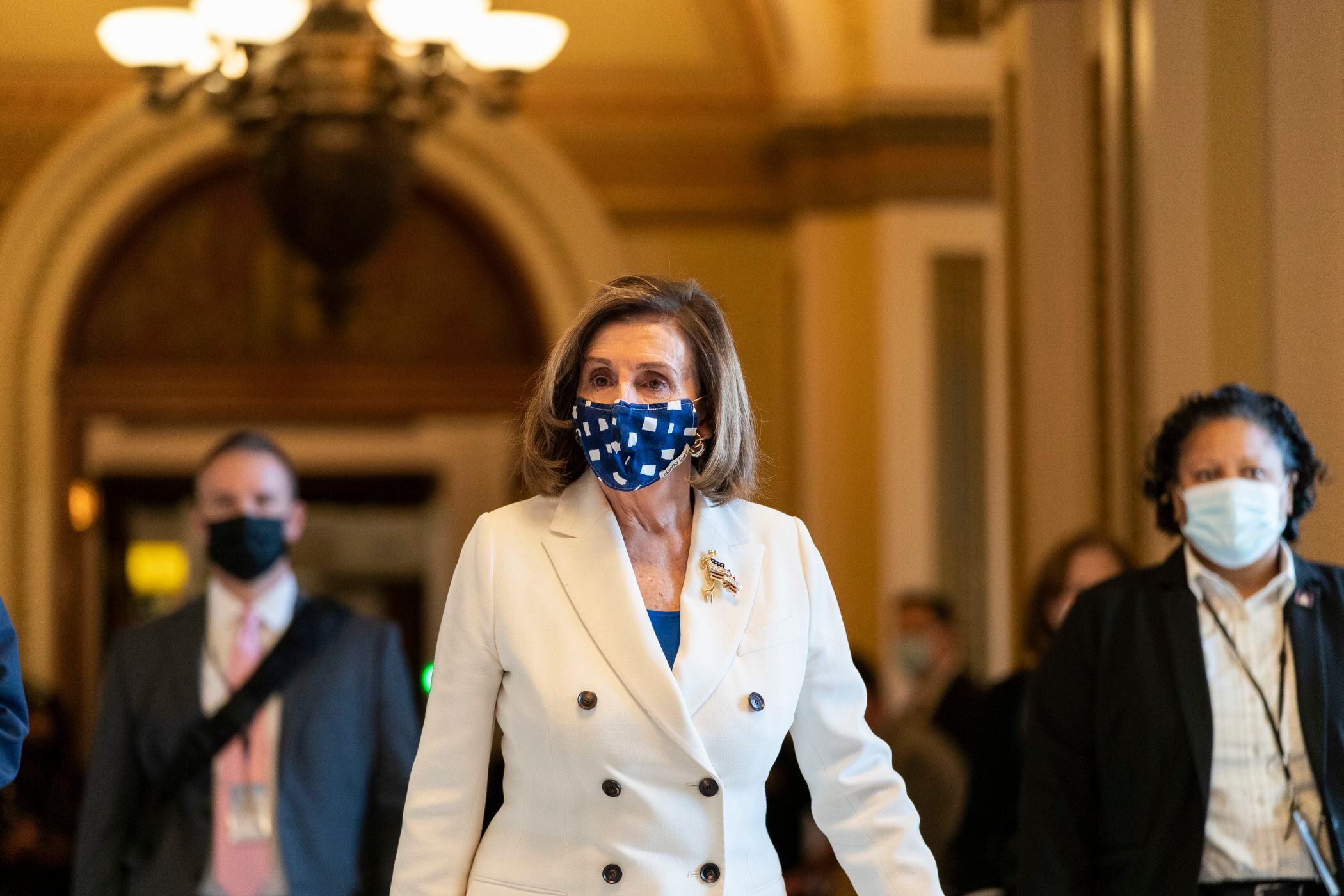
Congress has sent President Joe Biden the landmark $1.9 trillion COVID-19 relief bill.
Eisenhower’s interstate system was the biggest infrastructure project of its time. What justified the cost was its potential to connect all corners of America, but the unforeseen impacts of the highway system seemed to do the opposite of the intention.
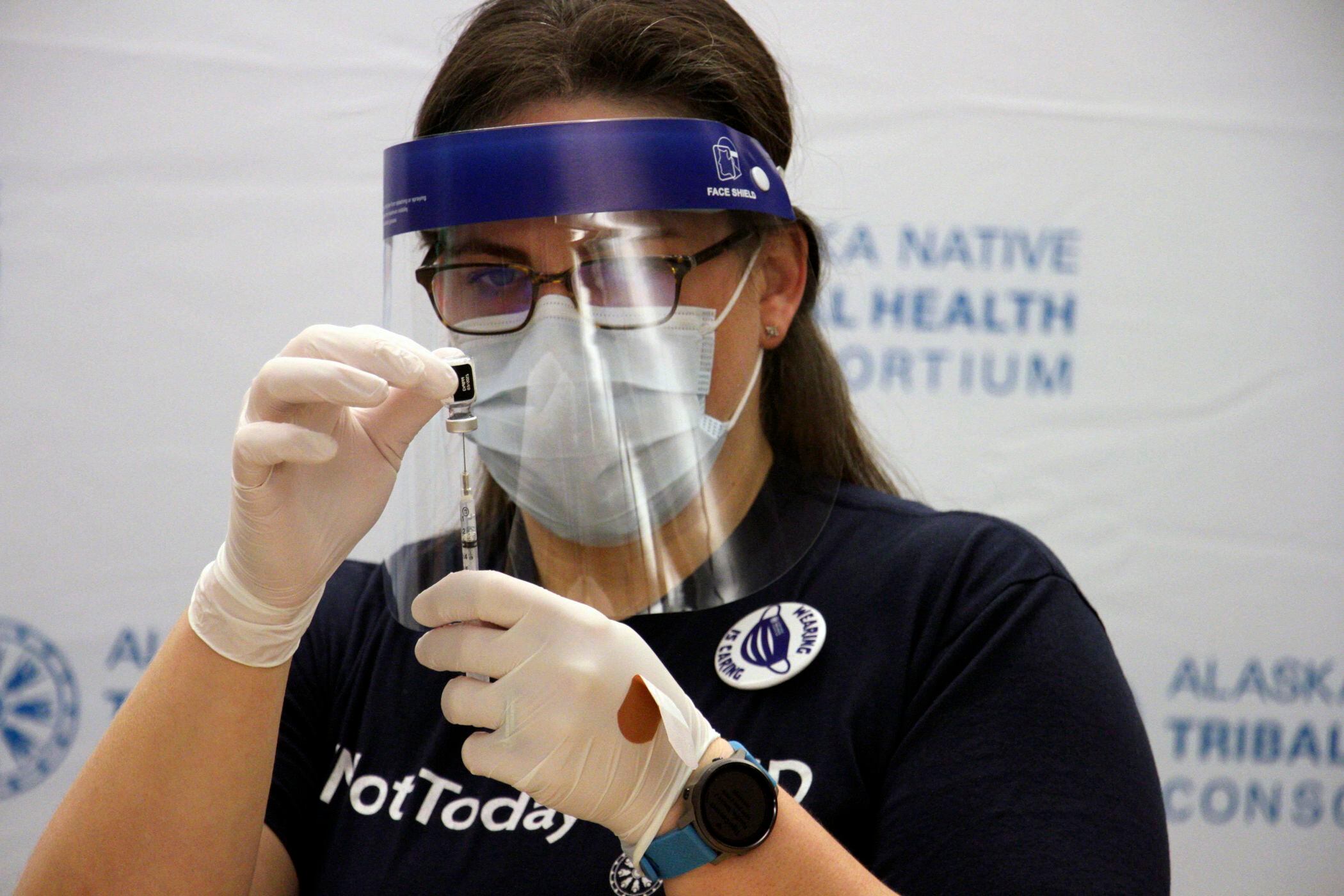
Dr. Anne Zink, chief medical officer for the state of Alaska, spoke to Cheddar about Alaska's remarkable task of getting COVID vaccines to a widespread populace even as the state opens up eligibility to nearly everyone.
Gov. Mike Dunleavy says Alaska has become the first state to drop eligibility requirements and allow anyone 16 or older who lives or works in the state to get a COVID-19 vaccination.