By Fatima Hussein
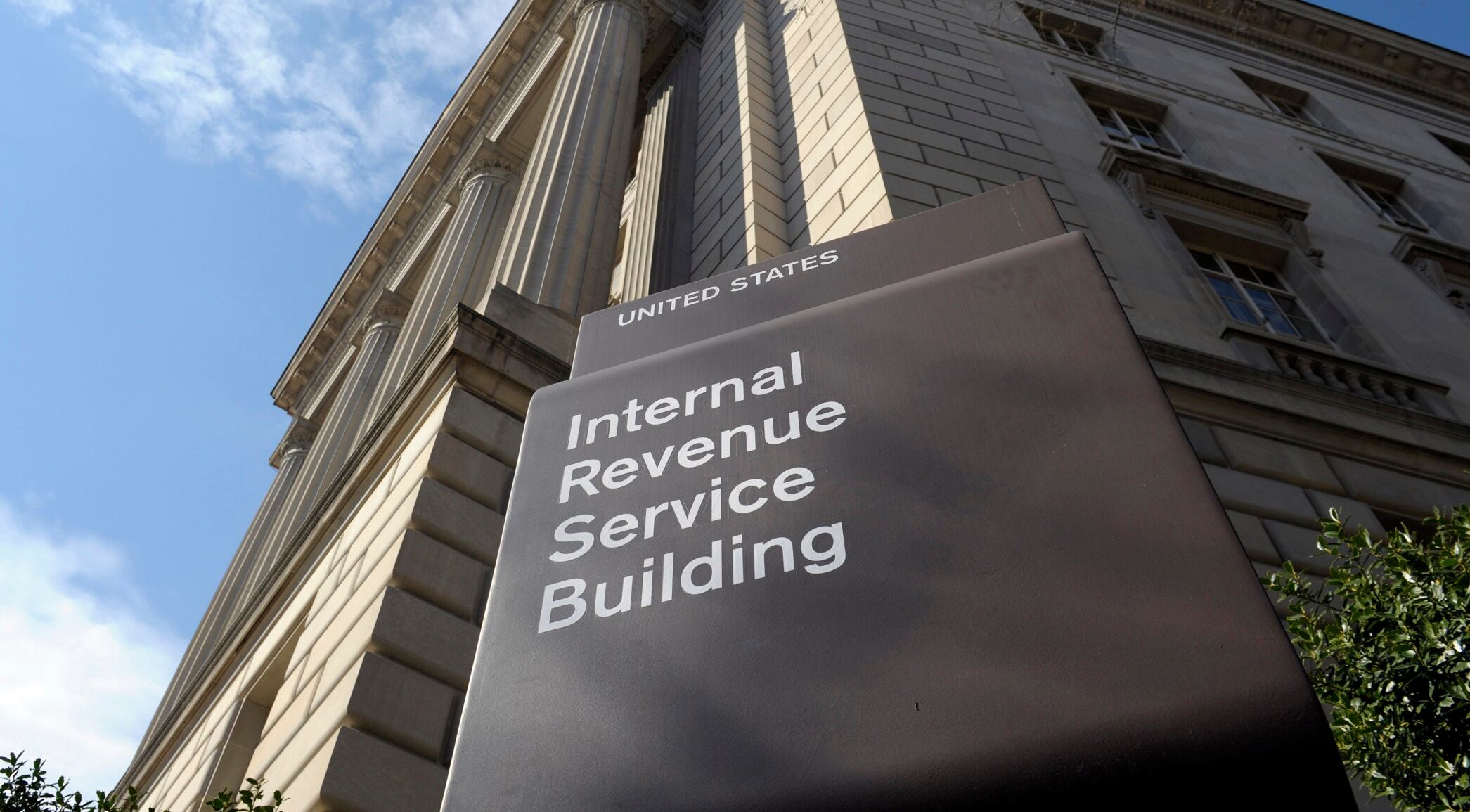
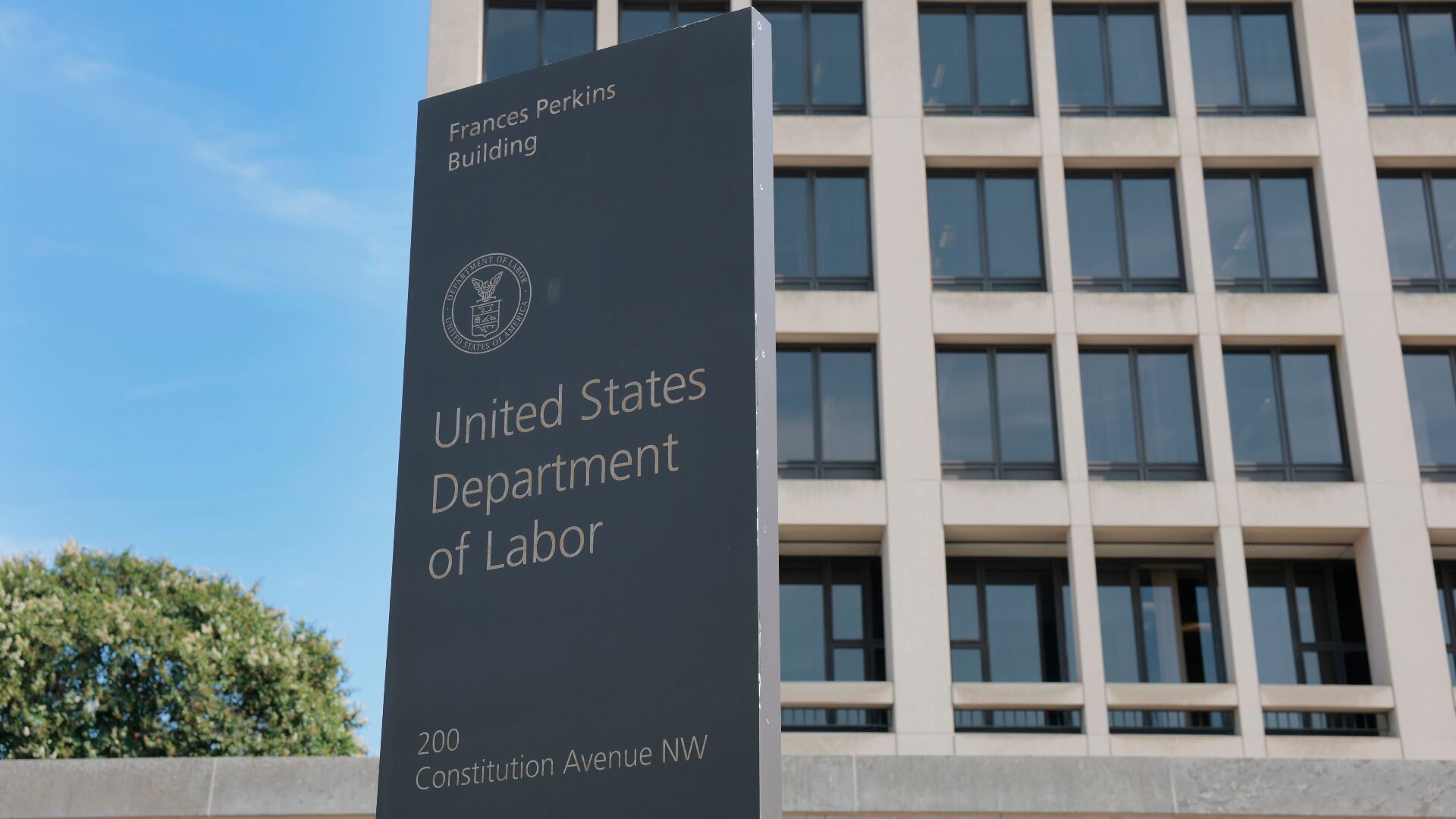
The IRS said Monday it will suspend the use of facial recognition technology to authenticate people who create online accounts after the practice was criticized by privacy advocates and lawmakers.
The agency said it would no longer use a third-party service, called ID.me, for facial recognition. Critics of the software said the database could become a target for cyberthreats. They also expressed concern about how the information could be used by other government agencies, among other concerns.
Earlier Monday, Senate Finance Committee Chair Ron Wyden, D-Ore., called on the agency to end its use of the ID.me software. After the IRS announced the practice would be suspended, Wyden said "the Treasury Department has made the smart decision to direct the IRS to transition away from using the controversial ID.me verification service.”
"No one should be forced to submit to facial recognition to access critical government services,” he added.
The IRS is currently grappling with a worker shortage and an expanded workload from processing tax filings and administering pandemic-related programs. Legislation that would have given the agency billions of dollars to more expeditiously process returns is stalled.
“The IRS takes taxpayer privacy and security seriously, and we understand the concerns that have been raised,” said IRS Commissioner Chuck Rettig.
“Everyone should feel comfortable with how their personal information is secured, and we are quickly pursuing short-term options that do not involve facial recognition.”
The agency said the transition would occur “over the coming weeks in order to prevent larger disruptions to taxpayers during filing season.”
Rep. Jan Schakowsky (D-Ill. 9th District) and Rep. Bob Latta (R-Ohio 5th District) joined Cheddar to discuss what Congress might do about the Big Tech companies following the latest hearing on misinformation and disinformation online.
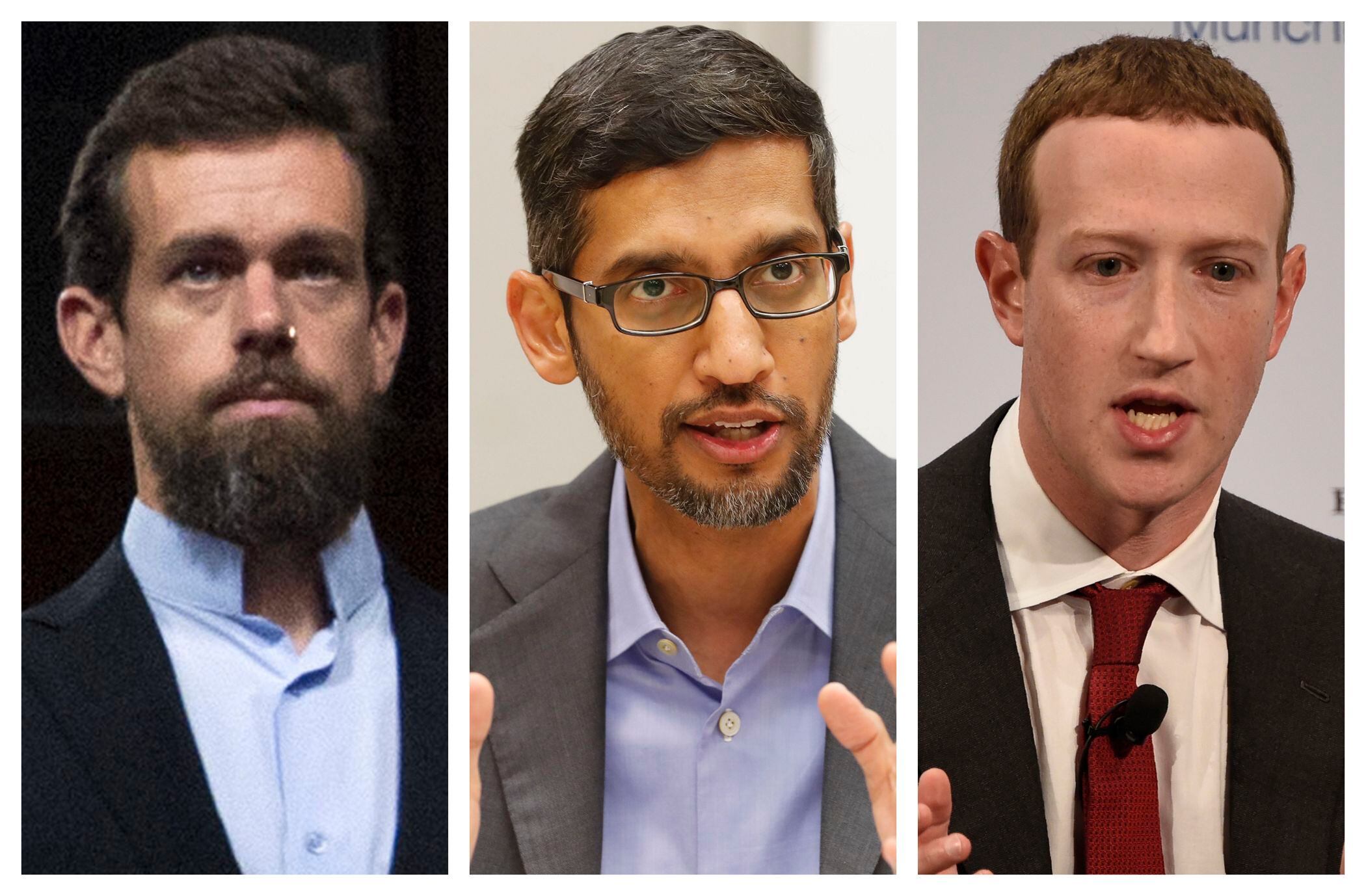
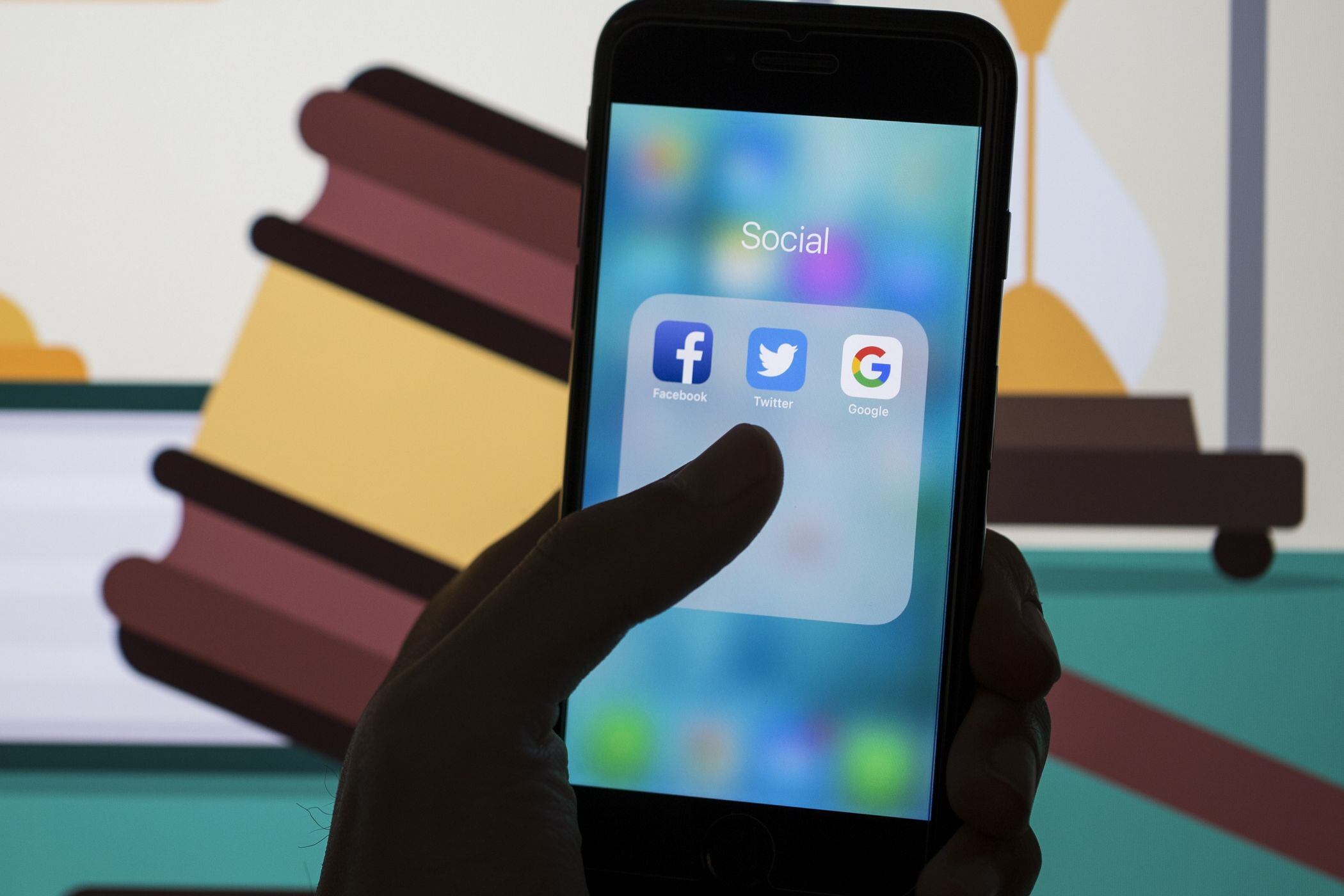
On Thursday, March 25, Congress will hold a remote hearing with testimony from Facebook CEO Mark Zuckerberg, Twitter CEO Jack Dorsey, and Google CEO Sundar Pichai on the "misinformation and disinformation" that some argue continue to plague online platforms.
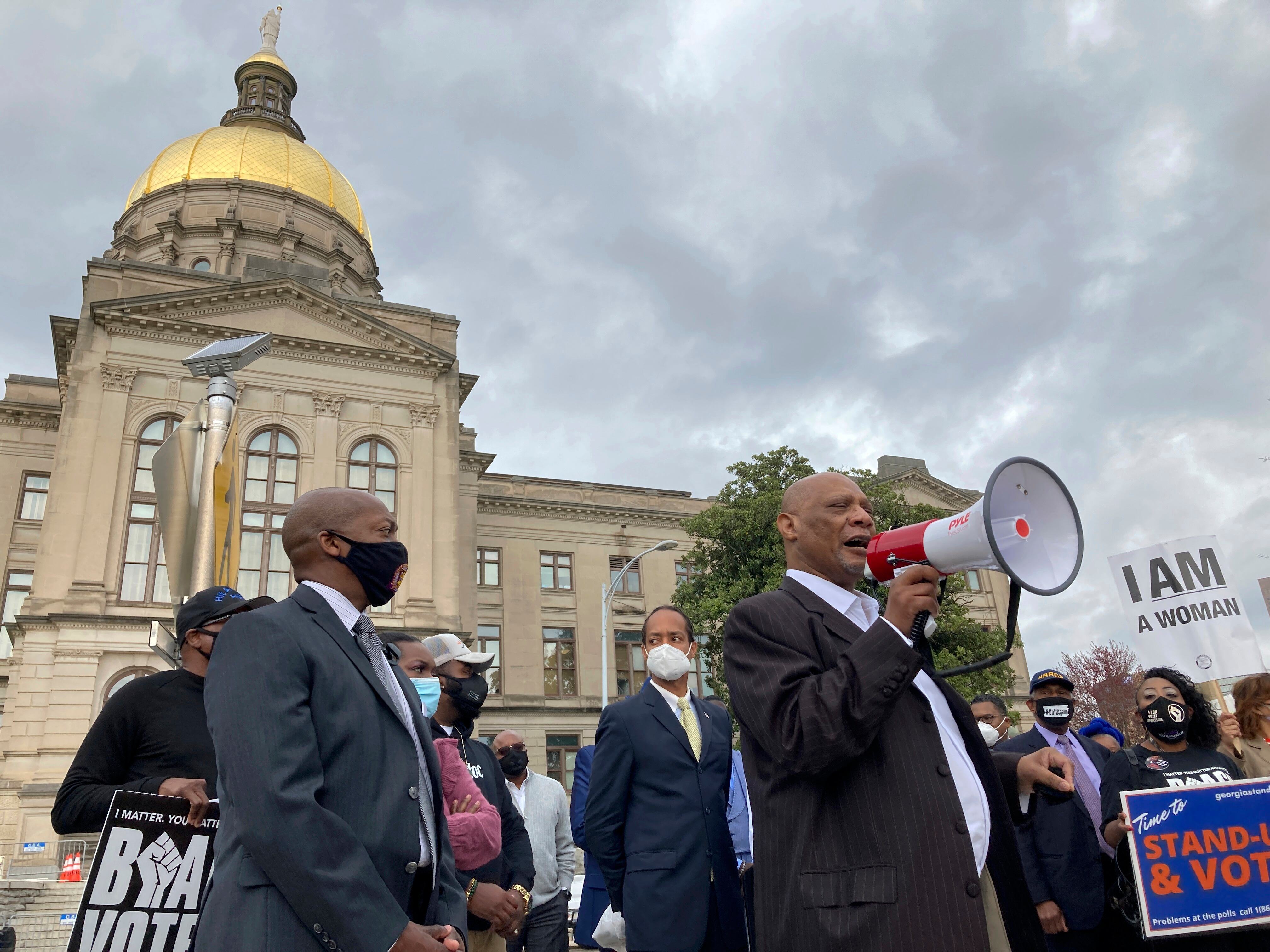
The law passed Thursday places new restrictions on voting by mail and greater legislative oversight of elections. Democrats and voting rights groups say the law will disproportionately disenfranchise voters of color.
President Joe Biden is leaving the door open to backing fundamental changes in Senate procedure to muscle key parts of his agenda past Republican opposition.
The number of people seeking unemployment benefits fell sharply last week to 684,000, the fewest since the pandemic erupted a year ago and a sign the economy is improving.
Sen. John Hickenlooper (D-Colo.) spoke to Cheddar about how his GOP colleagues should back universal background checks for gun purchasers while avoiding taking a hard stance on changes to the filibuster.
More than three months into the U.S. vaccination drive, many of the numbers paint an increasingly encouraging picture.
Cheddar previews the Thursday, March 25, Congressional hearing to feature Facebook CEO Mark Zuckerberg, Twitter CEO Jack Dorsey, and Google CEO Sundar Pichai.
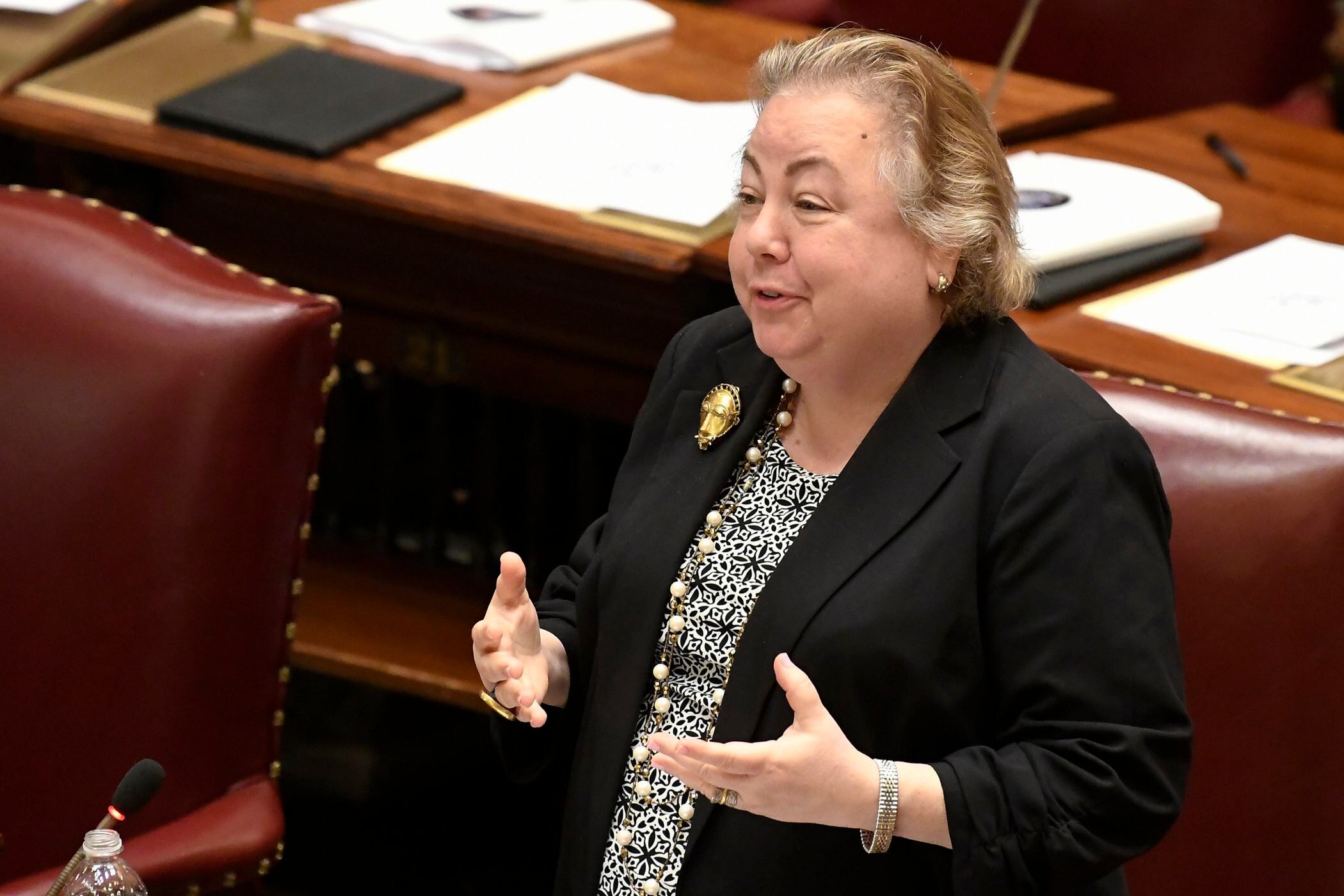
In an interview with Cheddar, New York State Senator Liz Krueger (D) said that there is now one bill on the table that is almost complete and is agreed upon by all legislative bodies in the state.
Prince Harry has joined the corporate world as employee coaching and mental health firm BetterUp Inc.’s Chief Impact Officer.