By Fatima Hussein
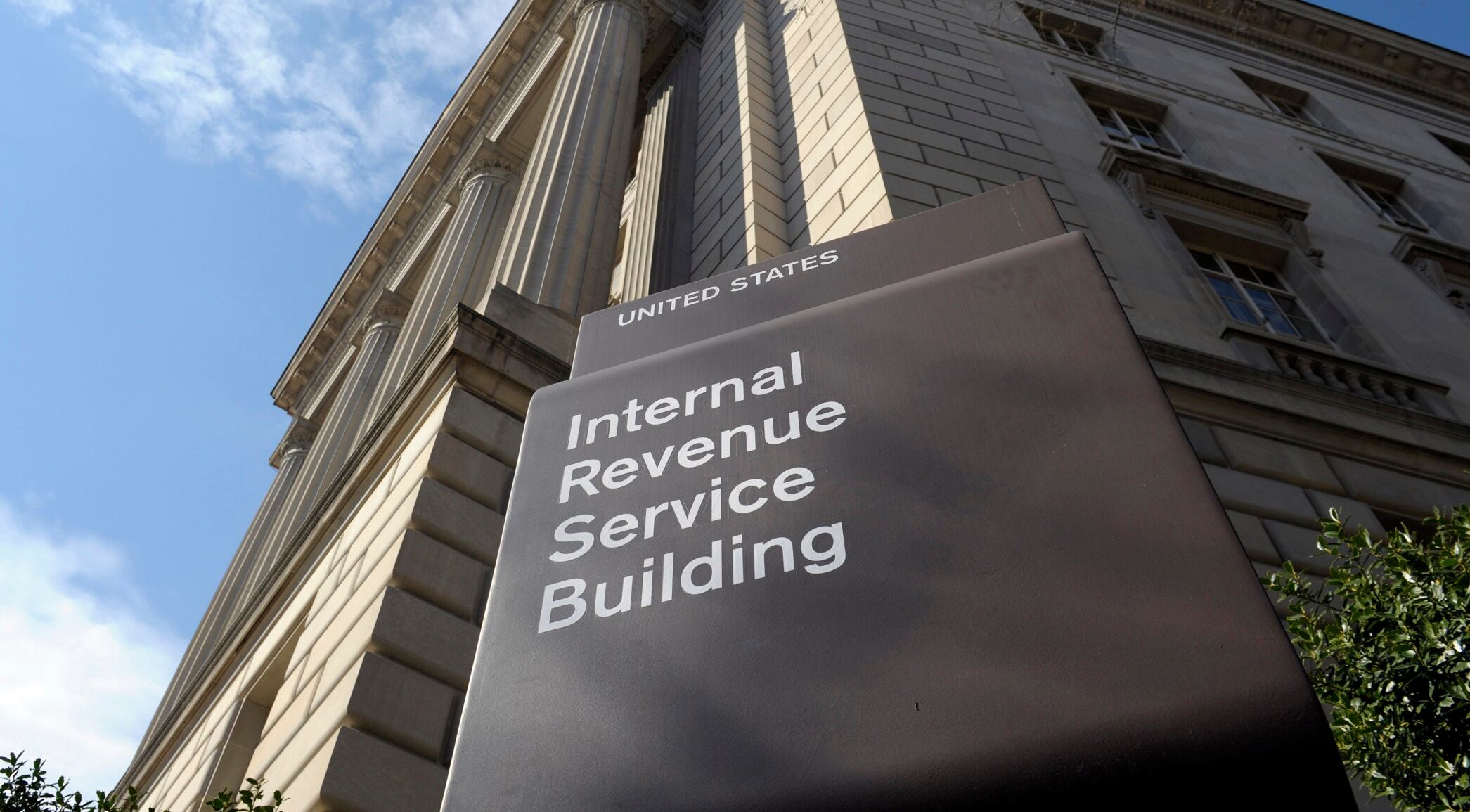
The IRS said Monday it will suspend the use of facial recognition technology to authenticate people who create online accounts after the practice was criticized by privacy advocates and lawmakers.
The agency said it would no longer use a third-party service, called ID.me, for facial recognition. Critics of the software said the database could become a target for cyberthreats. They also expressed concern about how the information could be used by other government agencies, among other concerns.
Earlier Monday, Senate Finance Committee Chair Ron Wyden, D-Ore., called on the agency to end its use of the ID.me software. After the IRS announced the practice would be suspended, Wyden said "the Treasury Department has made the smart decision to direct the IRS to transition away from using the controversial ID.me verification service.”
"No one should be forced to submit to facial recognition to access critical government services,” he added.
The IRS is currently grappling with a worker shortage and an expanded workload from processing tax filings and administering pandemic-related programs. Legislation that would have given the agency billions of dollars to more expeditiously process returns is stalled.
“The IRS takes taxpayer privacy and security seriously, and we understand the concerns that have been raised,” said IRS Commissioner Chuck Rettig.
“Everyone should feel comfortable with how their personal information is secured, and we are quickly pursuing short-term options that do not involve facial recognition.”
The agency said the transition would occur “over the coming weeks in order to prevent larger disruptions to taxpayers during filing season.”
Former President Donald Trump won’t return to Facebook. The social network’s quasi-independent Oversight Board has voted to permanently ban his account after it was suspended four months ago for inciting violence that led to the deadly Jan. 6 Capitol riot.
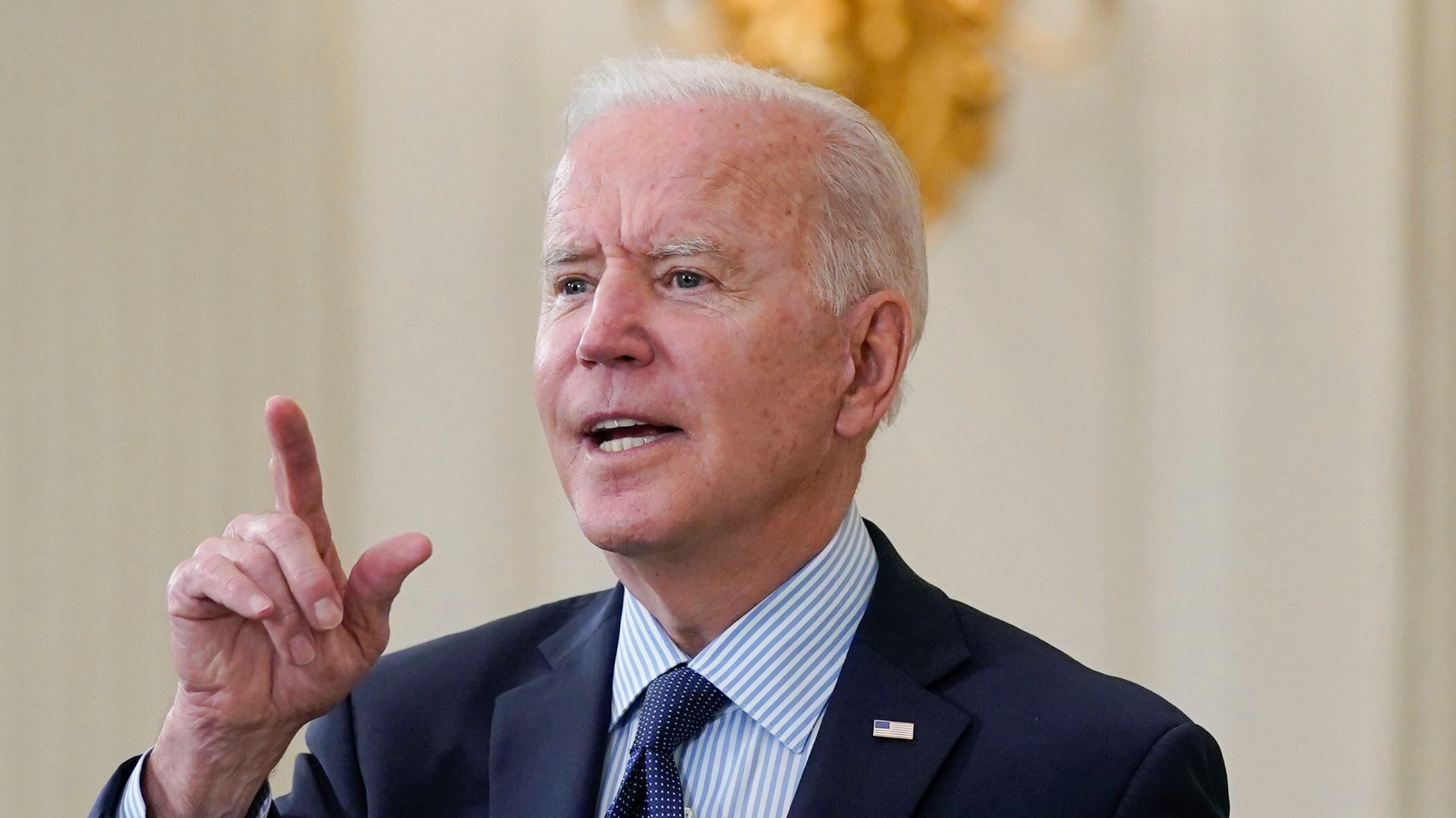
President Joe Biden has set a new vaccination goal to deliver at least one dose to 70% of American adults by July Fourth.
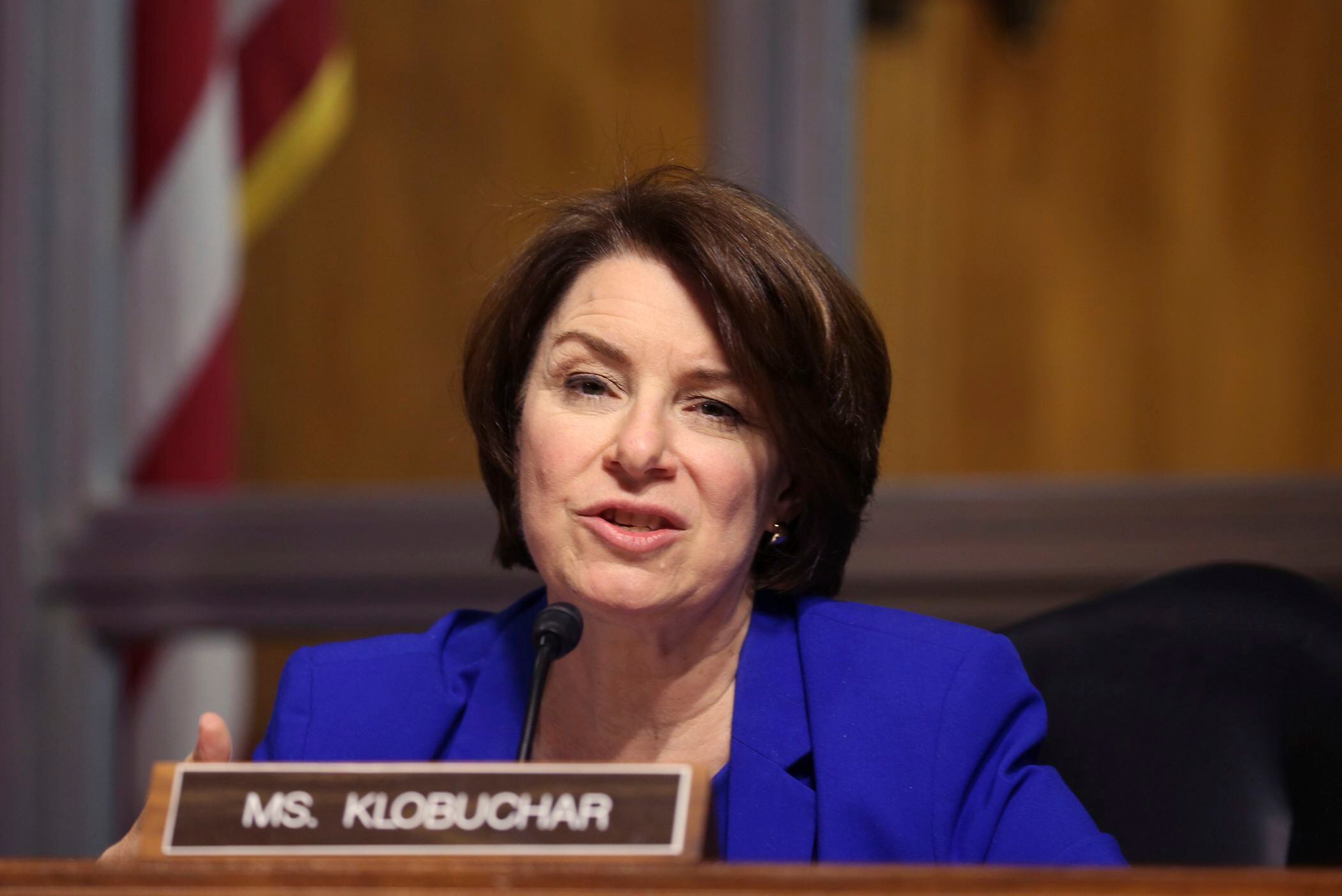
Sen. Amy Klobuchar (D-Minn.) joined Cheddar to discuss her new book "Antitrust," tackling the issues of monopolistic business practices, particularly in Big Tech.
Turkey’s shipbreaking yard is located in the town of Aliaga - about 30 miles north of Port Izmir. Usually, this yard breaks down cargo and container ships. But in 2020, it started bringing in another type of vessel. And business is booming.
Bill and Melinda Gates say they're divorcing. The Microsoft co-founder and his wife, who launched the world’s largest charitable foundation, said they would continue to work together at the Bill & Melinda Gates Foundation.
Jon M. Chu, director of 'Crazy Rich Asians,' discussed the issues of diversity and AAPI representation in Hollywood with Cheddar.
Air travel continues to recover from the pandemic, although it's still not close to normal.
From Wall Street to Silicon Valley, these are the top stories that moved markets and had investors, business leaders, and entrepreneurs talking this week on Cheddar.
Lincoln Mondy, advocate and filmmaker behind the short film "Black Lives/Black Lungs," talked to Cheddar about the FDA's announcement it will move to ban menthol-flavored cigarettes.
An overnight stampede in Israel kills dozens, a look at the COVID disaster in Latin America, the economic repositioning in America, a new shortage to report and did people really answer the phone without Caller ID?