By Fatima Hussein
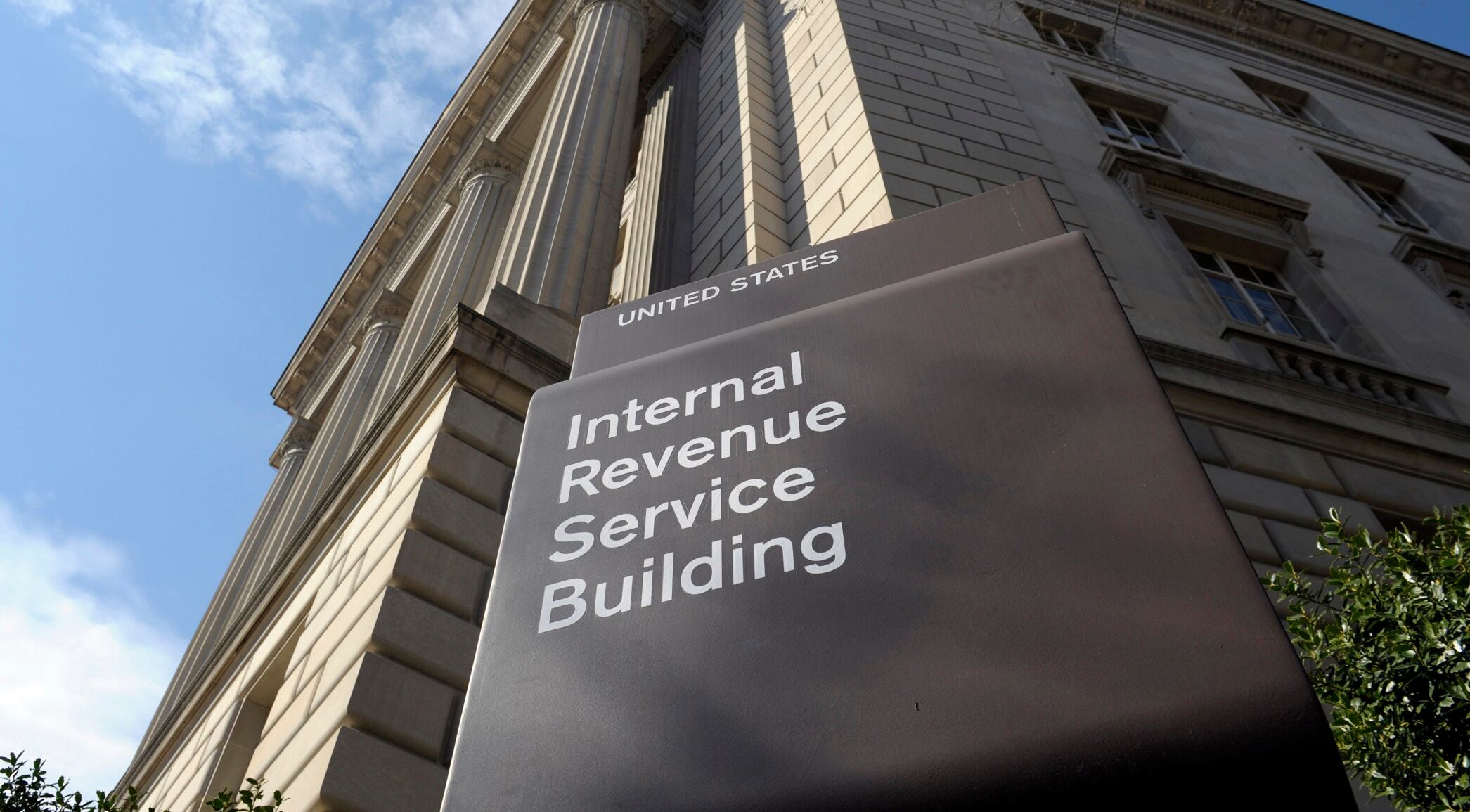
The IRS said Monday it will suspend the use of facial recognition technology to authenticate people who create online accounts after the practice was criticized by privacy advocates and lawmakers.
The agency said it would no longer use a third-party service, called ID.me, for facial recognition. Critics of the software said the database could become a target for cyberthreats. They also expressed concern about how the information could be used by other government agencies, among other concerns.
Earlier Monday, Senate Finance Committee Chair Ron Wyden, D-Ore., called on the agency to end its use of the ID.me software. After the IRS announced the practice would be suspended, Wyden said "the Treasury Department has made the smart decision to direct the IRS to transition away from using the controversial ID.me verification service.”
"No one should be forced to submit to facial recognition to access critical government services,” he added.
The IRS is currently grappling with a worker shortage and an expanded workload from processing tax filings and administering pandemic-related programs. Legislation that would have given the agency billions of dollars to more expeditiously process returns is stalled.
“The IRS takes taxpayer privacy and security seriously, and we understand the concerns that have been raised,” said IRS Commissioner Chuck Rettig.
“Everyone should feel comfortable with how their personal information is secured, and we are quickly pursuing short-term options that do not involve facial recognition.”
The agency said the transition would occur “over the coming weeks in order to prevent larger disruptions to taxpayers during filing season.”
Australia has garnered enough international support to defer for two years an attempt by the United Nations’ cultural organization to downgrade the Great Barrier Reef’s World Heritage status because of damage caused by climate change.
The number of Americans seeking unemployment benefits rose last week from the lowest point of the pandemic, even as the job market appears to be rebounding on the strength of a reopened economy
Dollar-pegged cryptocurrencies called stablecoins are on the rise, and U.S. regulators are taking notice.
Senate Republicans have rejected an effort to begin debate on a bipartisan infrastructure deal that senators brokered with President Joe Biden.
While the Biden administration has been busy undoing some of former President Trump's legacy decisions, the latest military branch, the U.S. Space Force established in 2019, isn't going anywhere.
Israeli Prime Minister Naftali Bennett spoke to the head of Unilever after its subsidiary Ben & Jerry’s announced it would stop selling its ice cream in the Israeli-occupied West Bank and contested east Jerusalem.
Canada will begin letting fully vaccinated U.S. citizens into Canada on Aug. 9, and those from the rest of the world on Sept. 7.
The Biden administration is blaming China for a hack of Microsoft Exchange email server software that compromised tens of thousands of computers around the world earlier this year.
The State Department will offer rewards up to $10 million for information leading to the identification of anyone engaged in foreign state-sanctioned malicious cyber activity, including ransomware attacks, against critical U.S. infrastructure.
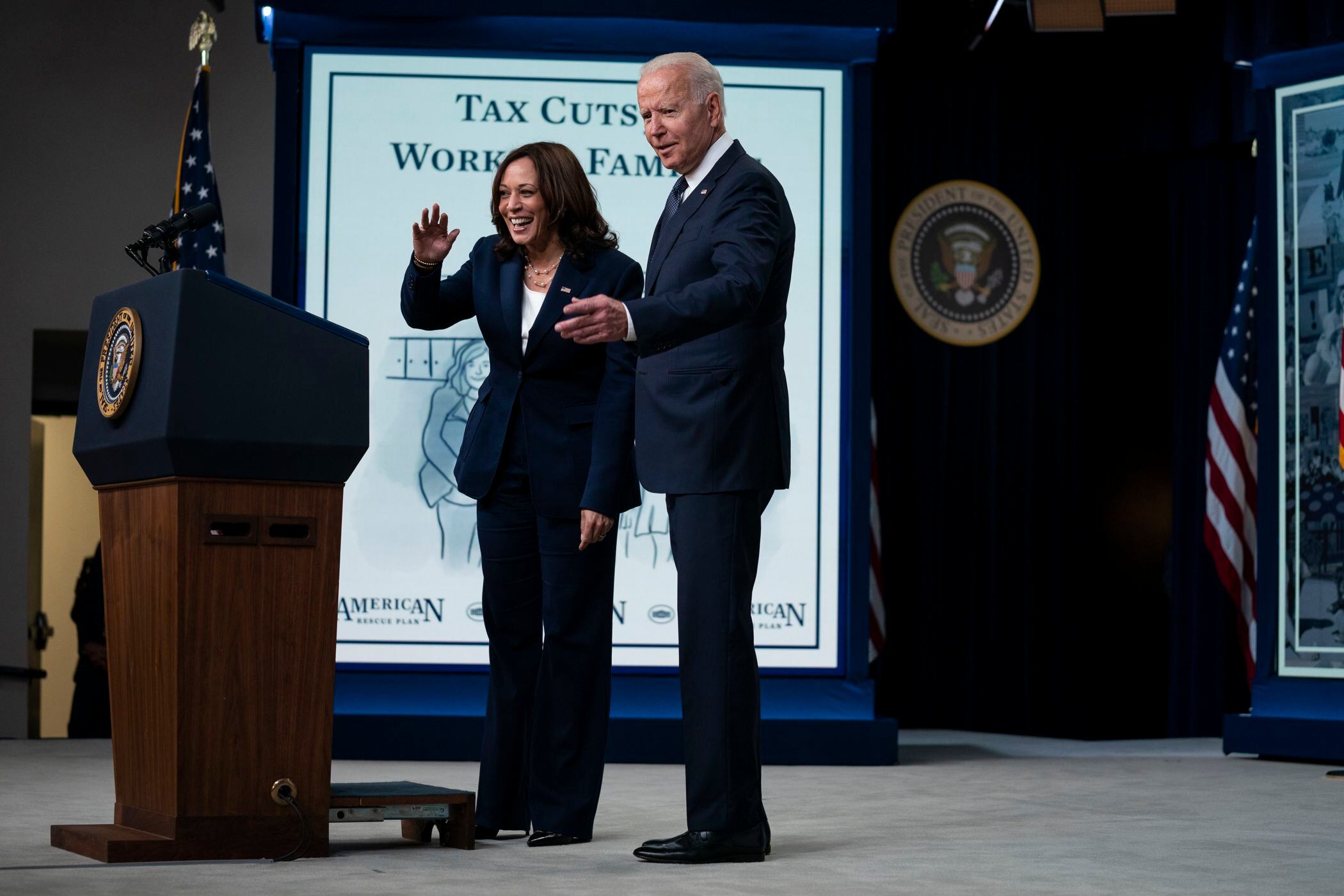
The U.S. government is starting to deposit child tax credit money into the accounts of more than 35 million families.