By Fatima Hussein
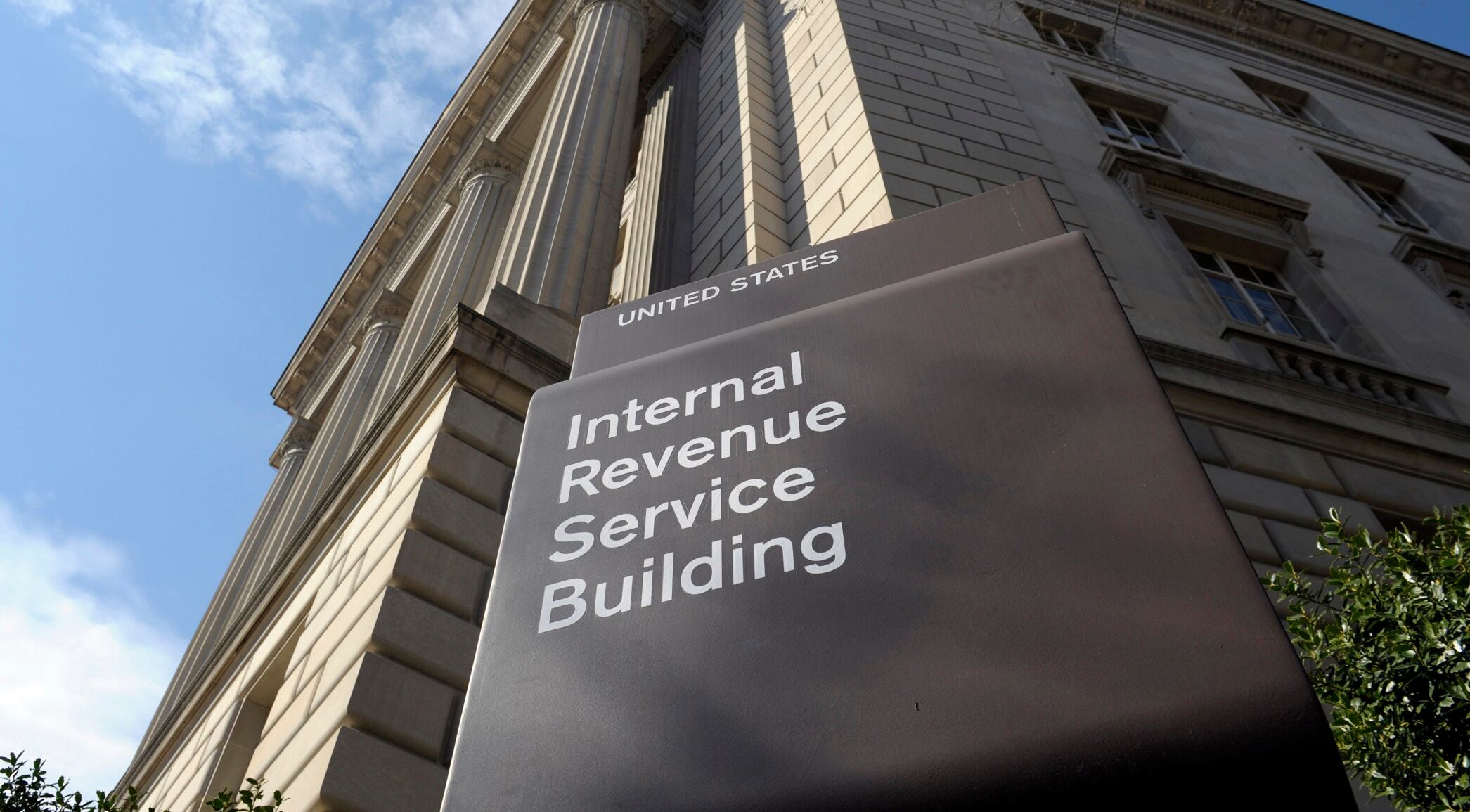
The IRS said Monday it will suspend the use of facial recognition technology to authenticate people who create online accounts after the practice was criticized by privacy advocates and lawmakers.
The agency said it would no longer use a third-party service, called ID.me, for facial recognition. Critics of the software said the database could become a target for cyberthreats. They also expressed concern about how the information could be used by other government agencies, among other concerns.
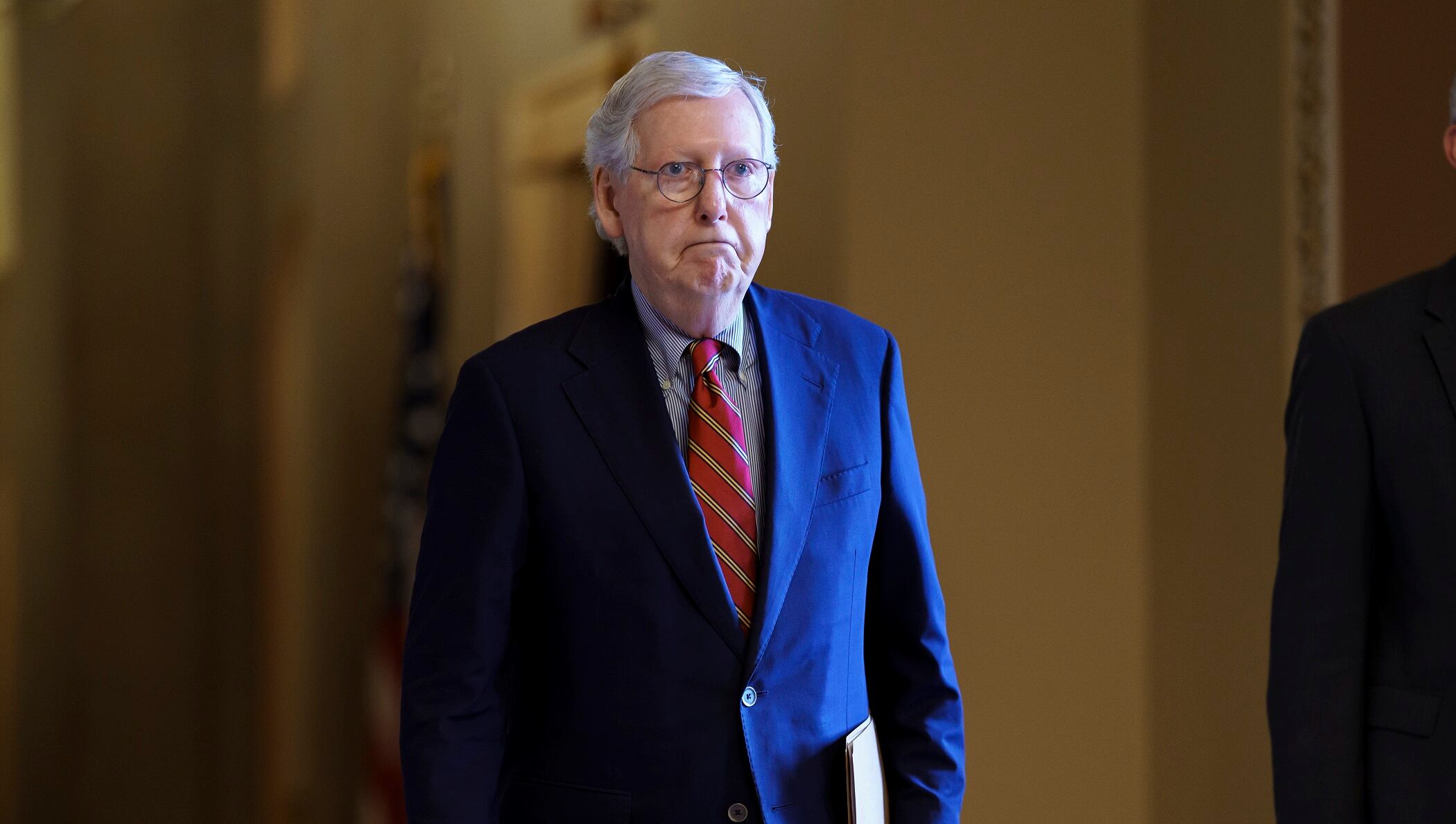
Earlier Monday, Senate Finance Committee Chair Ron Wyden, D-Ore., called on the agency to end its use of the ID.me software. After the IRS announced the practice would be suspended, Wyden said "the Treasury Department has made the smart decision to direct the IRS to transition away from using the controversial ID.me verification service.”
"No one should be forced to submit to facial recognition to access critical government services,” he added.
The IRS is currently grappling with a worker shortage and an expanded workload from processing tax filings and administering pandemic-related programs. Legislation that would have given the agency billions of dollars to more expeditiously process returns is stalled.
“The IRS takes taxpayer privacy and security seriously, and we understand the concerns that have been raised,” said IRS Commissioner Chuck Rettig.
“Everyone should feel comfortable with how their personal information is secured, and we are quickly pursuing short-term options that do not involve facial recognition.”
The agency said the transition would occur “over the coming weeks in order to prevent larger disruptions to taxpayers during filing season.”
A California law taking effect Jan. 1 could make pork harder to find and more expensive.
Senate Majority Leader Chuck Schumer is looking to speed up consideration of a nearly $1 trillion bipartisan infrastructure package.
Jill and Carlo talk about the latest from Tokyo including Simone Biles plans to compete in the balance beam final, Dr. Fauci's dire Delta warning, high profile vaccine mandates from employers like Walmart and Disney, and Square's acquisition of Afterpay.
A shortage of ammunition in the U.S. is having an impact on law enforcement agencies, people seeking personal protection, recreational shooters and hunters.
Scientists who studied a big COVID-19 outbreak in Massachusetts concluded that vaccinated people who got so-called breakthrough infections carried about the same amount of the coronavirus as those who did not get the shots.
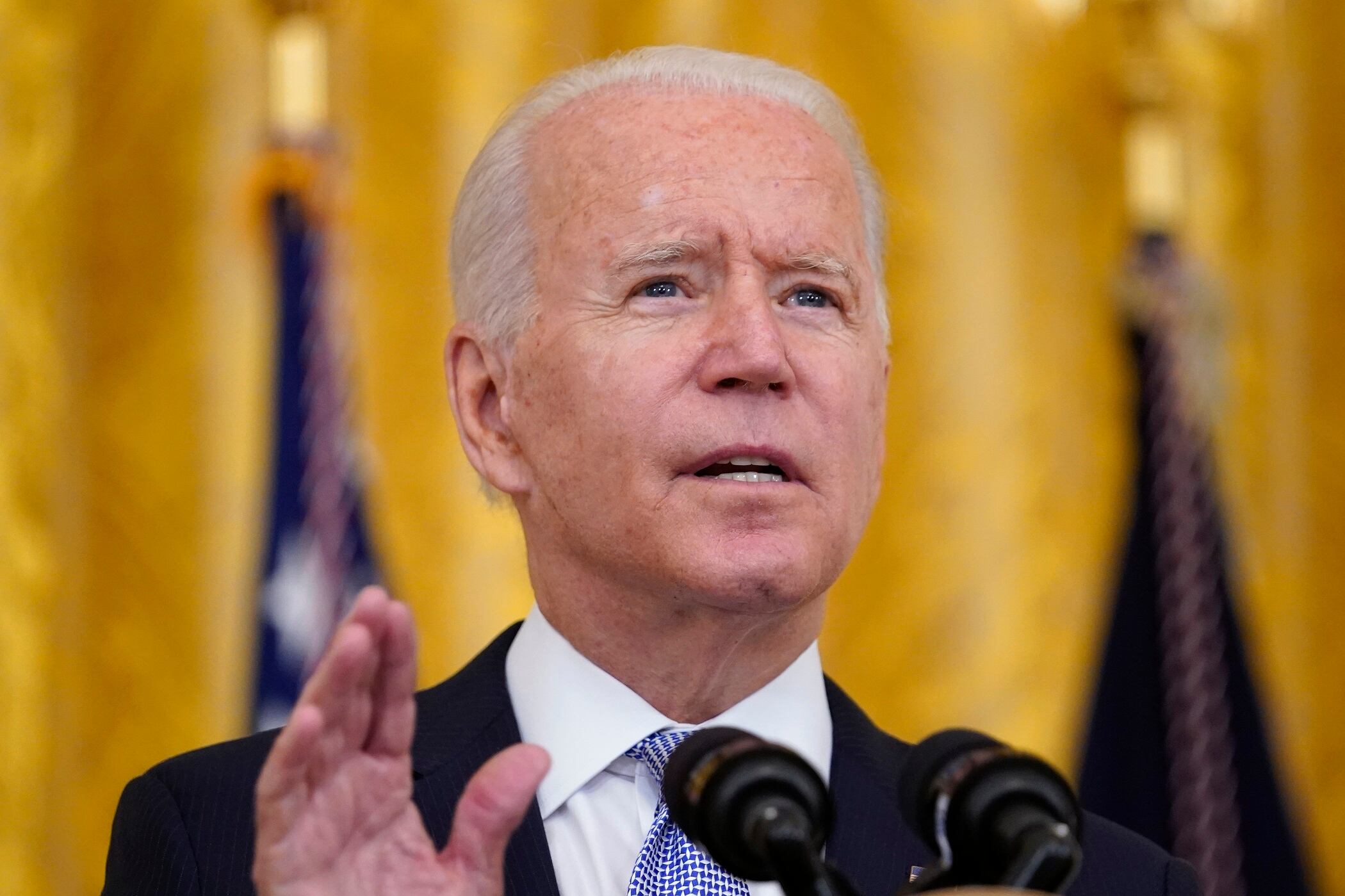
The Biden administration has announced sweeping new pandemic rules for federal workers and some contractors.
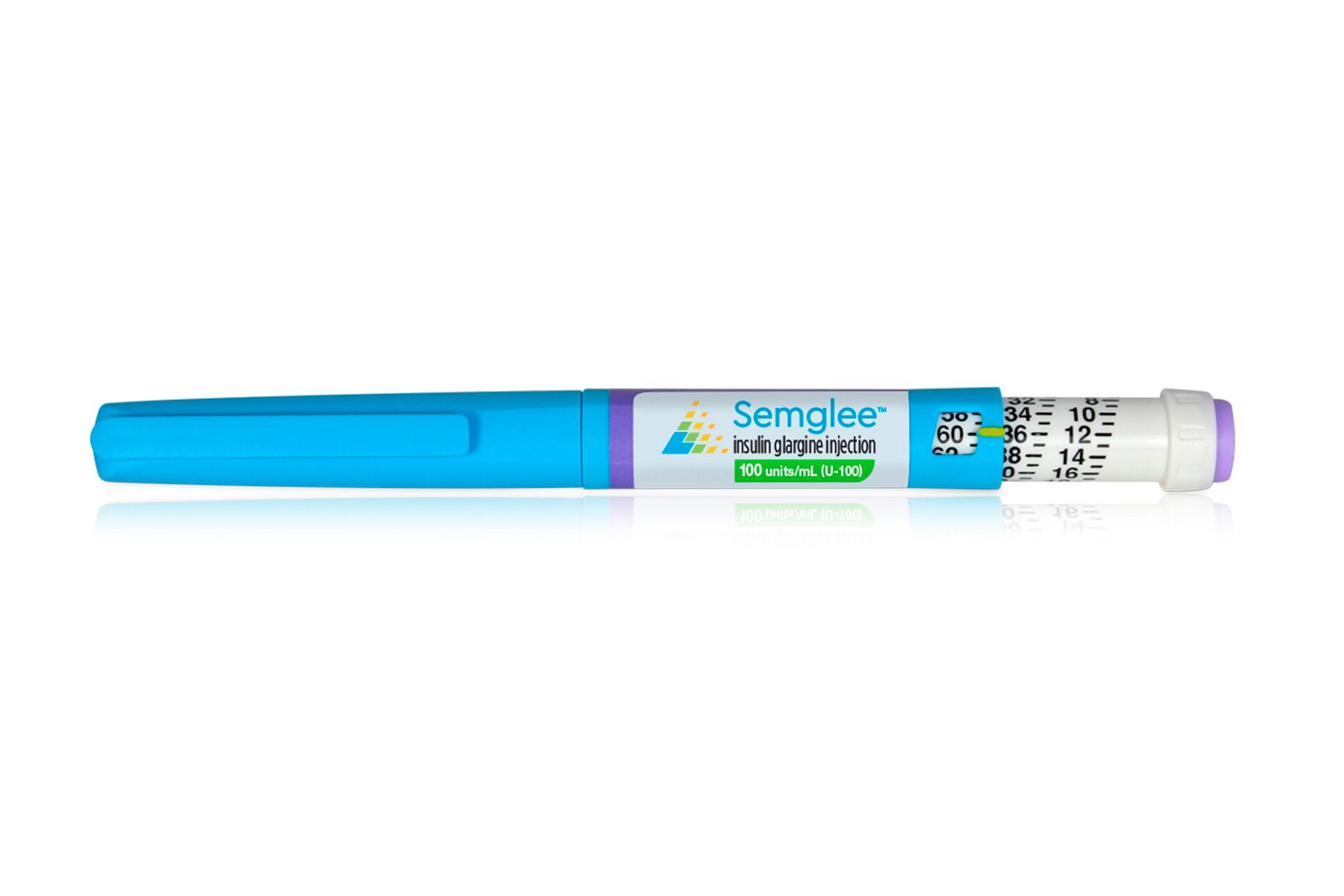
U.S. regulators have taken action that will make it easier to get a cheaper and similar version of a brand-name insulin at the drugstore.
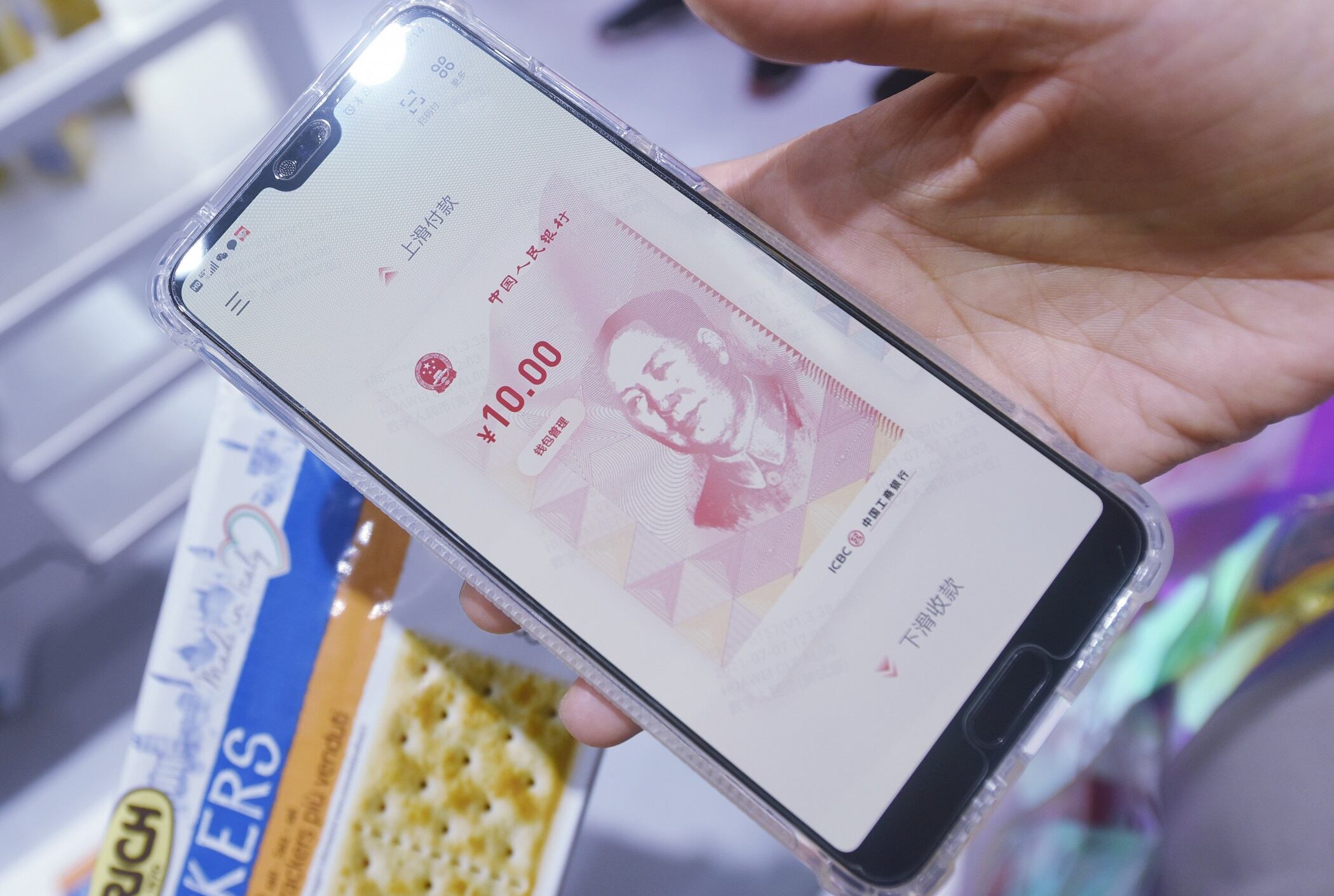
A new interactive tracker from the Atlantic Council shows that 81 countries are at some stage of development with a central bank digital currency, but the U.S. is notably absent from its list of frontrunners.
Fueled by vaccinations and government aid, the U.S. economy grew at a solid 6.5% annual rate last quarter in the clearest sign to date that the nation has achieved a sustained recovery from the pandemic recession.
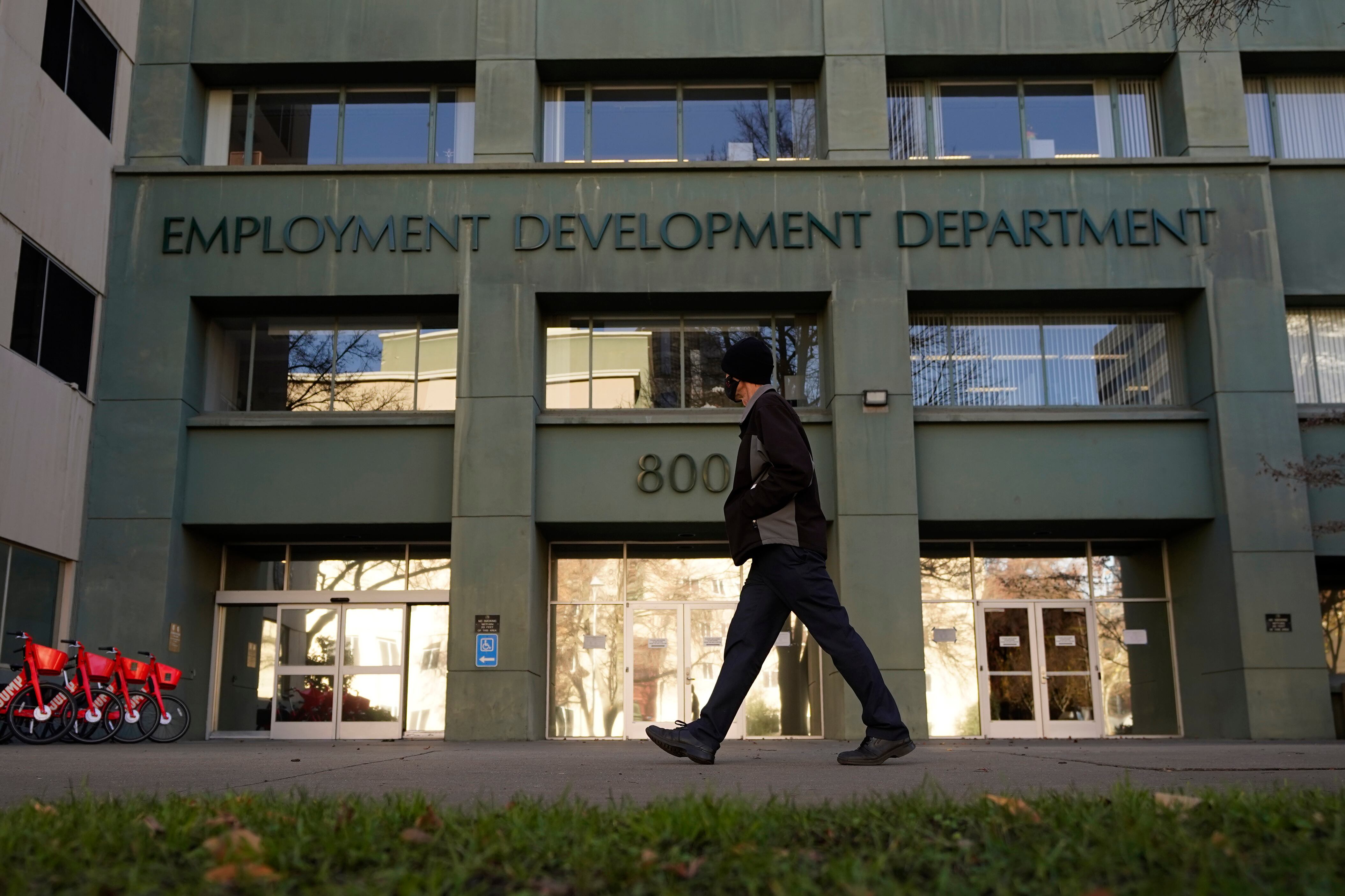
The number of Americans collecting unemployment benefits slid last week, another sign that the job market continues to recover rapidly from the coronavirus recession.