By Fatima Hussein
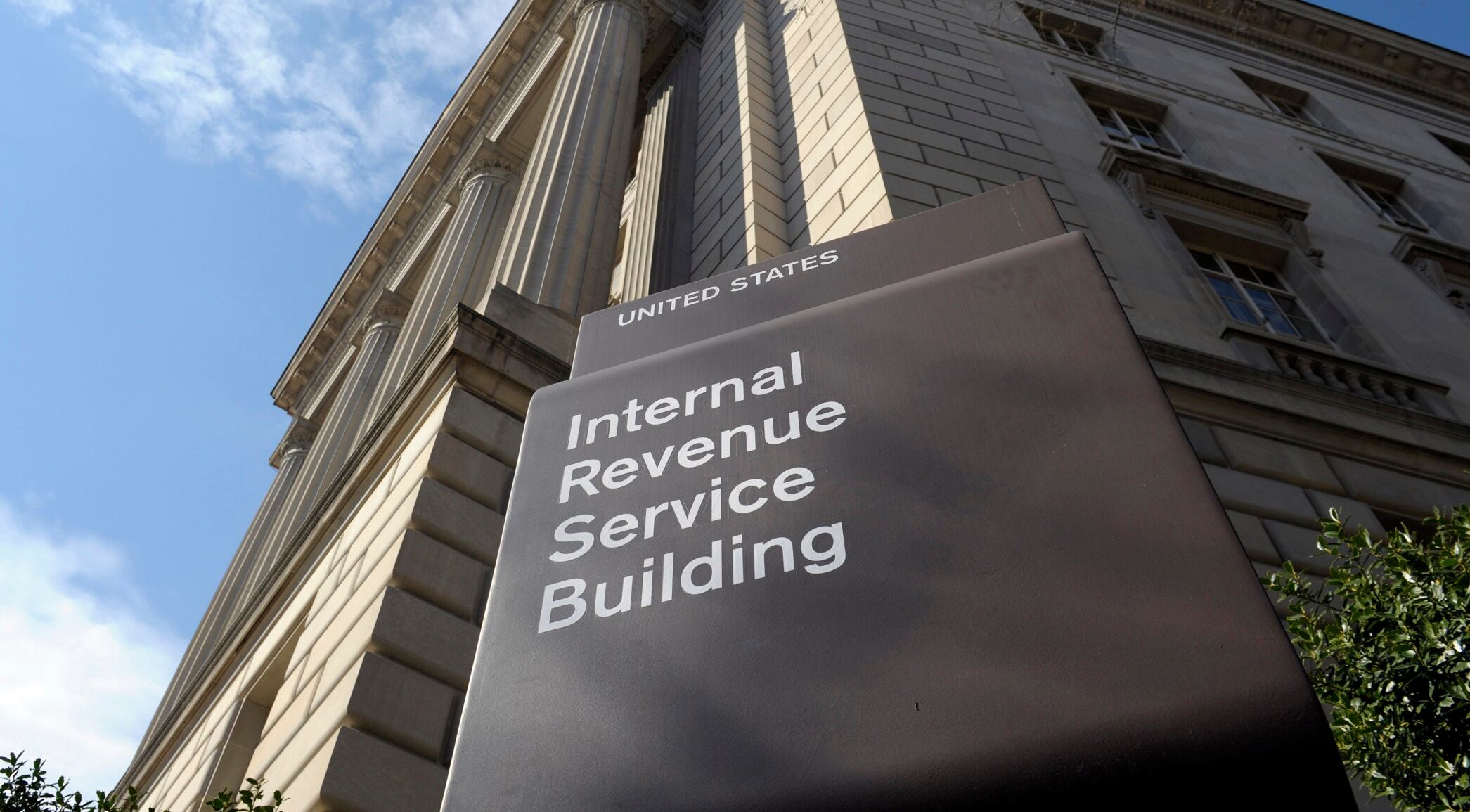
The IRS said Monday it will suspend the use of facial recognition technology to authenticate people who create online accounts after the practice was criticized by privacy advocates and lawmakers.
The agency said it would no longer use a third-party service, called ID.me, for facial recognition. Critics of the software said the database could become a target for cyberthreats. They also expressed concern about how the information could be used by other government agencies, among other concerns.
Earlier Monday, Senate Finance Committee Chair Ron Wyden, D-Ore., called on the agency to end its use of the ID.me software. After the IRS announced the practice would be suspended, Wyden said "the Treasury Department has made the smart decision to direct the IRS to transition away from using the controversial ID.me verification service.”
"No one should be forced to submit to facial recognition to access critical government services,” he added.
The IRS is currently grappling with a worker shortage and an expanded workload from processing tax filings and administering pandemic-related programs. Legislation that would have given the agency billions of dollars to more expeditiously process returns is stalled.
“The IRS takes taxpayer privacy and security seriously, and we understand the concerns that have been raised,” said IRS Commissioner Chuck Rettig.
“Everyone should feel comfortable with how their personal information is secured, and we are quickly pursuing short-term options that do not involve facial recognition.”
The agency said the transition would occur “over the coming weeks in order to prevent larger disruptions to taxpayers during filing season.”
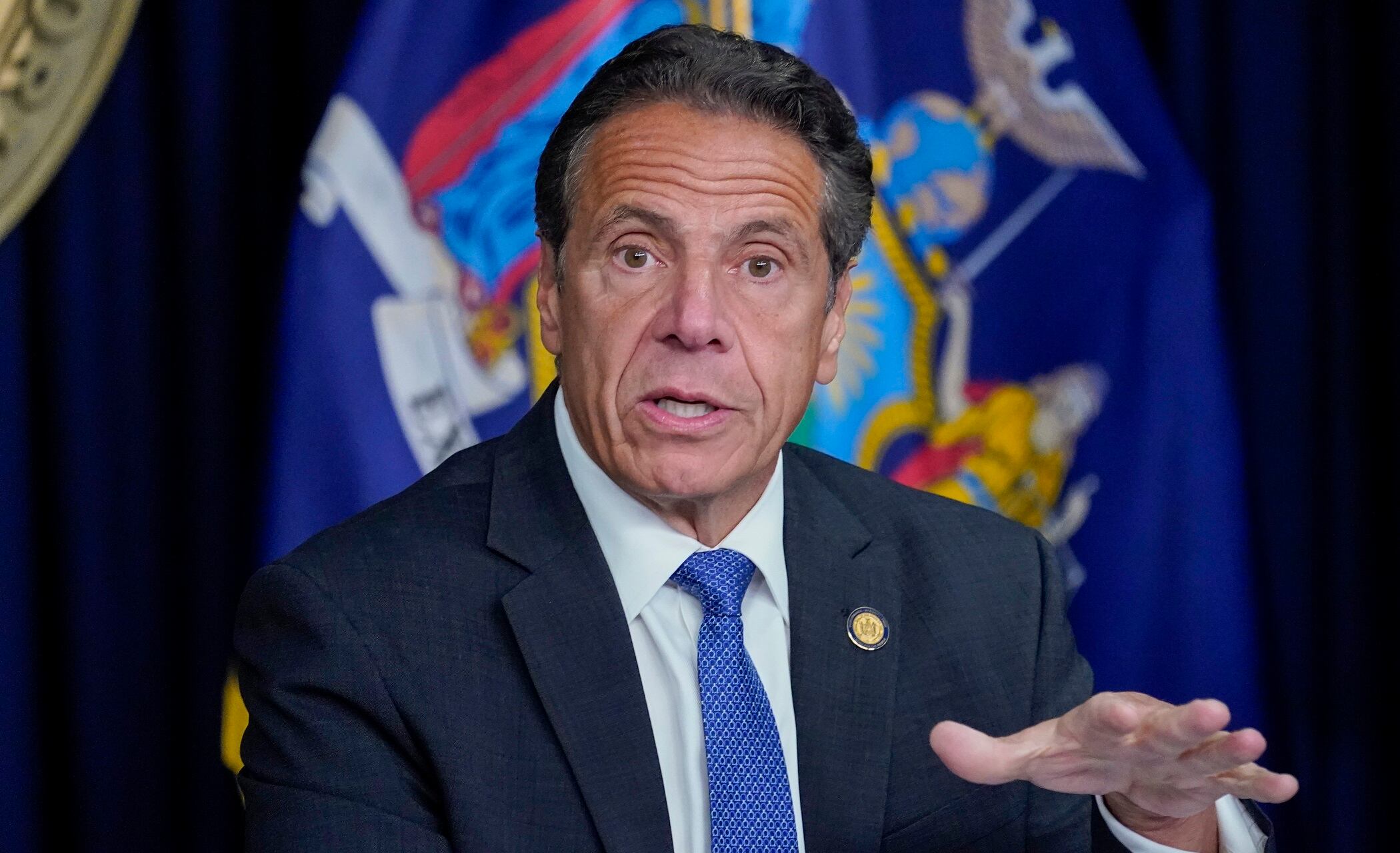
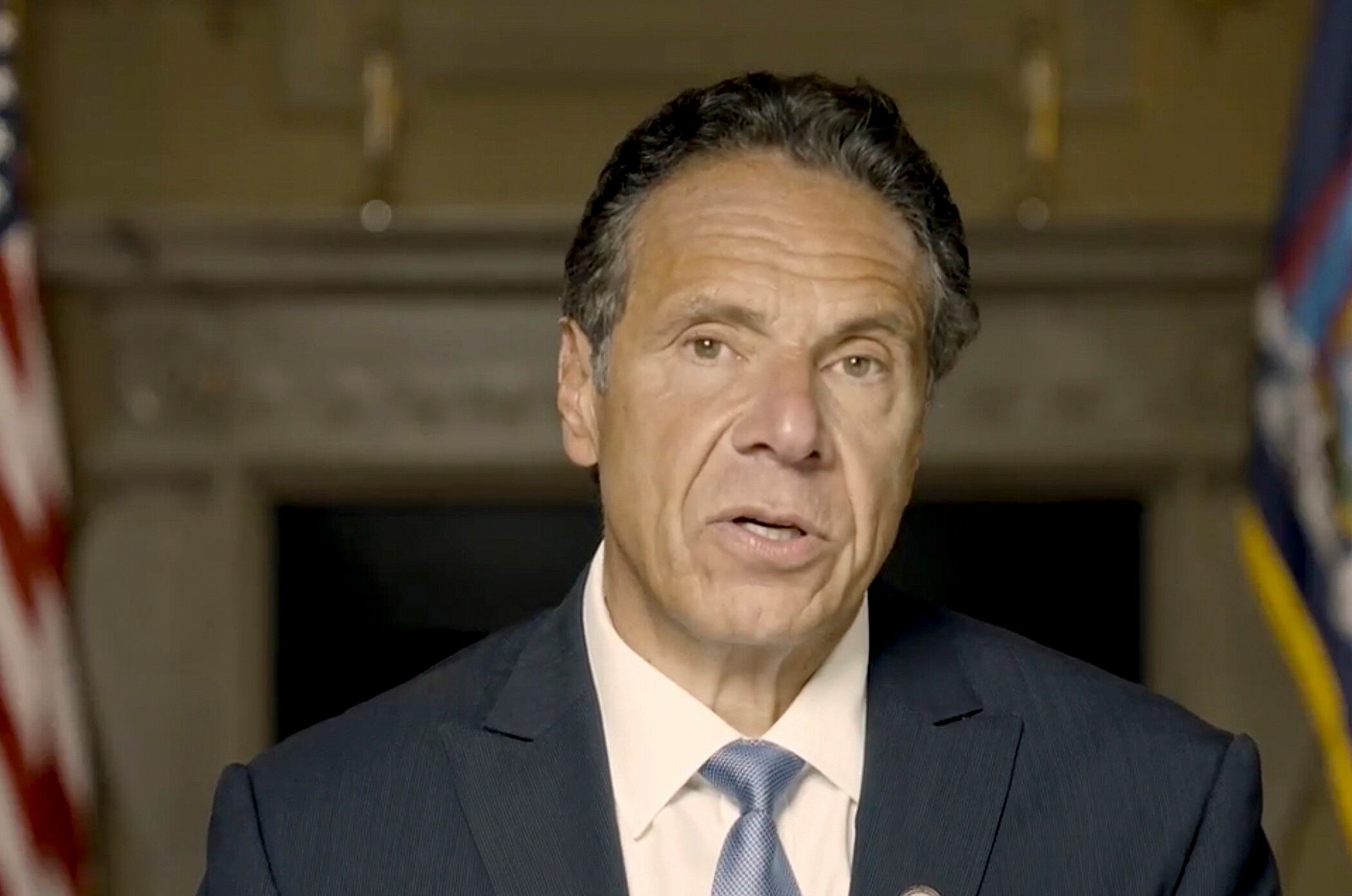
The Albany County Sheriff’s office says a woman who accused Gov. Andrew Cuomo of groping her breast at the New York governor’s state residence has filed a criminal complaint against him.
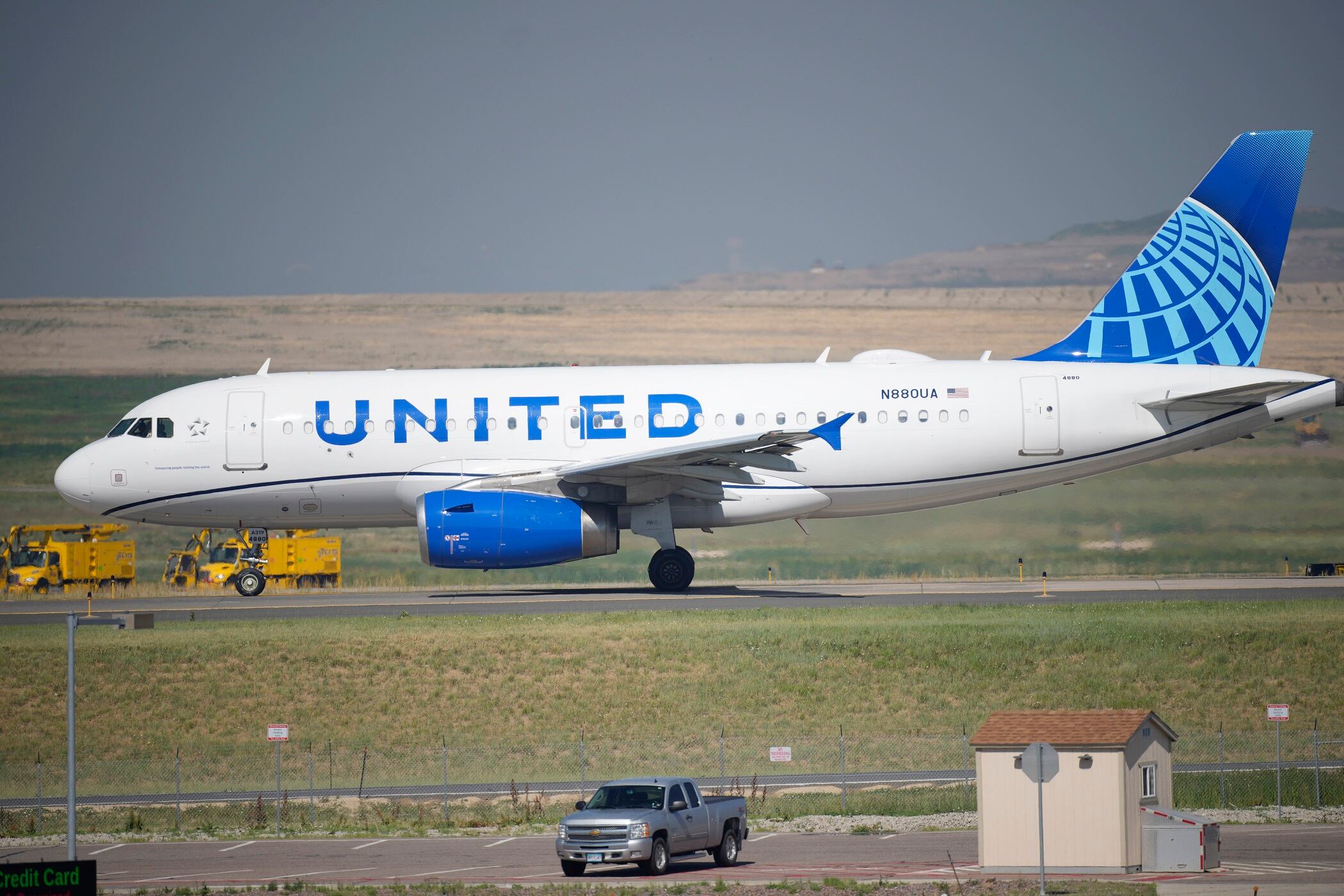
United Airlines will require U.S.-based employees to be vaccinated against COVID-19 by late October, and maybe sooner.
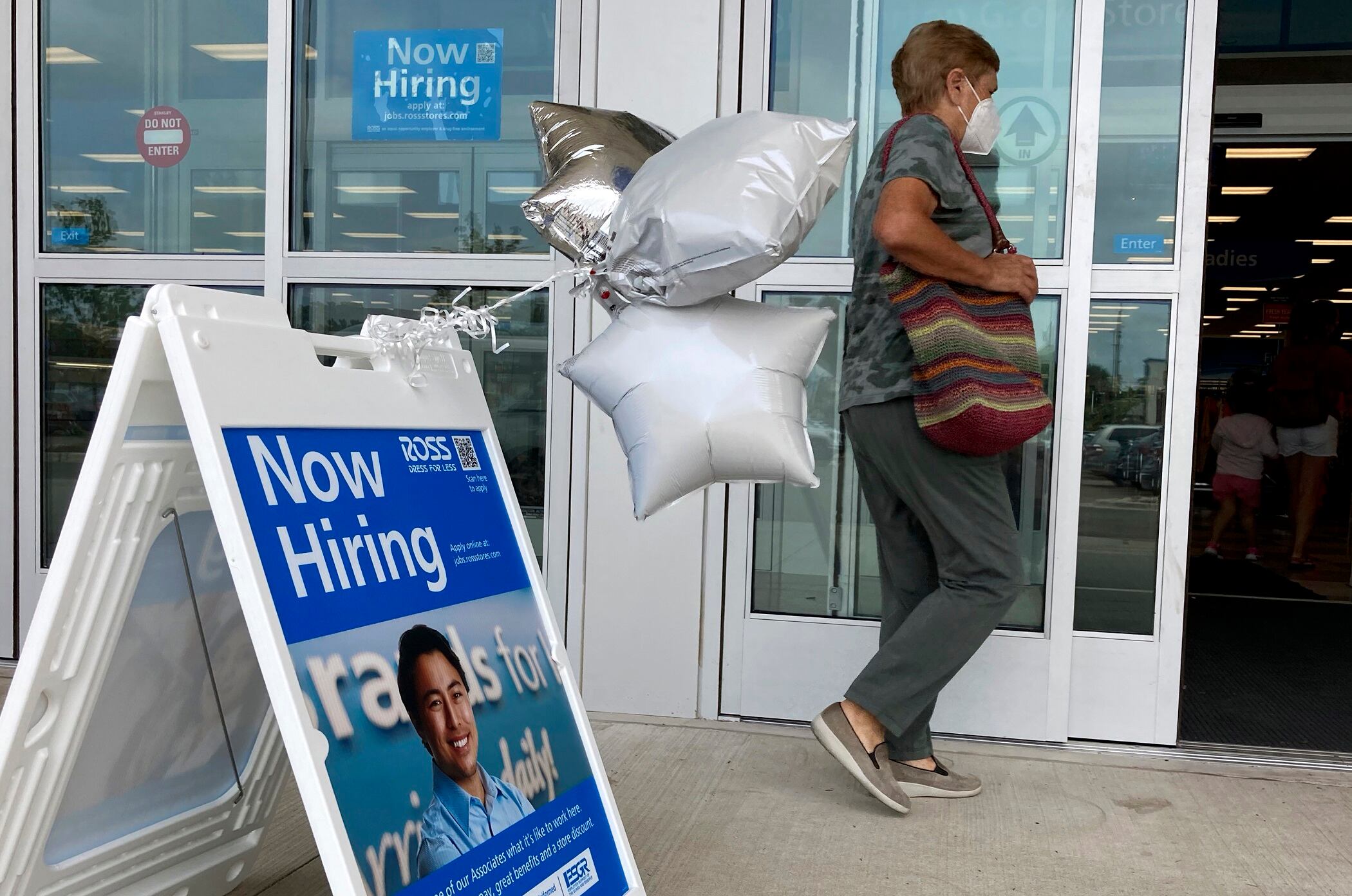
Hiring surged in July as American employers added 943,000 jobs.
State lawmakers are telling New York Gov. Andrew Cuomo that their ongoing impeachment investigation is “nearing completion” and gave him a deadline of Aug. 13 to provide additional evidence.
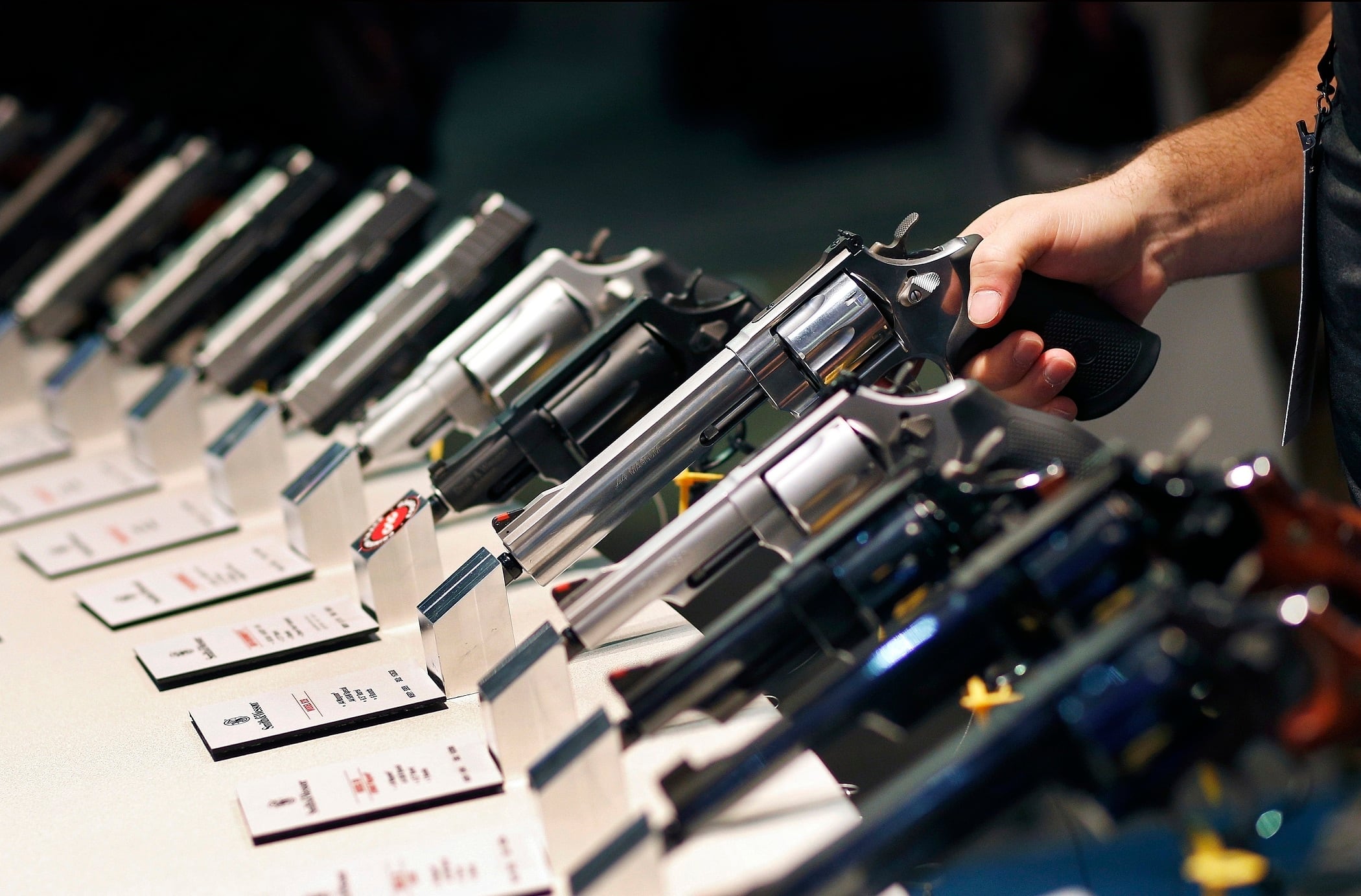
The Mexican government is suing U.S. gun manufacturers and distributors, arguing that their commercial practices have unleashed tremendous bloodshed in Mexico.
The number of Americans applying for unemployment benefits fell last week by 14,000 to 385,000 more evidence that the economy and the job market are rebounding briskly from the coronavirus recession.
The White House will be requiring incoming travelers to the U.S. to be vaccinated., Gov. Cuomo is potentially looking at criminal charges, and Jeopardy! might be heading in a surprise direction for a new host.
The Biden administration wants automakers to raise gas mileage and cut tailpipe pollution between now and model year 2026. It also has won a voluntary commitment from the industry that electric vehicles would make up roughly half of U.S. sales by 2030.
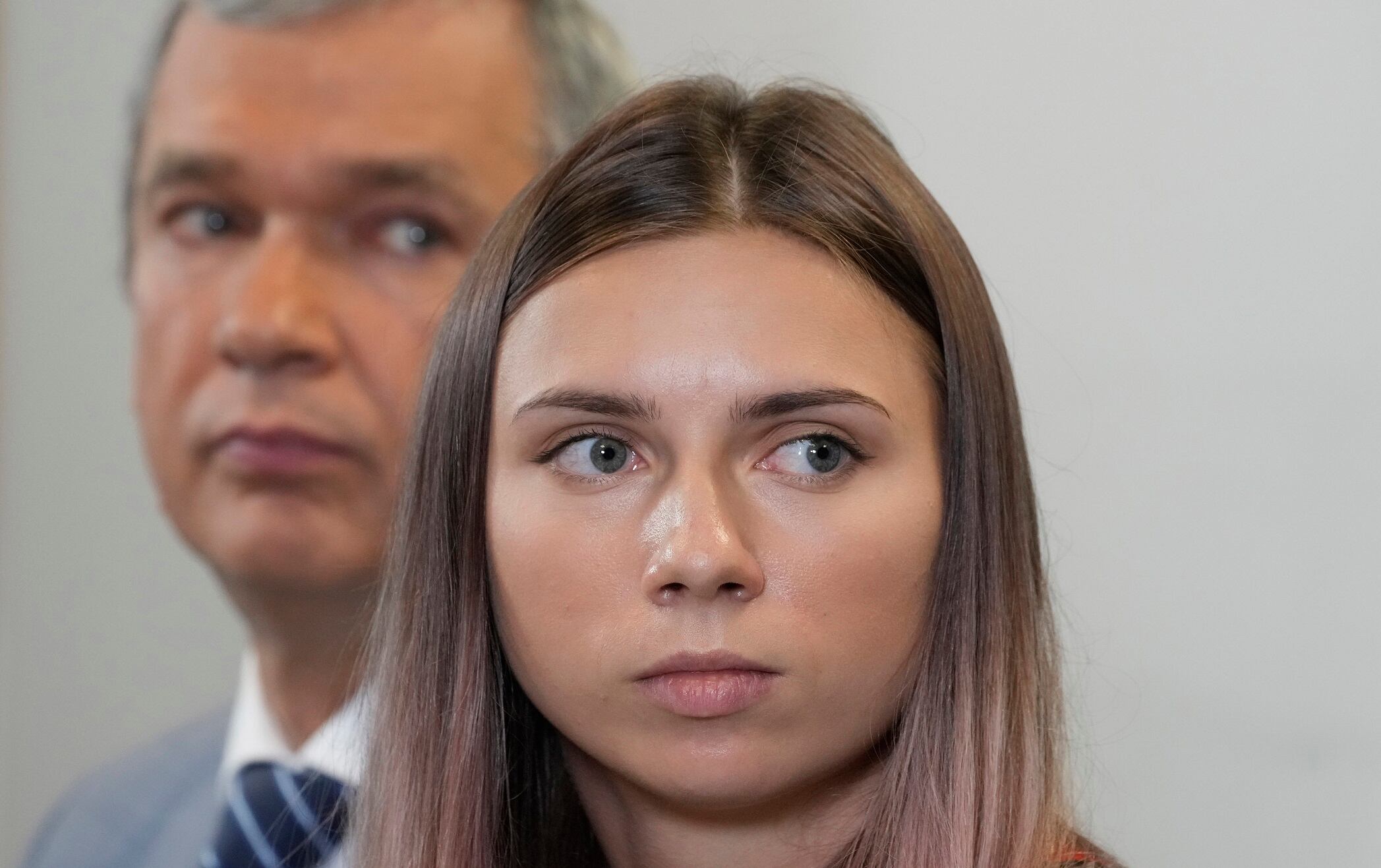
A Belarusian Olympic sprinter who criticized her coaches at the Tokyo Games said Thursday that she showed police at the airport a translated plea for help on her phone as she tried to avoid being put on a plane back home.
The State Department says it's looking into the apparent disappearance of a nearly $6,000 bottle of whisky given more than two years ago to then-Secretary of State Mike Pompeo by the government of Japan.