By Fatima Hussein
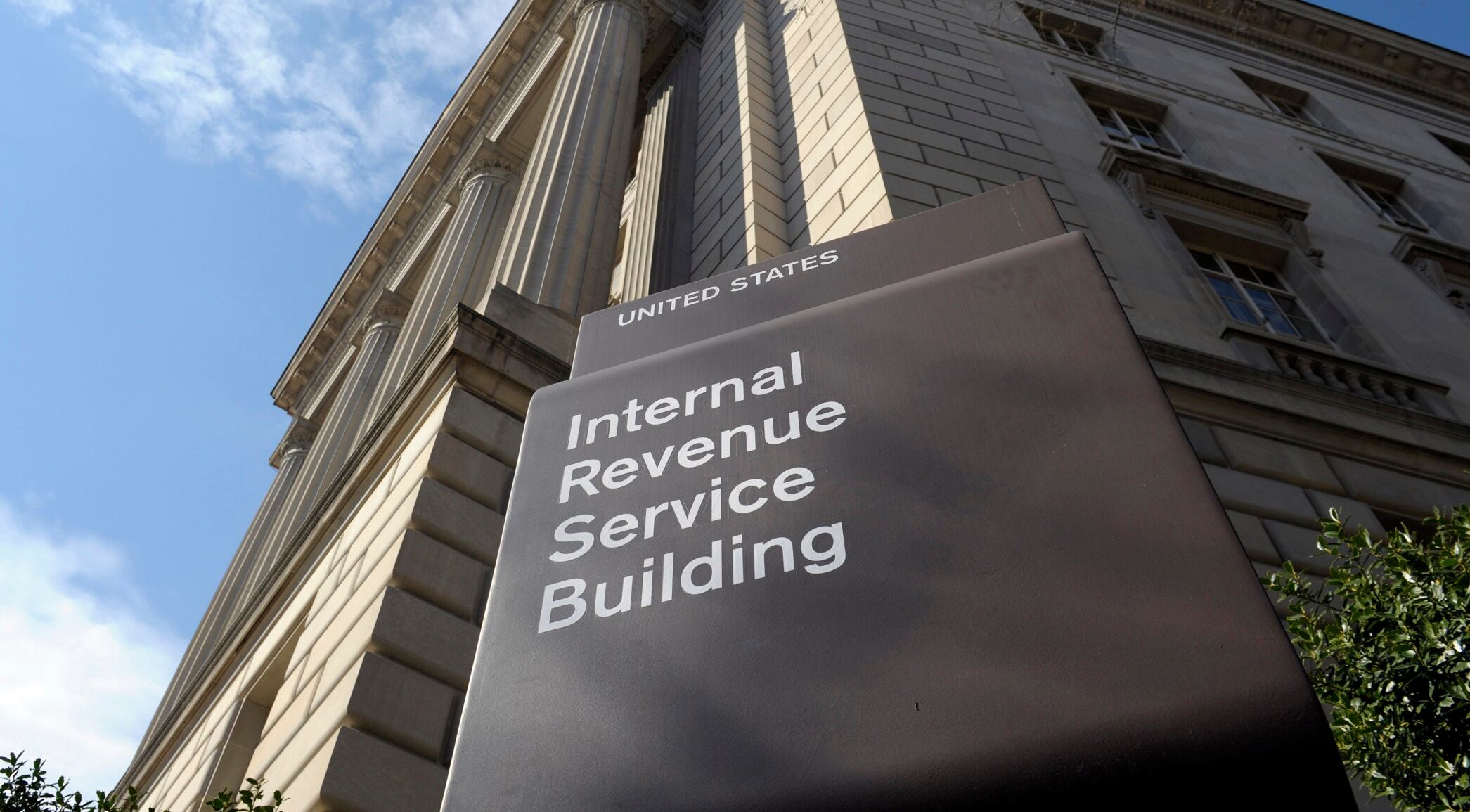
The IRS said Monday it will suspend the use of facial recognition technology to authenticate people who create online accounts after the practice was criticized by privacy advocates and lawmakers.
The agency said it would no longer use a third-party service, called ID.me, for facial recognition. Critics of the software said the database could become a target for cyberthreats. They also expressed concern about how the information could be used by other government agencies, among other concerns.
Earlier Monday, Senate Finance Committee Chair Ron Wyden, D-Ore., called on the agency to end its use of the ID.me software. After the IRS announced the practice would be suspended, Wyden said "the Treasury Department has made the smart decision to direct the IRS to transition away from using the controversial ID.me verification service.”
"No one should be forced to submit to facial recognition to access critical government services,” he added.
The IRS is currently grappling with a worker shortage and an expanded workload from processing tax filings and administering pandemic-related programs. Legislation that would have given the agency billions of dollars to more expeditiously process returns is stalled.
“The IRS takes taxpayer privacy and security seriously, and we understand the concerns that have been raised,” said IRS Commissioner Chuck Rettig.
“Everyone should feel comfortable with how their personal information is secured, and we are quickly pursuing short-term options that do not involve facial recognition.”
The agency said the transition would occur “over the coming weeks in order to prevent larger disruptions to taxpayers during filing season.”
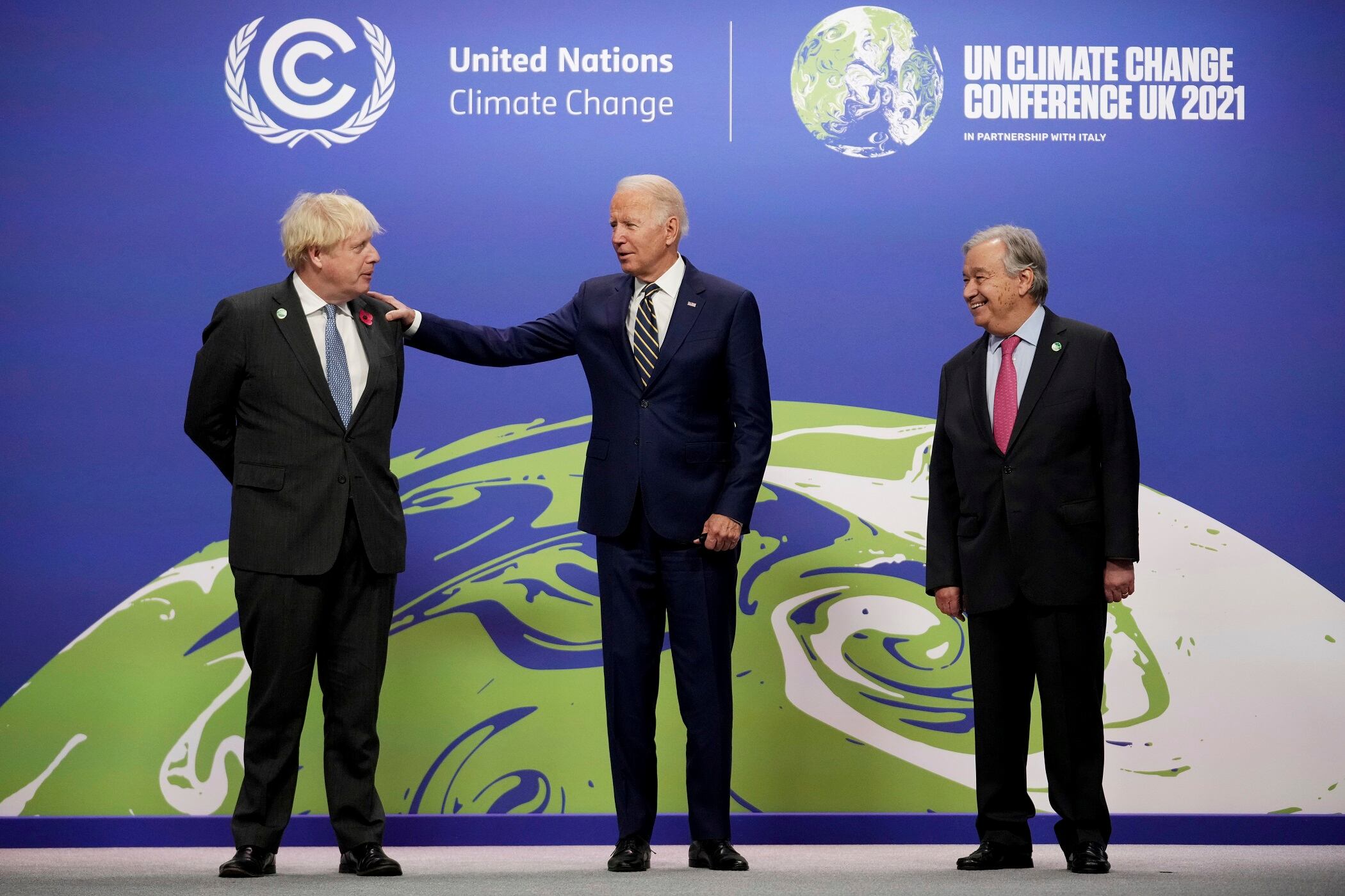
British Prime Minister Boris Johnson has opened a global climate summit, saying the world is strapped to a “doomsday device.”
Activists are getting a boost from CrowdLobby to press legislators to expand New York's Good Samaritan Law to teach high school students about being proactive in saving their peers from potentially dying of a drug overdose.
The United States has issued its first passport with an “X” gender designation for people who don’t identify as male or female.
A group of prominent academics and activists are calling on banks and insurers to avoid the kind of systemic collapse that crippled the world economy back in 2008.
Last spring, as false claims about vaccine safety threatened to undermine the world's response to COVID-19, researchers at Facebook found they could reduce vaccine misinformation by tweaking how vaccine posts show up on users' newsfeeds.
New York City's first immersive cannabis experience, The Stone Age, is seeking to change the narrative about cannabis, just in time for legalization.
The U.N. weather agency says greenhouse gas concentrations hit a new record high last year and increased at a faster rate than the annual average for the last decade.
Facebook the company is losing control of Facebook the product — and of the carefully crafted image it’s spent over a decade selling despite problems like misinformation, human trafficking, and pervasive extremist groups on its platform.
The Supreme Court is allowing the Texas law that bans most abortions to remain in place for now but has agreed to hear arguments in the case on Nov. 1.
Some investors aren’t waiting to see if former President Donald Trump’s plans for a media company to challenge the likes of Facebook, Twitter and even Disney can actually become reality — they’re all in.