By Fatima Hussein
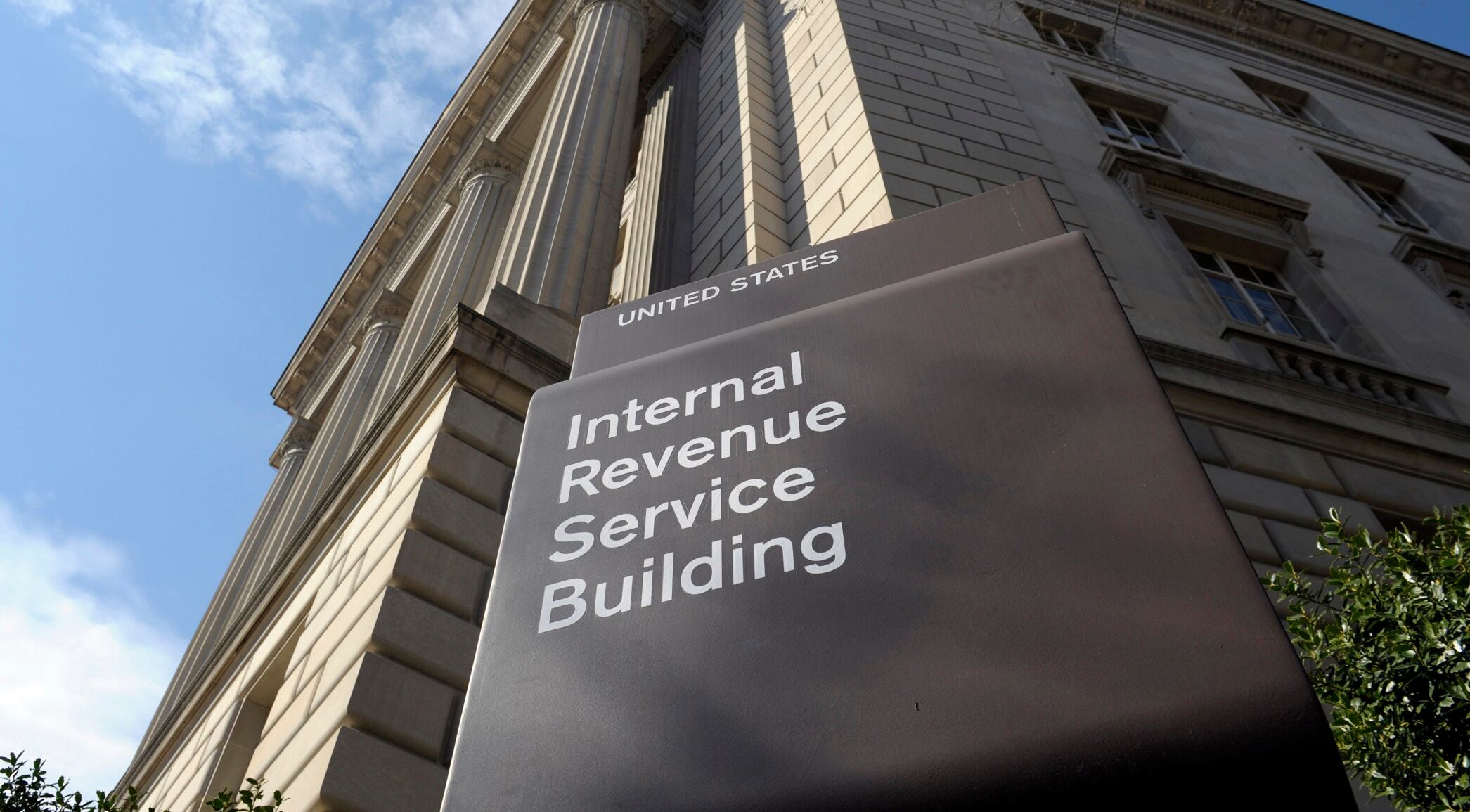
The IRS said Monday it will suspend the use of facial recognition technology to authenticate people who create online accounts after the practice was criticized by privacy advocates and lawmakers.
The agency said it would no longer use a third-party service, called ID.me, for facial recognition. Critics of the software said the database could become a target for cyberthreats. They also expressed concern about how the information could be used by other government agencies, among other concerns.
Earlier Monday, Senate Finance Committee Chair Ron Wyden, D-Ore., called on the agency to end its use of the ID.me software. After the IRS announced the practice would be suspended, Wyden said "the Treasury Department has made the smart decision to direct the IRS to transition away from using the controversial ID.me verification service.”
"No one should be forced to submit to facial recognition to access critical government services,” he added.
The IRS is currently grappling with a worker shortage and an expanded workload from processing tax filings and administering pandemic-related programs. Legislation that would have given the agency billions of dollars to more expeditiously process returns is stalled.
“The IRS takes taxpayer privacy and security seriously, and we understand the concerns that have been raised,” said IRS Commissioner Chuck Rettig.
“Everyone should feel comfortable with how their personal information is secured, and we are quickly pursuing short-term options that do not involve facial recognition.”
The agency said the transition would occur “over the coming weeks in order to prevent larger disruptions to taxpayers during filing season.”
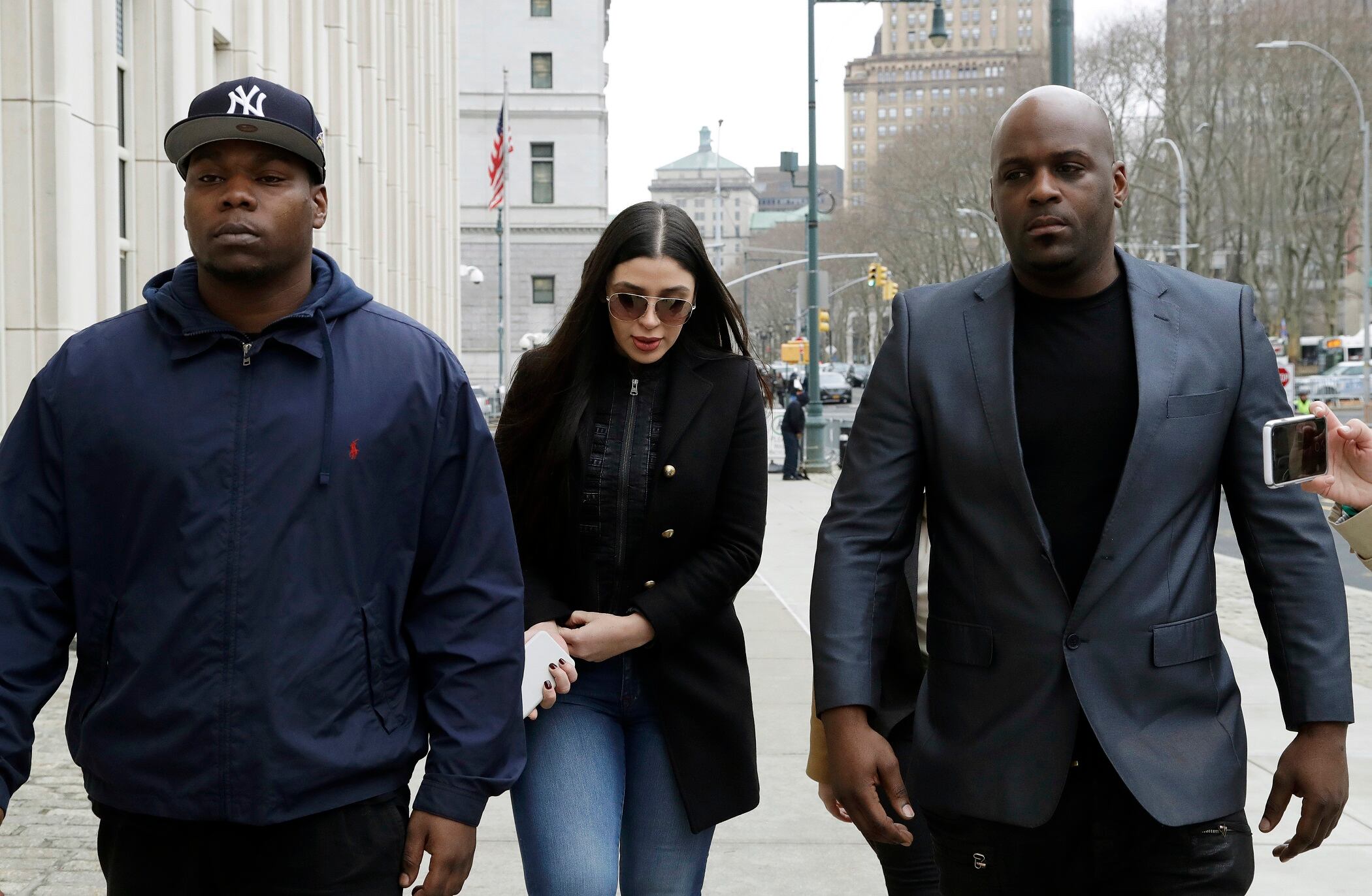
The wife of Mexican drug kingpin Joaquin “El Chapo” Guzman was sentenced Tuesday to three years in prison after pleading guilty to helping her husband run his multibillion-dollar criminal empire.
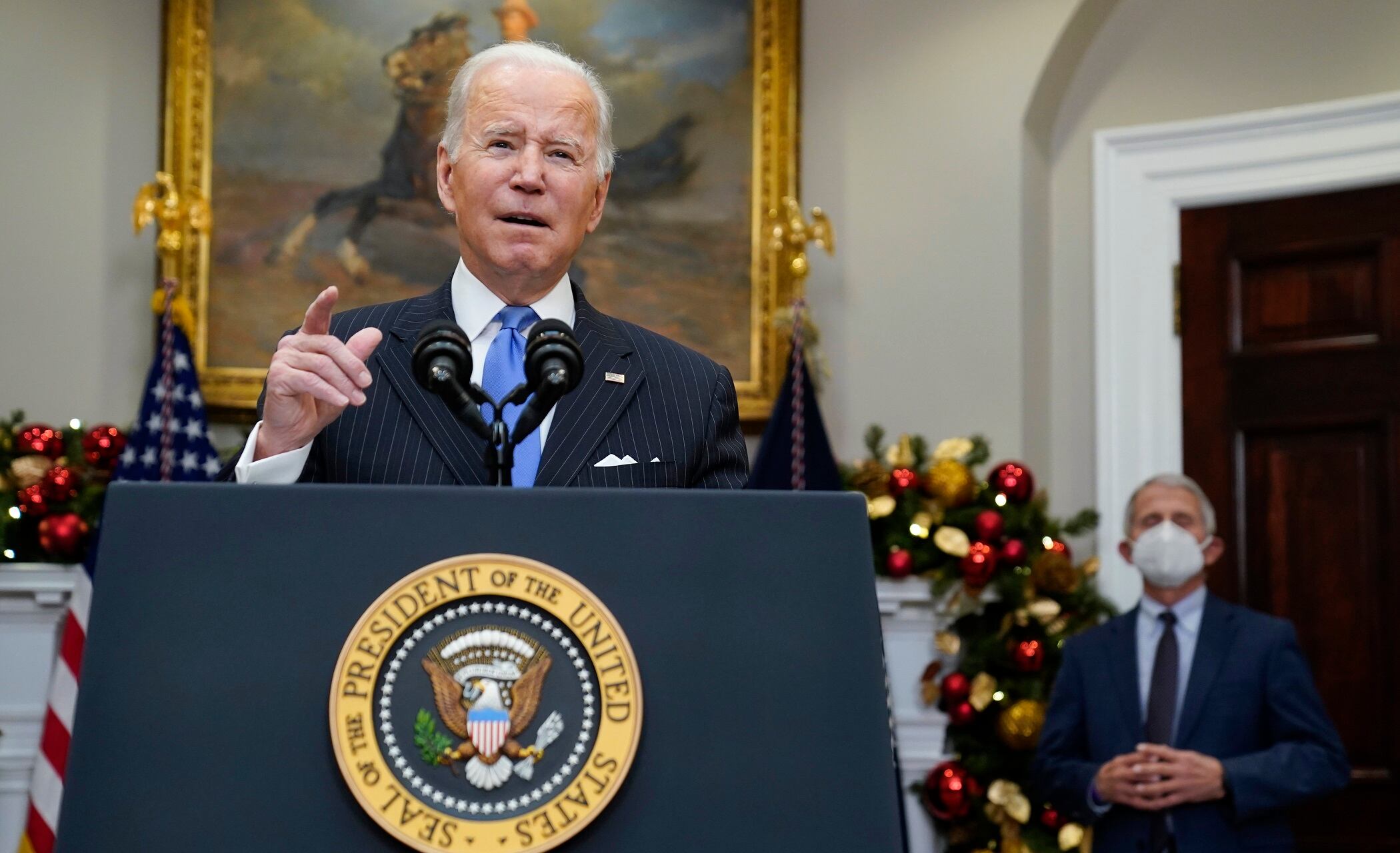
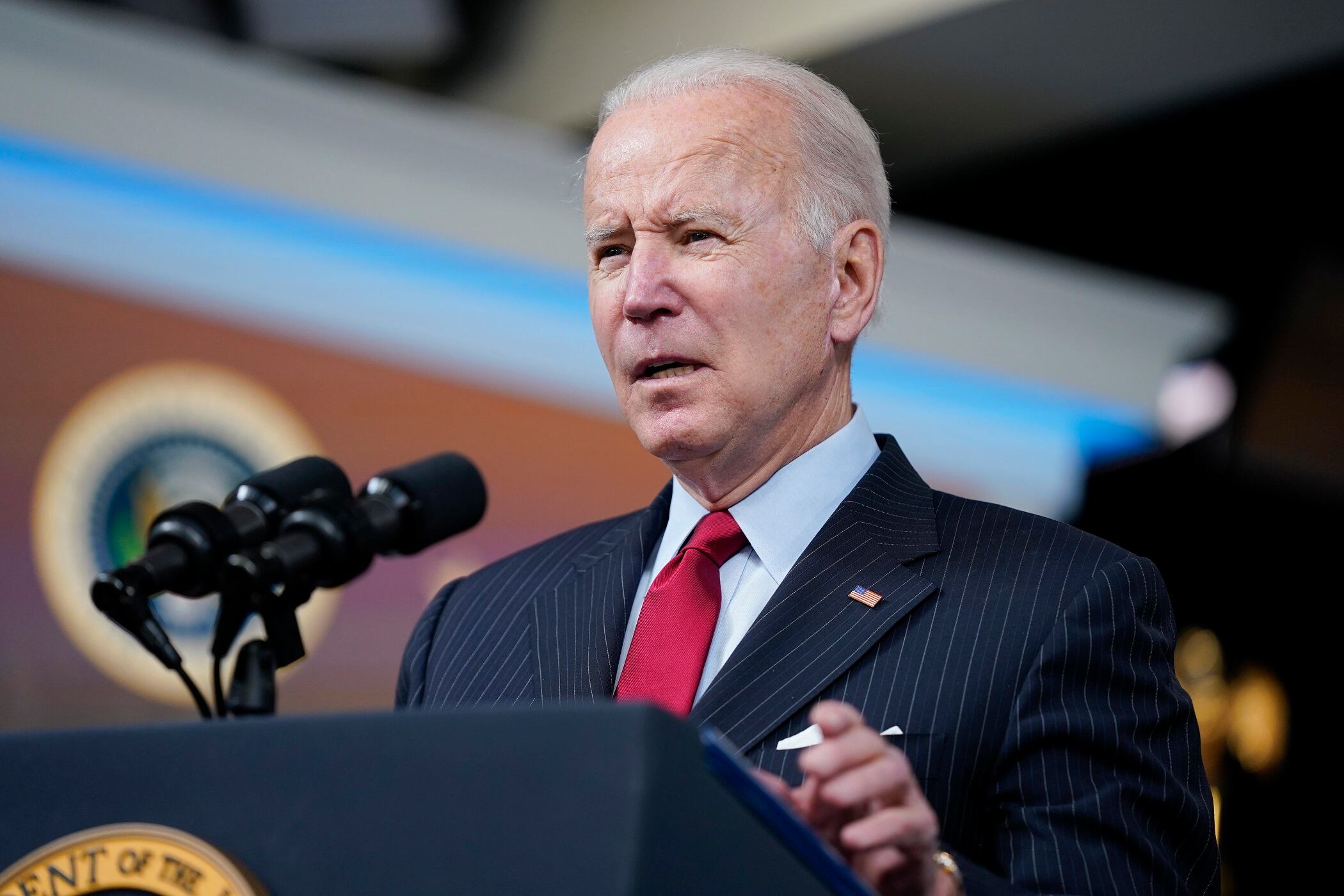
President Joe Biden is urging Americans to get vaccinated, including booster shots, as he seeks to quell concerns over the newly identified coronavirus variant named omicron.
The Treasury Department pushed for the requirement to help close the tax gap in the crypto industry by forcing better IRS reporting, but legislators on both sides of the aisle argue that the language is too broad and could curb innovation in the space.
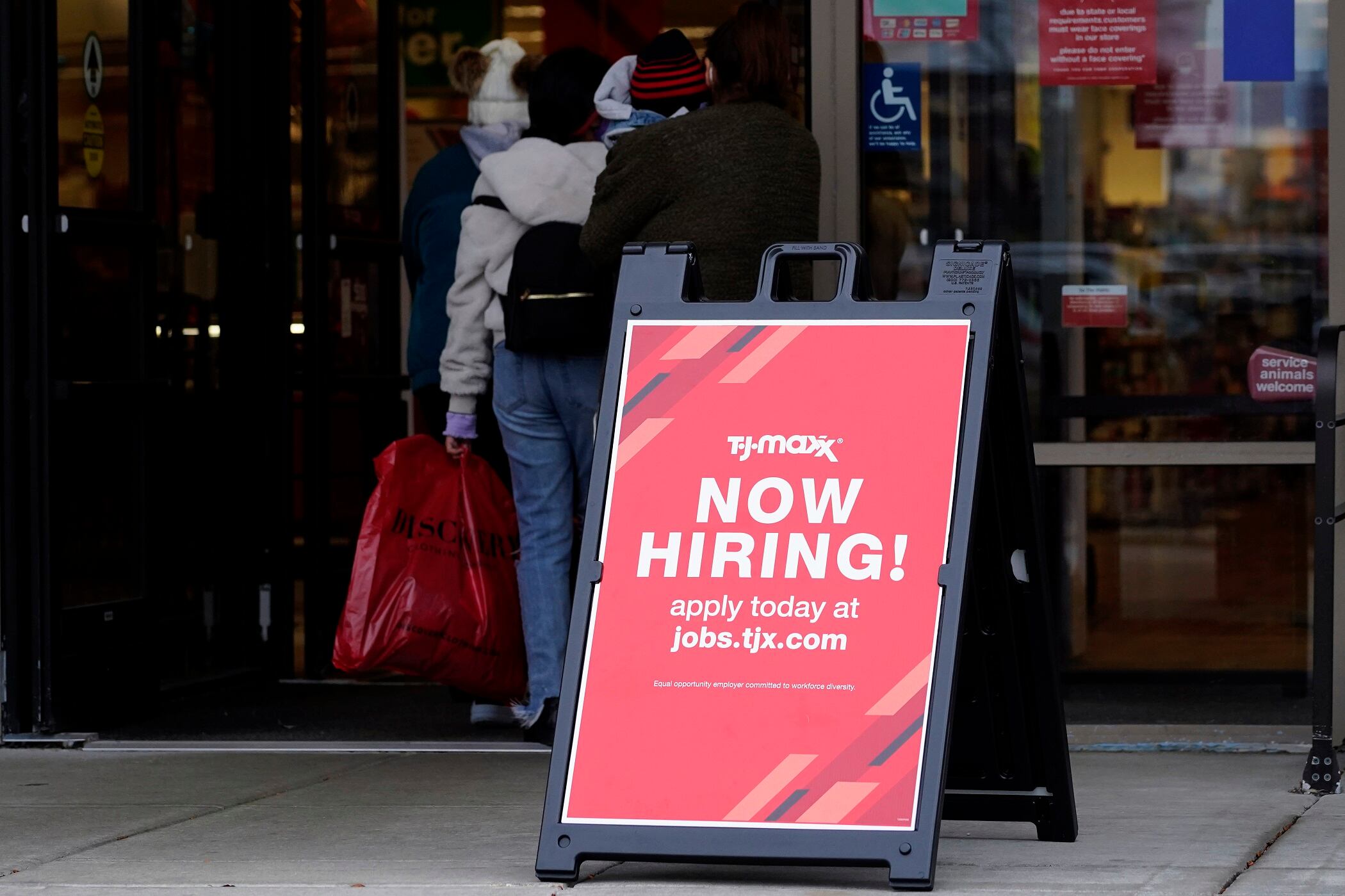
The number of Americans applying for unemployment benefits plummeted last week to the lowest level in more than half a century, another sign that the U.S. job market is rebounding rapidly from last year’s coronavirus recession.
Federal officials said Monday they are seeking more than $160,000 in fines from eight airline passengers over incidents involving alcohol.
President Joe Biden is ordering a record-setting 50 million barrels of oil released from America's strategic reserve to help bring down energy costs.
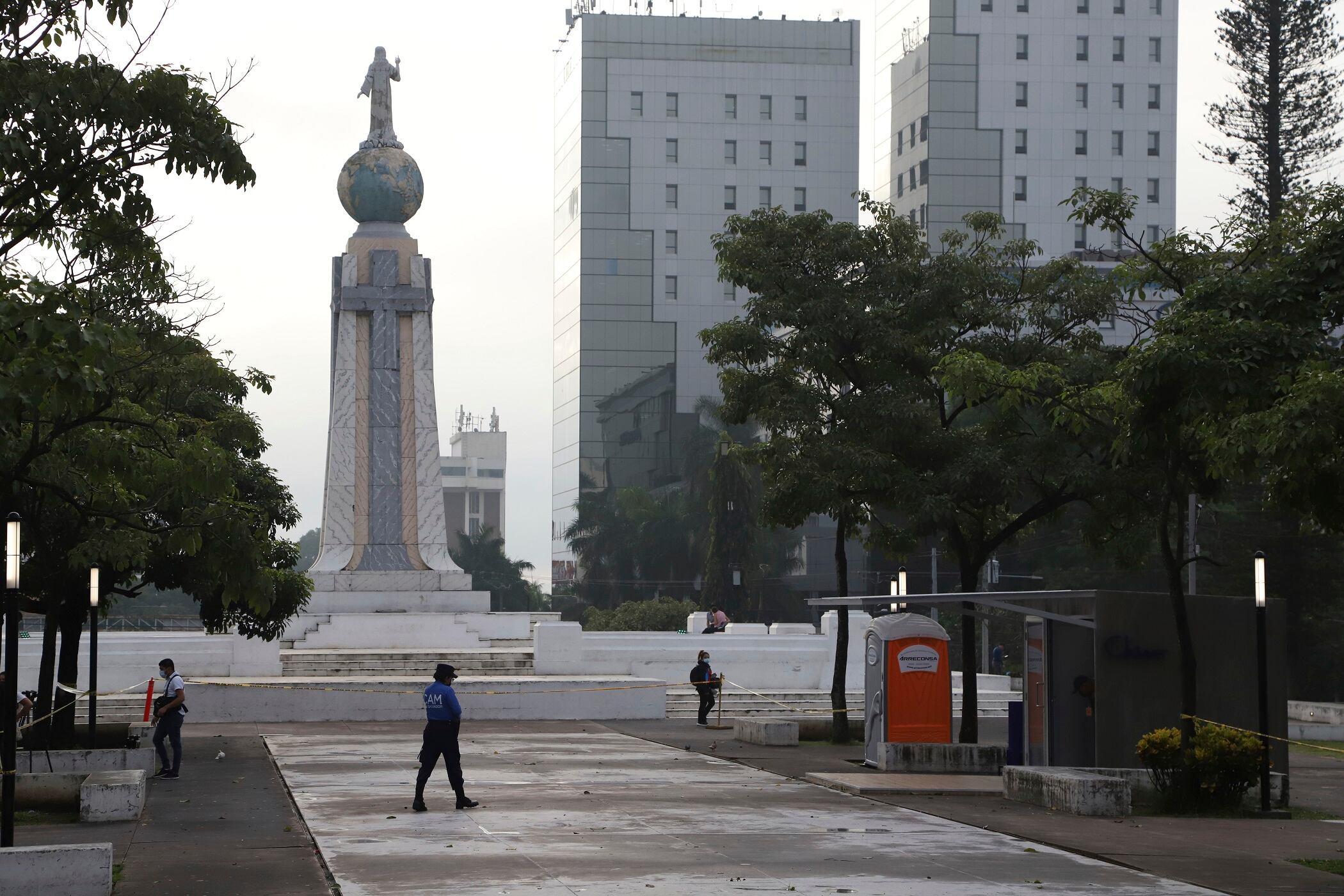
El Salvador President Nayib Bukele says his government will build an oceanside “Bitcoin City” at the base of a volcano.
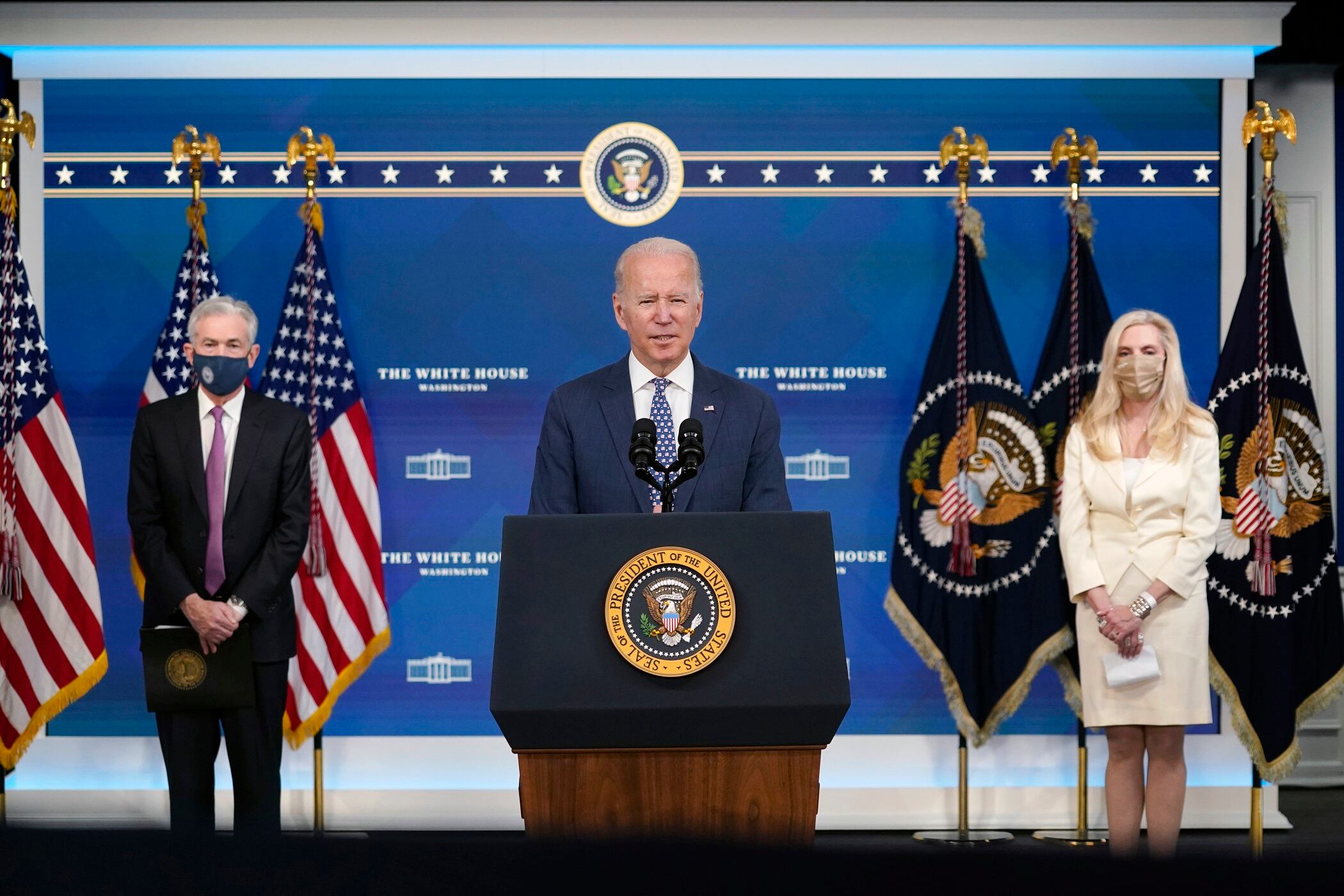
President Joe Biden announced he’s nominating Jerome Powell for a second term as Federal Reserve chair, endorsing Powell’s stewardship of the economy through a brutal pandemic recession.
From Wall Street to Silicon Valley, these are the top stories that moved markets and had investors, business leaders, and entrepreneurs talking this week on Cheddar.
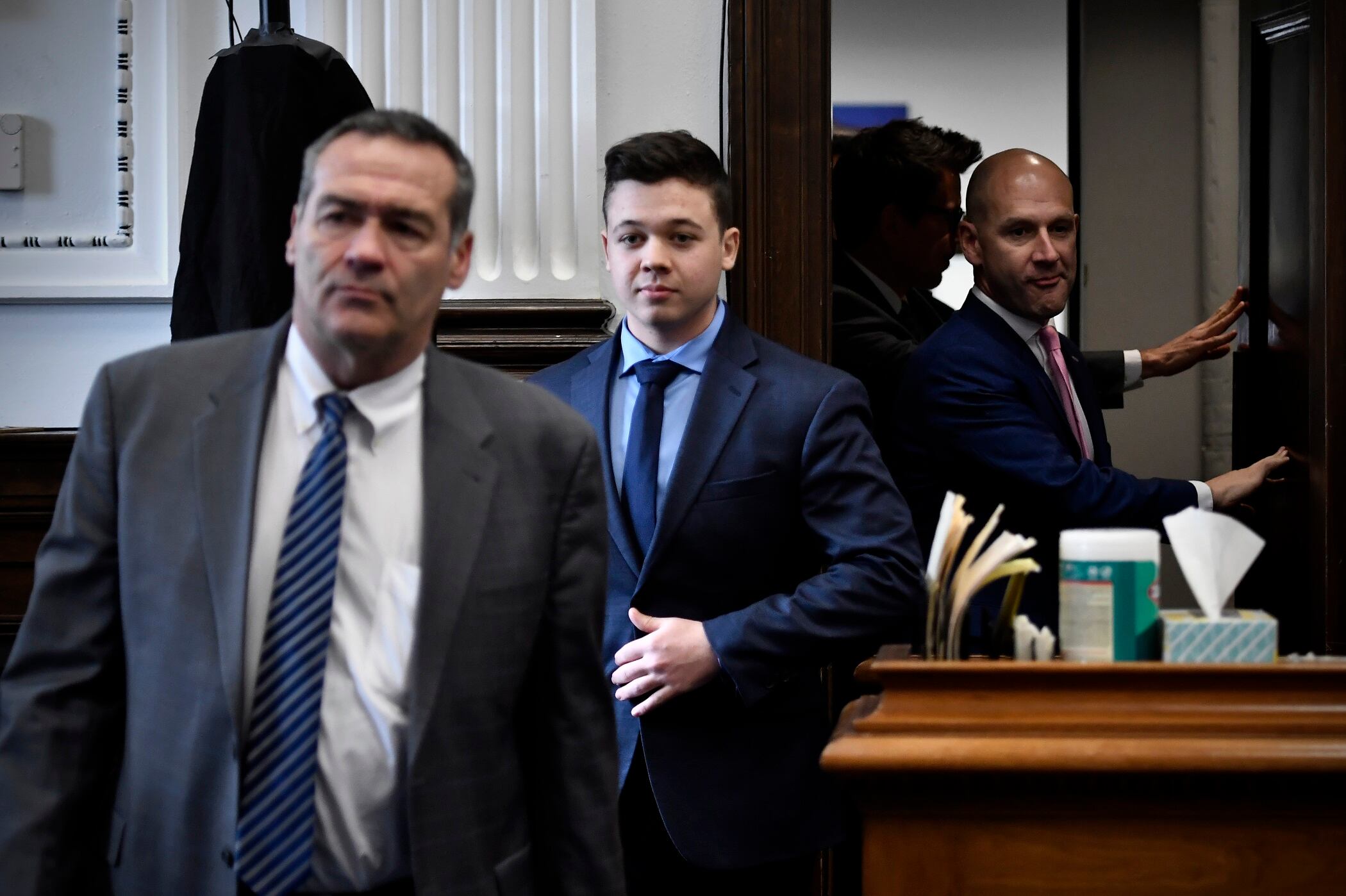
Kyle Rittenhouse has been acquitted of all charges after pleading self-defense in the deadly Kenosha, Wisconsin, shootings that became a flashpoint in the nation’s debate over guns, vigilantism and racial injustice.