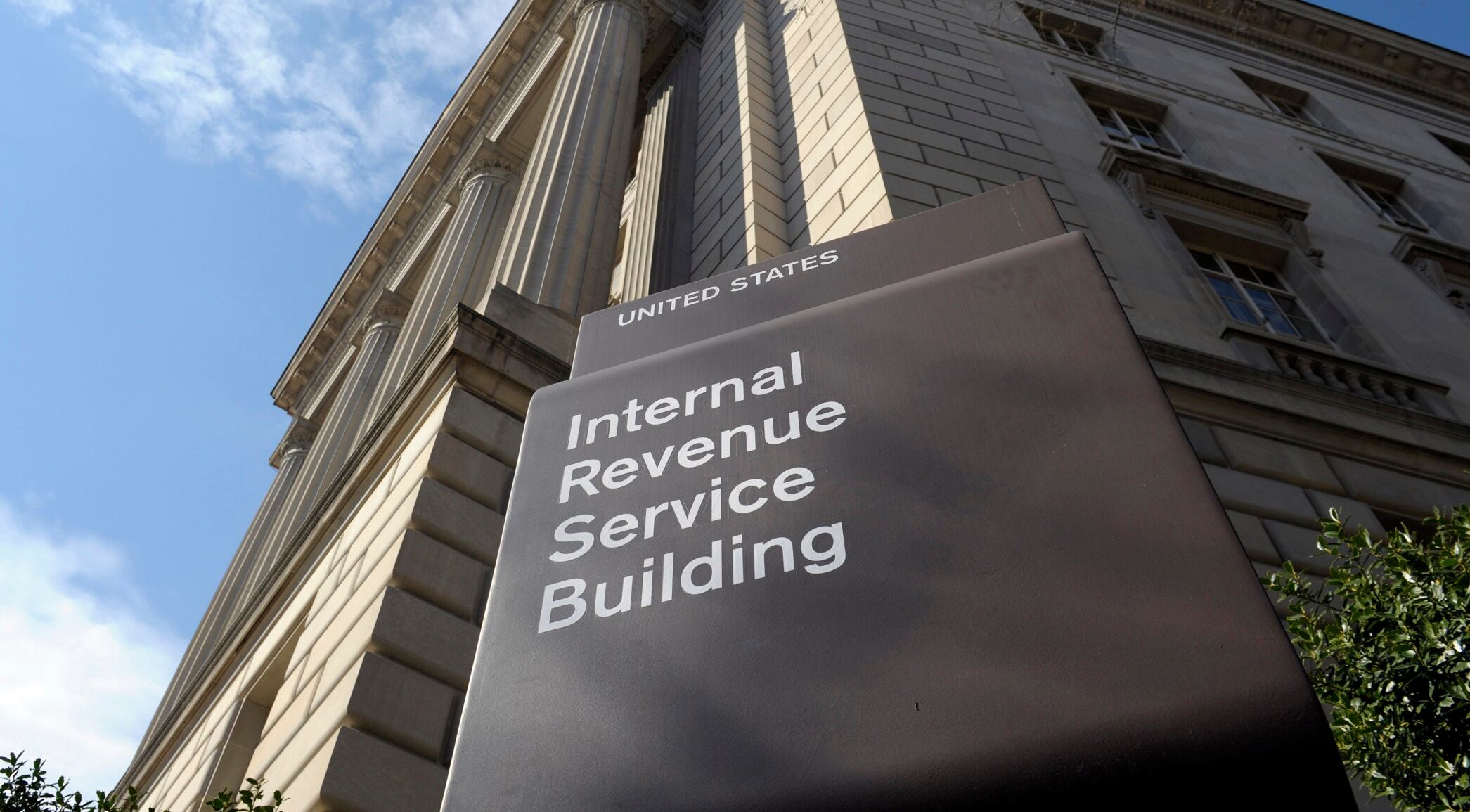
In this photo March 22, 2013, photo, the exterior of the Internal Revenue Service (IRS) building in Washington. The IRS sys it will stop using facial recognition technology to authenticate people who create online accounts after the practice came under criticism from privacy advocates and lawmakers (AP Photo/Susan Walsh, File)
By Fatima Hussein
The IRS said Monday it will suspend the use of facial recognition technology to authenticate people who create online accounts after the practice was criticized by privacy advocates and lawmakers.
The agency said it would no longer use a third-party service, called ID.me, for facial recognition. Critics of the software said the database could become a target for cyberthreats. They also expressed concern about how the information could be used by other government agencies, among other concerns.
Earlier Monday, Senate Finance Committee Chair Ron Wyden, D-Ore., called on the agency to end its use of the ID.me software. After the IRS announced the practice would be suspended, Wyden said "the Treasury Department has made the smart decision to direct the IRS to transition away from using the controversial ID.me verification service.”
"No one should be forced to submit to facial recognition to access critical government services,” he added.
The IRS is currently grappling with a worker shortage and an expanded workload from processing tax filings and administering pandemic-related programs. Legislation that would have given the agency billions of dollars to more expeditiously process returns is stalled.
“The IRS takes taxpayer privacy and security seriously, and we understand the concerns that have been raised,” said IRS Commissioner Chuck Rettig.
“Everyone should feel comfortable with how their personal information is secured, and we are quickly pursuing short-term options that do not involve facial recognition.”
The agency said the transition would occur “over the coming weeks in order to prevent larger disruptions to taxpayers during filing season.”
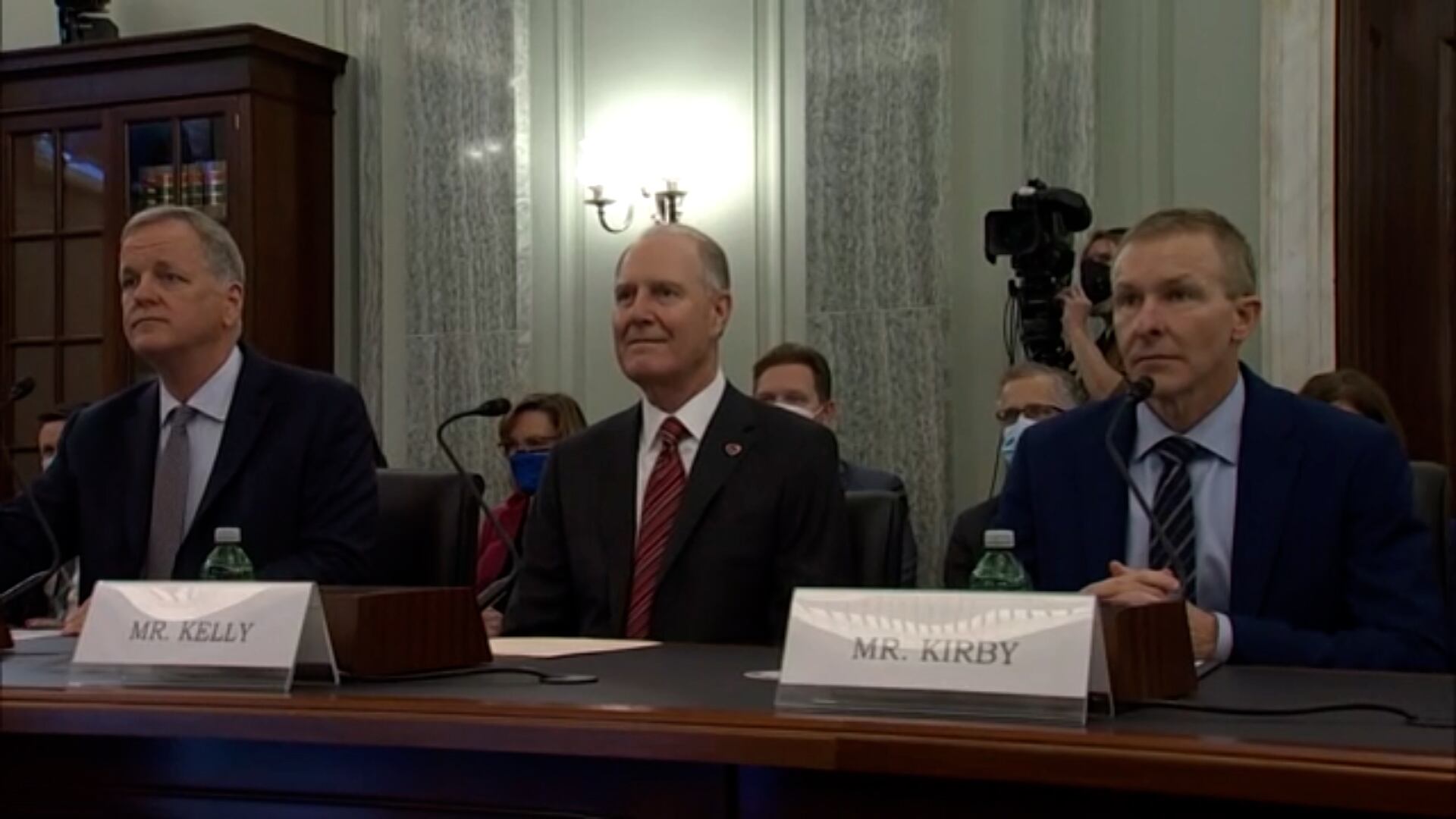
Airline executives faced tough questions from Congress on Wednesday, with the Senate panel grilling top CEOs on how they used that $54 billion Covid-19 government lifeline.
This hearing comes as airlines continue to face staffing shortages and widespread delays. Jason Ader, Leisure Analyst and CEO of SpringOwl Asset Management joined Cheddar's Opening Bell to discuss.
The Hill's White House Correspondent Alex Gangitano joined Wake Up With Cheddar to break down the deterioration of Senator Manchin and President Biden's relationship, as the White House calls out the West Virginia lawmaker for "breaching his commitments to the President."
Airline executives faced tough questions from a Senate panel on Wednesday after receiving a $54 billion dollar Covid-19 government lifeline. Congress approved the fund in three rounds covering much of US airlines’ payroll costs for 18 months. During the hearing lawmakers asked CEO’s how they used the federal bailout funds, about staffing issues, flight cancellations, and delays. U.S. airlines reported a record $35 billion dollar loss last year when travel came to an abrupt halt because of the pandemic. Michael Boyd, CEO at the Boyd Group International explains why customers may not be returning to the skies quite so soon.
Senior Global Market Strategist at Wells Fargo Investment Institute Scott Wren joined Wake Up With Cheddar to recap the central bank's policy change, and how it may impact the economy moving forward.
Carlo's joined by a quarantining Baker to discuss the headlines from the weekend as Omicron spreads like wildfire, Manchin kills Biden's signature bill and Spider-Man throws a lifeline to the box office.
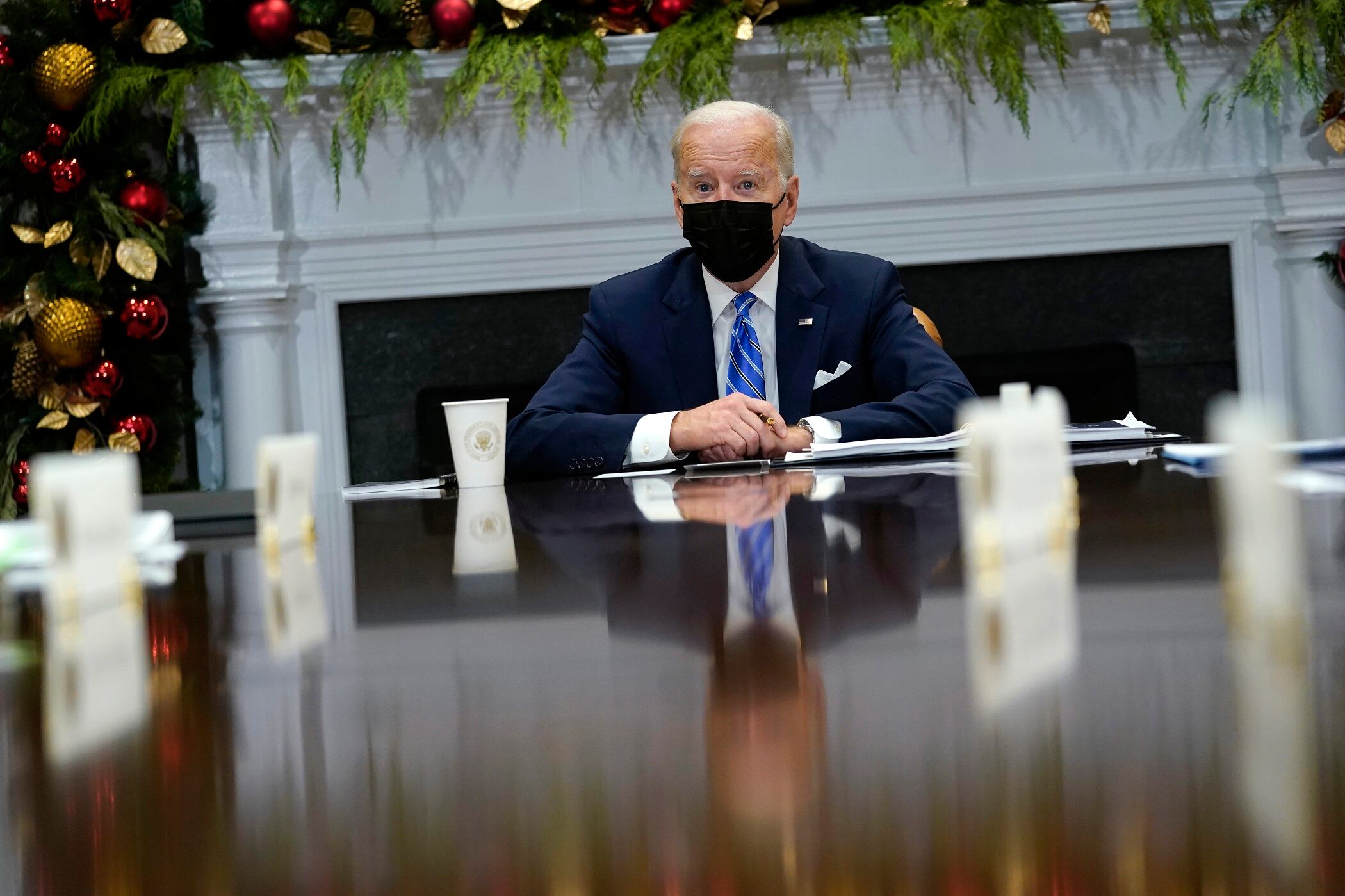
President Joe Biden is pledging to do “whatever it takes, as long as it takes” to help Kentucky and other states recover and rebuild after a series of deadly tornadoes that he says left a trail of unimaginable devastation.
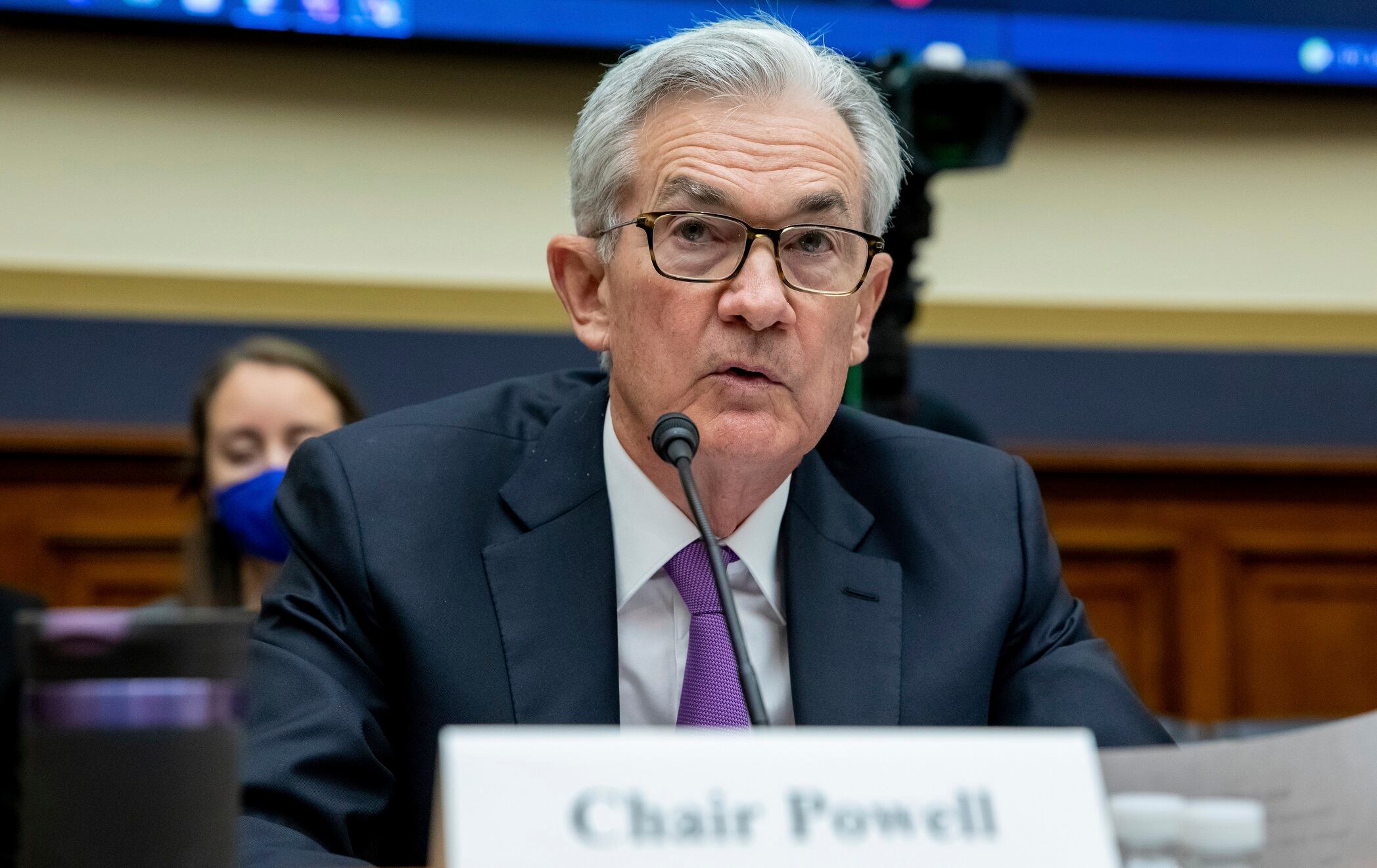
The Federal Reserve has nixed the controversial word "transitory" to describe inflation in its latest policy statement. The change in language comes as the Fed plans to speed up its tapering of monthly asset purchases.