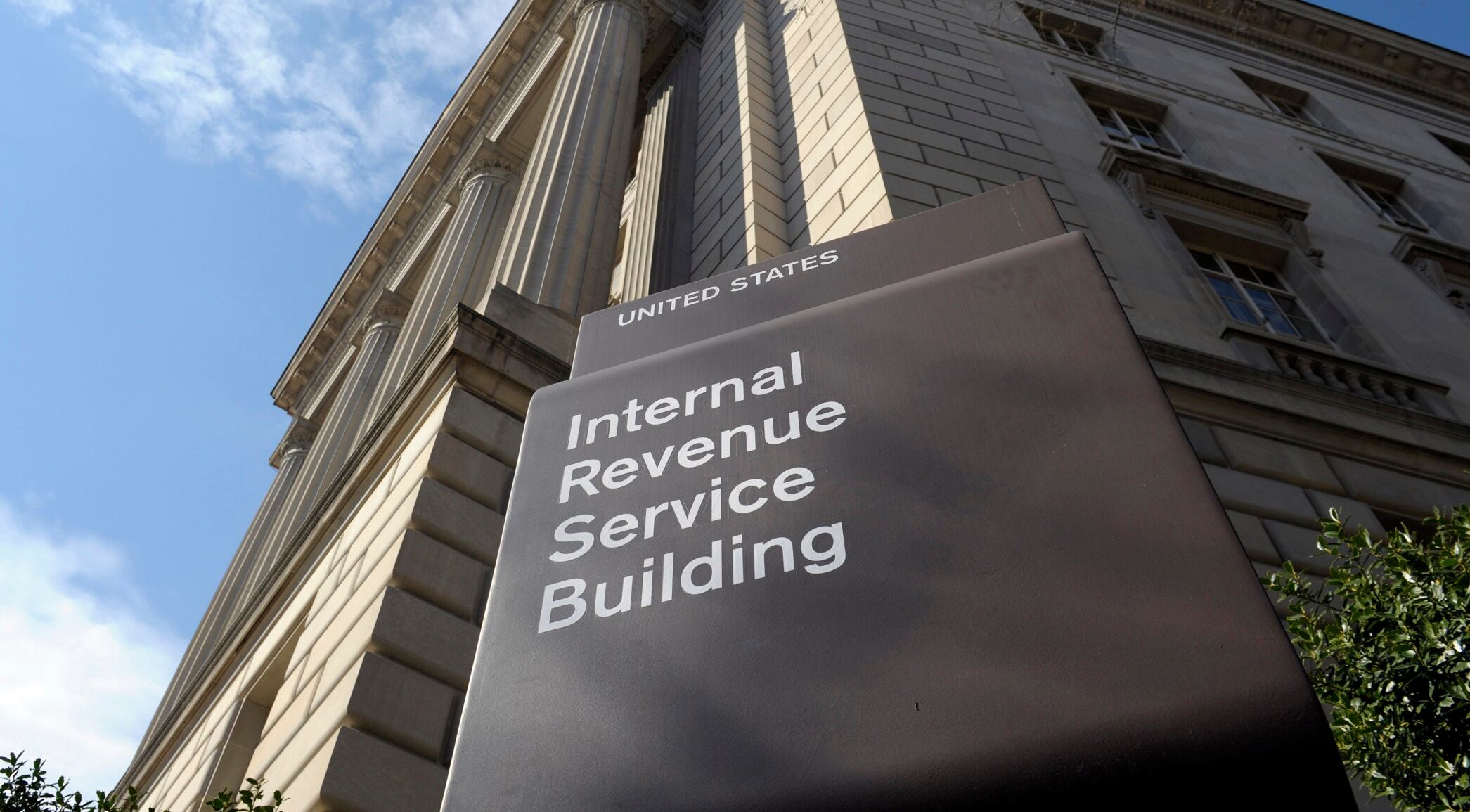
In this photo March 22, 2013, photo, the exterior of the Internal Revenue Service (IRS) building in Washington. The IRS sys it will stop using facial recognition technology to authenticate people who create online accounts after the practice came under criticism from privacy advocates and lawmakers (AP Photo/Susan Walsh, File)
By Fatima Hussein
The IRS said Monday it will suspend the use of facial recognition technology to authenticate people who create online accounts after the practice was criticized by privacy advocates and lawmakers.
The agency said it would no longer use a third-party service, called ID.me, for facial recognition. Critics of the software said the database could become a target for cyberthreats. They also expressed concern about how the information could be used by other government agencies, among other concerns.
Earlier Monday, Senate Finance Committee Chair Ron Wyden, D-Ore., called on the agency to end its use of the ID.me software. After the IRS announced the practice would be suspended, Wyden said "the Treasury Department has made the smart decision to direct the IRS to transition away from using the controversial ID.me verification service.”
"No one should be forced to submit to facial recognition to access critical government services,” he added.
The IRS is currently grappling with a worker shortage and an expanded workload from processing tax filings and administering pandemic-related programs. Legislation that would have given the agency billions of dollars to more expeditiously process returns is stalled.
“The IRS takes taxpayer privacy and security seriously, and we understand the concerns that have been raised,” said IRS Commissioner Chuck Rettig.
“Everyone should feel comfortable with how their personal information is secured, and we are quickly pursuing short-term options that do not involve facial recognition.”
The agency said the transition would occur “over the coming weeks in order to prevent larger disruptions to taxpayers during filing season.”
New Year celebrations are approaching and across the world there is an urge to party. But the desire to let loose is being countered by the highly transmissible omicron variant.
The number of Americans applying for unemployment benefits was unchanged last week, remaining at a historically low level that reflects the job market’s strong recovery from the coronavirus recession last year.
The Biden administration is extending a student loan moratorium that has allowed tens of millions of Americans to put off debt payments during the pandemic.
President Joe Biden plans to deliver 500 million free COVID-19 tests to Americans, increase support for hospitals and expand the availability of vaccines to confront a winter surge of coronavirus cases driven by the fast-spreading omicron variant.
Former deputy assistant U.S. Secretary of State Joel Rubin joined Cheddar to break down the latest dispute between G7 nations and Russia as its increased military buildup along the Ukrainian border drew stern warnings of "massive consequences" should an invasion occur. "If Putin wants to keep on going further, there will be many tools that the financial system can use against him, and the United States, now, is gathering our allies in a way that is really unprecedented," he said.
Carlo and Baker cover the latest developments after a devastating tornado outbreak over the weekend, plus an eye on Omicron and inflation, and not even Spielberg can save the box office.