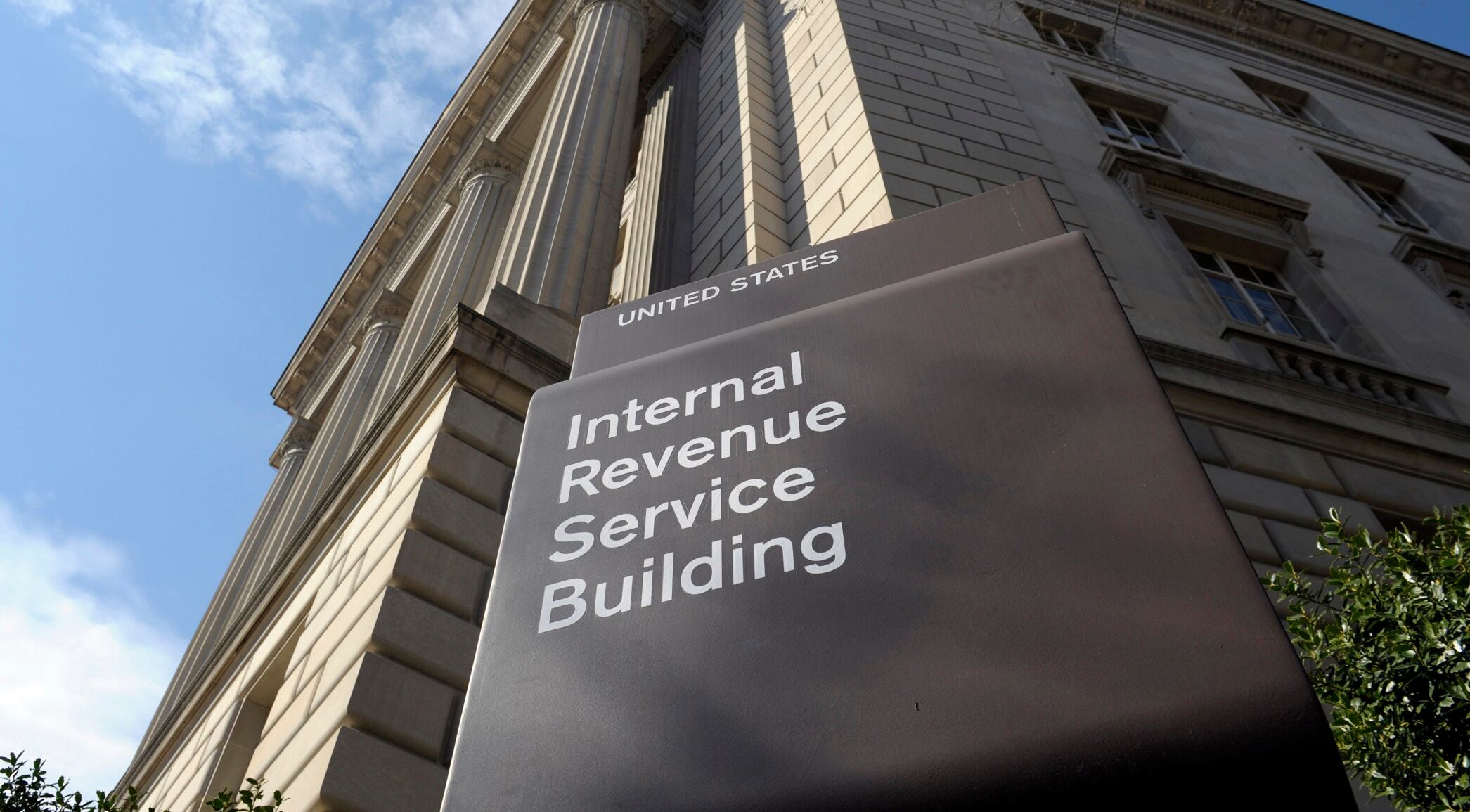
In this photo March 22, 2013, photo, the exterior of the Internal Revenue Service (IRS) building in Washington. The IRS sys it will stop using facial recognition technology to authenticate people who create online accounts after the practice came under criticism from privacy advocates and lawmakers (AP Photo/Susan Walsh, File)
By Fatima Hussein
The IRS said Monday it will suspend the use of facial recognition technology to authenticate people who create online accounts after the practice was criticized by privacy advocates and lawmakers.
The agency said it would no longer use a third-party service, called ID.me, for facial recognition. Critics of the software said the database could become a target for cyberthreats. They also expressed concern about how the information could be used by other government agencies, among other concerns.
Earlier Monday, Senate Finance Committee Chair Ron Wyden, D-Ore., called on the agency to end its use of the ID.me software. After the IRS announced the practice would be suspended, Wyden said "the Treasury Department has made the smart decision to direct the IRS to transition away from using the controversial ID.me verification service.”
"No one should be forced to submit to facial recognition to access critical government services,” he added.
The IRS is currently grappling with a worker shortage and an expanded workload from processing tax filings and administering pandemic-related programs. Legislation that would have given the agency billions of dollars to more expeditiously process returns is stalled.
“The IRS takes taxpayer privacy and security seriously, and we understand the concerns that have been raised,” said IRS Commissioner Chuck Rettig.
“Everyone should feel comfortable with how their personal information is secured, and we are quickly pursuing short-term options that do not involve facial recognition.”
The agency said the transition would occur “over the coming weeks in order to prevent larger disruptions to taxpayers during filing season.”
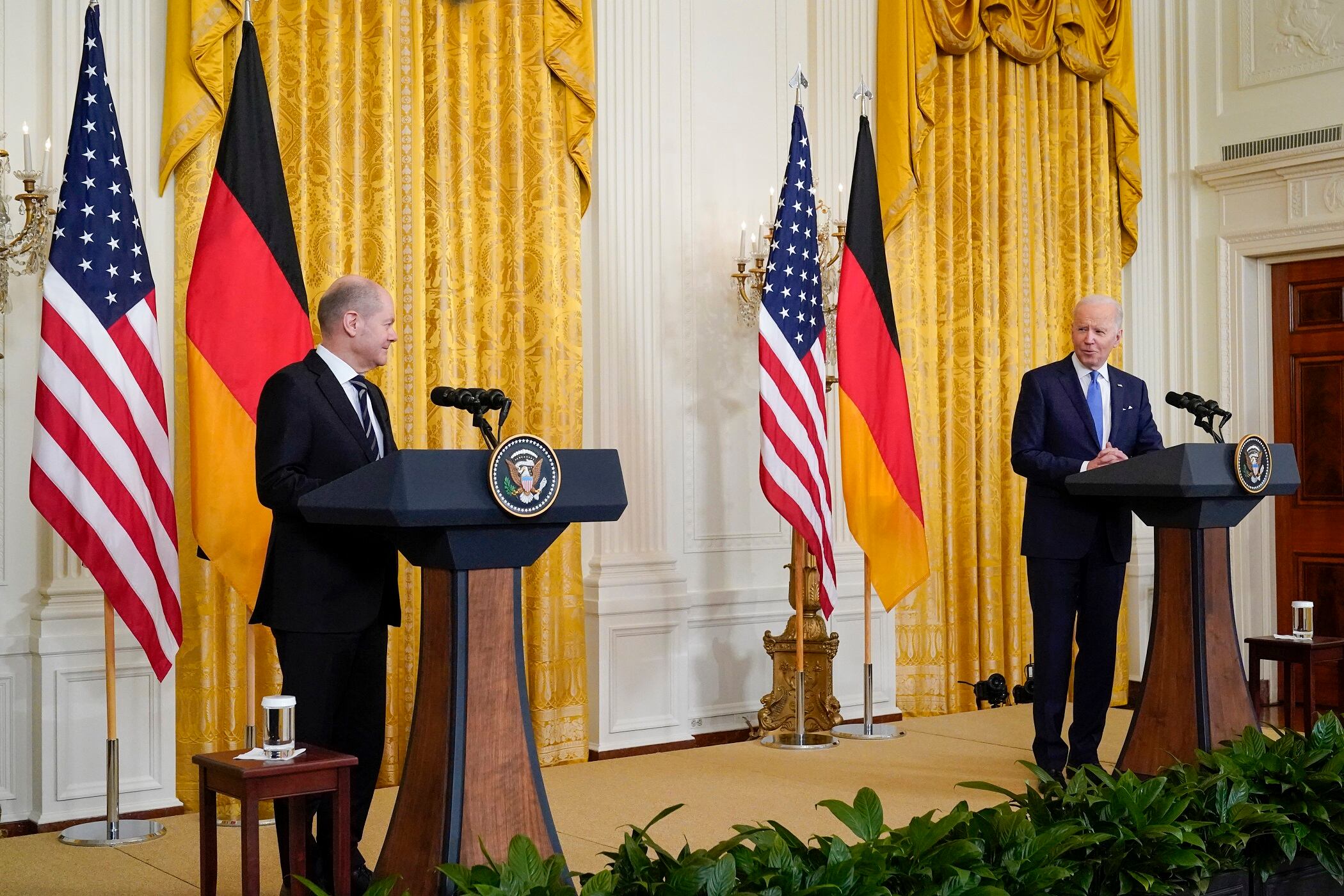
In a flurry of diplomacy across two continents, President Joe Biden emerged from a meeting with Germany’s new leader to vow the crucial Nord Stream 2 gas pipeline in Europe would be blocked if Russia further invades Ukraine.
Kristin Myers, Editor-in-Chief at The Balance, joined Cheddar News to preview the January jobs report, and to break down the racial disparity in employment numbers in the U.S.
Jarrod Loadholt, Partner at Ice Miller, joins Cheddar News' Closing Bell, where he breaks down the latest proposal by the SEC and explains how it could allow the agency to make major regulatory moves within the cryptocurrency space if approved.
Personal data platform Caden raised $3.1 million in pre-seed funding. Caden says its service allows users to have complete control over their data and earn a profit from it by sharing certain data with trusted brands, while never relinquishing ownership. The company also says its goal is to transform the internet and the use of personal data and make a better system for both consumers and brands. Caden founder and CEO John Roa joins Cheddar News' Closing Bell to discuss.
The leaders of Russia and China have declared their joint opposition to any expansion of NATO and affirmed that the island of Taiwan is a part of China.
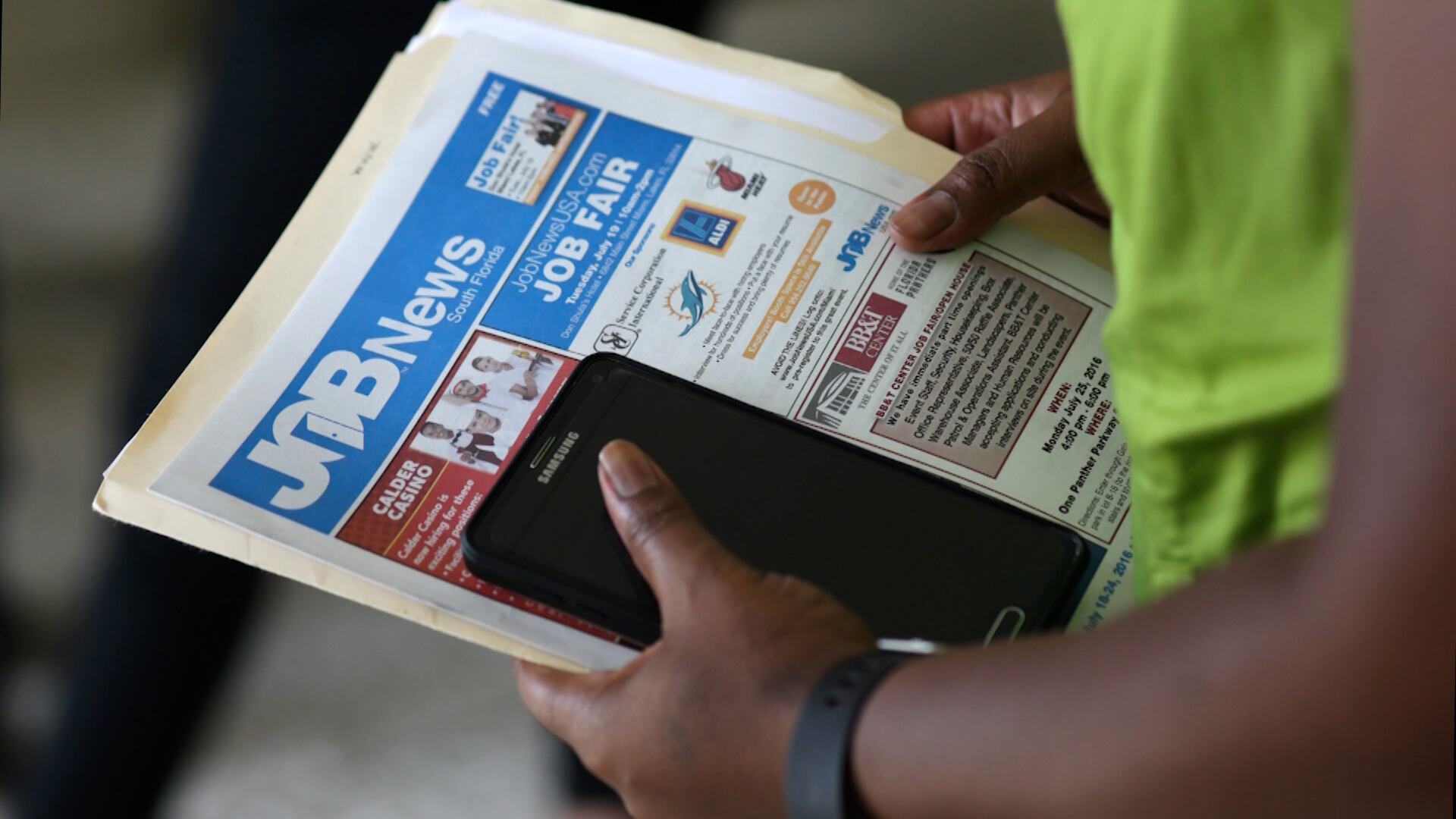
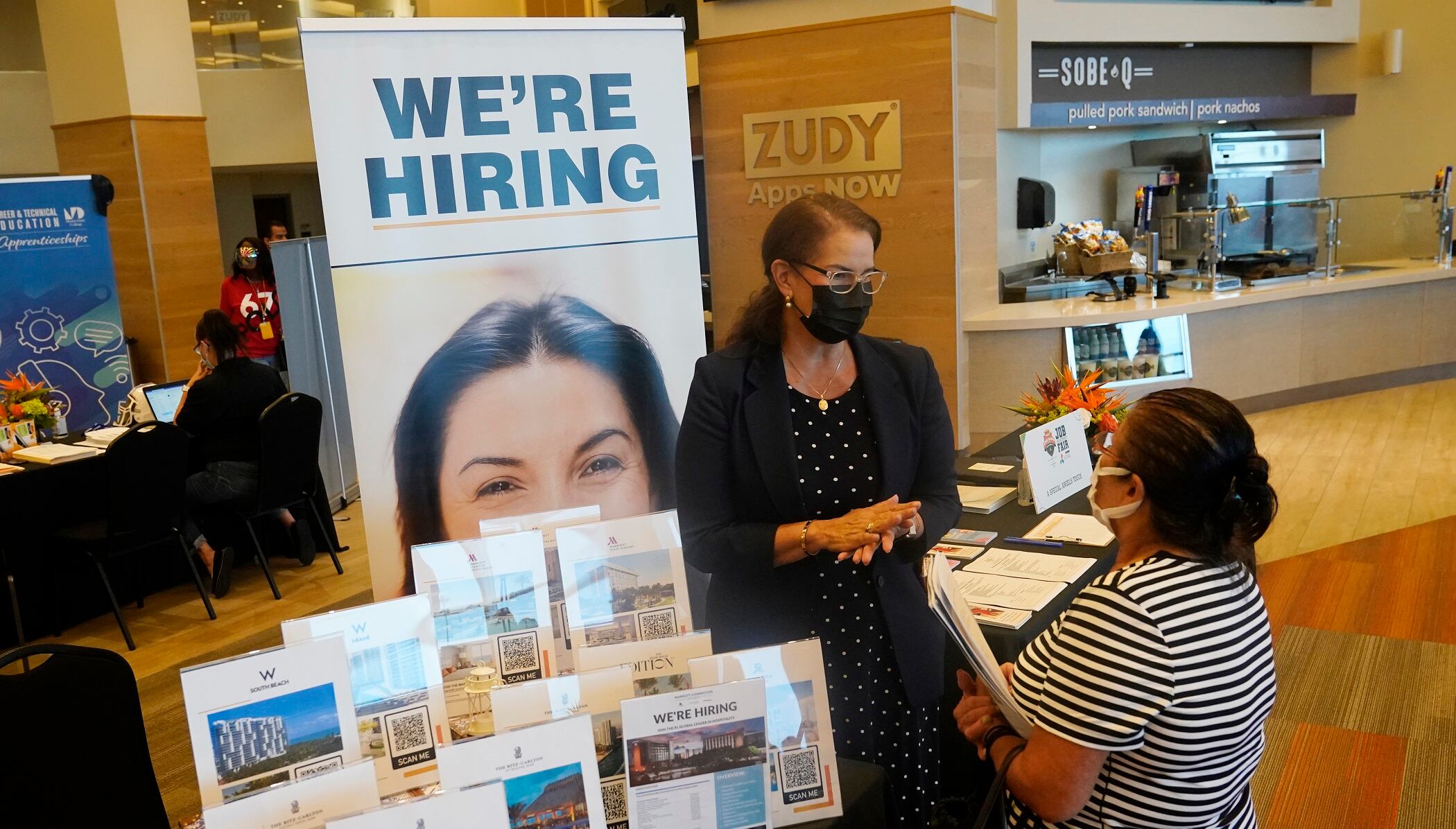
U.S. employers stepped up hiring in January, adding 467,000 jobs despite a wave of omicron inflections that sickened millions of workers, kept many consumers at home and left businesses from restaurants to manufacturers short-staffed.
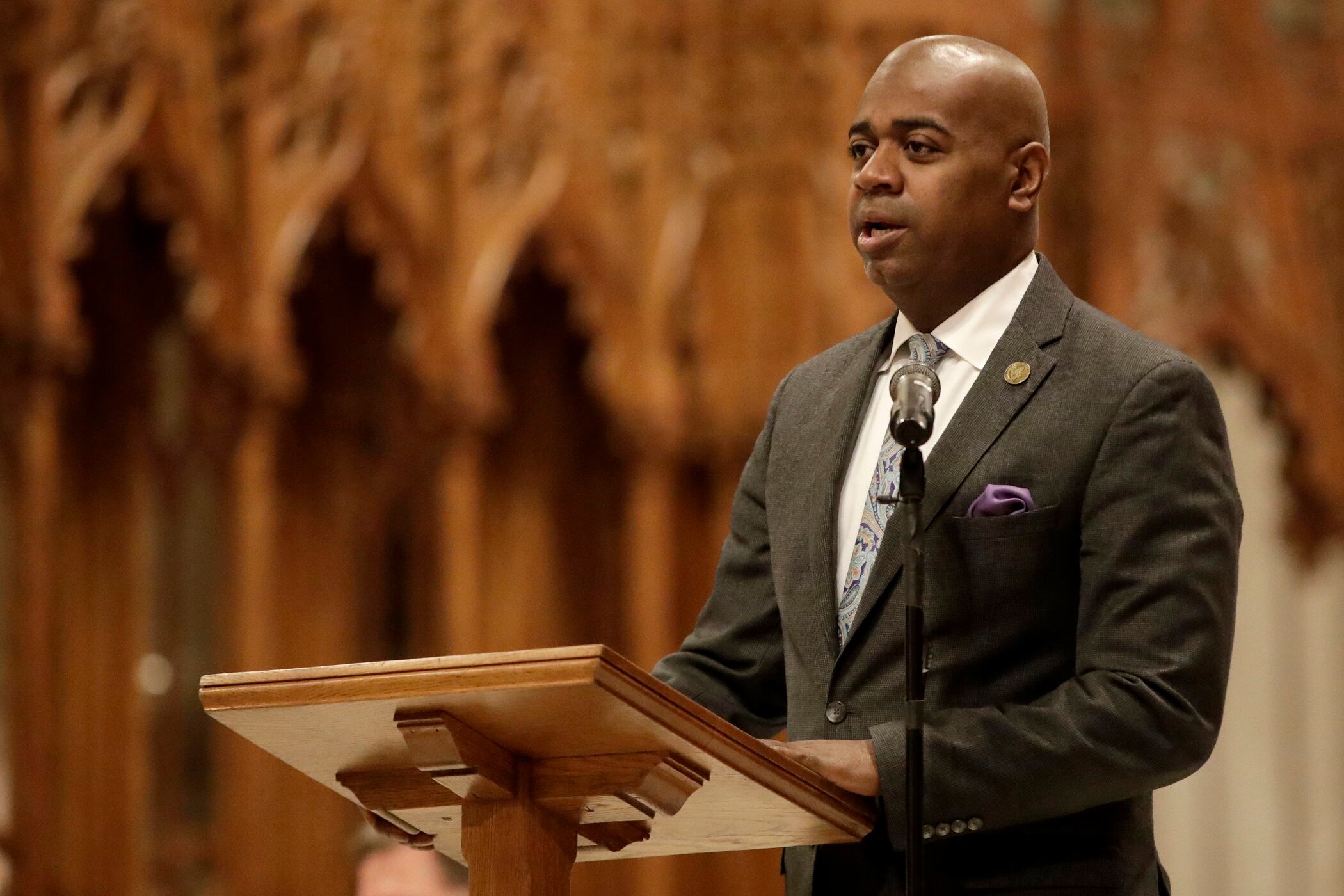
As we celebrate Black History Month, Cheddar is highlighting prominent Black Americans who are carving their own historic paths and trailblazing in their industries. Today we profile Newark, NJ, Mayor Ras Baraka.
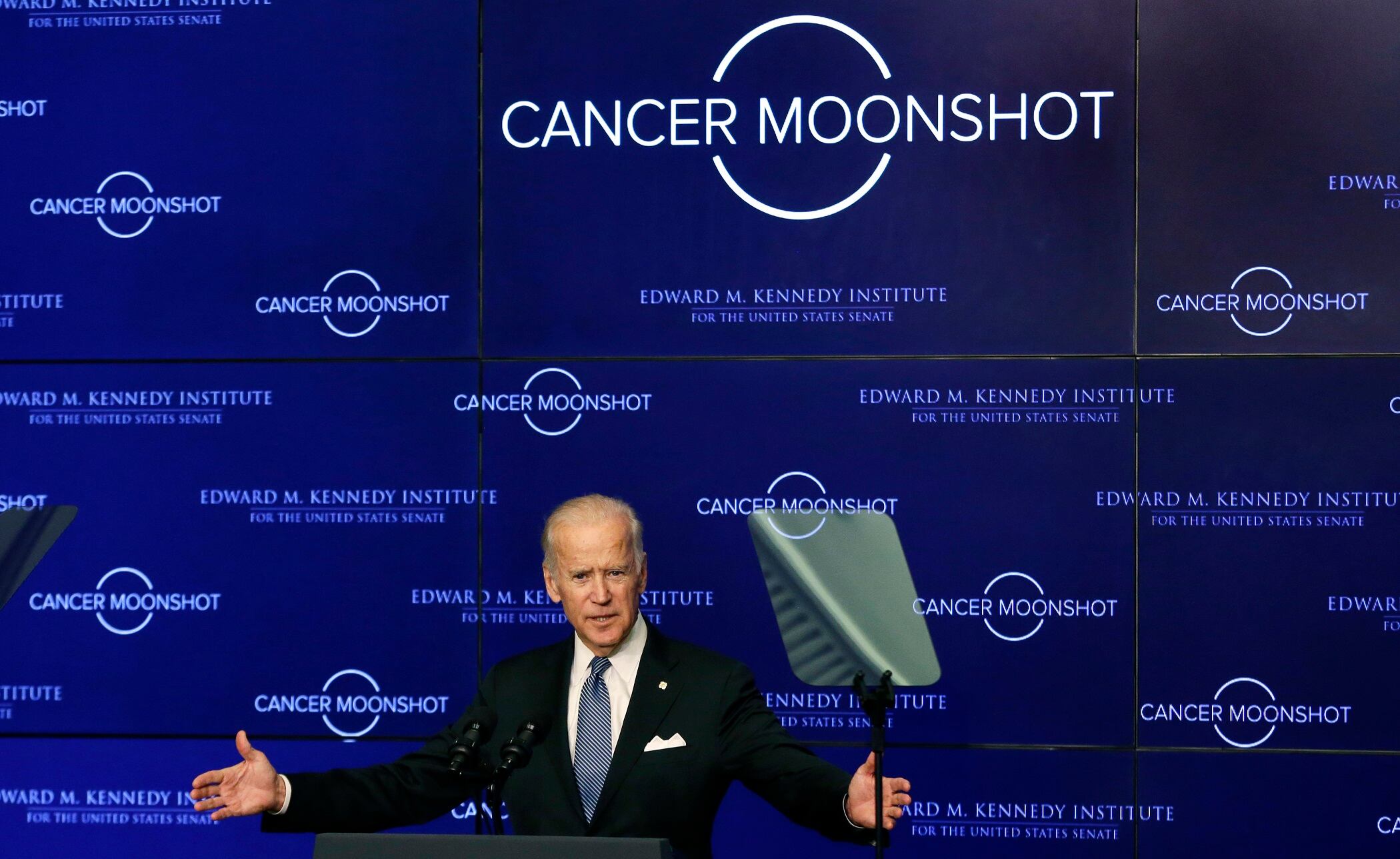
President Joe Biden is committing to reduce the cancer death rate by 50% over the next 25 years. That's a new goal for the “moonshot” against the disease that was announced in 2016 when Biden was vice president.
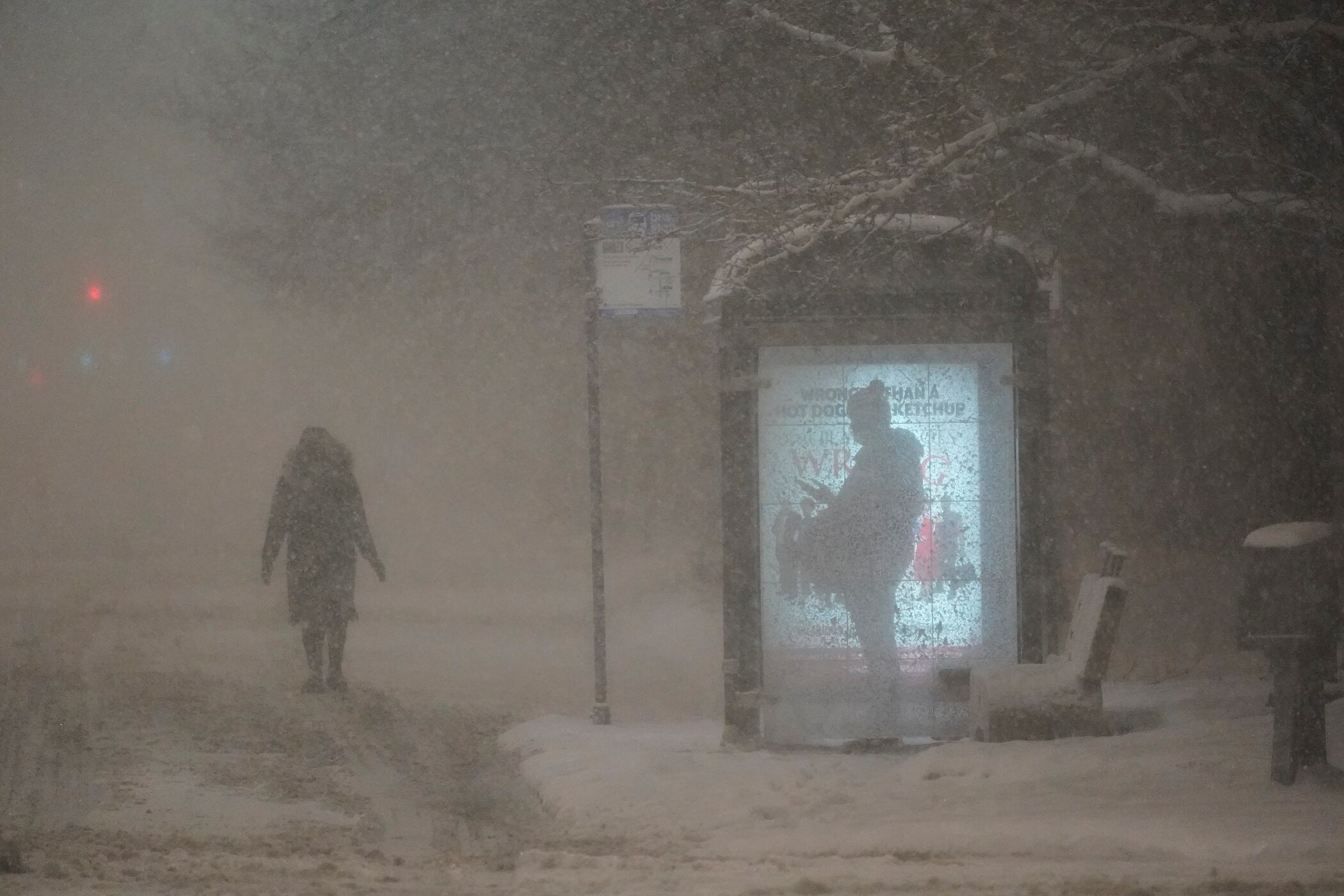
A major winter storm with millions of Americans in its path brought a mix of rain, freezing rain and snow to the middle section of the United States as airlines canceled hundreds of flights, governors urged residents to stay off roads and schools closed campuses.