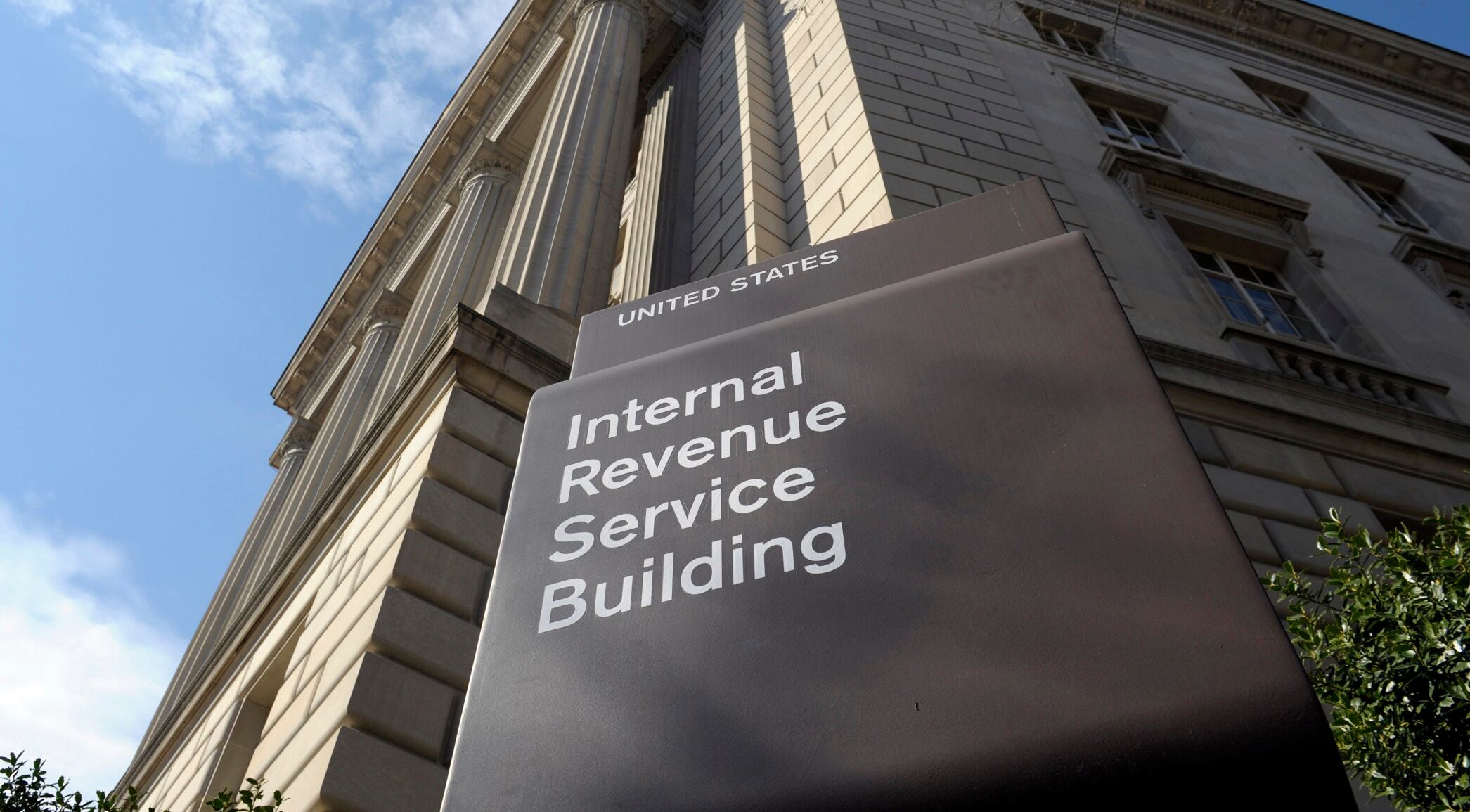
In this photo March 22, 2013, photo, the exterior of the Internal Revenue Service (IRS) building in Washington. The IRS sys it will stop using facial recognition technology to authenticate people who create online accounts after the practice came under criticism from privacy advocates and lawmakers (AP Photo/Susan Walsh, File)
By Fatima Hussein
The IRS said Monday it will suspend the use of facial recognition technology to authenticate people who create online accounts after the practice was criticized by privacy advocates and lawmakers.
The agency said it would no longer use a third-party service, called ID.me, for facial recognition. Critics of the software said the database could become a target for cyberthreats. They also expressed concern about how the information could be used by other government agencies, among other concerns.
Earlier Monday, Senate Finance Committee Chair Ron Wyden, D-Ore., called on the agency to end its use of the ID.me software. After the IRS announced the practice would be suspended, Wyden said "the Treasury Department has made the smart decision to direct the IRS to transition away from using the controversial ID.me verification service.”
"No one should be forced to submit to facial recognition to access critical government services,” he added.
The IRS is currently grappling with a worker shortage and an expanded workload from processing tax filings and administering pandemic-related programs. Legislation that would have given the agency billions of dollars to more expeditiously process returns is stalled.
“The IRS takes taxpayer privacy and security seriously, and we understand the concerns that have been raised,” said IRS Commissioner Chuck Rettig.
“Everyone should feel comfortable with how their personal information is secured, and we are quickly pursuing short-term options that do not involve facial recognition.”
The agency said the transition would occur “over the coming weeks in order to prevent larger disruptions to taxpayers during filing season.”
Sam Stovall, Chief Investment Strategist at CFRA Research, joins Cheddar News' Closing Bell where he dives into the factors contributing to Monday's market plunge and what could be in store when February's CPI data comes out on Tuesday.
Derek Shearer, former U.S. Ambassador to Finland and contributing writer for Washington Monthly, joins Cheddar News to discuss the latest developments in the Russia-Ukraine conflict.
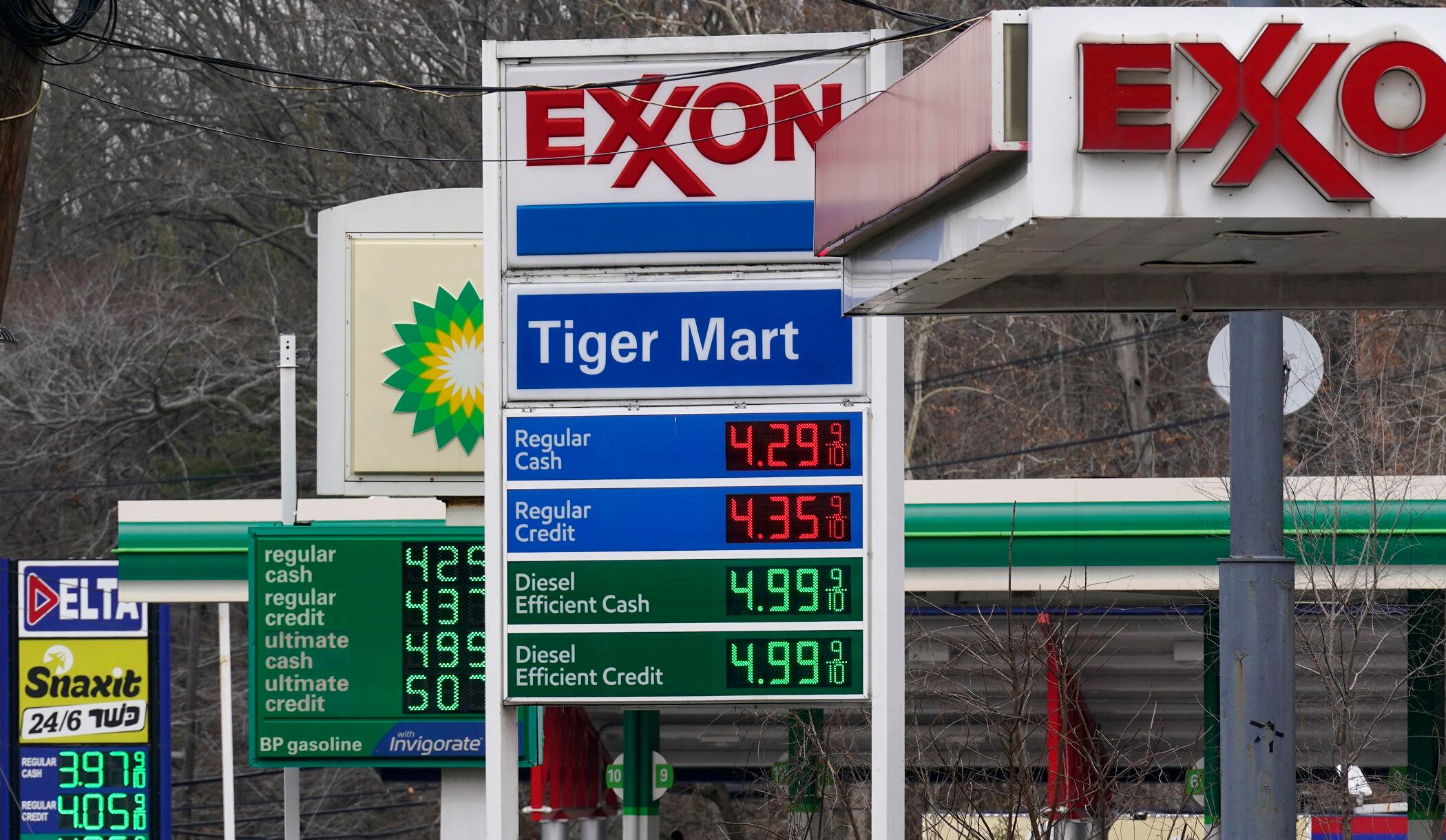
Americans continue to feel the pain at the pump as a result of Russia’s invasion of Ukraine. Patrick DeHaan, head of petroleum analysis at GasBuddy, joined Cheddar News to discuss how prices are being affected by the war and how much worse it could potentially get for drivers. "It's obviously a fluid situation. In one field today, I might feel differently in a half hour. But for now, I think we could see the national average realistically go somewhere into the mid $4 range, maybe $4.40 to $4.65 based on what we're seeing," he said.
Russia’s invasion of Ukraine has entered its 12th day following what Ukrainian authorities described as increased shelling of encircled cities and another failed attempt to evacuate civilians from the port city of Mariupol.
Gasoline prices are pushing even farther above $4 a gallon, the highest price that American motorists have faced since July 2008, as calls grow to ban imports of Russian oil.
Jay Hatfield, Chief Investment Officer at ICAP, believes a lot of the bad news regarding the fighting in Ukraine and Fed is already priced into the market and looming uncertainty factored into Friday's movement. However, he also believes the upcoming Fed decision will be good news for Wall Street.
News of Russian forces taking control of a Ukrainian after artillery bombardment of a nuclear power plant raised concerns this week. Nuclear policy expert and Quincy Institute Distinguished Fellow Joe Cirincione joined Cheddar News to discuss the implications for a potential disaster. “I’m with the director general of the IAEA, the International Atomic Energy Agency. He says that he is extremely concerned, and that this Russian attack is a severe risk and that Russia clearly violated the fundamental principle of preserving the integrity of nuclear power plants," Cirincione said.
Amid Russia's attack on Ukraine, major businesses from BP to Big Tech like Apple have been pausing their business dealings with the invading nation. Brian Walker, chief strategy officer at commerce software company Bloomreach, joined Cheddar News to discuss how some companies are showing support for Ukraine and what this could mean for consumers. "Whether it be impacts on energy or operational costs, shipping and logistics, or frankly impacts on the financial services industry, these will have long term implications on retail prices," he said.