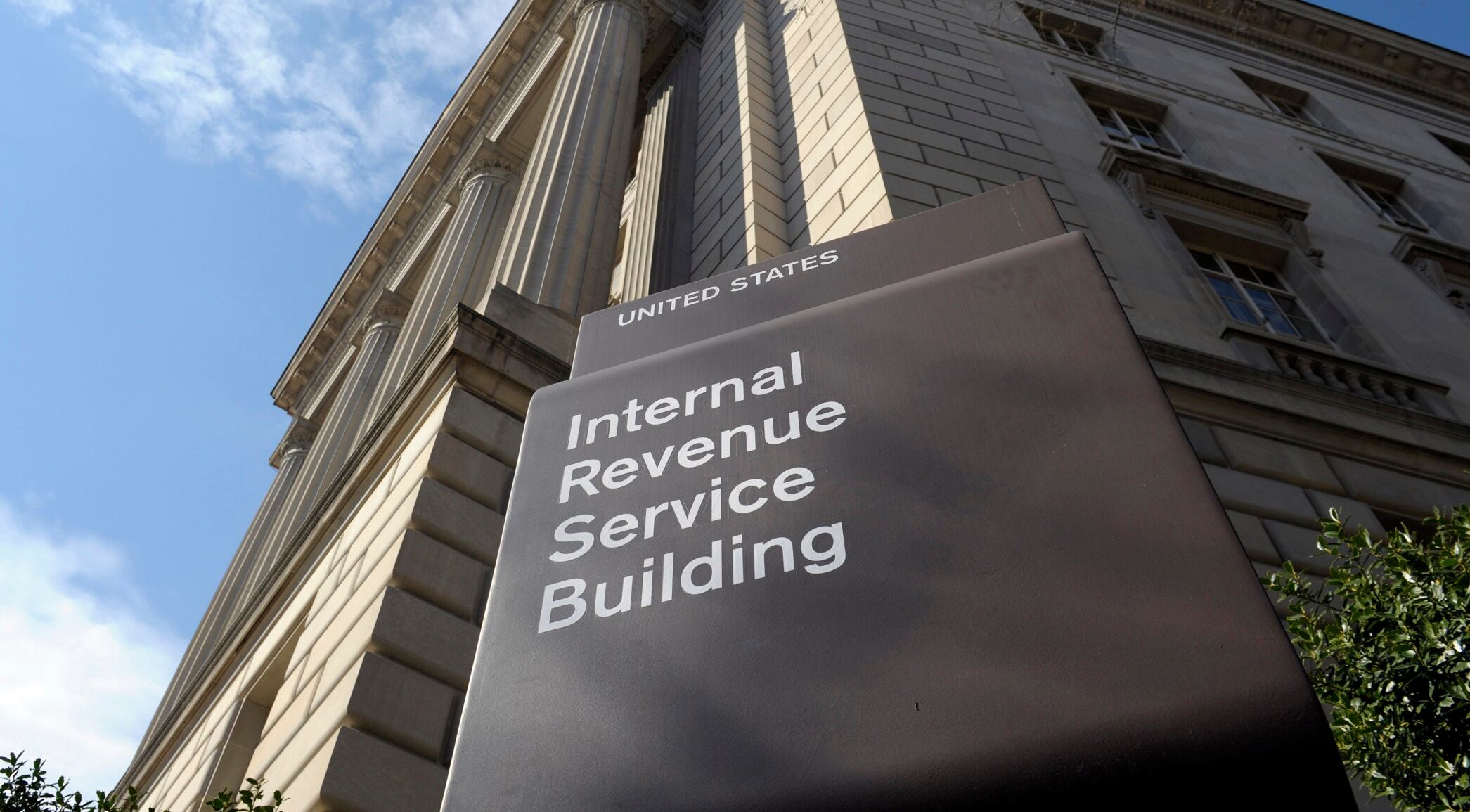
In this photo March 22, 2013, photo, the exterior of the Internal Revenue Service (IRS) building in Washington. The IRS sys it will stop using facial recognition technology to authenticate people who create online accounts after the practice came under criticism from privacy advocates and lawmakers (AP Photo/Susan Walsh, File)
By Fatima Hussein
The IRS said Monday it will suspend the use of facial recognition technology to authenticate people who create online accounts after the practice was criticized by privacy advocates and lawmakers.
The agency said it would no longer use a third-party service, called ID.me, for facial recognition. Critics of the software said the database could become a target for cyberthreats. They also expressed concern about how the information could be used by other government agencies, among other concerns.
Earlier Monday, Senate Finance Committee Chair Ron Wyden, D-Ore., called on the agency to end its use of the ID.me software. After the IRS announced the practice would be suspended, Wyden said "the Treasury Department has made the smart decision to direct the IRS to transition away from using the controversial ID.me verification service.”
"No one should be forced to submit to facial recognition to access critical government services,” he added.
The IRS is currently grappling with a worker shortage and an expanded workload from processing tax filings and administering pandemic-related programs. Legislation that would have given the agency billions of dollars to more expeditiously process returns is stalled.
“The IRS takes taxpayer privacy and security seriously, and we understand the concerns that have been raised,” said IRS Commissioner Chuck Rettig.
“Everyone should feel comfortable with how their personal information is secured, and we are quickly pursuing short-term options that do not involve facial recognition.”
The agency said the transition would occur “over the coming weeks in order to prevent larger disruptions to taxpayers during filing season.”
President Biden is looking at unlikely partners to buy oil, after banning all Russian energy imports. Among them is Venezuela, a regime that has been sanctioned by the U.S. since 2019. Ariel Cohen of the Atlantic Council explains to Cheddar News why that might not be a bad choice.
Stock trading app Robinhood already has been offering cryptocurrency investments but seems further excited about the asset class following President Biden's recent announcement of an executive order. Dan Gallagher, the chief legal and corporate affairs officer for Robinhood, joined Cheddar News to talk about the White House's tentative vision for digital currency. "I think this executive order firmly states that, yes, crypto is here to stay, which it talks about the important competitive issues around crypto and how the United States needs to be a leader, a global leader, in innovation and technology regarding crypto," he said. Gallagher also discussed having clarity around meme stocks going forward but worried about overregulation slowing down innovation.
As Russia’s attack on Ukraine, the latest inflation report showed the consumer price index rose 7.9 percent — a 40-year high. Heather Boushey, a member of the White House Council of Economic Advisers, joined Cheddar News to discuss what American consumers might be in store for as prices keep rising. "Forecasters at this point believe that the American economy will be resilient," she said. "They’re still predicting that the unemployment rate will continue to be lower at the end of the year than it is today, and we are still seeing folks believe that over time prices will come back down." Boushey did note that it would be dependent on how long the current situation lasts.
Simon Shuster, TIME's Moscow correspondent joins Cheddar to discuss how Ukraine could become part of the EU and what it would mean for politics in Europe.
President Biden has banned imports of Russian oil to the U.S. in retaliation for its invasion of Ukraine. The president warned of higher prices at the gas pump, leading some analysts to think it could propel the transition to clean, renewable energy. Michael Jones, chairman and CEO of investment solutions company Caravel Concepts, discussed how the ban is hitting green energy stocks as gas prices continue to surge. "I think the 10-year prospects for renewables just got a whole lot better because ultimately this is going to force a transition into renewables," he said.
Amid ongoing tensions in the Russia-Ukraine region, many American travelers are nervous about traveling to Europe.
It comes at a time when international travel was set to make a comeback, but uncertainty surrounding the conflict may delay the overall recovery. Francesca Page, Travel Expert, joined Cheddar's Opening Bell to discuss.
Russia's invasion of Ukraine is coming for the global food supply. Ongoing tensions in the region are threatening the supply of various agricultural products including wheat, barley and corn. Vladik Rikhter, CEO & Cofounder of Zenput joined Cheddar's Opening Bell to discuss how this could impact food prices overseas.
Chris Natividad, CIO of EquBot, joins Cheddar News' Closing Bell, where he elaborates on what ultimately dragged the Dow, S&P, and Nasdaq lower on Tuesday and discusses how investors are reacting to rising oil prices and February CPI data coming out later this week.