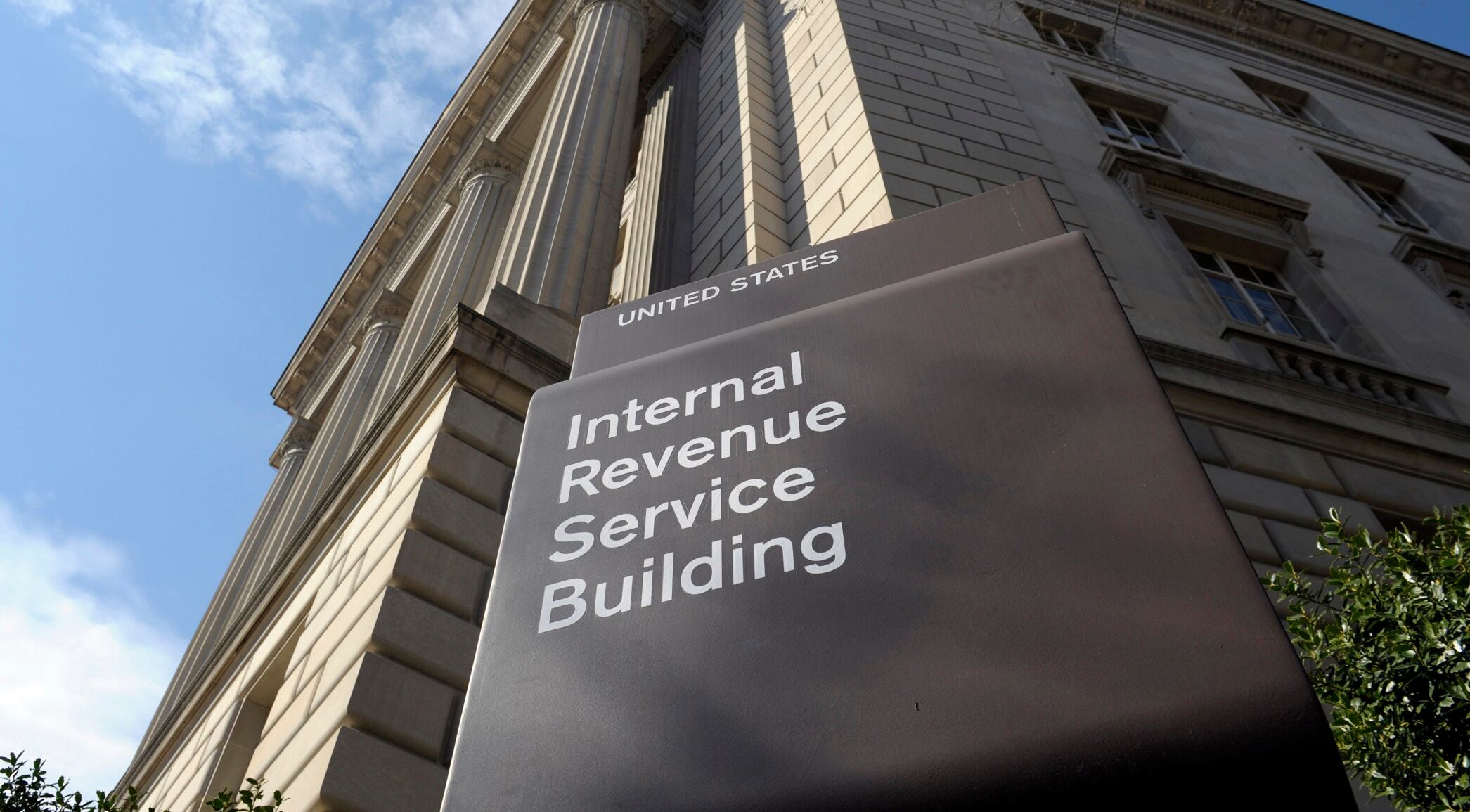
In this photo March 22, 2013, photo, the exterior of the Internal Revenue Service (IRS) building in Washington. The IRS sys it will stop using facial recognition technology to authenticate people who create online accounts after the practice came under criticism from privacy advocates and lawmakers (AP Photo/Susan Walsh, File)
By Fatima Hussein
The IRS said Monday it will suspend the use of facial recognition technology to authenticate people who create online accounts after the practice was criticized by privacy advocates and lawmakers.
The agency said it would no longer use a third-party service, called ID.me, for facial recognition. Critics of the software said the database could become a target for cyberthreats. They also expressed concern about how the information could be used by other government agencies, among other concerns.
Earlier Monday, Senate Finance Committee Chair Ron Wyden, D-Ore., called on the agency to end its use of the ID.me software. After the IRS announced the practice would be suspended, Wyden said "the Treasury Department has made the smart decision to direct the IRS to transition away from using the controversial ID.me verification service.”
"No one should be forced to submit to facial recognition to access critical government services,” he added.
The IRS is currently grappling with a worker shortage and an expanded workload from processing tax filings and administering pandemic-related programs. Legislation that would have given the agency billions of dollars to more expeditiously process returns is stalled.
“The IRS takes taxpayer privacy and security seriously, and we understand the concerns that have been raised,” said IRS Commissioner Chuck Rettig.
“Everyone should feel comfortable with how their personal information is secured, and we are quickly pursuing short-term options that do not involve facial recognition.”
The agency said the transition would occur “over the coming weeks in order to prevent larger disruptions to taxpayers during filing season.”
Catching you up on what you need to know on March 30, 2022, with updates on what is happening in Kyiv, the FDA releases plans for a fourth dose of COVID vaccines, COVID subvariant BA.2 becomes dominant variant in the U.S., employees at Conde Nast form a union, and more.
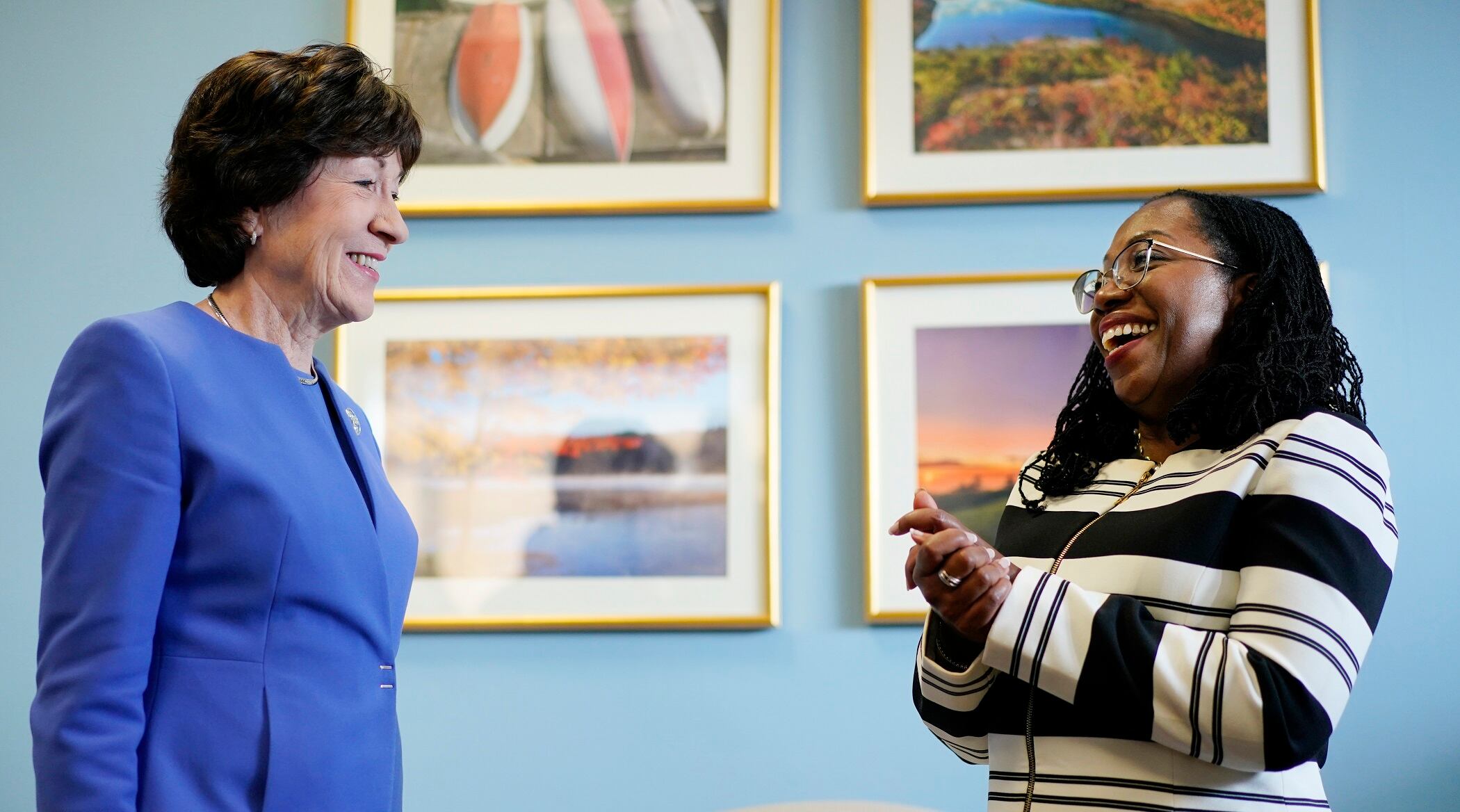
Maine Sen. Susan Collins says she'll vote to confirm Judge Ketanji Brown Jackson, giving Democrats at least one Republican vote and all but assuring Jackson will become the first Black woman on the Supreme Court.
A NASA astronaut is back on Earth after a yearlong, record-setting spaceflight. He caught a Russian ride from the International Space Station on Wednesday with two cosmonauts.
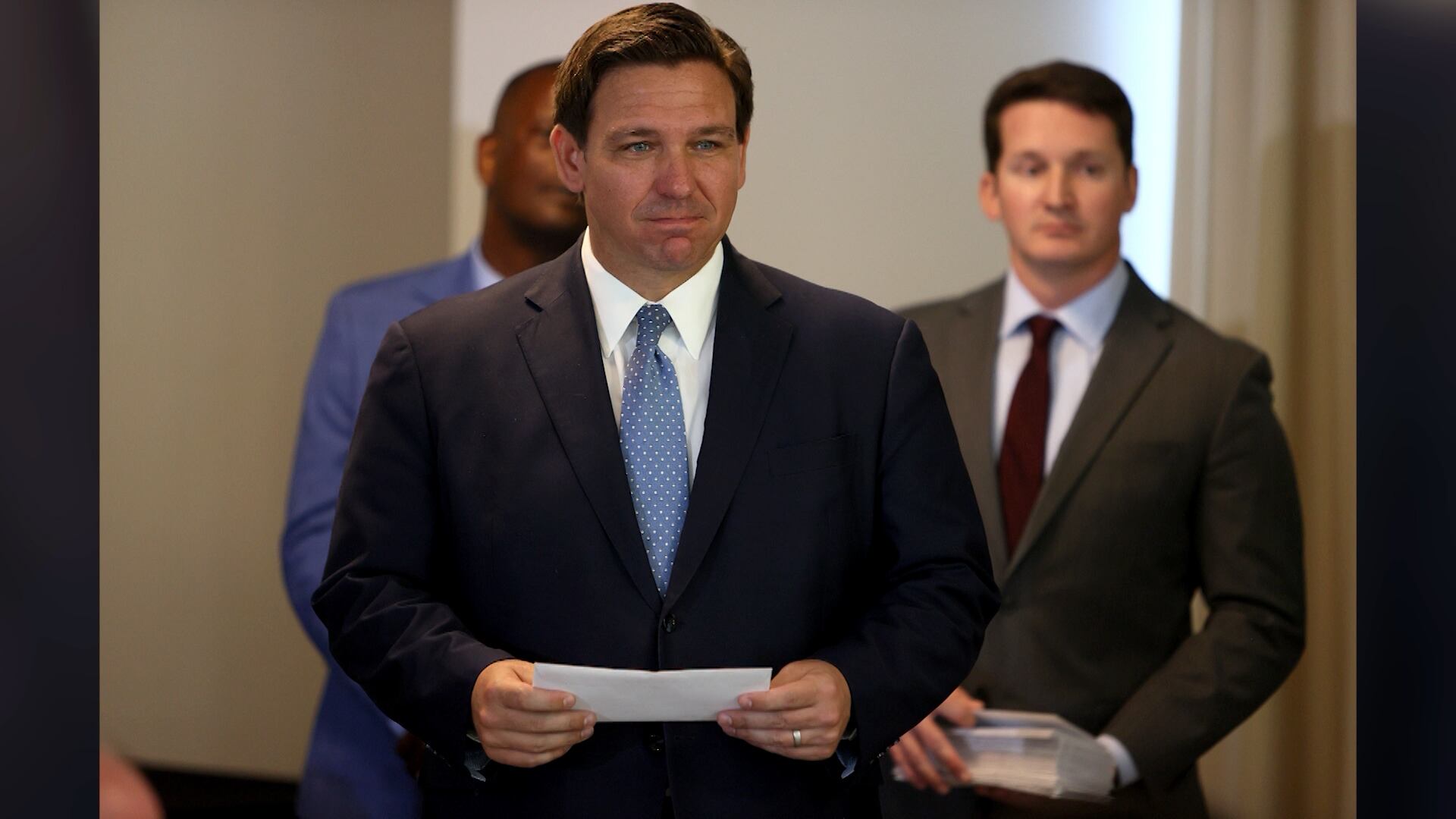
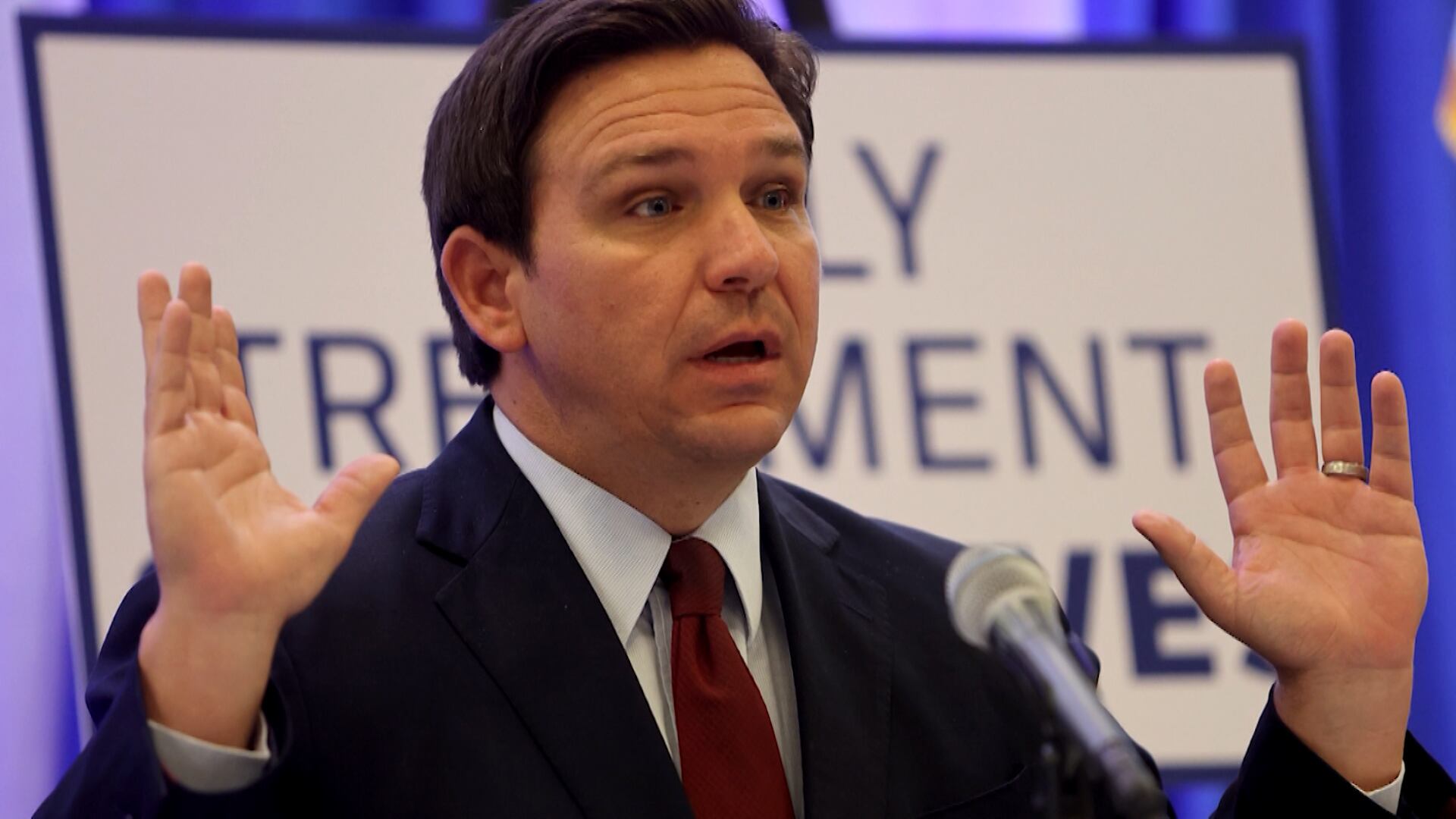
Florida Governor Ron DeSantis has signed the controversial so-called ‘Don’t Say Gay' bill into law, banning classroom instruction on gender identity and sexual orientation in kindergarten through third grade. Gary Fineout, reporter at Politico, joins Cheddar News to discuss.
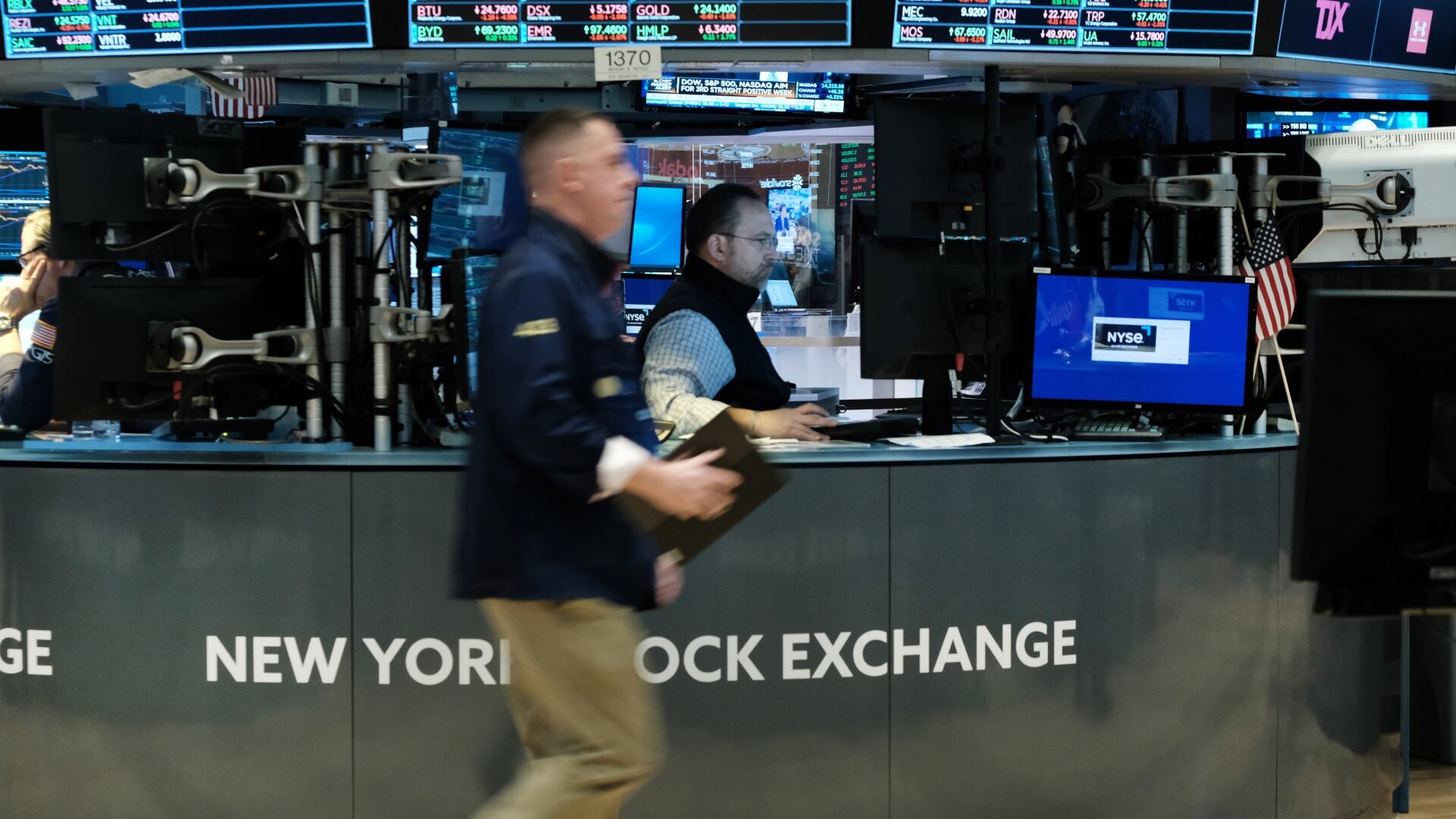
U.S. stocks closed Tuesday's session near session highs. The Dow Jones Industrial Average rose 350 points, after rising more than 400 points at its session high. Shares were also impacted positively by optimism around peace talks in Ukraine. Nancy Prial, Co-Chief Executive Officer & Senior Portfolio Manager of Essex Investment Management, joins Cheddar News' Closing Bell to discuss.
Sylvia Jablonski, CIO at Defiance ETFs, breaks down the factors leading to the market's strong start to the week and discusses what investors should be focusing on when it comes to the Russian invasion of Ukraine and inflation.
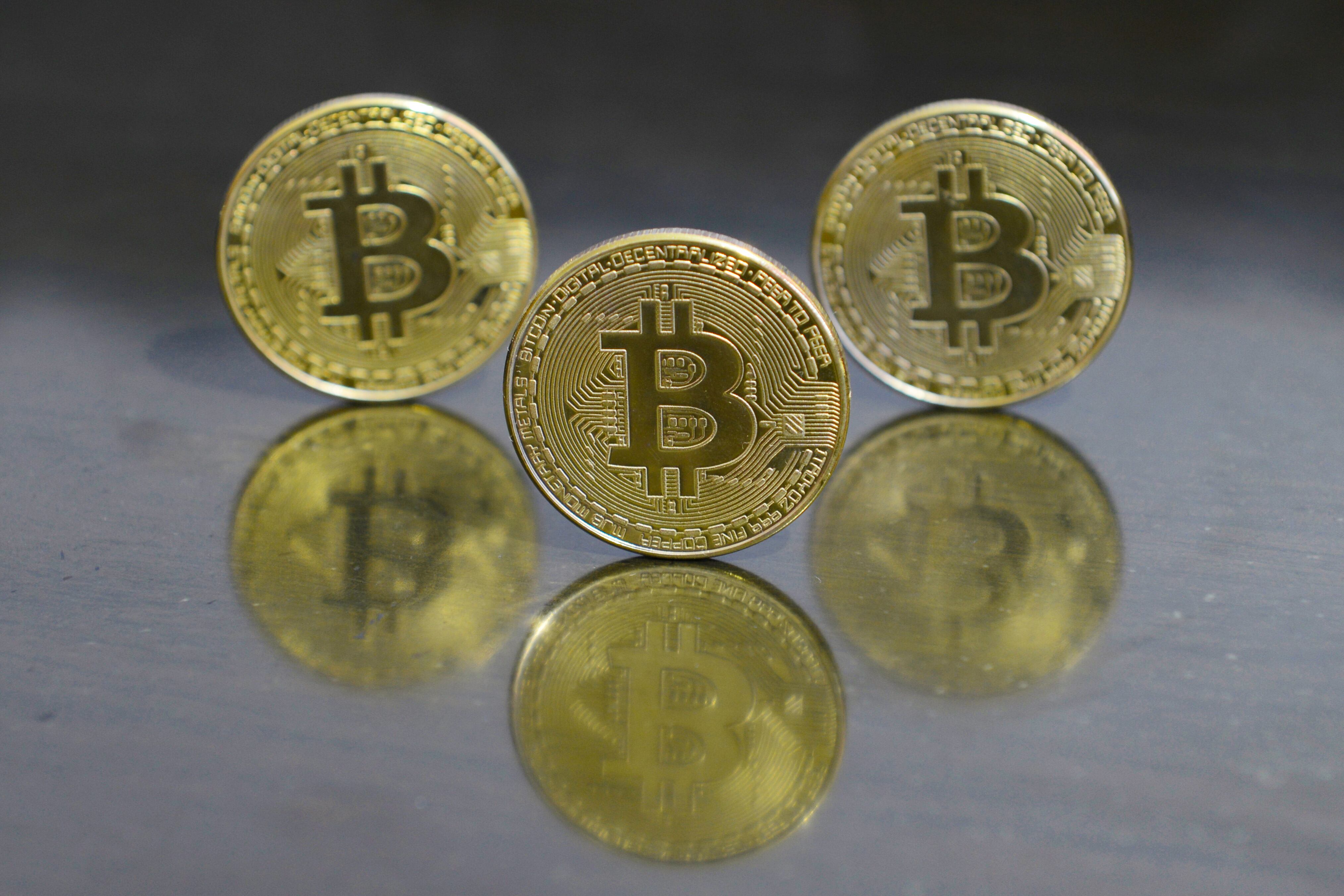
Bitcoin surged to its highest level on Monday since January 2nd. The gains also come after a late Sunday rally for the cryptocurrency, when it surpassed the key price of $45,000, and also turned positive for 2022. Matt Hougan, CIO of Bitwise Asset Fund, joins Cheddar News' Closing Bell to discuss what is behind the recent rallies for Bitcoin and other cryptocurrencies.
Cross-border payments are big business, and crypto companies want in on the action, which means challenging established remittance services such as Western Union and MoneyGram.