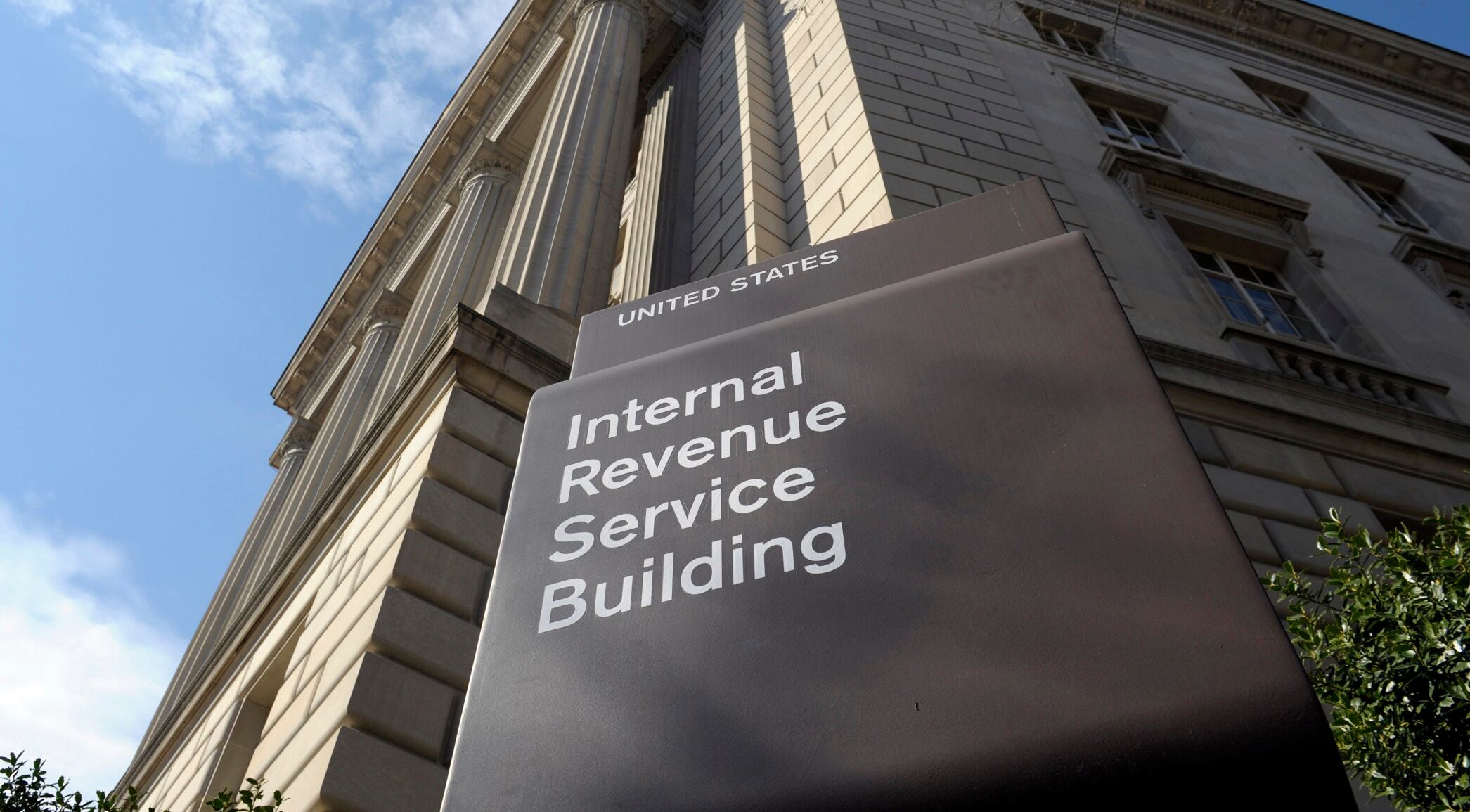
In this photo March 22, 2013, photo, the exterior of the Internal Revenue Service (IRS) building in Washington. The IRS sys it will stop using facial recognition technology to authenticate people who create online accounts after the practice came under criticism from privacy advocates and lawmakers (AP Photo/Susan Walsh, File)
By Fatima Hussein
The IRS said Monday it will suspend the use of facial recognition technology to authenticate people who create online accounts after the practice was criticized by privacy advocates and lawmakers.
The agency said it would no longer use a third-party service, called ID.me, for facial recognition. Critics of the software said the database could become a target for cyberthreats. They also expressed concern about how the information could be used by other government agencies, among other concerns.
Earlier Monday, Senate Finance Committee Chair Ron Wyden, D-Ore., called on the agency to end its use of the ID.me software. After the IRS announced the practice would be suspended, Wyden said "the Treasury Department has made the smart decision to direct the IRS to transition away from using the controversial ID.me verification service.”
"No one should be forced to submit to facial recognition to access critical government services,” he added.
The IRS is currently grappling with a worker shortage and an expanded workload from processing tax filings and administering pandemic-related programs. Legislation that would have given the agency billions of dollars to more expeditiously process returns is stalled.
“The IRS takes taxpayer privacy and security seriously, and we understand the concerns that have been raised,” said IRS Commissioner Chuck Rettig.
“Everyone should feel comfortable with how their personal information is secured, and we are quickly pursuing short-term options that do not involve facial recognition.”
The agency said the transition would occur “over the coming weeks in order to prevent larger disruptions to taxpayers during filing season.”
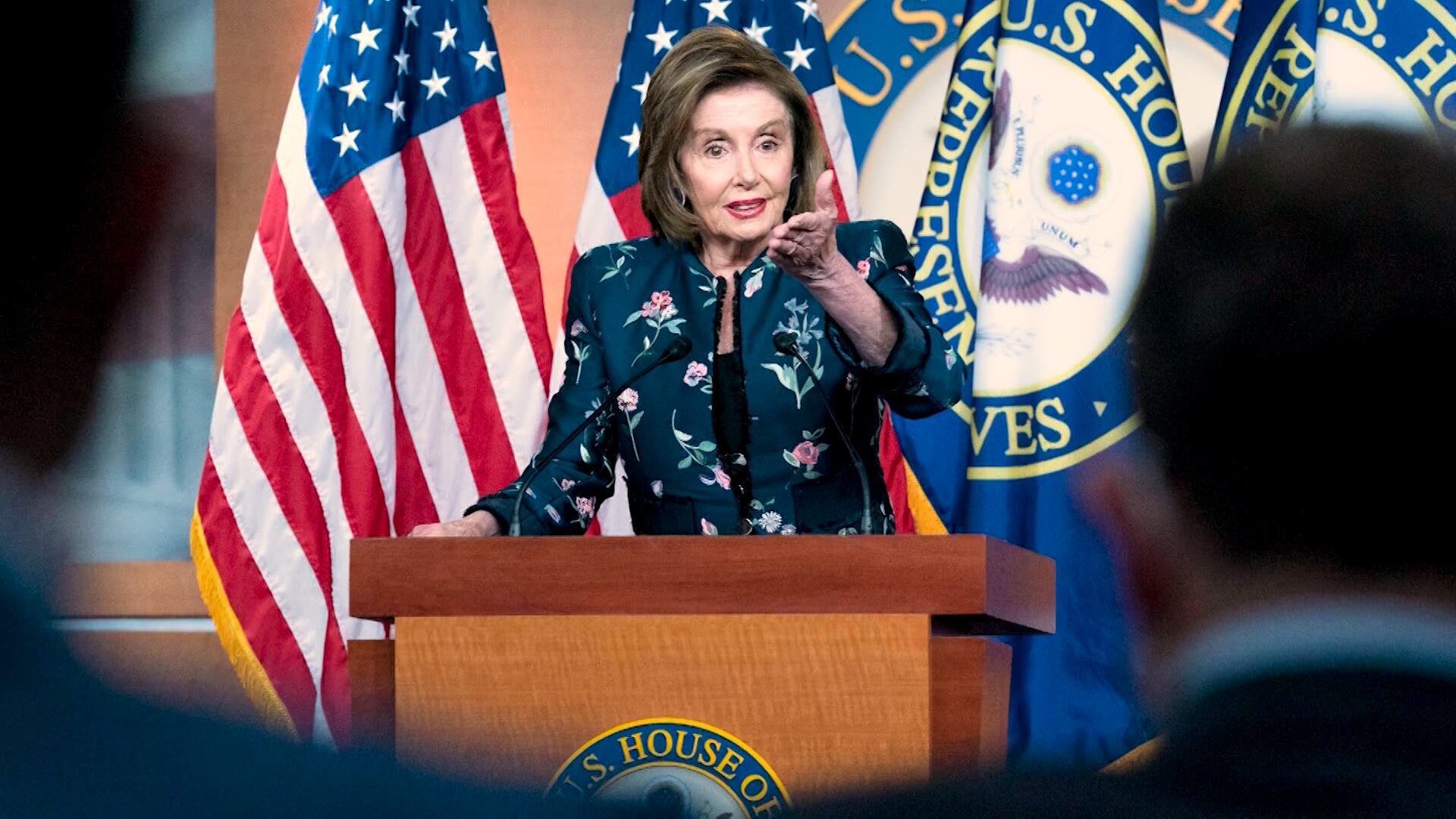
Michael Kirk, director of the new Frontline documentary 'Pelosi's Power,' joins Cheddar Politics to discuss House Speaker Nancy Pelosi's long career as a Democratic leader in Congress.
President Joe Biden is ordering the release of 1 million barrels of oil per day from the nation’s strategic petroleum reserve for six months in a bid to control energy prices.
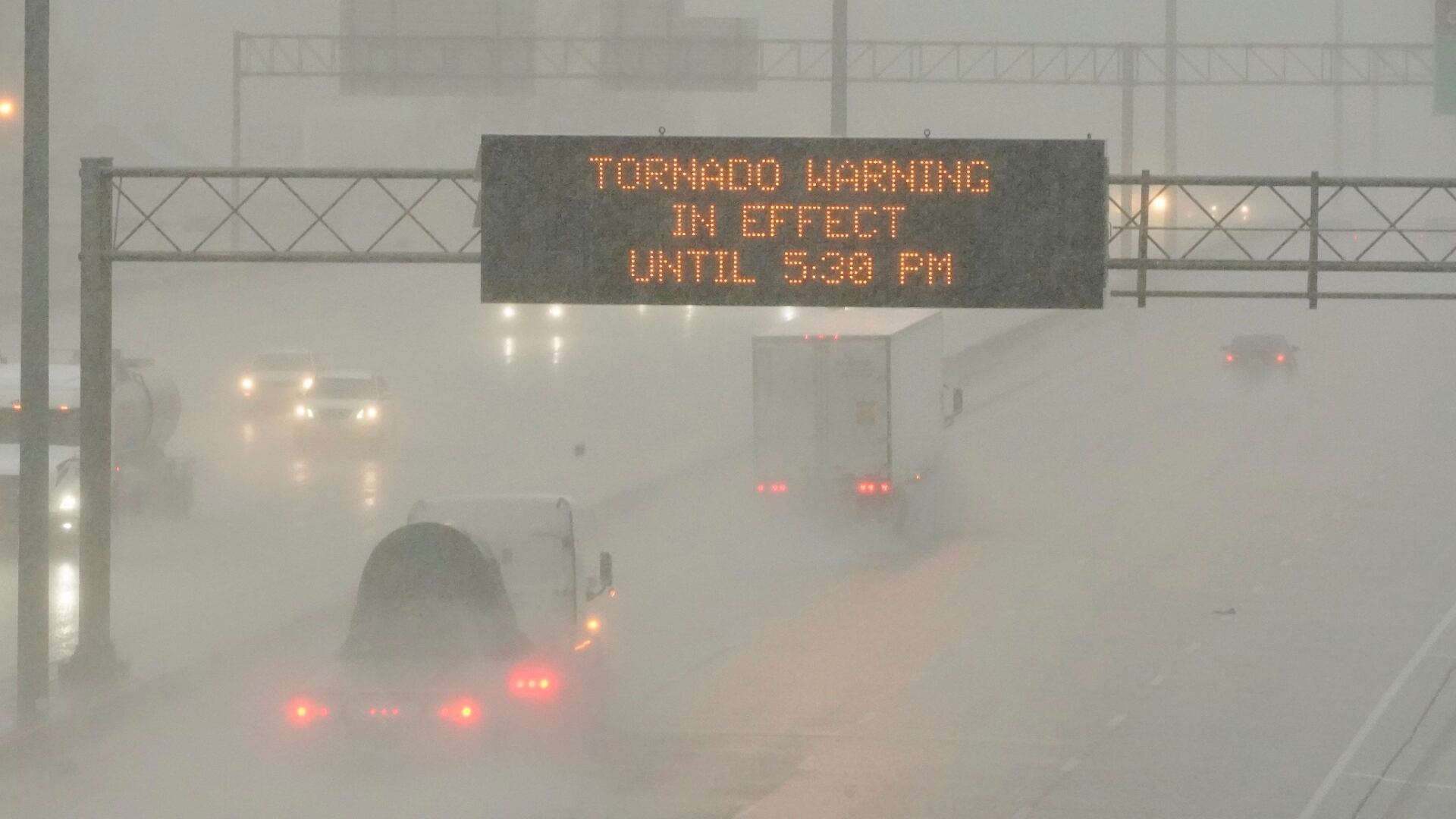
Catching you up on what you need to know on Mar 31, 2022, with updates on Biden's push for more COVID funding, a wave of storms hammering the South, Etsy sellers going on strike, and more.
An inflation gauge closely monitored by the Federal Reserve jumped 6.4% in February compared with a year ago, with sharply higher prices for food, gasoline and other necessities squeezing Americans’ finances.
Meta, Facebook’s parent company, hired a Republican consulting firm called Targeted Victory to “orchestrate a nationwide campaign” against TikTok, The Washington Post reported on Wednesday.
Job openings hovered at a near-record level in February, little changed from the previous month, continuing a trend that Federal Reserve officials see as a driver of inflation.
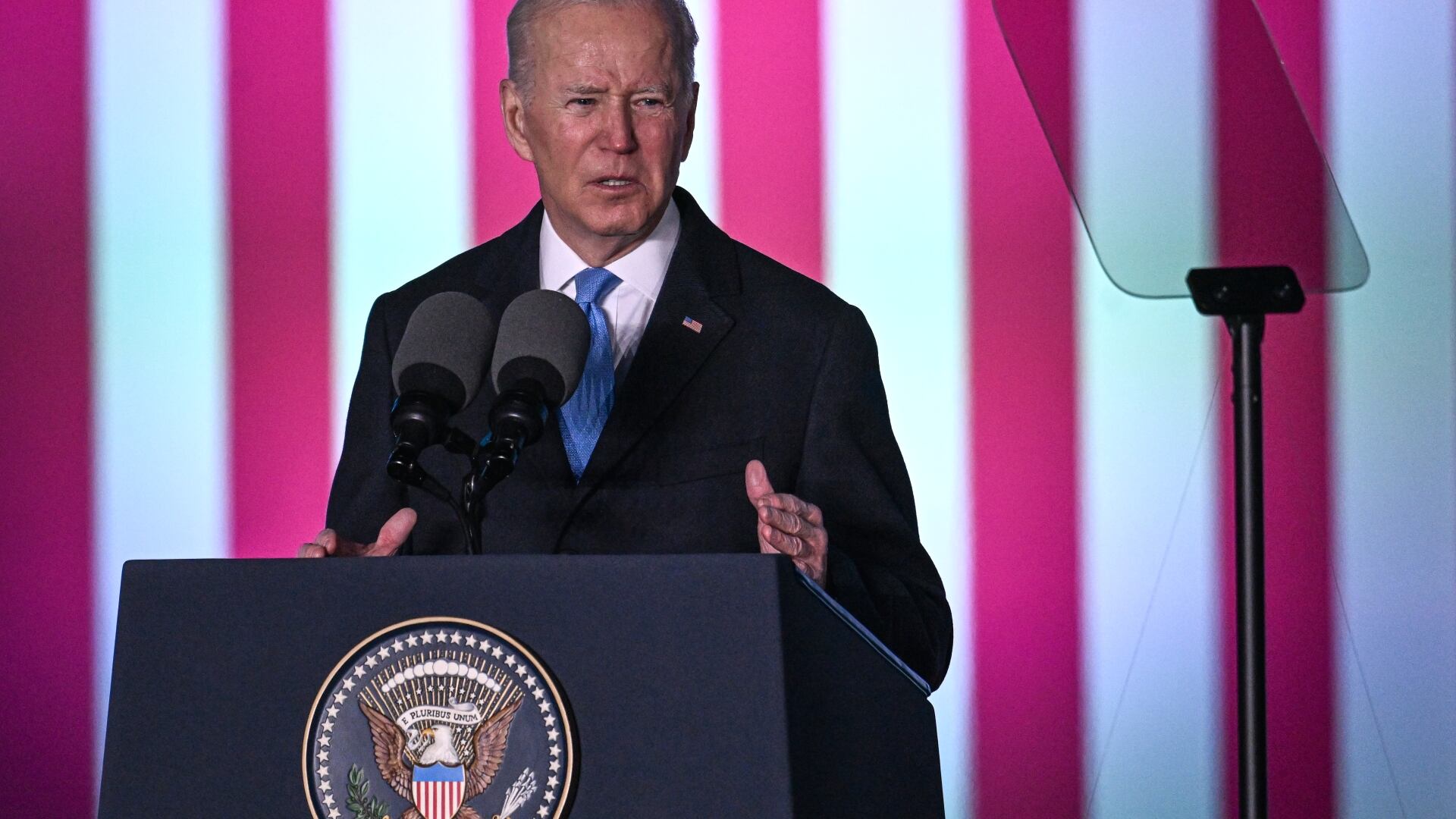
Brad Polumbo of the Foundation for Economic Education, a conservative-libertarian think tank, joined Cheddar News to break down the big announcements from President Biden's budget plan, including an increase in defense spending due to the conflict in Ukraine, and a planned 20% income tax on billionaires.
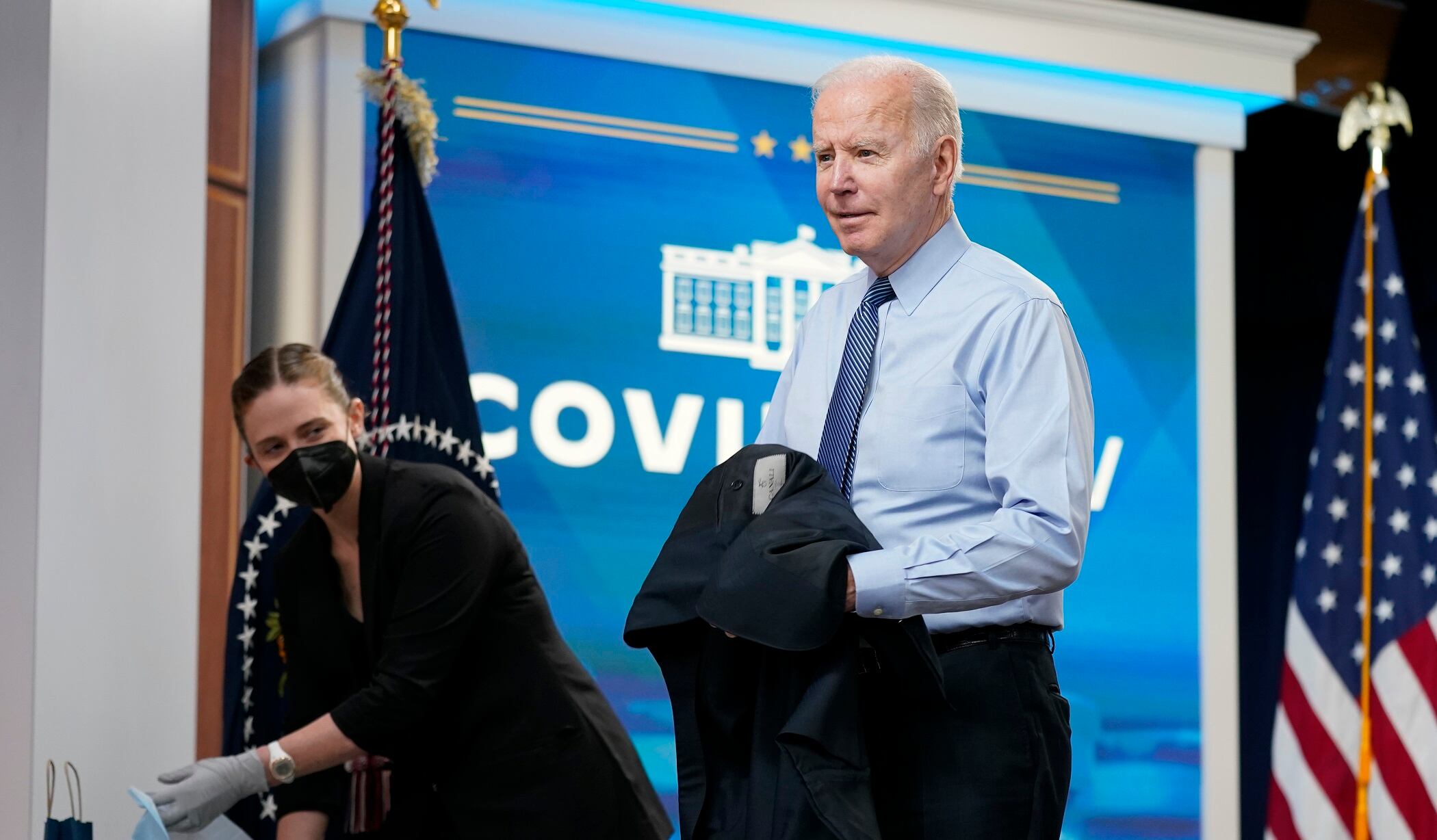
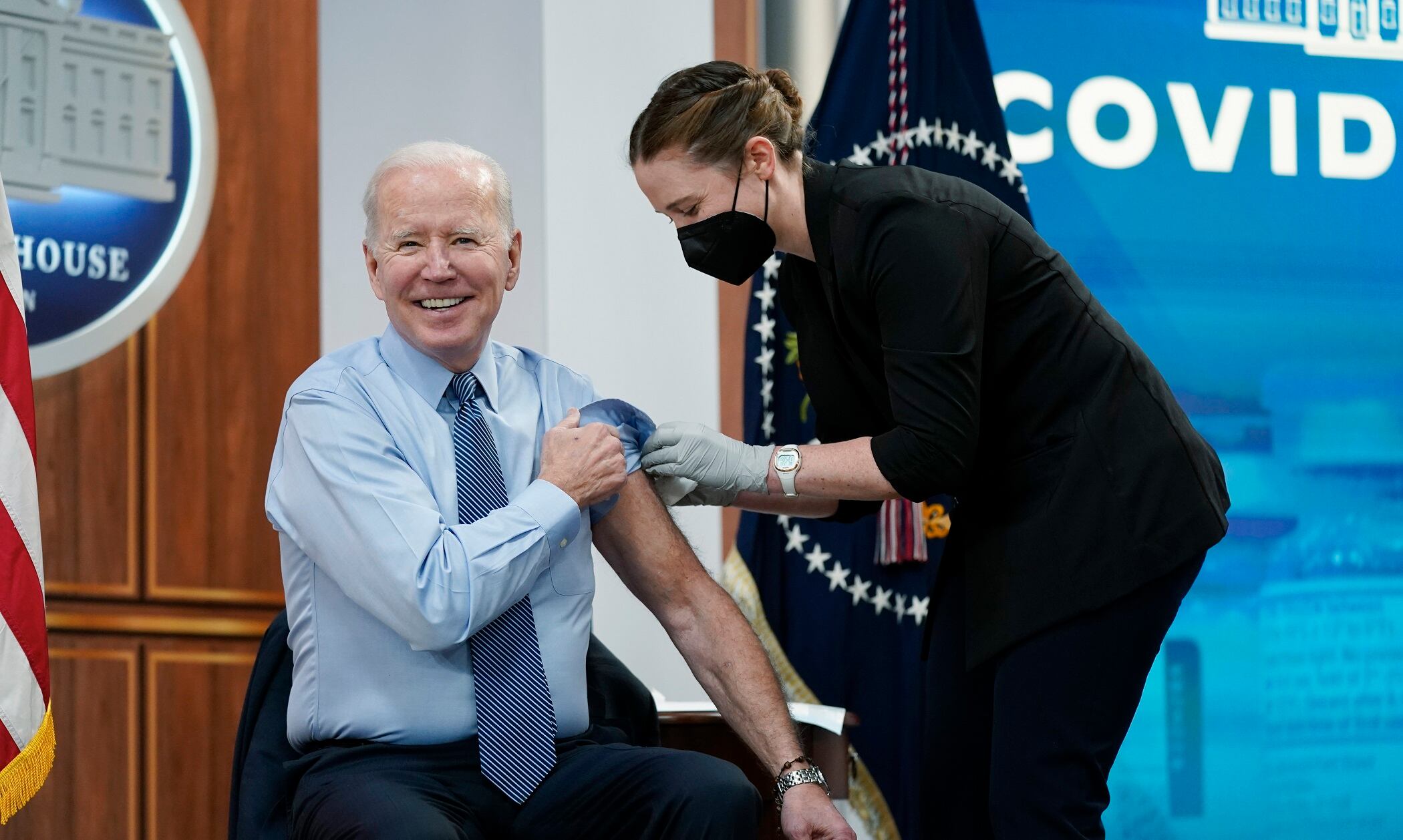
President Joe Biden has gotten a second booster dose of the Pfizer COVID vaccine, and he used the occasion Wednesday to call on Congress to pass billions of dollars in additional funding to fight the pandemic.