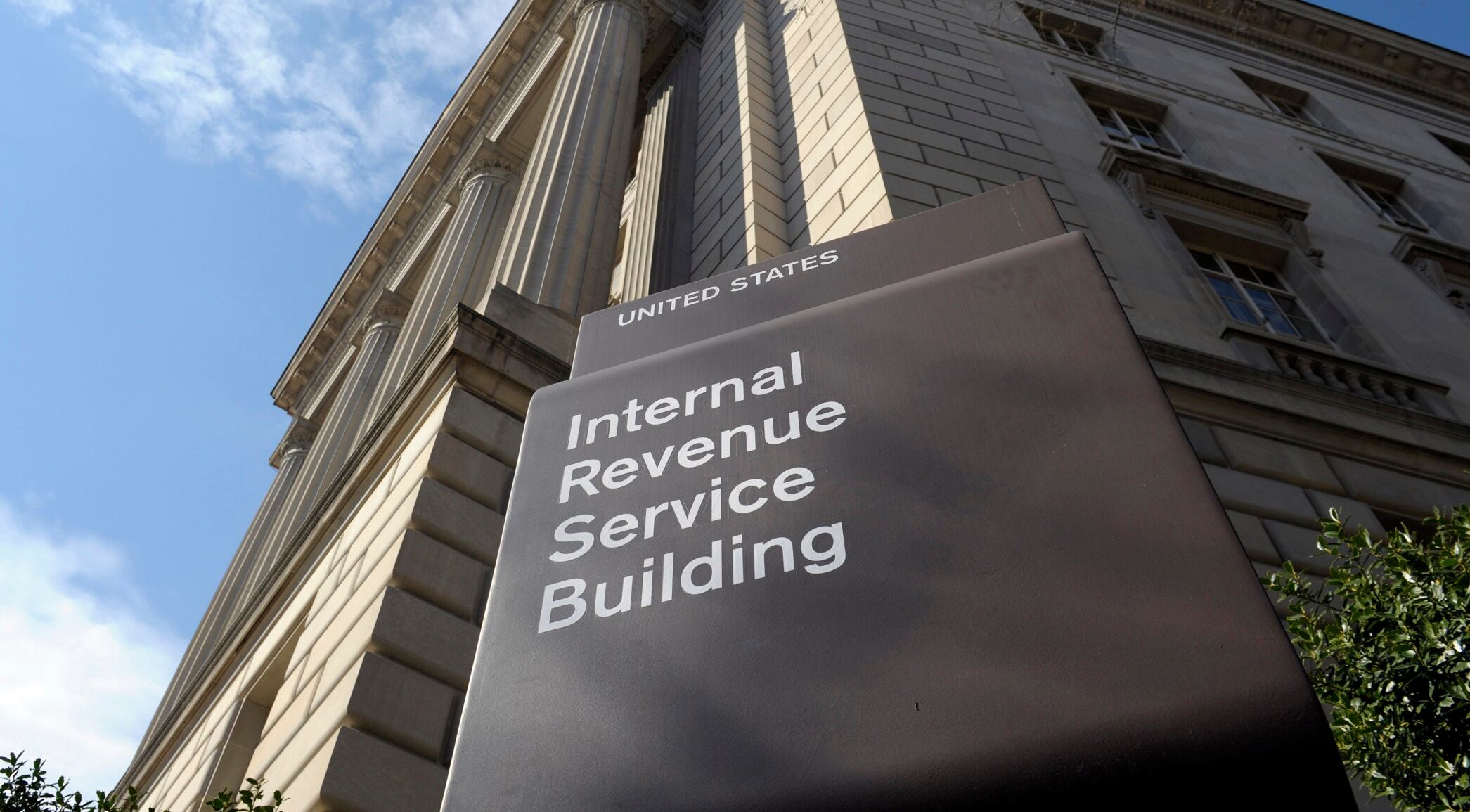
In this photo March 22, 2013, photo, the exterior of the Internal Revenue Service (IRS) building in Washington. The IRS sys it will stop using facial recognition technology to authenticate people who create online accounts after the practice came under criticism from privacy advocates and lawmakers (AP Photo/Susan Walsh, File)
By Fatima Hussein
The IRS said Monday it will suspend the use of facial recognition technology to authenticate people who create online accounts after the practice was criticized by privacy advocates and lawmakers.
The agency said it would no longer use a third-party service, called ID.me, for facial recognition. Critics of the software said the database could become a target for cyberthreats. They also expressed concern about how the information could be used by other government agencies, among other concerns.
Earlier Monday, Senate Finance Committee Chair Ron Wyden, D-Ore., called on the agency to end its use of the ID.me software. After the IRS announced the practice would be suspended, Wyden said "the Treasury Department has made the smart decision to direct the IRS to transition away from using the controversial ID.me verification service.”
"No one should be forced to submit to facial recognition to access critical government services,” he added.
The IRS is currently grappling with a worker shortage and an expanded workload from processing tax filings and administering pandemic-related programs. Legislation that would have given the agency billions of dollars to more expeditiously process returns is stalled.
“The IRS takes taxpayer privacy and security seriously, and we understand the concerns that have been raised,” said IRS Commissioner Chuck Rettig.
“Everyone should feel comfortable with how their personal information is secured, and we are quickly pursuing short-term options that do not involve facial recognition.”
The agency said the transition would occur “over the coming weeks in order to prevent larger disruptions to taxpayers during filing season.”
Emily Tisch Sussman, senior advisor at Paid Leave US, joined Cheddar's "Between Bells" to discuss paid leave being stripped from the latest budget bill and why it is crucial for parents to have paid time off. Sussman said the pandemic, in particular, highlighted the disparity between women, who left the work force in droves to care for family, and men who continue to work and be rehired as impacted sectors of the economy return.
The Dow, S&P, and Nasdaq each ended Friday's session at a record high as stocks rallied into the green. Chris Vecchio, Senior Analyst at DailyFX, joins Cheddar News' Closing Bell, where he says this was an 'October to remember' for Wall Street.
Alex Gangitano, White House Correspondent for The Hill, joined Cheddar to discuss the chaos surrounding democrats in congress as they try to advance President Biden's agenda.
Kathy Mulvey, the Accountability Campaign Director for the Union of Concerned Scientists, joined Cheddar News to break down Thursday's congressional hearing on climate change with big oil executives and lobbyists.
Carlo and Baker cover Facebook's big rebrand, the latest on Biden's economic agenda and more. Plus, ranking the best Halloween candy and the worst couple's costumes.
As President Joe Biden heads to Europe for the G20 and the United Nations COP26 climate meeting, he has announced a new $1.75 trillion spending framework. Senate Democrats are reportedly close to agreeing on passing the legislation, but it hangs in the balance as President Biden and other world leaders will meet at COP26 and Biden looks to proclaim the U.S. a leader on climate issues. Vox Senior Reporter Rebecca Leber joins Cheddar News' Closing Bell to discuss the $555 billion worth of clean energy initiatives Biden included in the framework, and how Democrats' continuing negotiations undermine U.S. climate leadership.
Christopher Romaka, advocacy lead at Good Counsel Services, explains how the non-profit is still working to get Afghan refugees out of the country, which fell to the Taliban back in August.